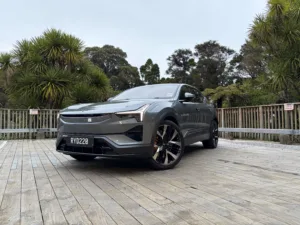
As the automotive industry races towards widespread adoption of electric vehicles (EVs), sustainability has moved to the forefront of its agenda. While EVs are celebrated for their environmental benefits compared to internal combustion engine vehicles, a significant challenge looms over the industry: the management of EV batteries at the end of their lifecycle. Addressing this issue has become an urgent priority, as the success of the EV revolution relies on the ability to sustainably reuse and recycle the materials used in these batteries. According to GlobalData, a leading data analytics company, EV battery recycling is evolving into a critical area for ongoing investment and innovation, with vast implications for the future of the automotive ecosystem.
The Rising Demand for EV Battery Recycling
The growing popularity of EVs, driven by consumer demand and government support, has resulted in an unprecedented surge in battery production. EV batteries, typically powered by lithium-ion technology, are composed of valuable and finite materials such as nickel, cobalt, lithium, and manganese. Recovering these minerals upon battery disposal is not only essential for meeting future raw material demand but also for reducing the environmental impact of mining and preventing hazardous waste accumulation.
Industry analysts predict a sharp increase in the volume of spent EV batteries in the coming years as a significant number of first-generation EVs approach the end of their operational lifespans. Without proper recycling infrastructure, these batteries risk becoming an environmental liability. However, this challenge presents a golden opportunity for stakeholders to invest in innovative recycling technologies that can reclaim usable materials and feed into a circular economy model.
The Three Pillars of Battery Recycling Technologies
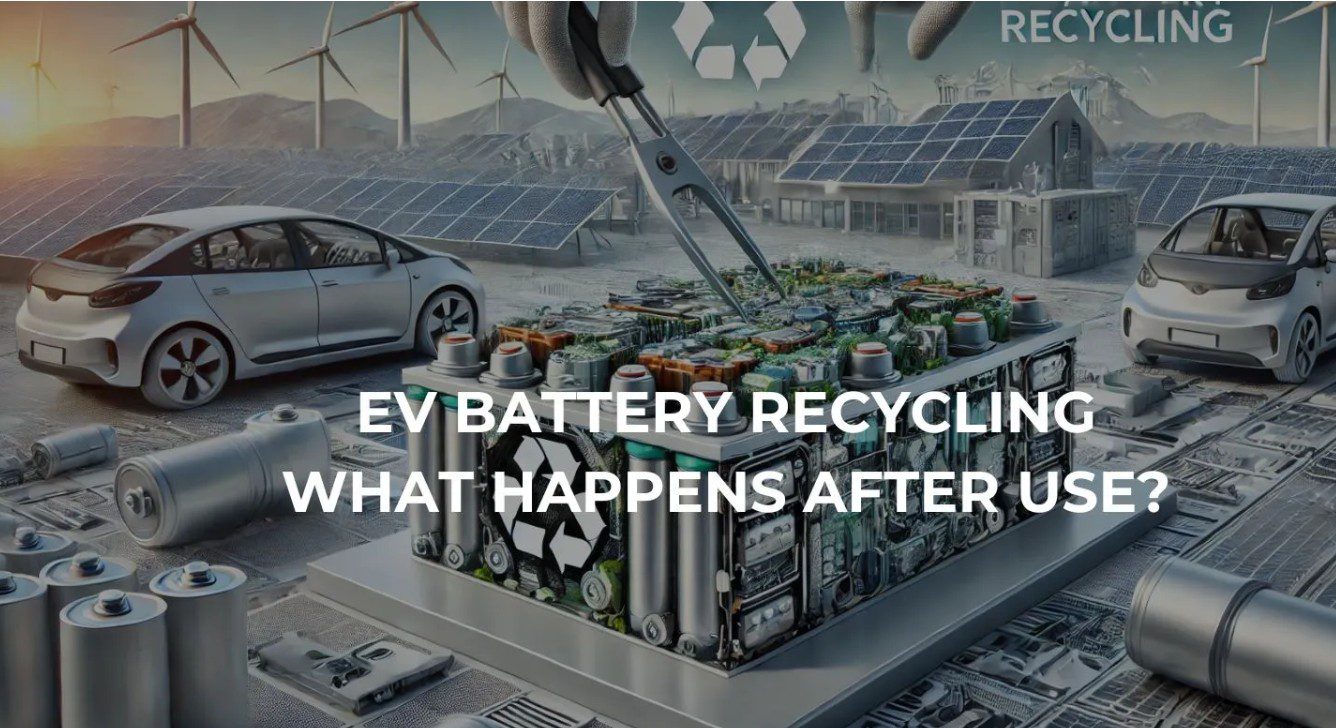
The automotive industry is actively exploring and developing efficient methods to recover valuable materials from EV batteries. Currently, three main recycling processes dominate the landscape:
- Hydrometallurgical Recycling (Wet-Chemical Process)
- This method involves using chemical solutions to leach materials such as lithium, cobalt, and nickel from spent battery components. Hydrometallurgical recycling has gained traction because of its high recovery rates and lower environmental impact compared to older methods. It is widely seen as the most promising technology for advancing efficient battery recycling.
- Pyrometallurgical Recycling (Thermal Process)
- Pyrometallurgical recycling employs high temperatures to separate valuable metals from battery waste. While effective at recovering materials like cobalt and nickel, this process often incurs higher energy consumption and generates greater carbon emissions than hydrometallurgical methods.
- Direct Recycling (Component-Level Recovery)
- Direct recycling focuses on preserving and refurbishing battery components, such as the cathode, for reuse without breaking them down into base materials. This process could potentially reduce the cost and energy demands of battery recycling but is still in its early stages of development.
Among these, hydrometallurgical recycling has emerged as the leader due to its superior recovery rates and compatibility with sustainability goals. However, ongoing research into all three methods reveals significant potential for innovation in recycling efficiency, cost reduction, and environmental impact.
Regulation: The Driving Force Behind Industry Transformation
Global regulatory momentum is playing a crucial role in shaping the future of EV battery recycling. Governments are recognizing the environmental risks posed by improper battery disposal and are implementing stringent policies to ensure comprehensive recycling systems.
The European Union: The EU’s Battery Regulation is one of the most ambitious frameworks, setting legally binding recycling requirements. By 2030, 95% of cobalt, nickel, copper, and lead, as well as 70% of lithium, from battery recycling must be recovered. This legislation is not only pushing automakers to prioritize recycling but also setting the stage for Europe to become a global leader in sustainable battery management.
The United States: In the United States, several states are introducing Extended Producer Responsibility (EPR) policies. These policies shift the burden of battery recycling onto manufacturers, incentivizing innovation in design and recycling practices. Federal initiatives, such as subsidies for recycling infrastructure, are also gaining traction to support sustainable automotive growth.
China: As the largest producer of EVs and batteries, China’s role in battery recycling is vital. China has already implemented mandatory regulations requiring automakers to track and recycle used batteries, ensuring they do not end up in landfills.
With these regulatory measures, the global automotive industry is accelerating investments in recycling technologies that comply with, and even exceed, these standards.
Investment and Innovation: A New Era for EV Recycling
The focus on EV battery recycling has unlocked significant investment opportunities for automakers, technology providers, and recycling companies. The financial incentives for recovering valuable battery materials are substantial, as raw material costs for lithium, cobalt, and nickel continue to rise due to limited supply and growing demand.
Madhuchhanda Palit, Automotive Analyst at GlobalData, highlights the benefits of embracing a circular economy model, stating:
“The automotive sector is increasingly embracing circular economy practices, focusing on reusing and recycling materials to minimize waste. This transition not only benefits the environment but also presents lucrative opportunities for businesses in the growing market for recycled battery materials.”
Patent analytics show a surge in research and development activity focused on improving recycling efficiency, lowering costs, and reducing waste generation. Several startups and industry players are pioneering new technologies, such as solvent-based recycling and AI-driven sorting techniques, to maximize recovery rates while minimizing the environmental impact.
Automotive giants like Tesla, Volkswagen, and General Motors have already made significant investments in battery recycling initiatives. Partnerships with specialized recycling firms, such as Redwood Materials and Li-Cycle, are becoming increasingly common, signaling the industry’s commitment to advancing sustainable practices.
Challenges to Overcome
Despite the industry’s progress, several challenges remain on the road to scalable and efficient battery recycling:
- Cost Challenges: Recycling processes remain expensive compared to mining raw materials, particularly in regions with low electricity costs for mining operations. Scaling up recycling facilities and improving energy efficiency are key priorities for reducing costs.
- Technological Gaps: While hydrometallurgical recycling shows promise, advances in direct recycling and other methods are still necessary to create a diversified and robust recycling infrastructure.
- Logistical Hurdles: Efficient collection and transportation systems for end-of-life batteries are not yet fully developed, leading to potential bottlenecks in recycling flows.
- Safety Risks: Handling and dismantling high-voltage lithium-ion batteries can be dangerous without proper protocols and technologies in place.
Overcoming these challenges will require collaboration across the automotive supply chain, from manufacturers to recyclers and policymakers.
The Road Ahead
The journey towards a sustainable EV future hinges on the automotive industry’s commitment to recycling and lifecycle management. Madhuchhanda Palit notes that advancements in recycling technologies and an increasing regulatory push provide a promising outlook for the sector:
“While challenges remain, the advancements in recycling technologies and the increasing emphasis on sustainability present a promising outlook for the automotive market. As stakeholders navigate this evolving landscape, the commitment to sustainable practices will not only mitigate environmental hazards but also drive market growth in the years to come.”
Investments in EV battery recycling are more than just a regulatory compliance effort—they represent a strategic imperative for automakers to secure long-term access to essential materials, reduce environmental impacts, and explore new revenue streams in the recycled materials market.
As the global EV market continues to expand, battery recycling will play a pivotal role in shaping the automotive industry’s path toward sustainability, profitability, and resilience. Stakeholders who invest early in recycling innovation will be well-positioned to lead in this new era of green transportation.