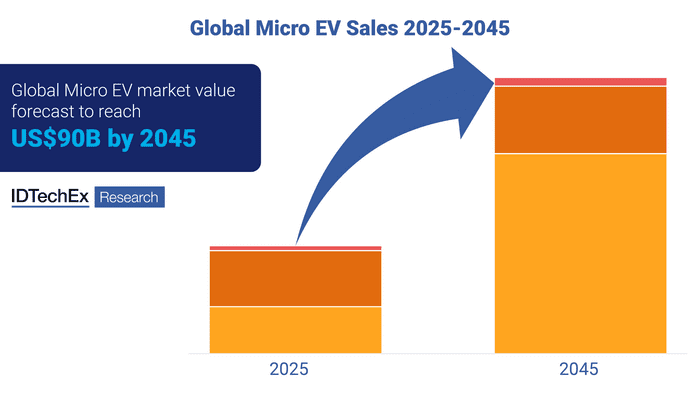
In densely packed metropolises and sprawling urban centres, a new era of transportation is taking root—micro electric vehicles (micro EVs). According to IDtechEx, these pint-sized electronic wonders, comprising electric two-wheelers (E2Ws), three-wheelers (E3Ws), and microcars, are carving out a niche as the ultimate solution for short urban commutes and last-mile logistics. While their current prevalence—particularly in Asian markets—has already impressed, analysts forecast that the global micro EV market will balloon into a colossal US$90 billion industry by 2045.
Micro EVs: The Workhorses of Urban Transportation
What exactly are micro EVs? These electrified champions of compact transport are designed to glide through urban jungles and conquer everyday trips with ease. From scooters and motorcycles to mini-cars, they are tailored for navigating traffic-clogged streets, occupying minimal parking space, and keeping costs in check. Asia, home to an established culture of affordable mobility, has been the incubator for their success, with micro EVs now poised to dethrone traditional combustion-powered two- and three-wheelers as the dominant urban transport solution.
But the micro EV revolution isn’t content to stay in Asia’s bustling streets. With cities across the globe becoming denser, fuel costs spiking, and traffic snarls worsening, the European and North American markets are now gearing up to embrace this green mobility trend. The simplicity and cost-effectiveness of micro EVs make them an ideal choice for urbanites seeking short-distance, eco-friendly alternatives, no matter the continent.
Why is the Micro EV Market Supercharging?
The myriad drivers of micro EV growth make for a compelling narrative. On one hand, governments are stepping in with aggressive incentives to boost adoption—most notably via purchase grants, which eliminate the cost disadvantage of going electric. In highly price-sensitive markets like India, these grants have spurred staggering shifts toward electrification. Through initiatives such as FAME II and EMPS, India has turned micro EVs into cost-effective alternatives to combustion vehicles, making it a leader in the segment.
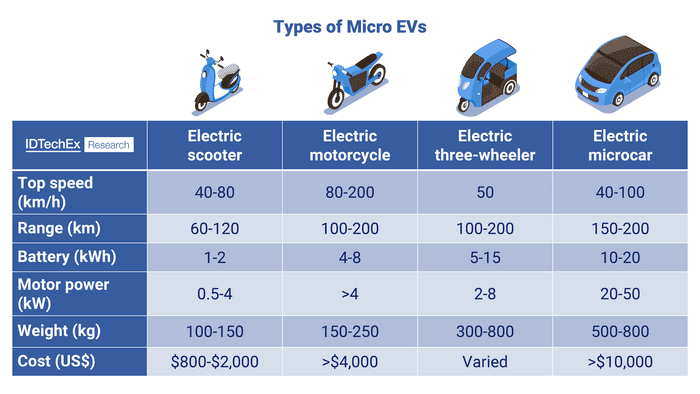
Meanwhile, innovation continues to bolster market appeal. Thanks to their relatively modest battery requirements—most needing just 4 kWh or less compared to the 20 kWh-plus sizes of electric city cars—micro EVs remain affordable while being environmentally sound. Governments and businesses are working in tandem to address challenges like infrastructure and market gaps. From India’s push to localize Li-ion cell production to Indonesia’s efforts at standardisation and China’s rural charging expansions, solutions are aligning to elevate global micro EV markets.
From Personal Transportation to Commercial Powerhouses
Not content to merely ferry passengers, micro EVs are also reinventing the realm of urban logistics. Their adaptability in last-mile delivery—where stop-start routes and limited cargo needs dominate—has positioned them as ecological game-changers for decarbonizing the logistics industry. OEMs are stepping up with models tailored for commercial use, boasting larger batteries and more powerful motors to tackle light-duty freight applications. With global road freight demand expected to double by 2050, micro EVs are poised to become indispensable in the cargo industry’s green transformation.
The Road Ahead: A US$90 Billion Future
IDTechEx’s extensive analysis leaves no doubt of what’s to come. The micro EV industry is turbocharging its way into a high-growth trajectory, with diverse applications and regional dynamics. By the time we reach 2045, micro EVs will have graduated from urban efficiency heroes to global economic powerhouses, headlining a US$90 billion market that reshaped urban mobility as we know it. For commuters, businesses, and policymakers, riding the wave of micro EV adoption might just be a fast track to a cleaner, smarter future.