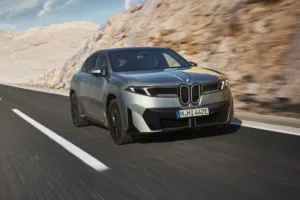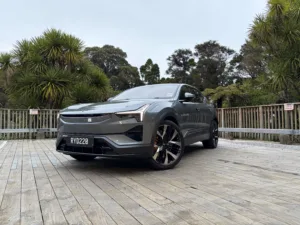
In what could be described as the slowest tech revolution since the invention of watching paint dry, semi-solid state batteries are finally crawling their way into the EV market with all the urgency of a Sunday driver. According to the latest research from TrendForce, these battery newcomers are set to capture a whopping… wait for it… 1% of the market by 2027. Talk about breaking the sound barrier!
But before you roll your eyes faster than a Tesla’s 0-60 time, there’s actually some serious tech under the hood here. These batteries are like the sophisticated cousin of your regular EV battery – you know, the one who studied abroad and came back with a fancy accent. They’re combining the best of both worlds: traditional liquid electrolytes and solid-state technology, creating what could be described as the battery equivalent of a mullet – business in the front, party in the back.
Chinese automakers, ever the early adopters, have been leading this electrical evolution since 2022. Companies like Ganfeng Lithium, Farasis Energy, and WeLion New Energy have been pushing these batteries out like hot dumplings, achieving GWh-level production that would make traditional battery makers raise an eyebrow – or two.
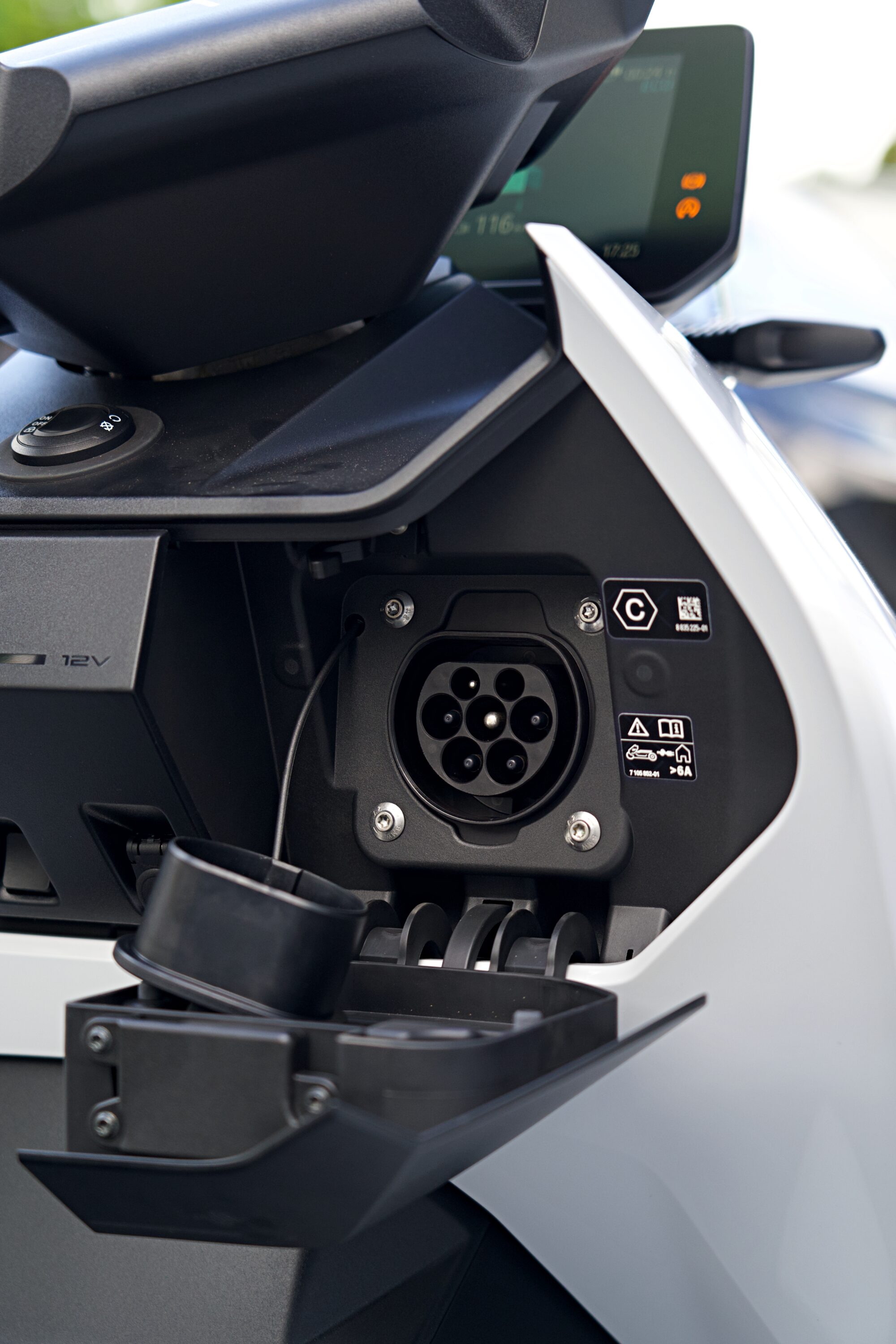
Currently, the technology is about as common as a quiet Tesla horn, with global usage remaining below 2 GWh in 2024 – that’s less than 0.5% market penetration, folks. While China’s showing off with models like the IM L6 and NIO ET7 sporting these new batteries, the rest of the world is still window shopping.
The good news? These semi-solid state batteries are actually closer to hitting the mainstream than their all-solid-state cousins, which are still trying to figure out how to graduate from the lab to the factory floor. They’re promising longer ranges and better performance, like a marathon runner with a jet pack.
However, there’s always a ‘but’ (isn’t there always?). These batteries are currently playing catch-up with traditional liquid electrolyte batteries in terms of cost, efficiency, and longevity. It’s like they’re bringing a gold-plated Swiss Army knife to a light saber fight.
So, while we wait for these batteries to mature like a fine wine, at least we can appreciate the irony of a “revolutionary” technology that’s taking its sweet time to revolutionize anything. But hey, Rome wasn’t built in a day, and apparently, neither is the future of electric vehicles.
In the race to electrify our roads, sometimes the tortoise does beat the hare – it just might take until 2027 to prove it.