India, a nation on the cusp of an automotive revolution, is witnessing a surge in interest from global electric vehicle (EV) manufacturers. From established giants like Tesla to ambitious startups, the world’s carmakers are eyeing India’s burgeoning market with increasing enthusiasm. But what’s driving this electric gold rush? A confluence of factors, from government initiatives to changing consumer preferences, are making India an increasingly attractive destination for EV investment.
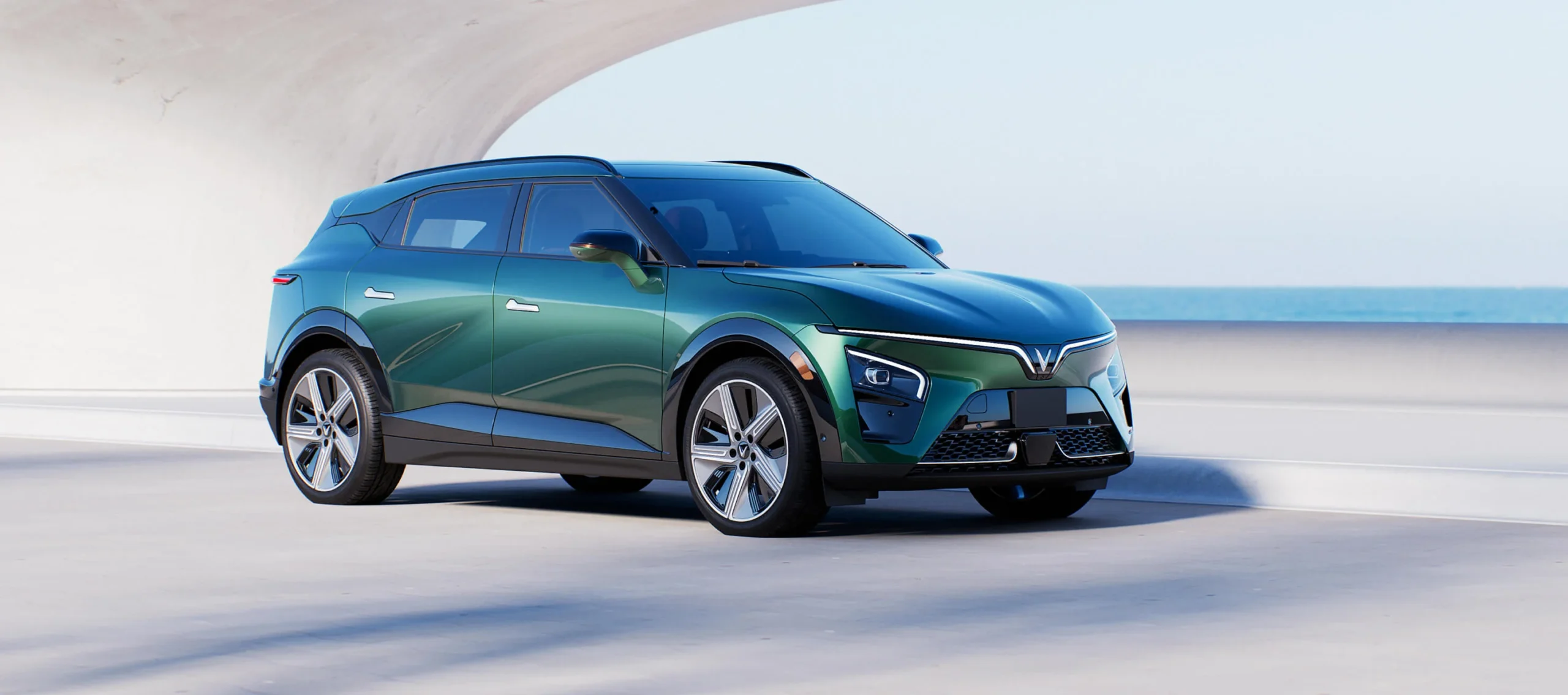
One of the most significant drivers is the Indian government’s ambitious push towards electrification. Policies like the Faster Adoption and Manufacturing of Hybrid and Electric Vehicles (FAME) scheme offer substantial incentives for both manufacturers and consumers. These incentives, coupled with stricter emission norms, are creating a favorable environment for EV adoption. The government’s vision of transitioning to a predominantly electric vehicle fleet by 2030 sends a powerful signal to global players, underscoring the long-term potential of the Indian market.
Beyond government support, India’s sheer market size and projected growth trajectory are key attractions. With a rapidly expanding middle class and increasing urbanization, the demand for personal mobility is expected to skyrocket in the coming years. This presents a massive opportunity for EV manufacturers to tap into a vast, untapped consumer base. Coupled with rising fuel prices and growing environmental awareness among Indian consumers, the appetite for electric vehicles is steadily growing.
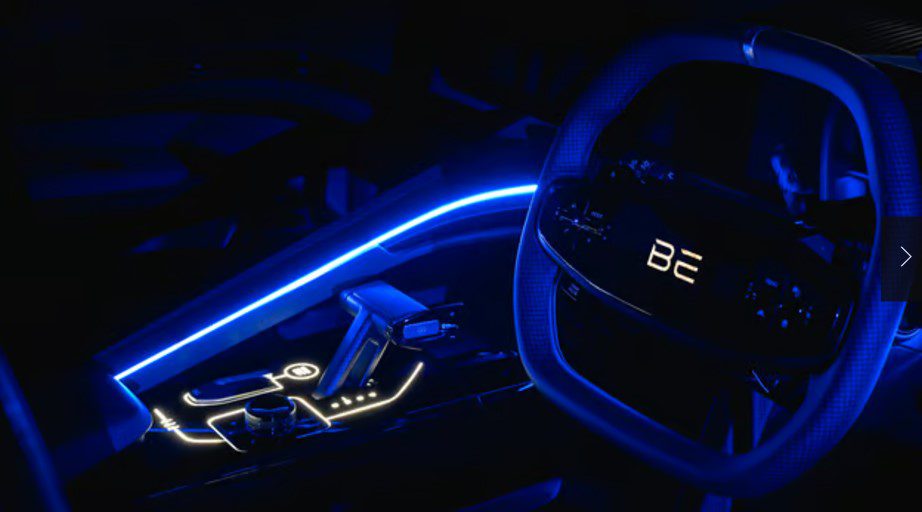
India’s potential as a manufacturing hub is another crucial factor. The country boasts a well-established automotive industry with a skilled workforce and a growing network of component suppliers. This makes it an attractive location for EV manufacturers to set up production facilities, not just for the domestic market, but also for export to other regions. Several global players are already exploring partnerships with Indian companies to leverage local manufacturing expertise and reduce production costs.
However, challenges remain. The lack of widespread charging infrastructure continues to be a major hurdle. While the government is actively promoting the development of charging networks, significant investments are needed to create a robust and accessible charging ecosystem. Furthermore, the relatively high upfront cost of EVs compared to conventional vehicles remains a barrier for many Indian consumers. Addressing affordability concerns through innovative financing options and battery leasing models will be crucial for widespread EV adoption.
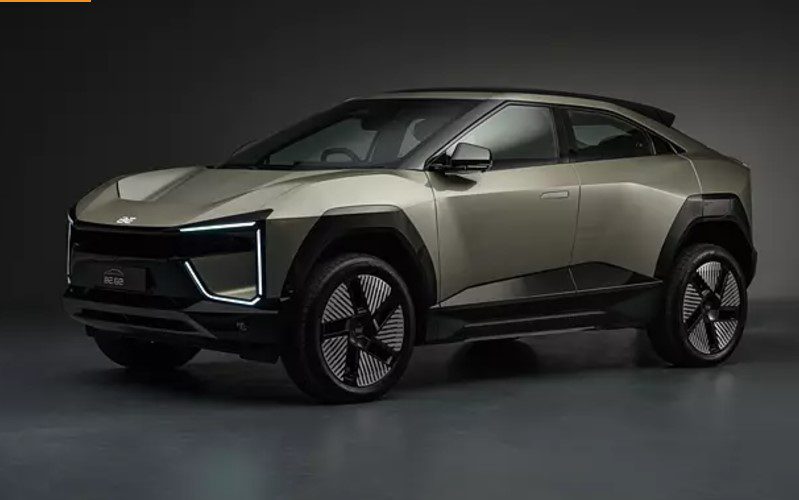
Despite these challenges, the overall sentiment remains positive. The influx of global EV companies signifies a vote of confidence in India’s electric future. As the government continues to refine its policies and the market matures, India is poised to become a major player in the global EV landscape. The race to electrify India’s roads is well and truly underway, and the world is watching closely.