In a world teeming with automotive innovation, something as menial as incessant warning beeps has managed to unite us all in frustration. Whether it’s Hyundai vehicles dinging about speeding you’re not doing, or Volvo obsessively checking your eyelids like an overbearing mother-in-law, carmakers have dialed up the noise, and drivers have had enough.
Volvo’s Martin Magnusson knows this all too well. The head of Advanced Driver-Assistance Systems insists that when faced with a cacophony of alarms for every conceivable situation, drivers tend to tune them all out. “People ignore excessive warnings – it’s counterproductive,” Magnusson laments. That’s why Volvo’s UX team is focusing on creating smarter, more selective alerts that only interrupt drivers when truly necessary.
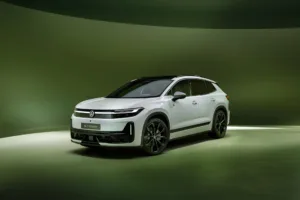
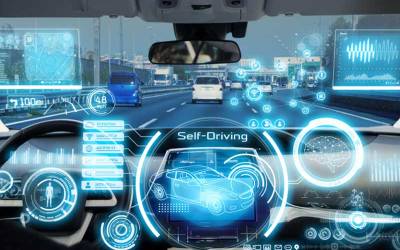
The bleeding-edge tech in Volvo’s EX90 SUV, for example, measures everything from your eye movements to how tightly you grip the steering wheel. Are you distracted? Tired? Over-caffeinated? Well, fear not, your car will soon know. And it’ll react accordingly, with tailored alerts ranging from gentle nudges to “Hey, maybe don’t die today? Pull over and nap” levels of bluntness.
But here’s the kicker: Even the best-intentioned features still lend themselves to a Pavlovian paradox. Conditioning à la Ivan Pavlov’s famous experiment taught dogs to salivate at bells—but it turns out humans aren’t so different. When Hyundai’s vehicles bombard you with unnecessary alerts (many of which stem from buggy sign-detection tech), you’re likely to yell, “I’M NOT SPEEDING!” to your empty car and develop an allergy to driving altogether. Been there? Thought so.
The issue lies in false alarms. Speed recognition tools, for example, have a habit of interpreting school zones when no children exist or raising alerts for ambiguous situations. Over time, this leads to drivers outright ignoring all alerts—a dangerous spiral where good intentions meet bad executions.
The louder these alerts have become, the more absurd their quantity. ANCAP’s drive for better safety standards has turned the average vehicle into a symphony of distractions. Speeding, cyclists in blind spots, parking proximity, open doors, unfastened seatbelts, forgotten keys, cars are watching your every move and screaming about it.
Sure, there are alternatives. Haptic-feedback seats like those from Holden offer buzz notifications for parking—but let’s face it, a vibrating chair is decidedly more weird than reassuring. And unlike auditory alerts, touch-based signals can still confuse drivers unaccustomed to such systems.
Perhaps the most ironic twist is the role software-driven adaptability could play in easing this noise pollution. Imagine a car that learns from you, dialing down its alerts when it senses attentiveness and only intervening when you truly need it. Magnusson hopes for a future with “few, if any, subtle signals” for alert drivers – a noble goal in a market that thrives on feature excess.
Until then, though, we’re stuck in a honking, blinking, beeping world where your car assumes you’re both inattentive and borderline incompetent. As innovation progresses, one can only hope automakers will get the memo: nobody’s paying attention anymore, because you trained us not to.
So, car manufacturers, here’s an idea: maybe just let us drive, without bringing the entire orchestra along for the ride.
Comments welcome below, unless your car already has an opinion.