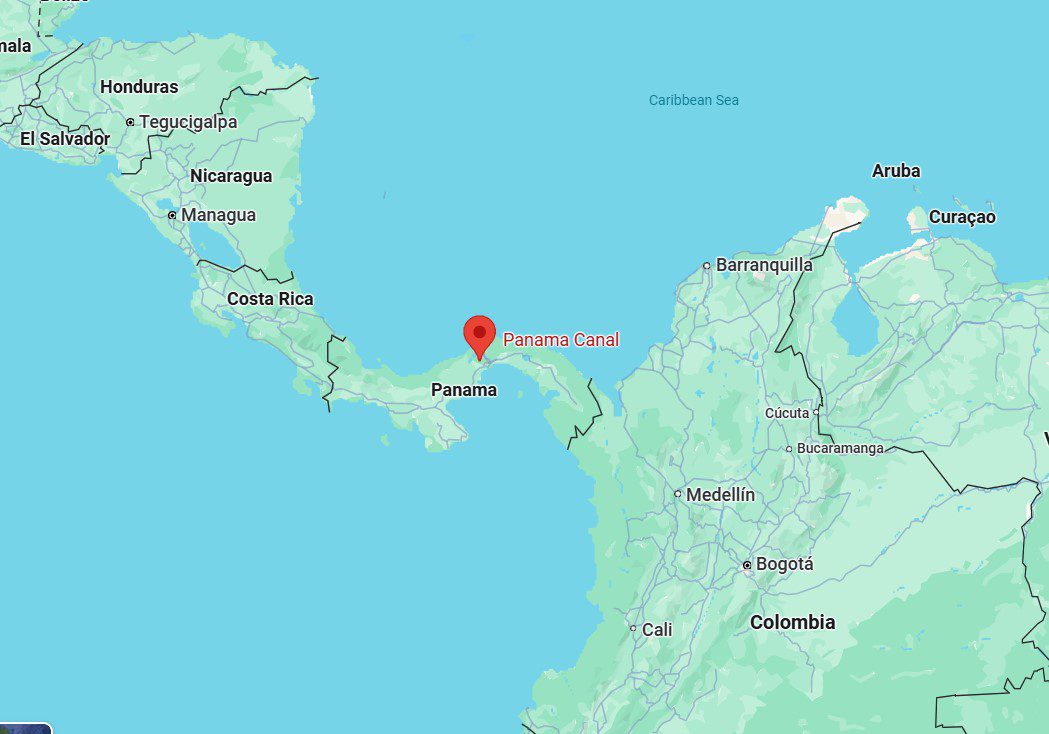
The Panama Canal is one of the most significant engineering achievements in human history, connecting the Atlantic and Pacific Oceans through an artificial 82-kilometre waterway across the Isthmus of Panama. Its origins can be traced back to 1513, when Spanish explorer Vasco Núñez de Balboa first crossed the land bridge between North and South America and envisioned the potential for a water route linking the two oceans. This strategic location made it an ideal site for a canal to facilitate global trade and shorten maritime journeys.
For centuries, various powers explored the idea of building such a canal. The first serious attempt came in the 1880s when the French, led by Ferdinand de Lesseps—the man behind the Suez Canal—began construction. However, their efforts were plagued by challenges, including engineering difficulties, financial problems, and the devastating impact of tropical diseases like malaria and yellow fever, causing the project to fail.
In 1904, the United States assumed control of the canal project after negotiating access to the area through the Hay-Herrán Treaty with Colombia and later, with Panama following its independence. Under the leadership of engineers such as John Frank Stevens and George W. Goethals, America employed revolutionary methods to tackle the challenges. They implemented large-scale excavation using steam shovels, constructed a series of locks, and built dams on the Chagres River to create expansive artificial lakes like Gatun Lake and Lake Madden (now Alajuela Lake). These lakes provided the necessary water supply to operate the canal’s locks. By controlling mosquito populations and improving sanitation, they mitigated the disease outbreaks that had crippled earlier efforts.
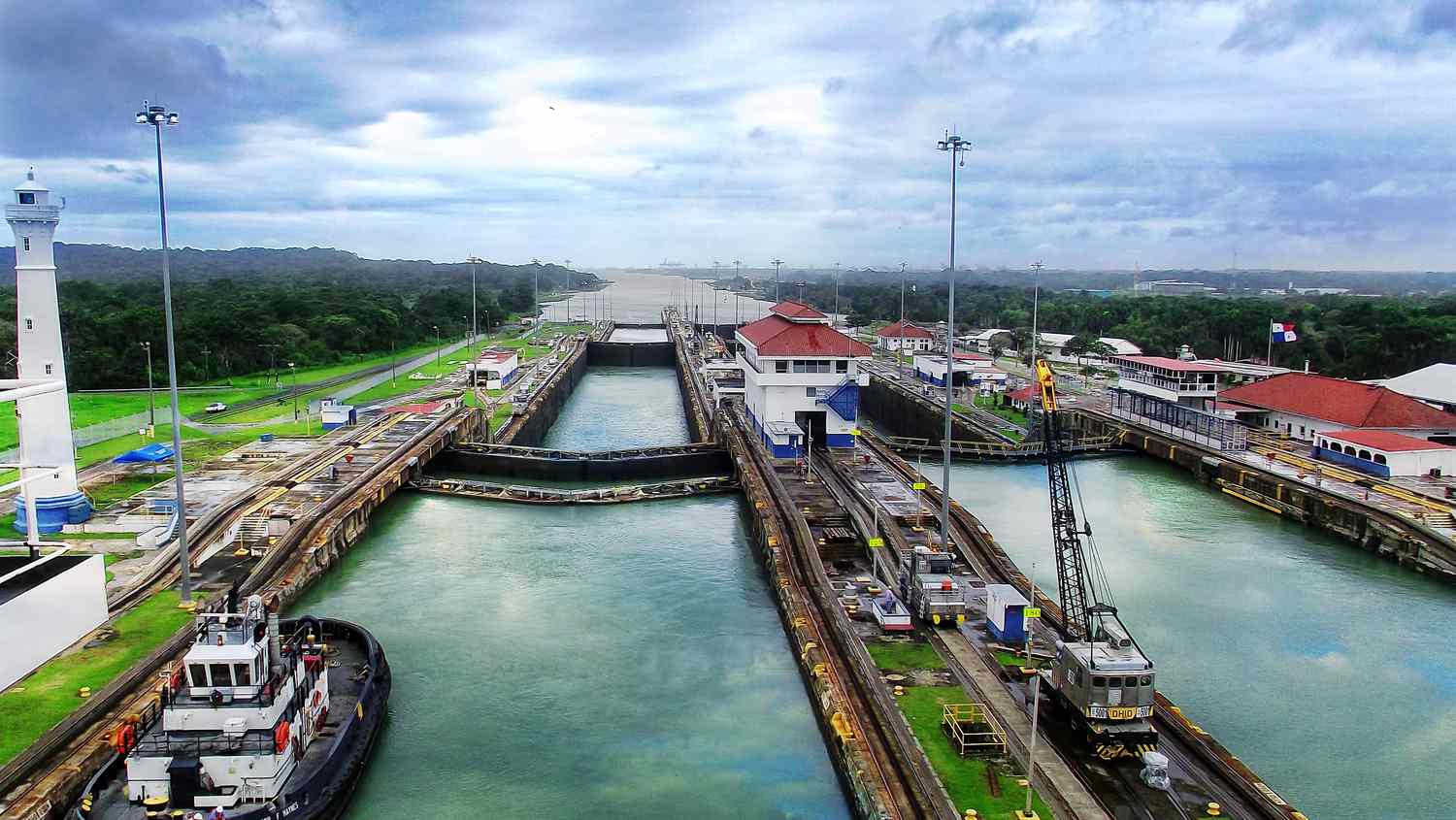
After a decade of construction and the labor of more than 75,000 workers—amidst considerable loss of life—the Panama Canal was completed and officially opened on August 15, 1914. This triumph allowed ships to bypass the lengthy and treacherous route around the southern tip of South America, significantly reducing travel time and costs for global trade. The canal symbolized U.S. technological supremacy and was seen as instrumental in the development of maritime commerce throughout the 20th century.
The United States controlled the Panama Canal and the surrounding Panama Canal Zone for much of the 20th century. However, by the mid-20th century, demands for Panamanian sovereignty over the region grew, leading to widespread protests. In 1977, the Torrijos-Carter Treaties were signed, agreeing that the canal would transition to Panamanian control by the end of 1999. On December 31, 1999, the Panama Canal was officially handed over to Panama, marking a new chapter in its history.
Today, the canal remains a vital artery for global trade. It is managed by the Panama Canal Authority and has been expanded to accommodate larger vessels with the construction of the “Panama Canal Expansion Project” (also known as the Third Set of Locks). Opened in 2016, this project doubled the canal’s capacity by allowing ships nearly three times the size of those previously accommodated to pass through. The Panama Canal continues to stand as an enduring testament to human ingenuity and its transformative impact on the global economy.
The Panama Canal is highly significant for global trade as it provides a vital shortcut between the Atlantic and Pacific Oceans, eliminating the need for ships to travel around the southern tip of South America. For New Zealand, this is particularly important as the canal facilitates quicker and more efficient trade routes to and from Europe and the eastern United States, which are key markets for New Zealand’s exports, such as dairy, meat, and other agricultural products. By reducing shipping distances and saving time, the Panama Canal helps lower transportation costs, making New Zealand’s goods more competitive in these distant markets.
Additionally, the canal supports New Zealand’s import routes by enabling the faster delivery of goods, equipment, and raw materials from the Atlantic regions. This significantly benefits both the nation’s export economy and its domestic industries reliant on international trade. The canal’s efficiency and interconnectivity ultimately enhance New Zealand’s participation in the global supply chain, ensuring its remote geographical location presents fewer logistical challenges.