It’s believed that in a pivotal move to address the rapid upheaval in the global automotive industry, Honda Motor Co. and Nissan Motor Co. are set to begin merger negotiations, sources have revealed to Nikkei. The two Japanese automakers aim to combine their expertise and resources to better navigate the fiercely competitive market for electric vehicles (EVs), where companies like Tesla and Chinese manufacturers are setting the pace.
The talks come as traditional automakers face mounting pressure to adapt to emerging technologies, tighter environmental regulations, and shifting consumer demands. In an industry undergoing unprecedented change, Honda and Nissan are seeking to bolster their positions by creating a unified front against global competition.
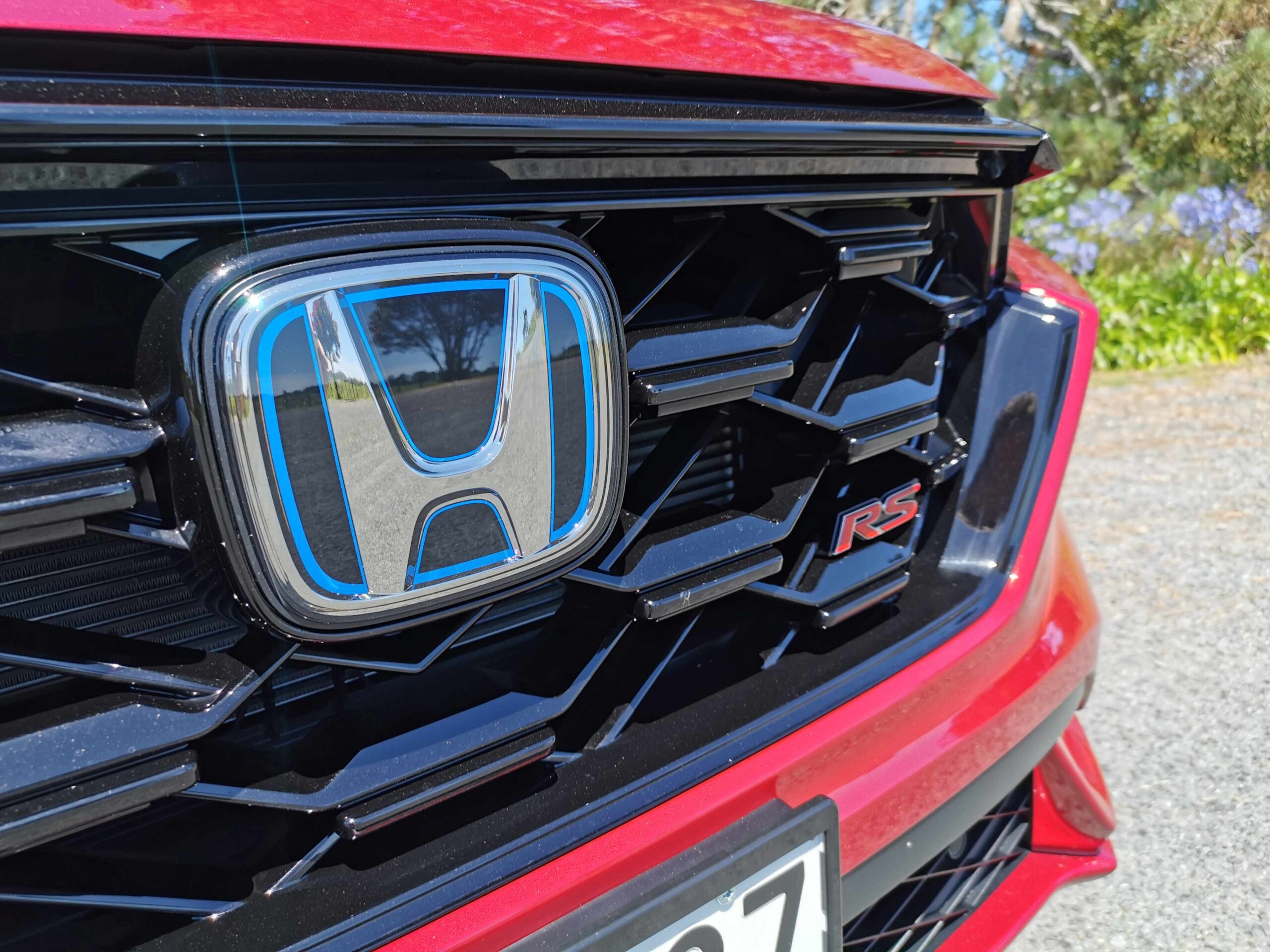
The discussions reportedly centre around the formation of a holding company that would oversee the operations of both Honda and Nissan. A memorandum of understanding is expected to be signed soon, signaling the start of comprehensive negotiations. Details such as the ownership stakes of Honda and Nissan in the new entity, as well as key leadership roles, will be ironed out as talks progress.
If successful, the merger will mark one of the largest Japanese corporate consolidations in recent history, potentially laying the groundwork for a broader alliance that could eventually include Mitsubishi Motors, with whom Nissan already has a strategic relationship via the Renault-Nissan-Mitsubishi Alliance.
The global automobile market is at a critical juncture. Legacy automakers are racing to catch up with Tesla, whose innovative EV lineup and first-mover advantage have set a high bar for the competition. Meanwhile, Chinese EV manufacturers such as BYD and Nio, armed with government support and advanced technologies, are rapidly gaining market share, particularly in Asia, Europe, and other key markets.
Honda and Nissan have both arguably struggled individually to remain competitive. While Honda has made strong advancements in hybrid and hydrogen fuel cell technology, it has lagged in fully electric vehicles. Meanwhile, Nissan, which pioneered the mass-market EV segment with the Leaf, has lost ground in recent years amid financial difficulties and lingering reputational issues following the Carlos Ghosn scandal.
By uniting, the two companies hope to share the costs of EV development, autonomous driving technology, and global production networks, while leveraging each other’s strengths.
An alliance between Honda and Nissan would allow the automakers to focus on several critical areas, including: Electric Vehicle Platforms: Both companies would jointly develop EV platforms to reduce production costs and streamline the rollout of new models. Autonomous Driving: Pooling expertise in self-driving technologies is expected to give the merged entity a competitive edge in developing advanced driver-assistance and autonomous systems. Global Presence: The merger would allow for a stronger footprint in critical markets such as North America, China, and Europe, where infrastructure for EVs is expanding rapidly.
“This collaboration reflects the changing realities of the automotive market. Survival today demands bold moves, and this proposed merger is just that,” said an industry observer. “Honda brings its technological prowess, while Nissan contributes its global networking and history in the EV space. Together, they stand a better chance of competing with their global rivals.”
“The content of the reports that Honda, Nissan and MMC are considering a business integration is not based on an announcement from our company. As announced in March and August of this year, Nissan, Honda, and MMC are considering various possibilities for future collaboration including the content of the report, but no decisions have been made. If there are any updates, we will inform all stakeholders at the appropriate time,” says Emily Fadeyev as general manager of corporate communications for Nissan Oceania.
An eventual three-way partnership with Mitsubishi Motors could further boost the merged entity’s capabilities. Nissan already owns a controlling stake in Mitsubishi as part of its Renault-Nissan-Mitsubishi Alliance, making a broader collaboration a natural progression. Mitsubishi’s expertise in plug-in hybrids and compact vehicles may complement Honda and Nissan’s strengths, creating a more robust portfolio capable of competing across segments and regions.
While the potential benefits are significant, there are also considerable challenges. Aligning the operations, corporate cultures, and leadership of two automakers with distinct histories and strategies will require careful negotiation. Moreover, both Honda and Nissan will need to contend with potential scrutiny from regulators in key markets who may view the merger as a consolidation that reduces competition.
The companies will also face investor pressure to demonstrate that the merger can deliver the promised synergies and improved financial performance, particularly as automotive partnerships have historically been fraught with difficulties, including mismatched goals and internal power struggles.
For decades, Honda and Nissan have been recognized as pillars of Japan’s strong automotive industry. However, this announcement reflects the economic and technological challenges currently facing even the most established players in the field. Merging their operations signals a shift toward unprecedented collaboration within Japan’s automotive sector, a trend that was previously characterised more by rivalry than cooperation.
The merger negotiations between Honda and Nissan will be closely watched by stakeholders across the industry. If successful, the partnership could serve as a blueprint for consolidation among other automakers, many of whom are likely to face similar pressures in the years to come.