
When most people think about a car, they picture the shiny bits first. The horsepower figure. The touchscreen. The leather seats. Maybe the giant wheels that make supermarket parking a high-stakes game of roulette. But beneath all of that glamour sits the single most important part of any vehicle: the chassis.
It’s the skeleton, nervous system and backbone of the car all rolled into one. And creating a good one is brutally difficult, staggeringly expensive and often the difference between a car people love and one they merely tolerate.
In many ways, the chassis is where engineering dreams go to fight physics.
What actually is a chassis?
At its simplest, the chassis is the structural foundation of a vehicle. It’s the platform everything attaches to, suspension, steering, brakes, seats, battery packs, drivetrain, body panels and safety systems.
Think of it like building a house. You can have expensive furniture, giant TVs and fancy kitchens, but if the foundations are weak, crooked or unstable, the whole thing feels wrong. Cars are exactly the same.
A brilliant engine can’t save a bad chassis. Nor can a massive battery or clever software. The chassis determines, How a car rides. How it corners. How safe it is. How quiet it feels. How solid it feels over bumps. How stable it is at speed. How much vibration reaches the cabin. How much weight the car carries. How efficiently energy moves through the vehicle.
It influences almost everything you experience behind the wheel (no pressure then) even if you never actually see it.
The impossible balancing act
The reason chassis engineering is so difficult is because manufacturers are trying to achieve dozens of conflicting goals at once. A modern chassis needs to be, extremely strong, extremely light, cheap to manufacture, easy to repair, safe in crashes, comfortable, sporty, quiet, durable for decades, able to survive terrible roads, efficient for fuel economy or EV range, flexible enough for multiple body styles. Essentially, an engineering nightmare.
Now add government crash regulations from dozens of countries, consumer expectations, electric vehicle packaging requirements and manufacturing costs, and suddenly the task becomes absurdly complicated.
Added to this, a sports car chassis and an SUV chassis want completely different things. A luxury sedan wants softness and silence. An off-roader wants strength and wheel articulation. An EV wants a flat floor and battery protection.
Yet many manufacturers try to build all of them from the same platform because creating separate chassis architectures costs billions. That’s where things get properly difficult.
Tiny mistakes become giant problems
One of the hardest parts of chassis development is that small engineering decisions create massive knock-on effects. Move a suspension mounting point by a few millimetres and suddenly, steering feel changes, tyre wear changes, ride comfort changes, crash performance changes, cabin vibration changes.
Automotive engineers obsess over details most people would never notice consciously, because drivers absolutely feel them subconsciously. That solid “thunk” when a premium car door closes? Chassis rigidity helps create that. That unsettling wobble over rough roads in a cheap car? Often chassis flex. That confidence you feel driving a well-engineered vehicle at highway speeds? Again, chassis tuning.
It’s invisible engineering, which somehow makes it even harder. Customers may never compliment a chassis directly, but they instantly notice when it’s bad.
Crash safety changes everything
Modern cars are essentially giant rolling safety cells. Designing a chassis today isn’t just about handling anymore, it’s about controlled destruction.
Engineers must create structures that, absorb crash energy progressively, protect occupants, protect battery systems in EVs, manage side impacts, survive rollover accidents and work with airbags and seatbelts perfectly. And all of that has to happen in milliseconds during a crash.
The front of the car needs to crumple in a carefully controlled way while the passenger cell stays rigid. Too soft and occupants are vulnerable. Too stiff and the crash forces transfer directly into people.
Getting that balance right requires advanced materials, computer simulations, destructive crash testing, prototype development – so, enormous research teams. Manufacturers crash hundreds (sometimes thousands) of development vehicles before a car ever reaches a showroom.
Which brings us neatly to the next painful reality.
It costs a fortune
Developing a brand-new chassis platform is one of the most expensive things a car company can do. Not millions. Billions. A modern global vehicle platform often costs anywhere from NZ$2 billion to NZ$10 billion+ once engineering, tooling, testing and factory changes are included.
Why so much?
Because manufacturers aren’t just building one car. They’re creating an entire ecosystem. A single platform might underpin, hatchbacks, SUVs, sedans, EVs, hybrids, performance models, luxury variants, and every version must work properly.
Then come the factories. Gigantic stamping machines press steel panels with insane precision. Robotic welding systems need reprogramming. Supply chains change. Battery integration changes. Crash structures evolve.
Even the paint shop can require modifications depending on materials used. It’s industrial-scale surgery.
Materials are now incredibly complicated
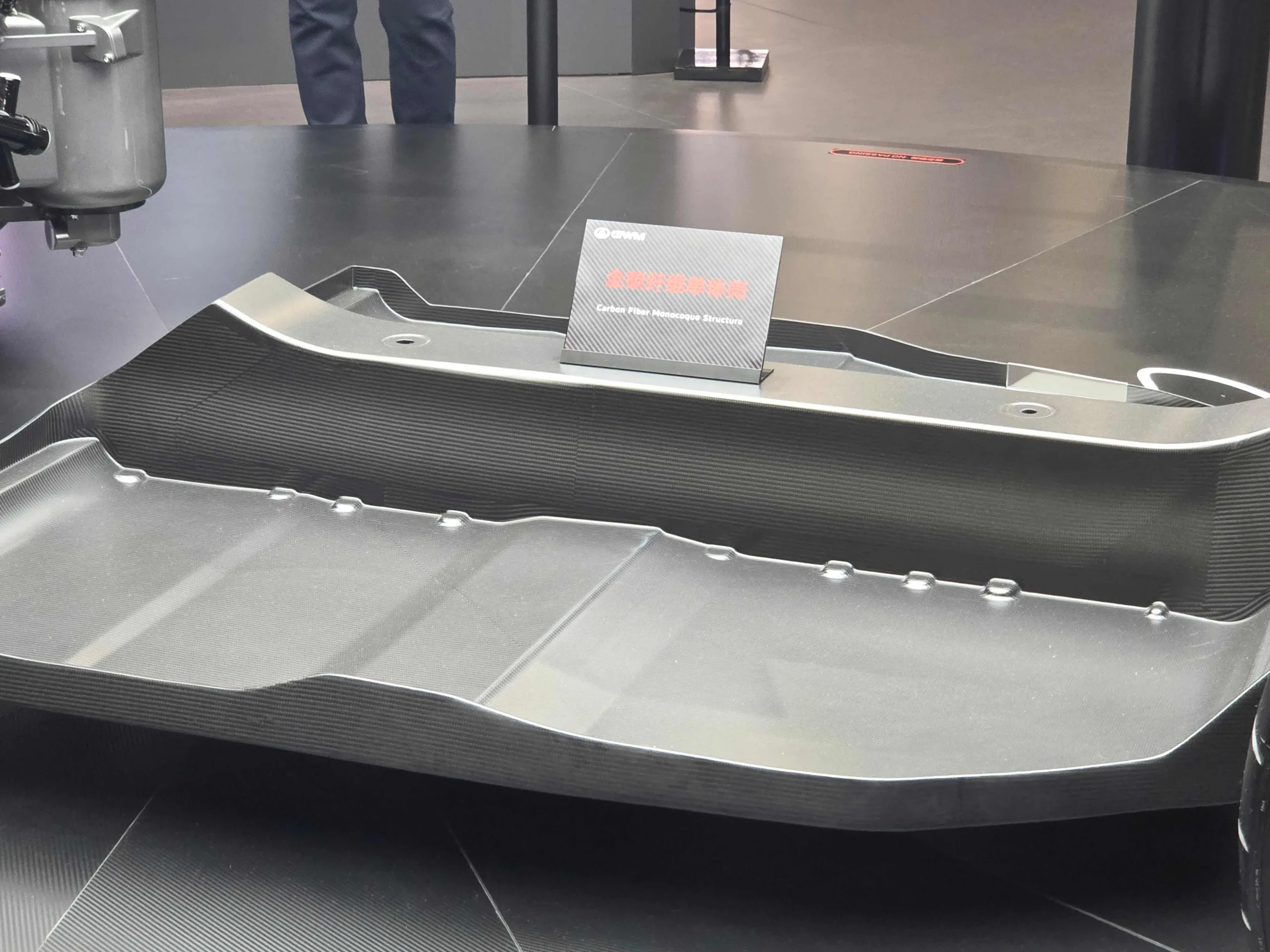
Old cars used a lot of straightforward steel. Modern vehicles use ultra-high-strength steel, aluminium, magnesium, composites, structural adhesives and carbon fibre in some cases. Each material behaves differently in crashes, under stress and during manufacturing.
Aluminium is light but expensive. High-strength steel is strong but difficult to shape. Carbon fibre is incredibly stiff but wildly costly. Even joining different materials together is hard because they expand and flex differently under heat and stress.
That’s before we mention EV batteries, which have become structural elements themselves.
EVs made chassis engineering even harder
Electric vehicles completely changed chassis design. Instead of a compact fuel tank and engine, EVs carry massive battery packs weighing hundreds of kilograms. Manufacturers now have to protect batteries from impacts, integrate cooling systems, maintain rigidity, control weight, preserve cabin space (and above all?), stop the car feeling like a giant heavy brick.
A poorly engineered EV chassis feels immediately obvious. The car can feel clumsy, heavy and disconnected. A good one disguises all that mass and feels surprisingly agile.
That’s why companies like , and invest so heavily in dedicated EV platforms rather than simply converting petrol cars.
The world’s best chassis engineers are treated like rock stars
Within the auto industry, elite chassis engineers are revered. Because genuinely great chassis tuning is rare. It’s why some manufacturers consistently produce cars that feel alive and engaging, while others build vehicles that simply transport people competently.
Brands have built entire reputations on chassis feel and balance despite not always having the biggest engines or most advanced technology. Meanwhile, companies with massive budgets still occasionally release cars that feel awkward dynamically.
Money helps. Talent matters more.
Why some new car brands struggle
This is also why building a car company from scratch is so difficult. Many startups can source batteries, screens and electric motors relatively easily now. Suppliers exist for all of that. But creating a world-class chassis? That takes decades of expertise.
It’s one reason established manufacturers still possess enormous advantages despite the EV revolution. A car isn’t just software on wheels, it’s physics, metallurgy, crash science, manufacturing and suspension tuning all colliding at once.
And the chassis sits right at the centre of that storm.
The hidden masterpiece
The irony is that the best chassis are often invisible. Drivers (and us reviewers) simply describe the car as planted, comfortable, confidence inspiring, refined, sporty, premium, they (we) don’t usually say, “What magnificent torsional rigidity.” But that’s exactly what they’re experiencing.
A truly great chassis disappears beneath the driver, quietly making everything feel natural, predictable and effortless. Which is precisely why car companies spend billions chasing perfection, even though most customers never realise how much engineering sits underneath their seats.
Because when a chassis is right, the whole car feels right. And when it isn’t, no amount of giant touchscreens or ambient lighting can save it.