Citroën used the 2026 Paris Motor Show to reveal the 2 CV Concept, a small, light electric car that previews a production model due by 2028 with a target starting price of around €15,000.
Can a car that is shorter than the original 2 CV win buyers back from ever-bigger crossovers? Citroën wants to find out. The brand has revealed the 2 CV Concept at the 2026 Paris Motor Show, and it is more than a styling exercise.
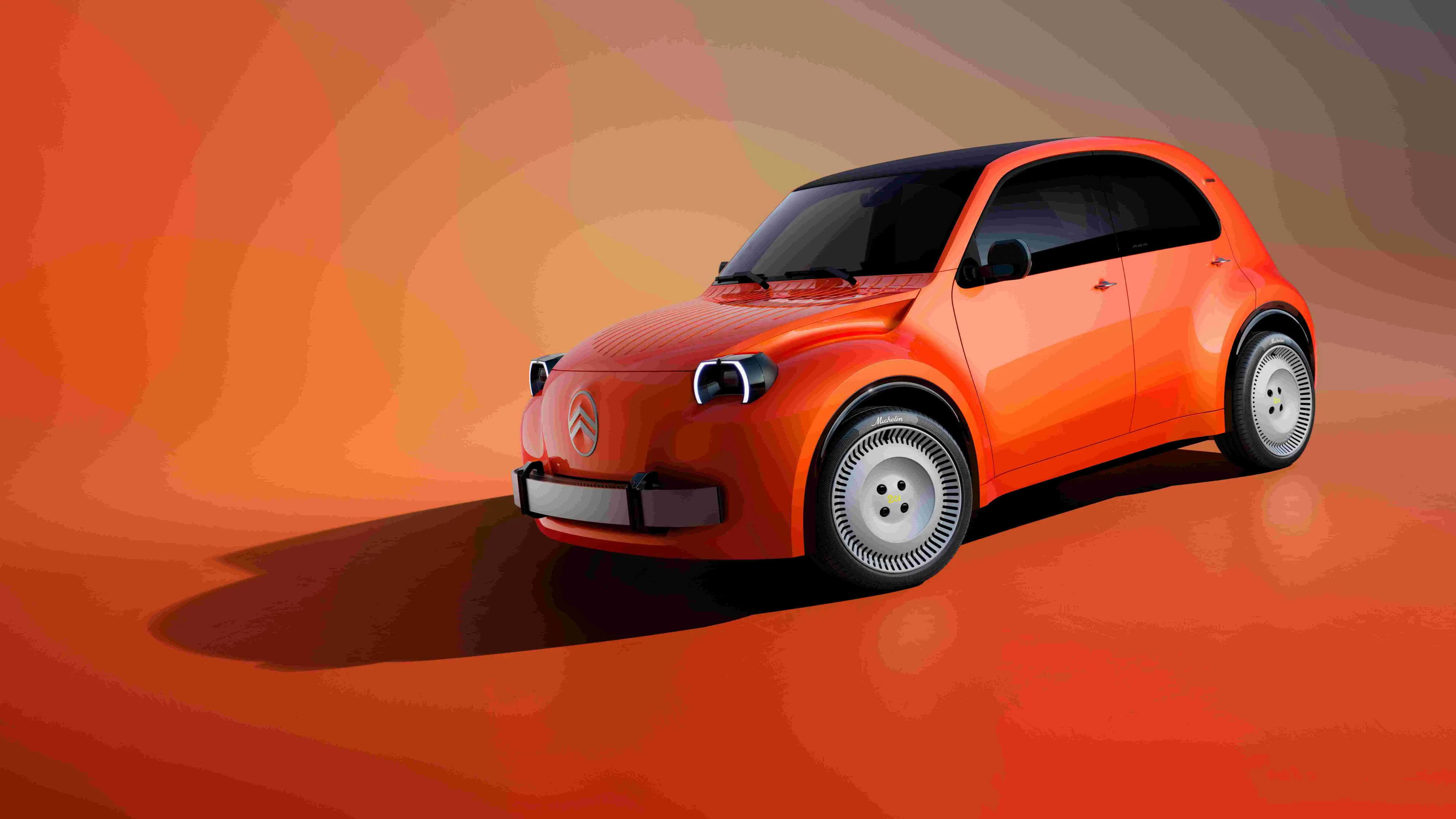
Citroën says the concept previews a model it will unveil within the next two years. The car will be built in Europe, with a target starting price of around €15,000. It is also designed to meet Europe’s upcoming E-Car regulations.
Small Car, Small Price
The concept measures 3.76 metres long, so it is shorter than the 1948 original. Citroën calls this a deliberate choice, aimed at easier parking and the agility of a proper small car. In the range it would sit between the Ami quadricycle and the C3.
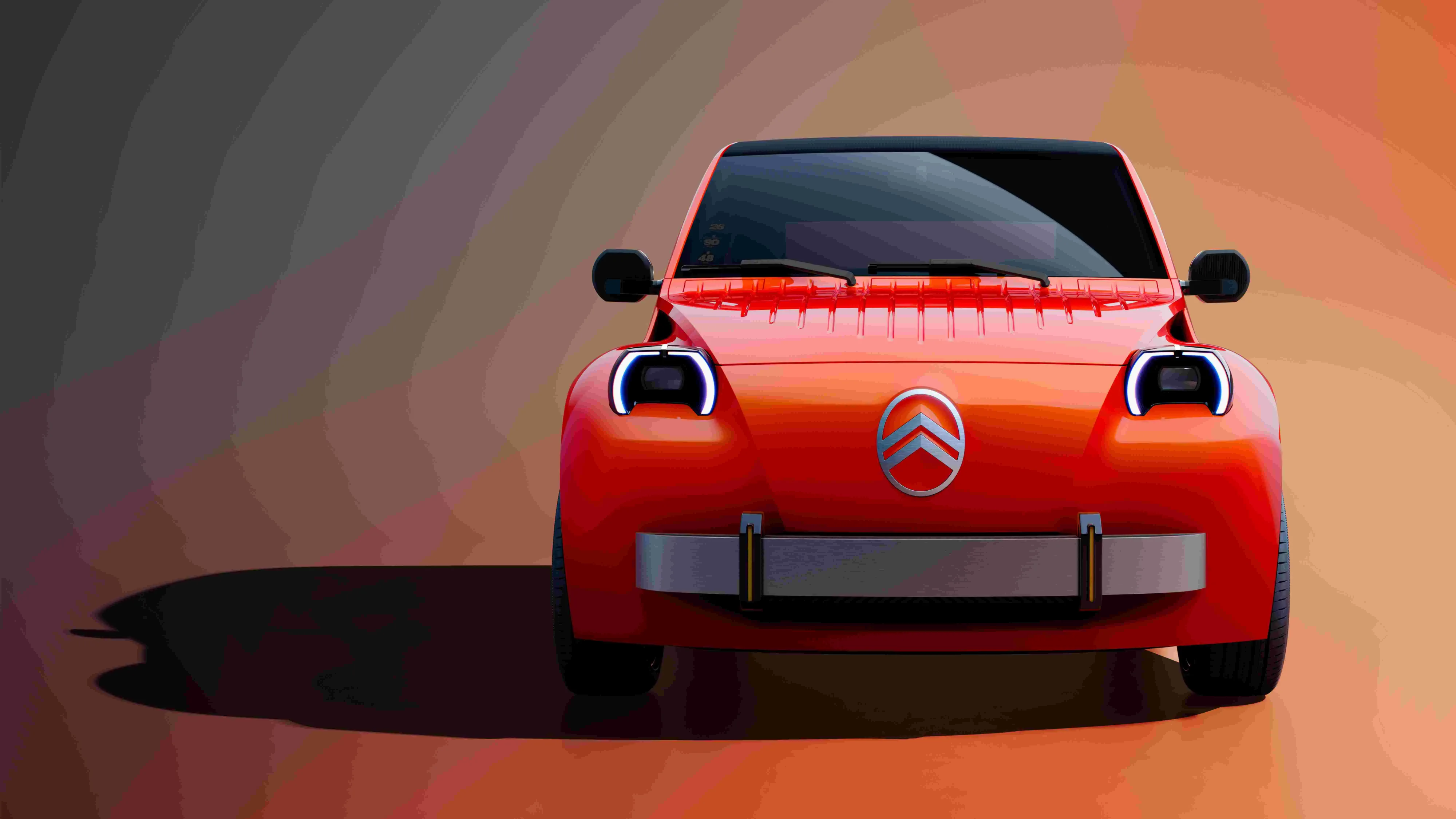
Weight is the other key number. Citroën is aiming for about one tonne, which allows a smaller and cheaper battery. However, the brand has not yet given range, battery capacity or power figures. It promises only a range “tailored for everyday use”, so buyers will have to wait for the hard numbers.
Repairs got some thought too. The bumpers are separate from the bodywork and can be replaced on their own. Flat surfaces are meant to make mass production simpler. Michelin has also contributed its “universal digital twin of the tyre”, a system that monitors tyre condition continuously and lets the car adjust its behaviour to suit conditions.
Familiar Shape, Tauter Lines
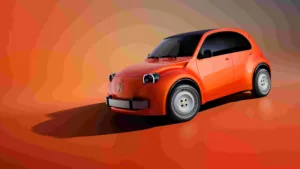
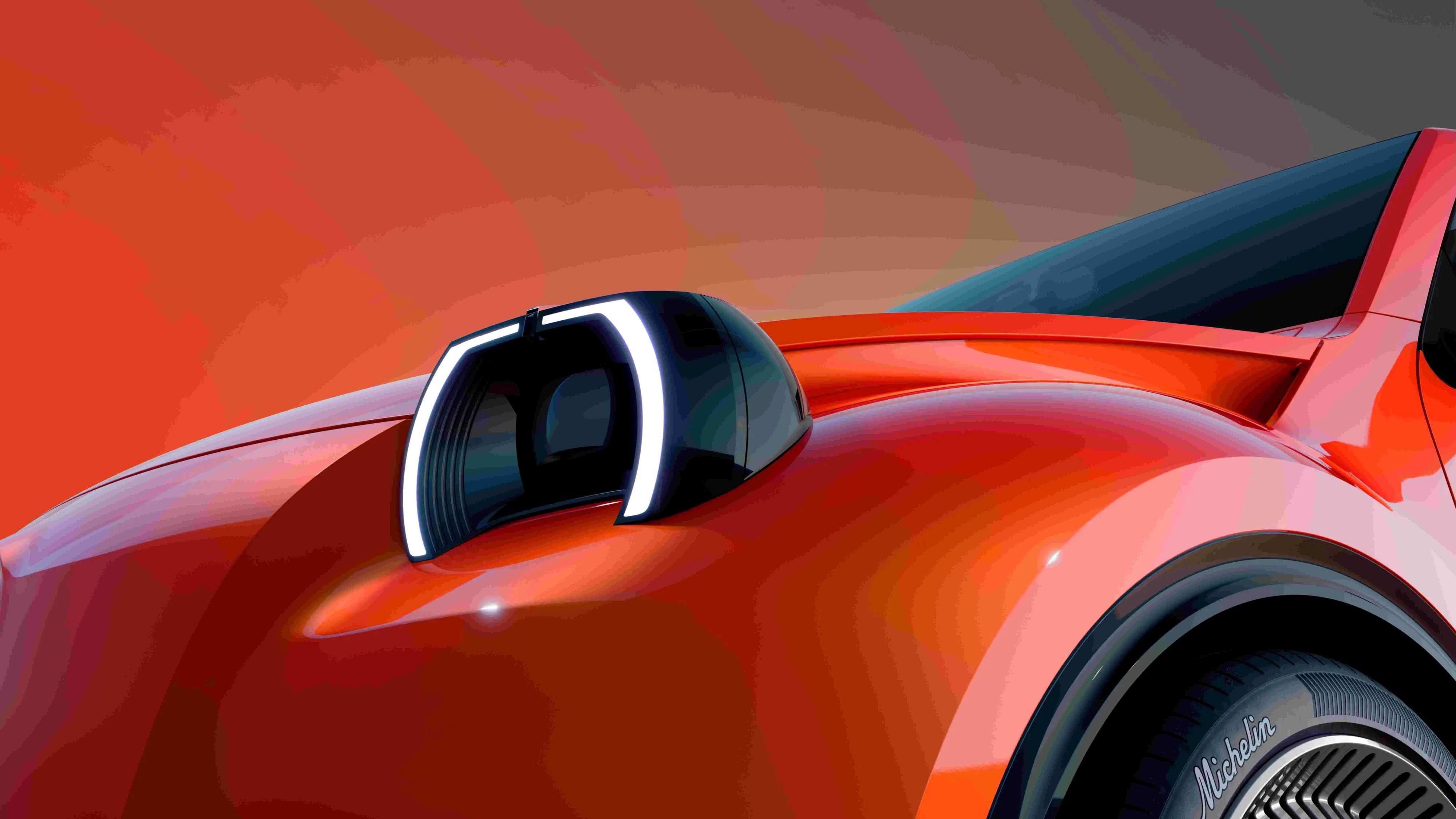
You can spot the silhouette from a distance. Round headlamps stand apart from the bodywork, the windscreen is vertical and the roofline is curved. The windscreen wipers are exposed. At the back, a black tailgate runs down to the bumper, as it did on the first-generation car.
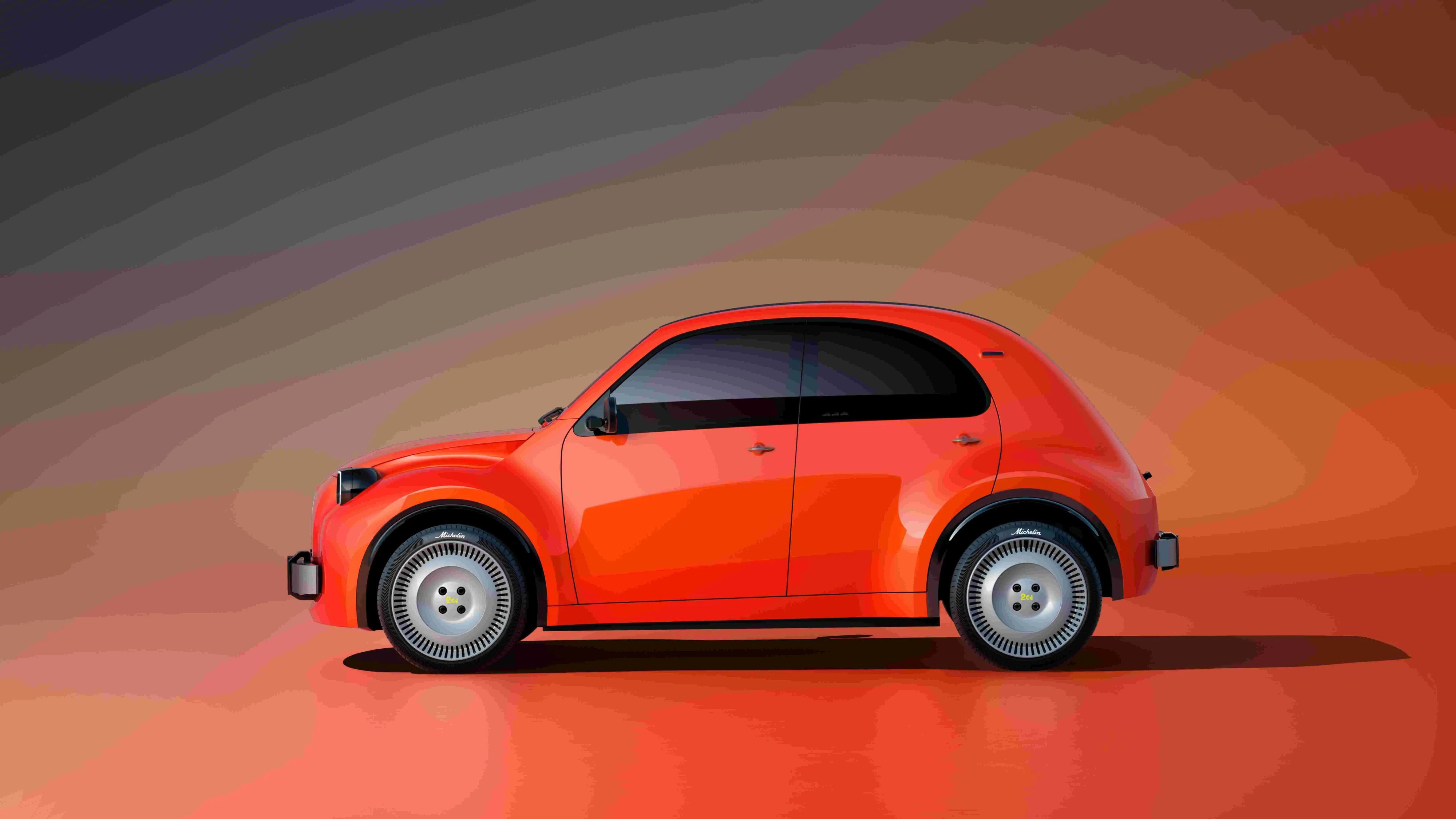
The 18-inch steel wheels take their cue from the original and carry yellow clips bearing the 2 CV name. The exterior is painted Infra Red, an orange base with yellow and red highlights.
A Cabin Without a Dashboard
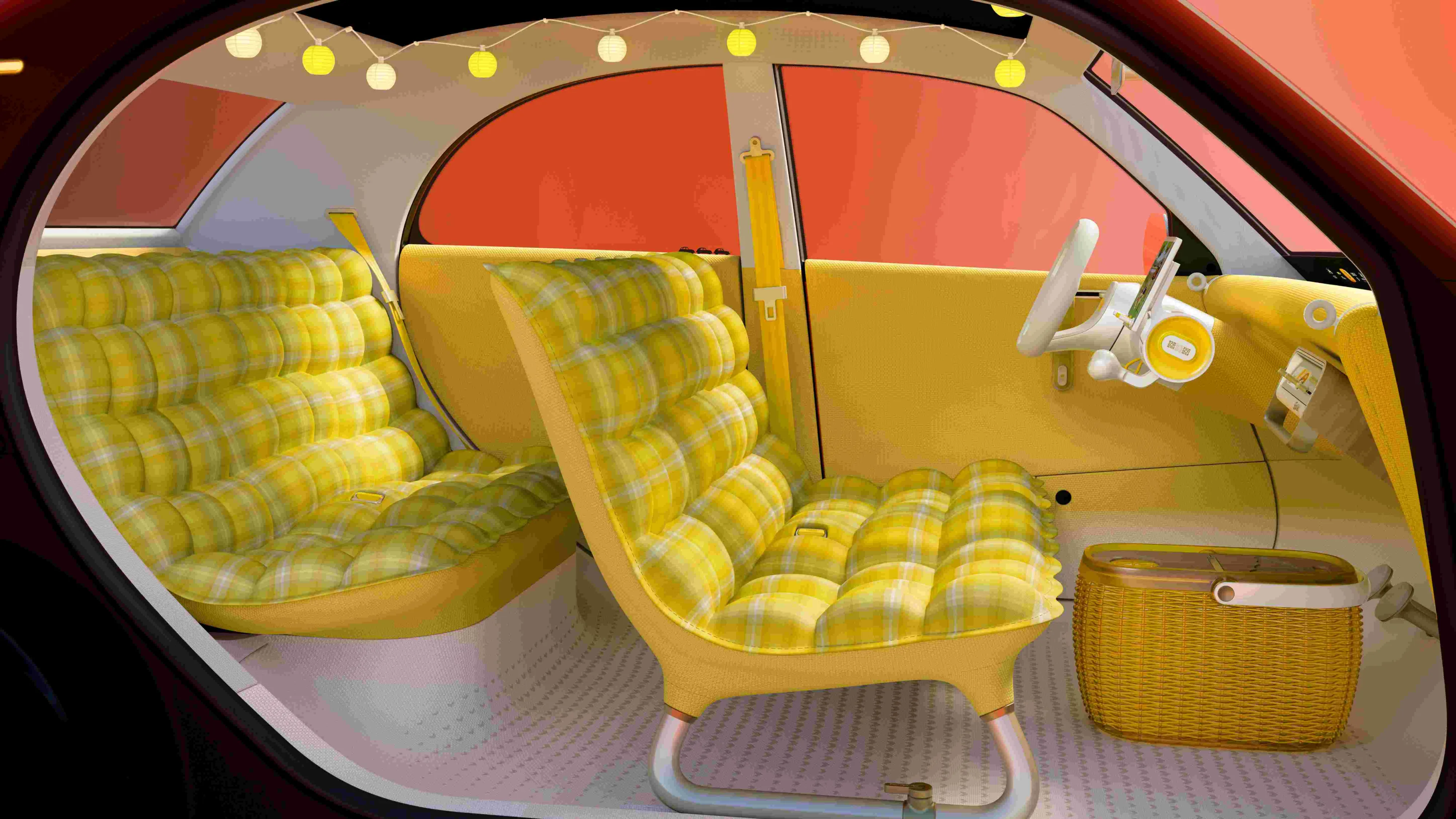
Inside, there is no conventional dashboard. Instead, a cylinder carries a single-spoke steering wheel, one control lever, a paddle gear selector and a head-up style display. Next to it is an 8-inch square touchscreen with graphics inspired by comic books.
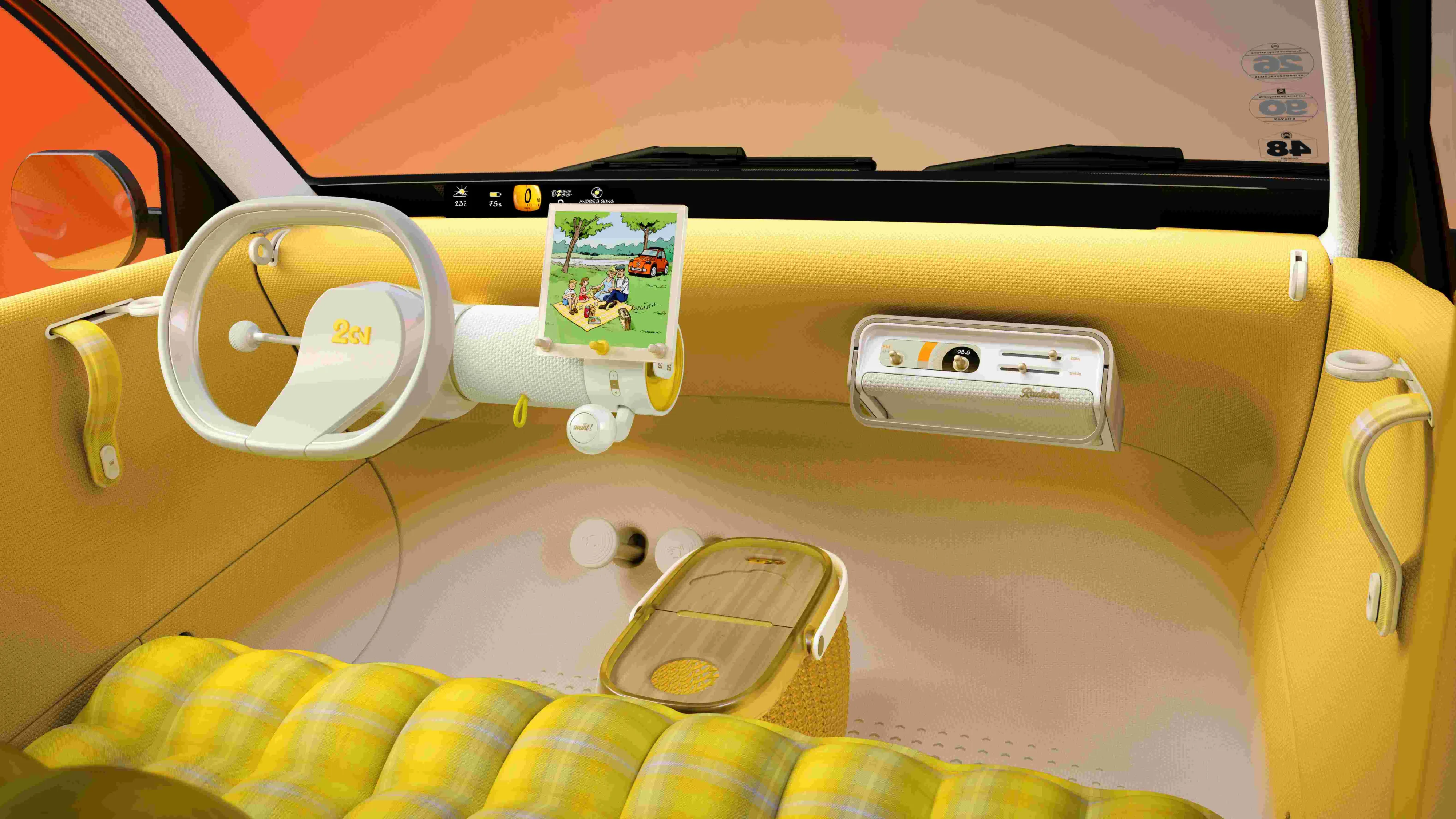
The practical touches are clever. A removable basket replaces the centre console, the door handles are fabric straps and one front seat pulls out. There is also a fabric sunroof. Then there is “Radioën”, a detachable radio that doubles as a portable speaker. Nice.
Plenty of Easter Eggs
Citroën has packed in nods to the original. The brake pedal shows a tortoise and the accelerator a rabbit. The door bins are designed to hold eggs, a reference to the original brief. The windscreen reads 48 / 90 / 26, marking the car’s launch, the end of production and this reveal. The horn and start-up sound also echo the old car.
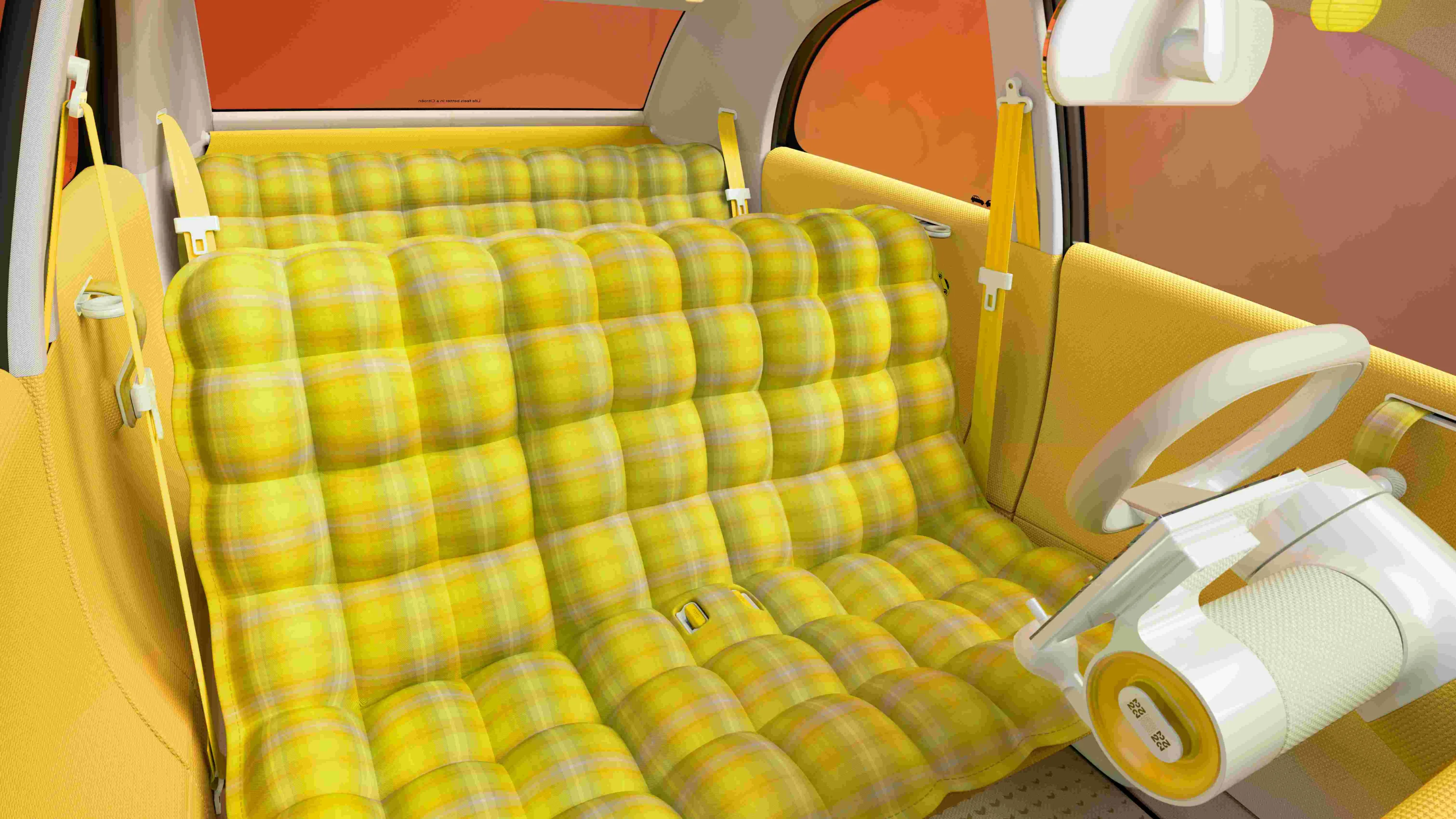
Charm is the easy part, though. The real test is whether Citroën can build a desirable European EV for around €15,000 while the rest of the market keeps getting bigger and dearer. If it succeeds, that price will matter more than the tartan seats.