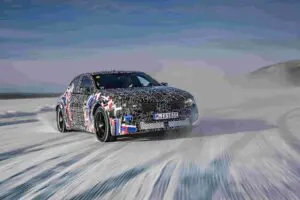
BMW is about to pull the covers off the iX3, the first vehicle from its revolutionary ‘Neue Klasse’. But this isn’t just a new model launch; it’s a fundamental shift in what it means to be the ‘Ultimate Driving Machine’. We take a look into what this radical new focus on sustainability means for the brand and for future owners.

For decades, the name BMW has been synonymous with finely-tuned combustion engines, rear-wheel-drive dynamics, and the sheer joy of driving. But the winds of change are blowing through Munich, and they’re blowing with the force of a category five hurricane. The German marque has just dropped details on the upcoming all-new iX3, and while it’s an electric SUV, the real story isn’t just about the batteries, it’s about a ground-up reinvention of the car itself. This iX3 is the vanguard of what BMW calls the “Neue Klasse” (New Class), a name that deliberately harks back to the game-changing sedans that saved the company in the 1960s. This time, the revolution isn’t about performance alone, but about a radical, holistic approach to sustainability that touches every single part of the car’s life.
From The Bottom Of The Ocean To Your Driveway
BMW is making some bold claims, aiming to prove that premium performance and planetary responsibility can coexist. The core of this new philosophy is a “circular economy” approach, focusing on reusing materials and minimising waste before the first wheel is even bolted on. The numbers are pretty staggering:
- Cleaner Batteries: The new Gen6 battery cells are made with 50% recycled cobalt, lithium, and nickel. The production process also harnesses renewable energy, cutting CO₂e emissions per watt-hour by 42% compared to the previous generation.
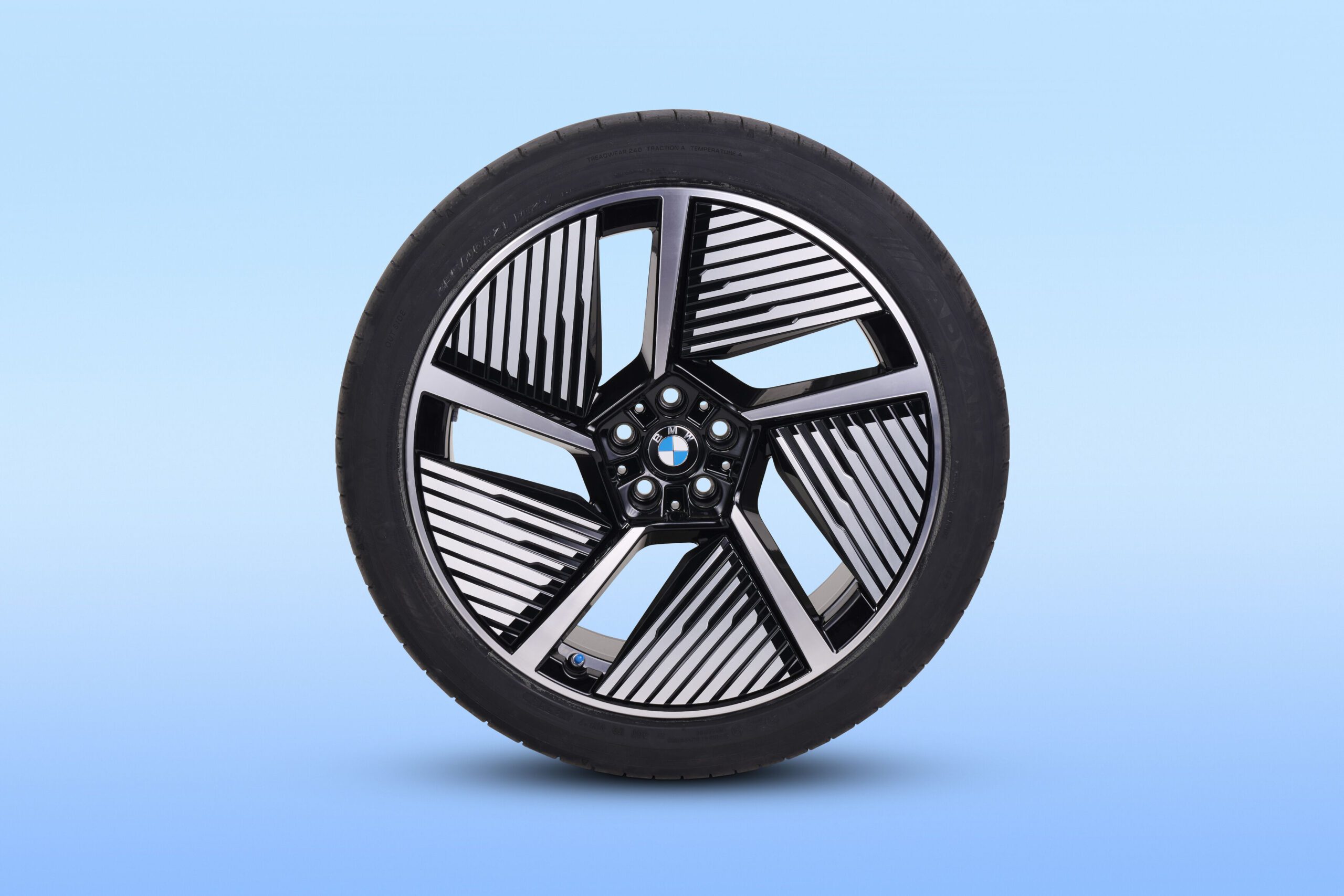
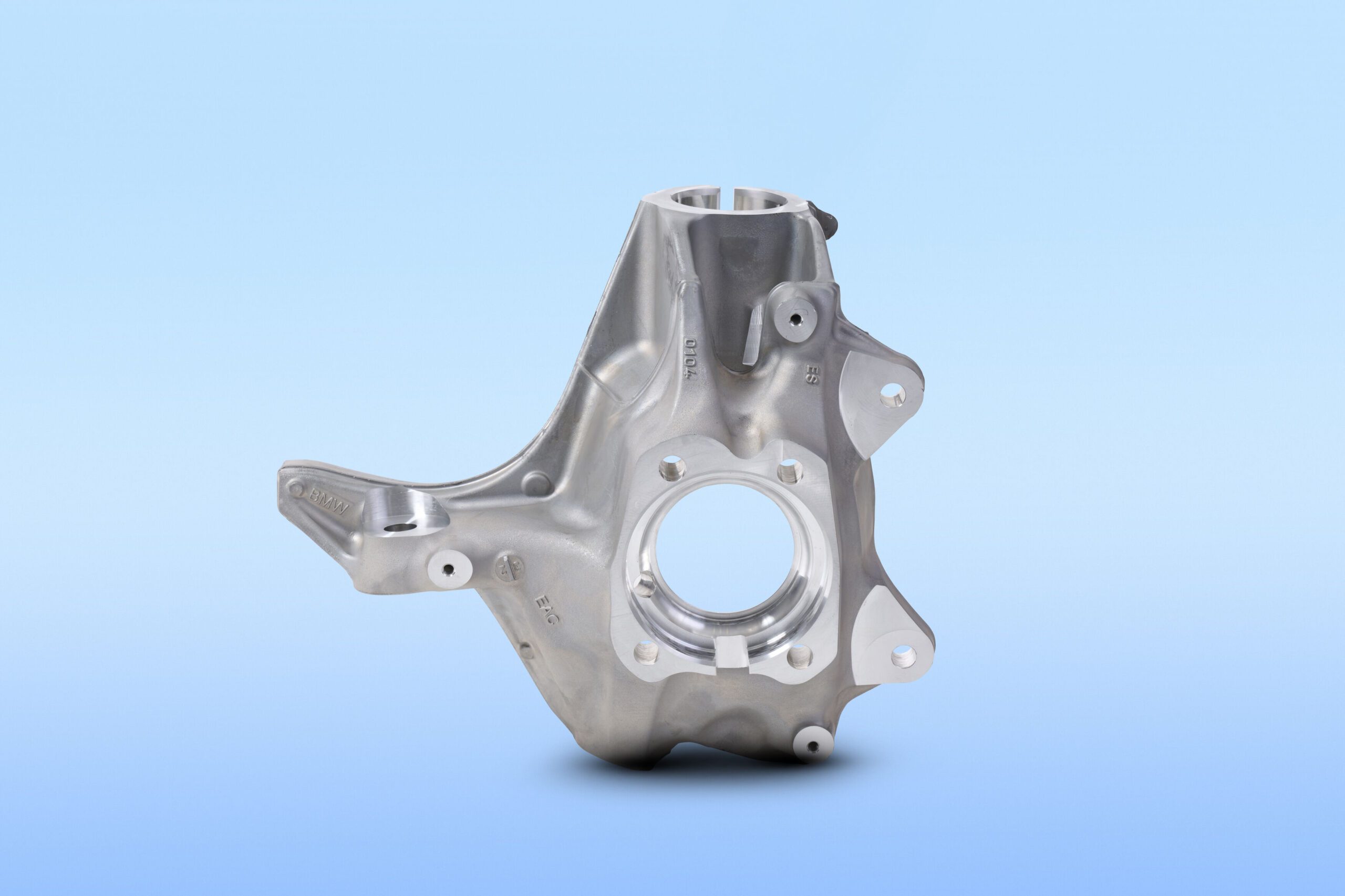
- Recycled Structure: Key chassis components like wheel carriers and swivel bearings are made from 80% secondary aluminium, while the cast aluminium wheels use 70%.
- Fishing Nets In Your ‘Frunk’: In a brilliant move, BMW is using recycled maritime plastic—literally old fishing nets and ropes that might otherwise pollute the ocean—for 30% of the material in components like the engine compartment cover.
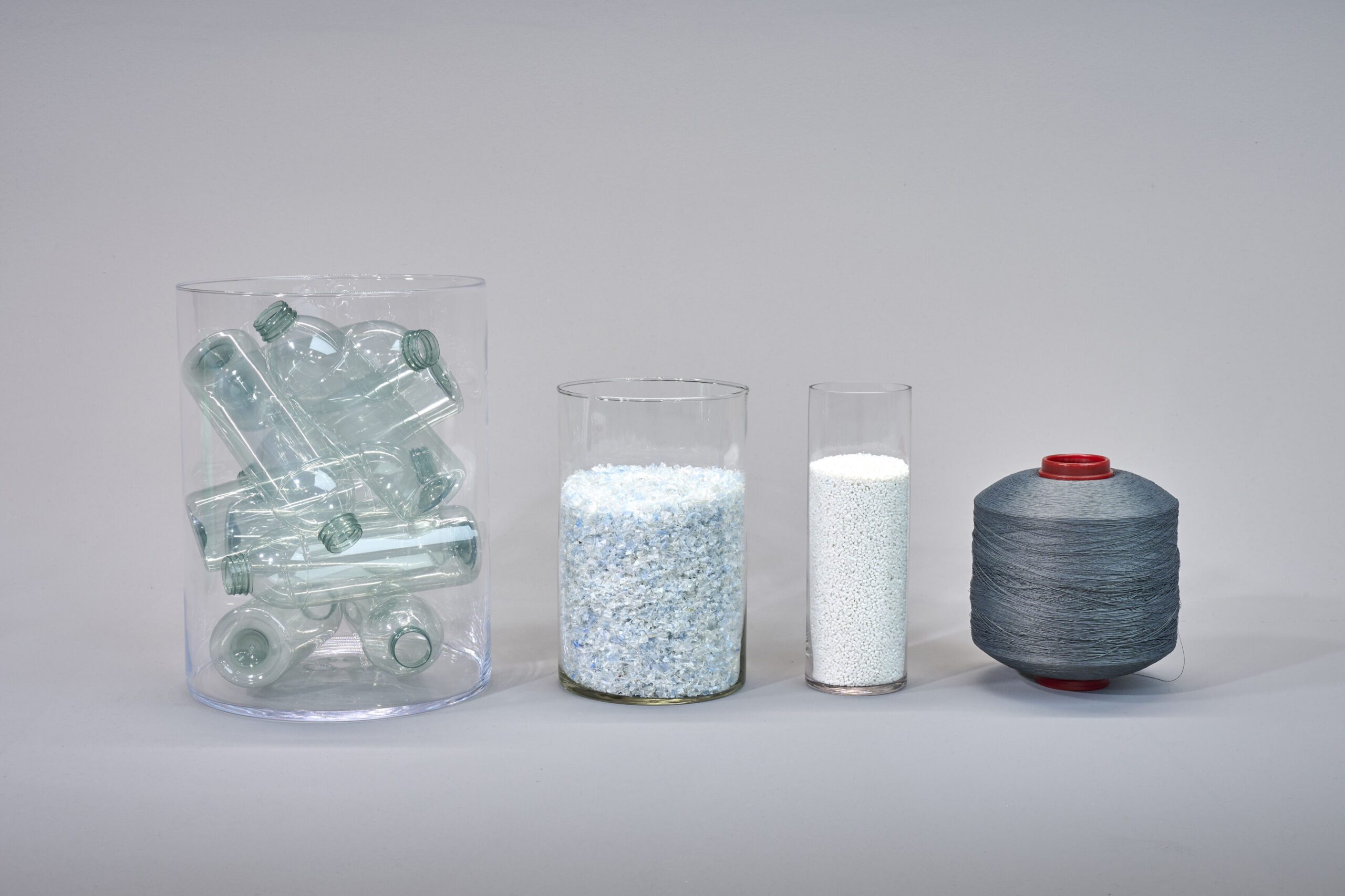
- One-Material Interiors: Inside, the “Econeer” seat covers are a mono-material design where the fabric, adhesive, and fleece are all made from PET, with the yarn itself being 100% recycled. This makes the entire assembly far easier to recycle at the end of its life.This focus extends to the factory itself. The new plant in Debrecen, Hungary, where the Neue Klasse will be built, is designed to operate completely without fossil fuels, using on-site solar and other renewable energy sources. This slashes the CO₂e emissions during production by about two-thirds compared to other BMW plants.
The Tipping Point: When Does An EV Actually Become Greener?
One of the biggest arguments against EVs has been the carbon footprint of their manufacturing process. BMW is tackling this head-on. Thanks to these extensive measures in the supply chain, they calculate that the new iX3 50 xDrive will have a lower overall CO₂e footprint than a comparable petrol-powered model after just 21,500 kilometres of driving on a typical European energy mix. If you’re charging it with renewable energy (like the majority of Kiwi households), that break-even point drops to a mere 17,500 kilometres. For the average Kiwi driver, that means you could be in carbon credit territory in as little as one year.
Tarmac Life’s Take: What This Means for BMW and For You
So, what’s BMW’s real intention here? This is more than just a greenwashing exercise; it’s a strategic, and frankly necessary, move to future-proof the brand. BMW sees the writing on the wall with tightening global emissions regulations and a new generation of premium buyers who value a company’s ethos as much as its engineering. They are fundamentally redefining “premium” to include sustainability as a core pillar, not an optional extra.
For the Brand: This is a high-stakes play to leapfrog competitors in the sustainability race. By embedding circular economy principles so deeply into the Neue Klasse, BMW is betting that being the cleanest premium manufacturer will be as powerful a brand statement as being the “Ultimate Driving Machine” was for the last 50 years. It’s a move to capture the hearts and minds of a market that is increasingly climate-conscious.

For the Owner: What does this mean when you’re the one signing the cheque?
Guilt-Free Performance: You get the performance, tech, and prestige of a brand-new BMW, but with the genuine knowledge that its environmental impact (from cradle to grave) has been drastically reduced. The iX3 is also 20% more efficient than its predecessor, promising an “unparalleled combination of efficiency and dynamics”.
A Smarter Investment: This isn’t just about feeling good. As the world moves towards stricter environmental standards, vehicles built with this level of sustainability baked-in may hold their value better than their less-green contemporaries. You’re buying into the future, not a relic of the past.
The New Definition of Luxury: The luxury of the future won’t just be about leather and horsepower. It will be about clever design, responsible material sourcing, and clean production. Driving a Neue Klasse vehicle will be a statement that you understand this shift.
The all-new iX3, set for its world premiere at the IAA Mobility show in Munich, is just the beginning.It’s the first shot in BMW’s new campaign, and it signals a profound change for one of the world’s most iconic car brands. The Ultimate Driving Machine is evolving, and it’s becoming the Ultimate Sustainable Driving Machine.