BMW M celebrates its one-millionth vehicle with an orange M3 as Munich prepares to build the fully electric BMW M3 and transition to all-electric production by 2027.
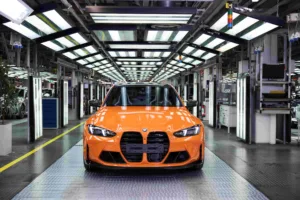
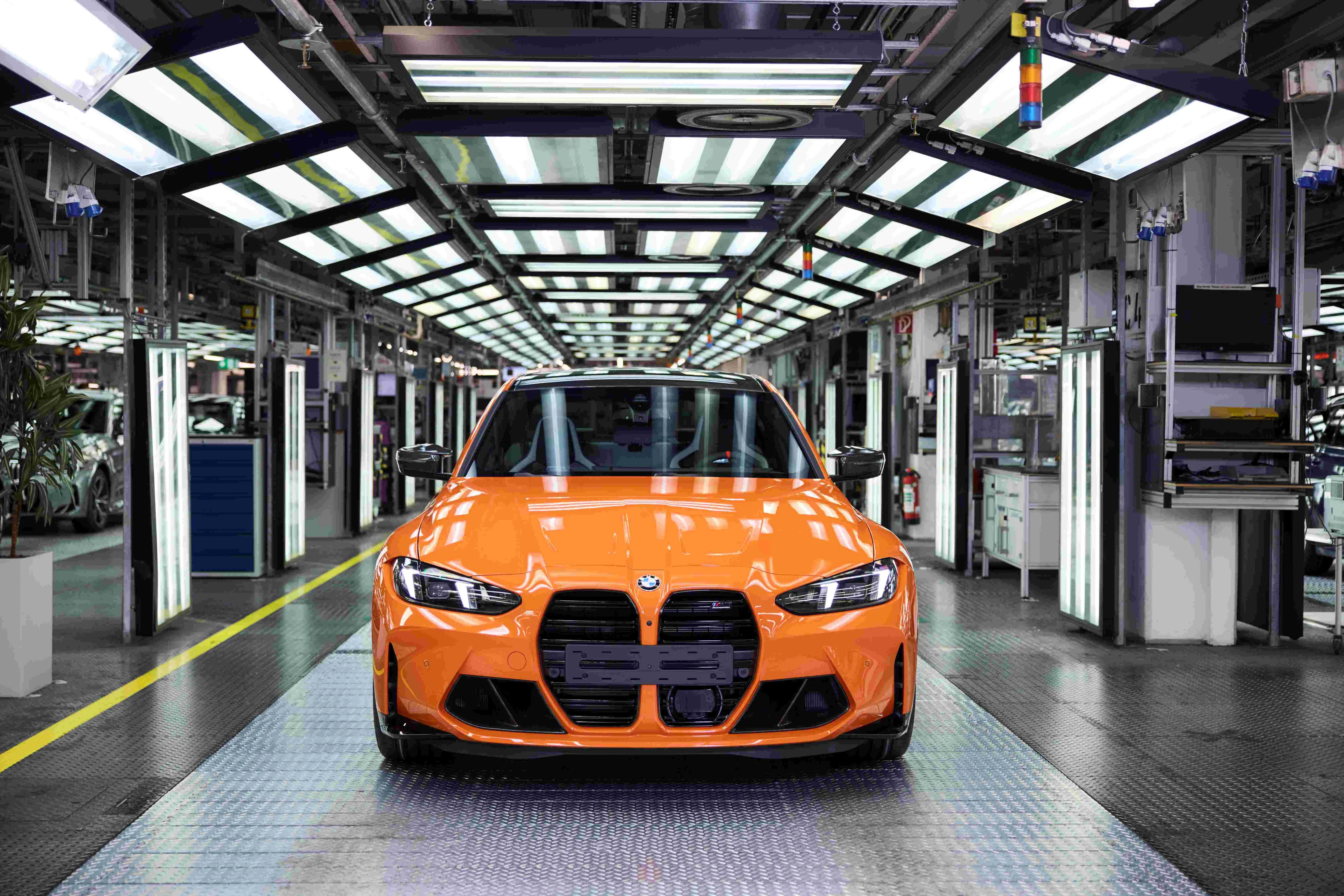
There are milestones, and then there are BMW M milestones. The German performance division has just built its one-millionth vehicle, and fittingly, it’s an M3, finished in a rather shouty shade of BMW Individual Fire Orange III.
Built at BMW Group Plant Munich, the landmark car celebrates more than 50 years of performance, motorsport-inspired engineering and cars that have managed to combine everyday usability with the sort of driving appeal that makes a trip to the supermarket feel suspiciously like a qualifying lap.
But this isn’t just a celebration of the past. While the millionth M car rolls into the history books, BMW is already preparing for its next big chapter: the fully electric BMW M3. And yes, you read that correctly. The M3 is going electric.
One million M cars – and the M3 remains the star
The milestone vehicle was officially presented by Peter Weber, head of BMW Group Plant Munich, to Franciscus van Meel, CEO of BMW M GmbH, during a ceremony at the factory.
It’s an achievement that reflects the enduring appeal of the M brand, which has spent decades building a reputation for performance cars that can tackle a racetrack on Sunday and the daily commute on Monday.
The BMW M3, in particular, has become one of the defining models in that story. With the first M3 arriving in 1986, the nameplate has spent 40 years evolving while retaining its core appeal: performance, precision and a practical side that means you don’t necessarily need a second car for everything else.
According to van Meel, the million-car milestone demonstrates that customers continue to value that blend of road and racetrack capability. For BMW M, the challenge now is to preserve those qualities while adapting to a rapidly changing automotive landscape.

The electric BMW M3 is coming
BMW’s next chapter will see Munich become the production home of the first fully electric BMW M3, which will use the brand’s Neue Klasse technology.
That makes the upcoming model more than just another addition to the M line-up. It’s a significant step in BMW’s attempt to translate its performance-car philosophy into the electric era.
The new electric M3 will be the second Neue Klasse model built at the Munich plant, following the fully electric BMW i3. BMW says the high-performance model will be manufactured exclusively at its main plant, strengthening the connection between the M3 and the factory that has produced the current generation since 2020.
For the people building these cars, there’s an obvious emotional connection. The M3 has been part of the Munich factory’s story for years, and its electric successor will carry that relationship into a very different automotive future.
Of course, an electric M3 has some rather large performance shoes to fill. The name carries decades of enthusiast expectations, and simply delivering instant acceleration won’t necessarily be enough. The real test will be whether BMW can retain the character, engagement and everyday usability that have helped make the M3 such an icon.
BMW has yet to detail the full specifications of the electric M3 in this announcement, so power outputs, range and other performance figures remain under wraps. For now, the promise is clear: BMW M intends to continue its high-performance story using the technology of its next-generation electric vehicles.
Munich’s combustion era is winding down
The electric M3 is part of a much bigger transformation happening at BMW’s historic Munich factory. From 2027, the plant will produce only fully electric vehicles, marking a major shift for a facility that has been building BMWs for more than a century.
Rather than simply bolt electric vehicle production onto its existing operations, BMW has been reshaping the site while production continues. The transformation includes a new body shop, a modern vehicle assembly operation and new logistics areas. These facilities occupy around a third of the plant’s total site area.
BMW is investing approximately €650 million in converting the Munich factory into an exclusively electric vehicle production facility. The goal is to combine modern manufacturing systems, increased digitalisation and closer collaboration with development teams and suppliers to deliver the next generation of BMW vehicles efficiently.
In other words, the future of BMW M won’t just depend on what happens in the engineering department. It will also be shaped by how the cars are designed, assembled and delivered from the factory floor.
Can electric power deliver the M experience?
That’s the question hanging over the future of performance-car brands everywhere. Electric power brings obvious advantages, including rapid torque delivery and the potential for formidable acceleration. But the M badge has never been about straight-line speed alone. Balance, control, driver involvement and the ability to make a car feel alive are all part of the package.
BMW says it intends to develop its high-performance portfolio around the Neue Klasse platform while remaining true to its core brand promise. The millionth M car is therefore both a celebration and a statement of intent. BMW isn’t abandoning its performance heritage; it’s preparing to reinterpret it for a new generation of vehicles.
Whether the electric M3 can win over traditional M-car fans will ultimately be decided on the road and track, not at a factory ceremony. Still, choosing an M3 to mark the million-car milestone feels entirely appropriate. It’s a model that has helped define BMW M, and its electric successor will be expected to help define what comes next.
One million down. A new era begins.
BMW M’s millionth vehicle is a reminder of just how far the performance division has travelled since its early days. From road-going machines with motorsport DNA to increasingly sophisticated modern performance cars, the M badge has built a following by delivering more than just numbers on a specification sheet.
Now, with Munich preparing to switch entirely to electric vehicle production from 2027, the next chapter is taking shape. The orange M3 may celebrate the past, but the electric M3 represents BMW’s ambitions for the future.
And for a brand whose identity has long been tied to the joy of driving, the million-dollar question isn’t whether an electric M3 can be quick. It’s whether it can still feel like an M3.