The last couple of years marked a stark shift in our automotive landscape, with an onslaught of new brands and vehicles finding their way to our shores. Out of most of them, Zeekr was one I was very eager to try out, with a curiosity driven by their mix of being a new player, but backed by extensive industry knowledge courtesy of being part of the Geely group. And my first foray with them was through their model X.
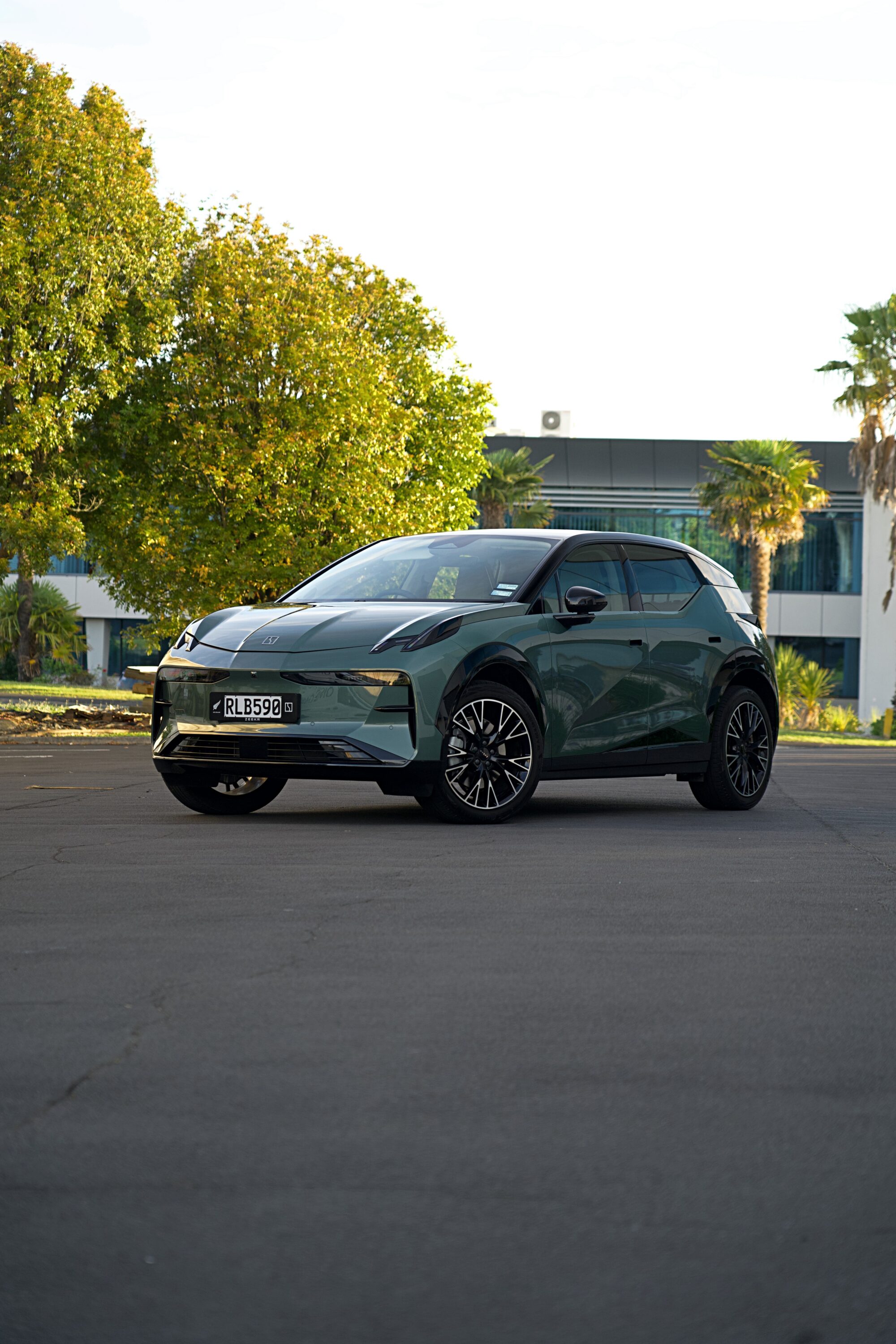
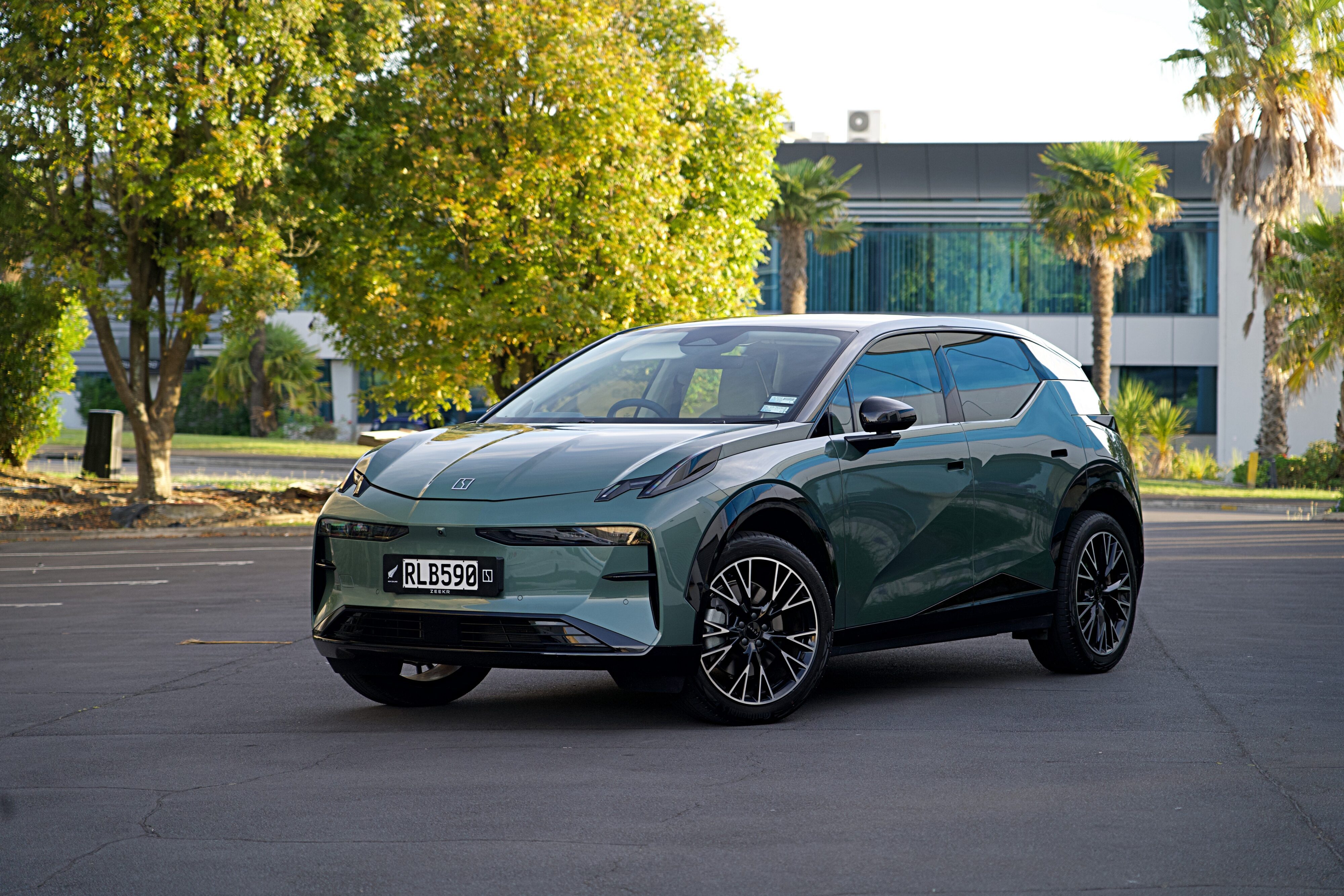
Notice the lowercase m in model, because while there is another electric SUV with a similar name, from a dude that also owns X itself, here we’re talking about something different. The Zeekr X is one of the more hatchback-y crossover SUVs out there, and the proportions play a big role in that. It sits squarely in the sweet spot of not trying to be something it isn’t, with enough presence to feel substantial, yet not feeling oversized or cumbersome. Zeekr is going with a “premium urban car” strategy here, and it works.
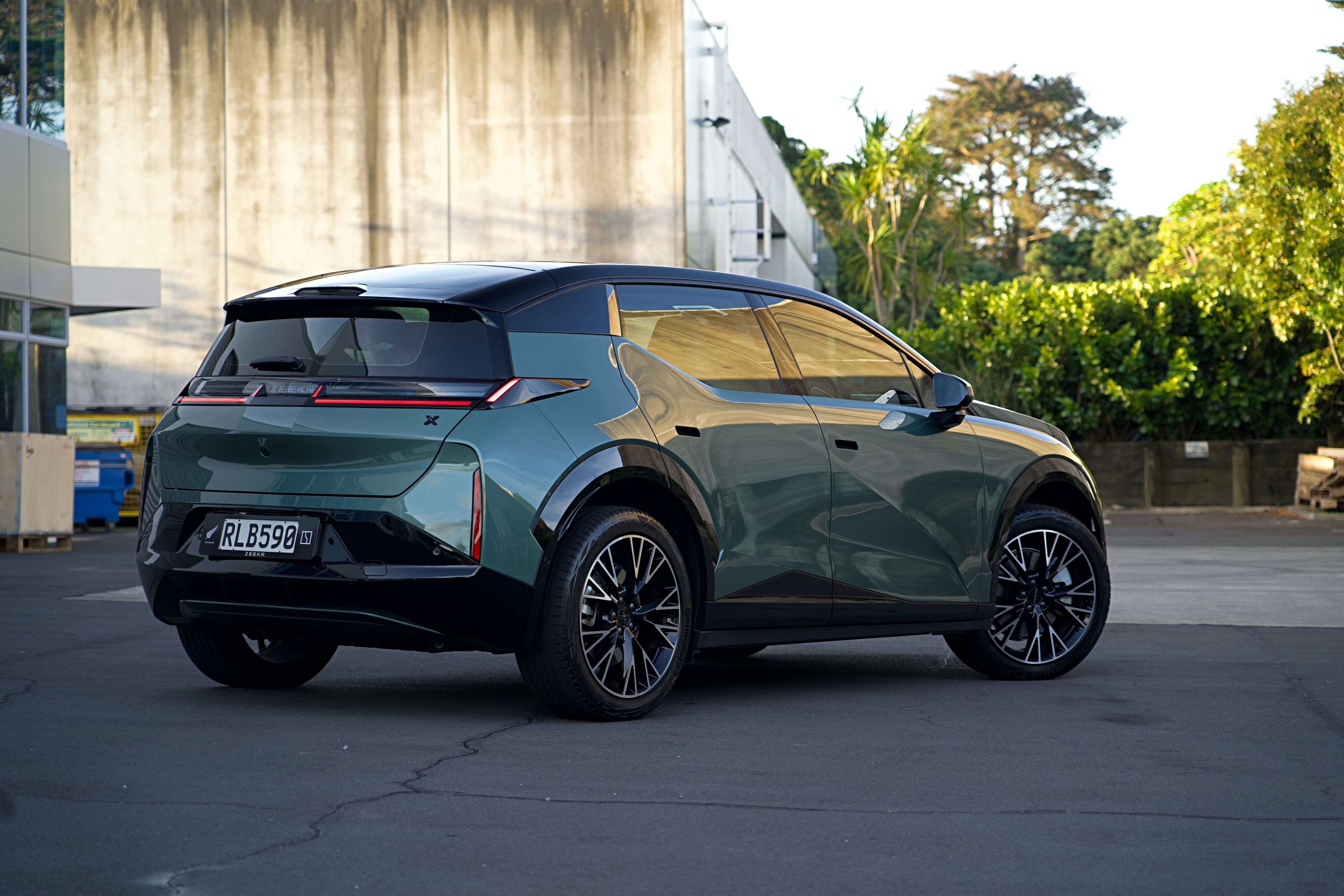
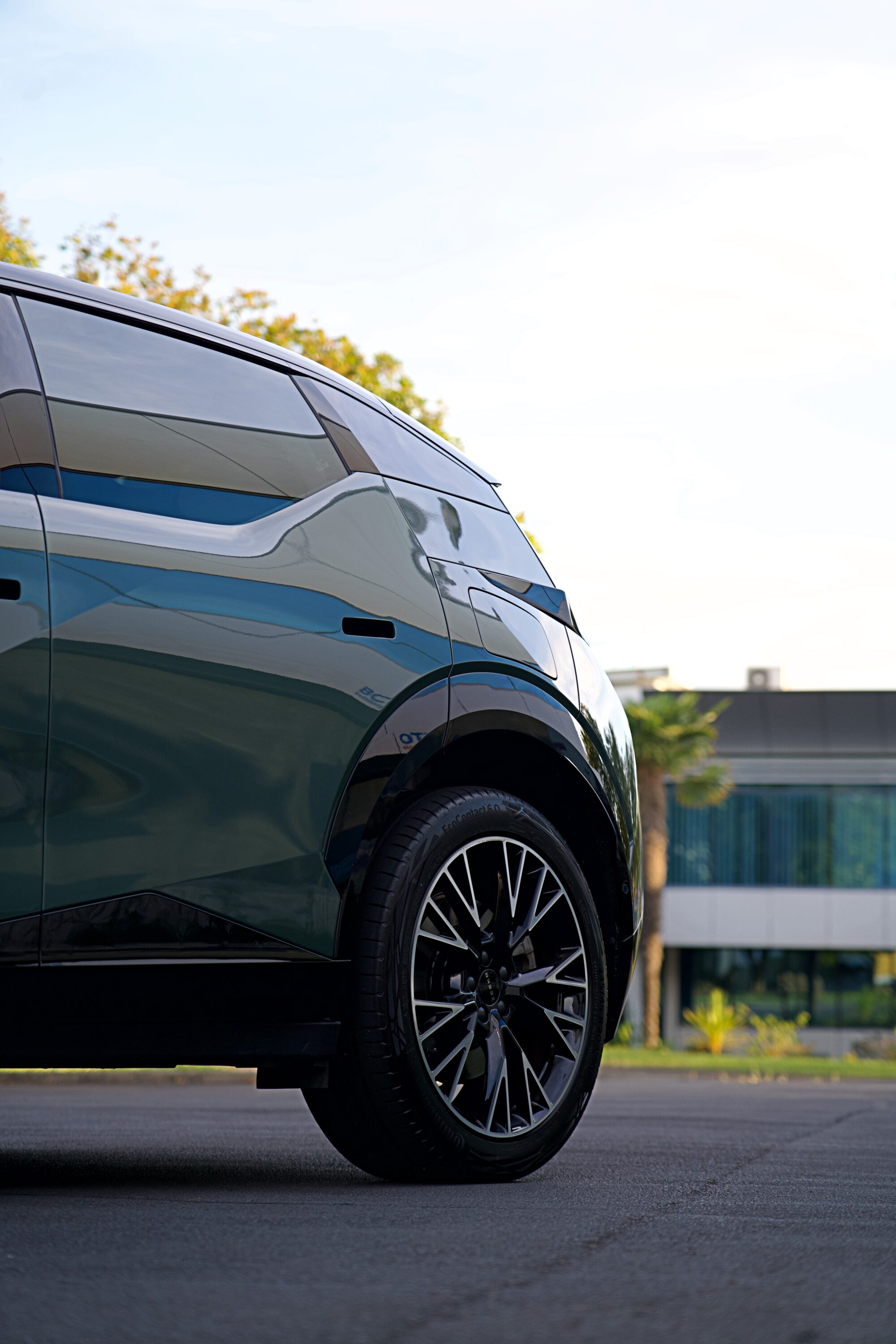
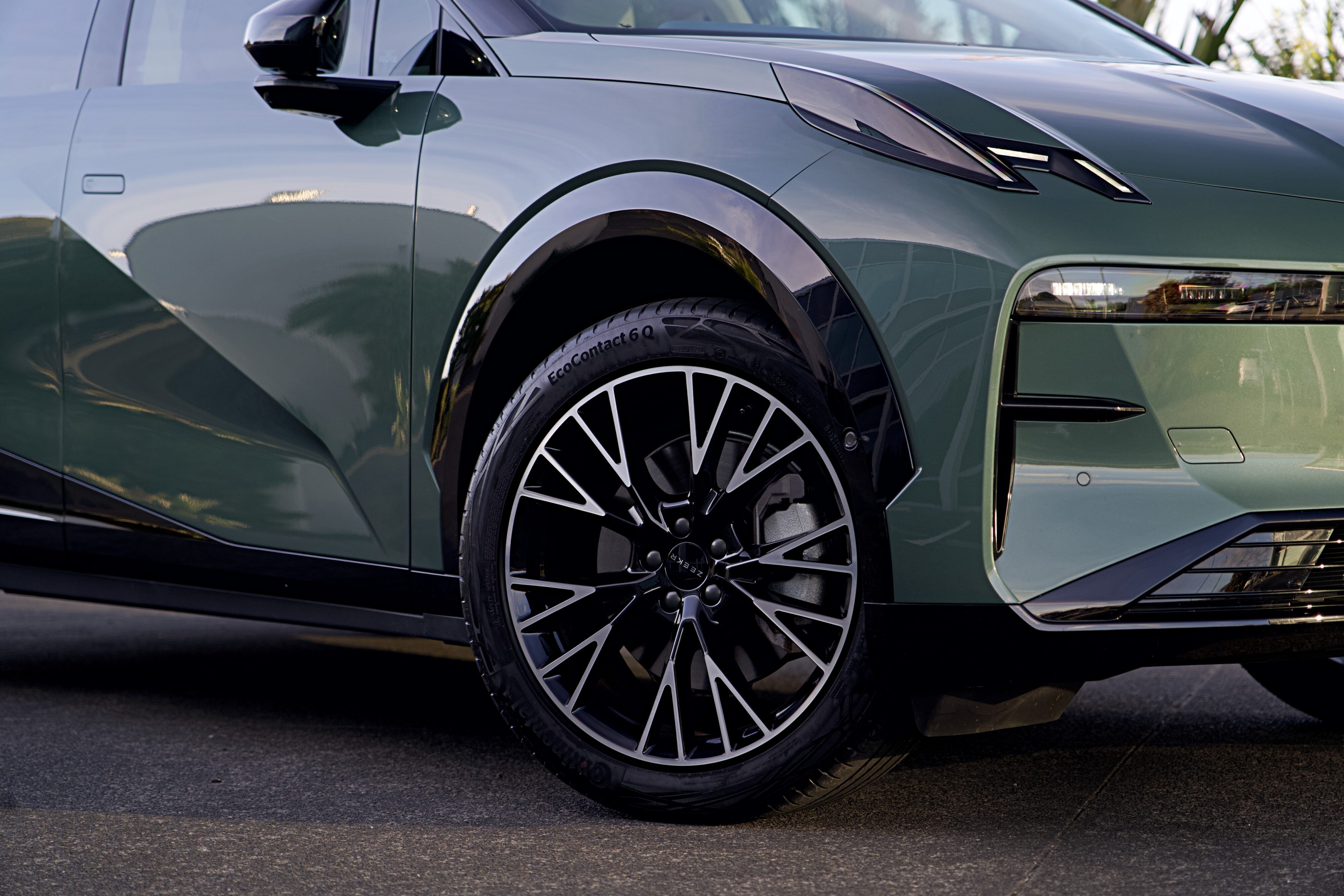
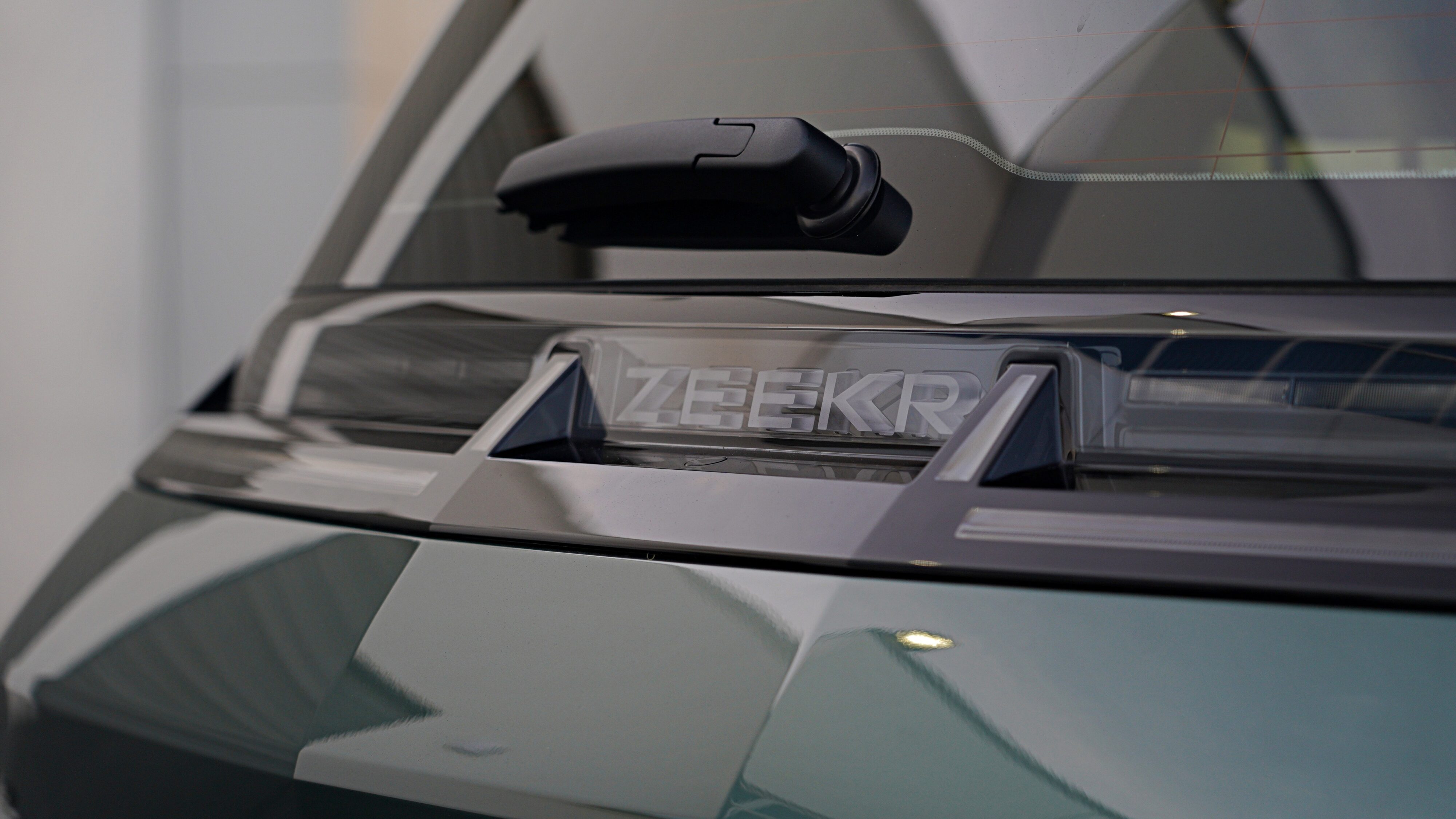
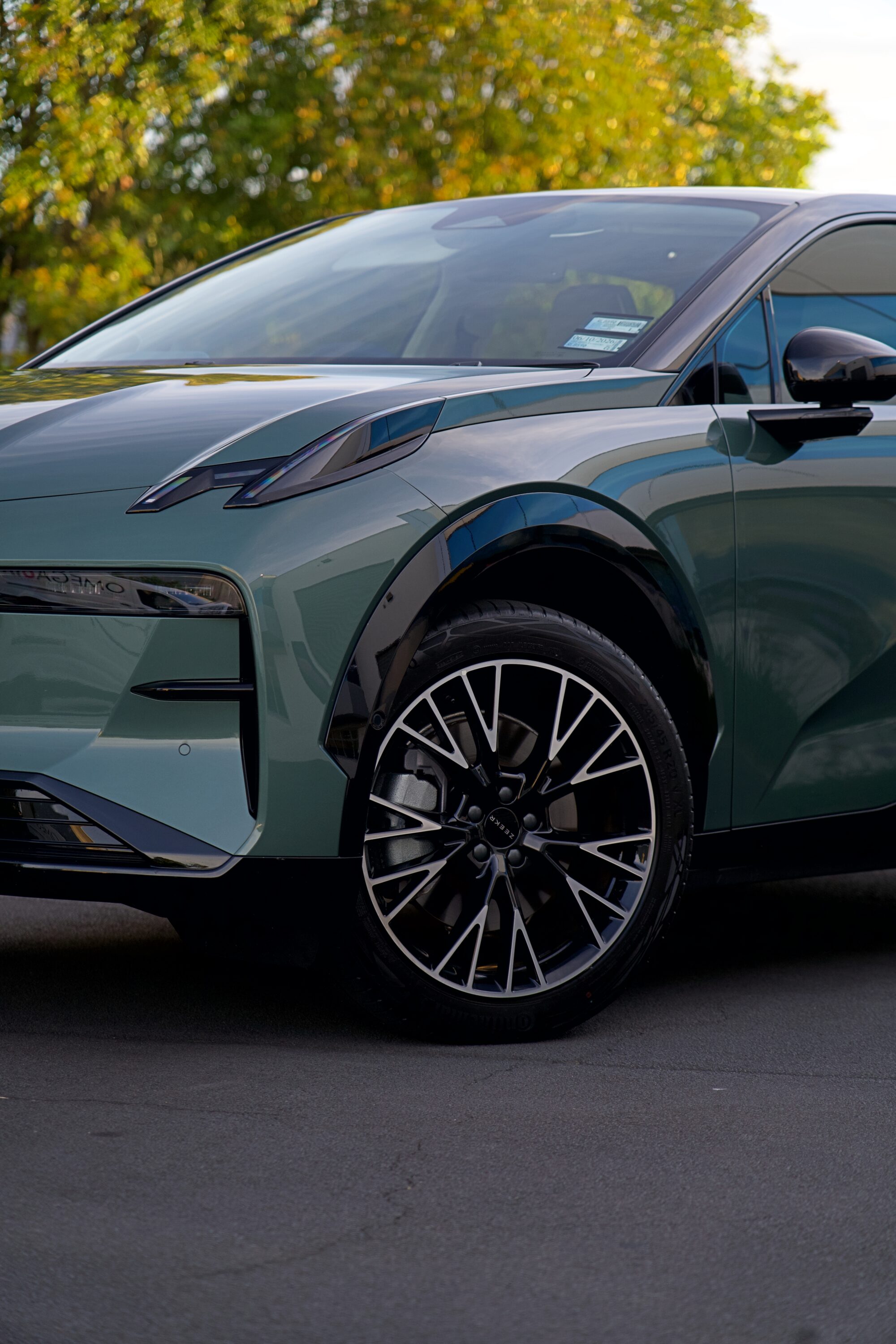
In a lineup that already includes the much larger 7X (not 7 times the size, though), the X feels intentionally sized to really drive down those keywords. The exterior design details reinforce that premium impression: the recessed pop-out door handles are a joy to use, the C-pillar treatment is genuinely distinctive, and the way the lighting signature is executed front and rear manages to incorporate current trends while still feeling unique. In the green exterior colour of our AWD convenience-spec loaner, the design works exceptionally well, highlighting the surfacing and lines without looking busy, and really nailing the concrete jungle look.
Approaching the car, you are greeted by one of those details that immediately signals a different way of thinking. The B-pillar-mounted external display carries the same visual language as the in-car voice assistant, but it is really easy to miss if you jump inside too quickly. Thankfully, it can also be used to display charging information, blurring the line between useful and gimmicky. Either way, it hints to how much software plays a big role in Zeekr cars, and there’s way more of that on the inside.
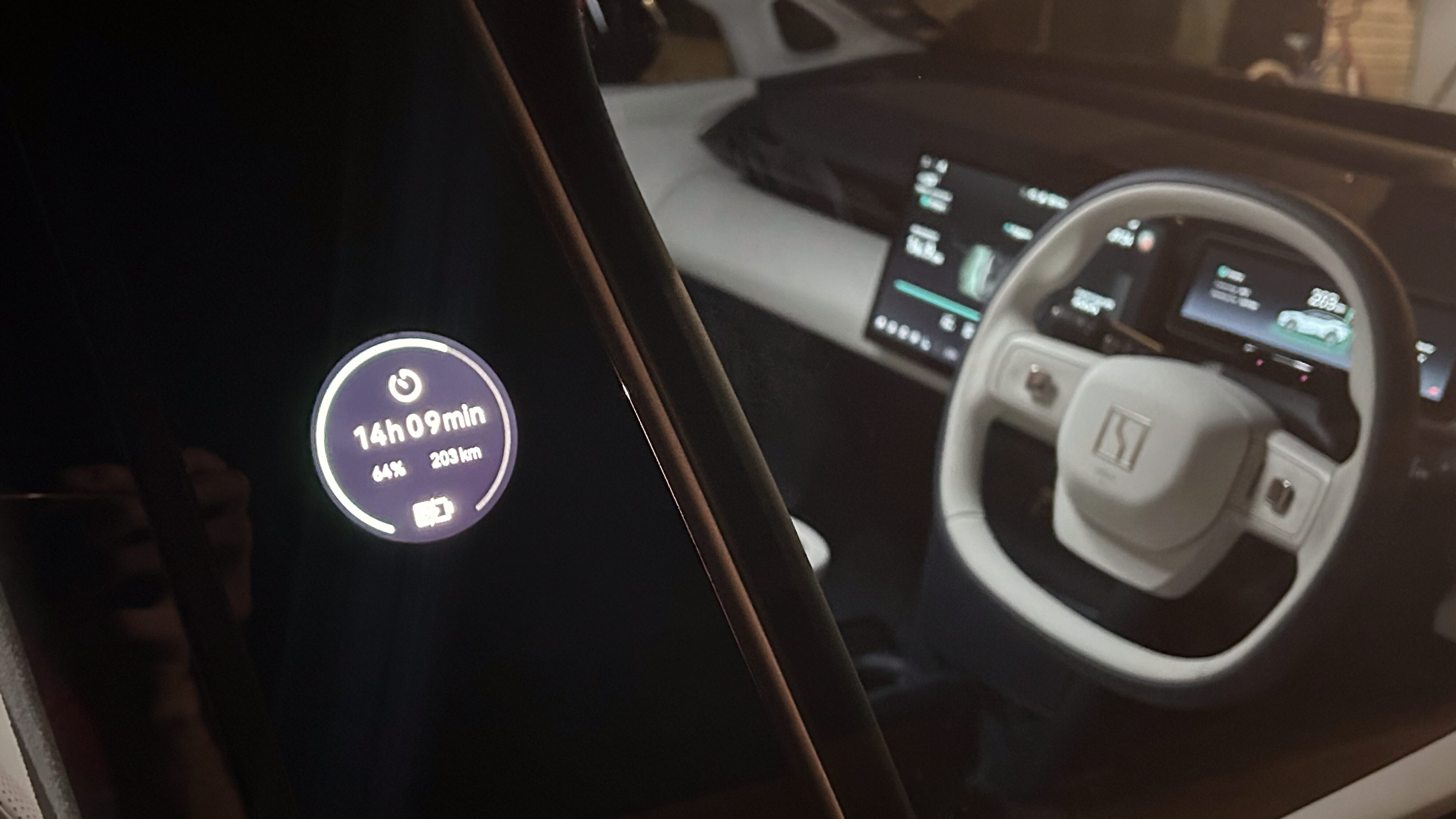
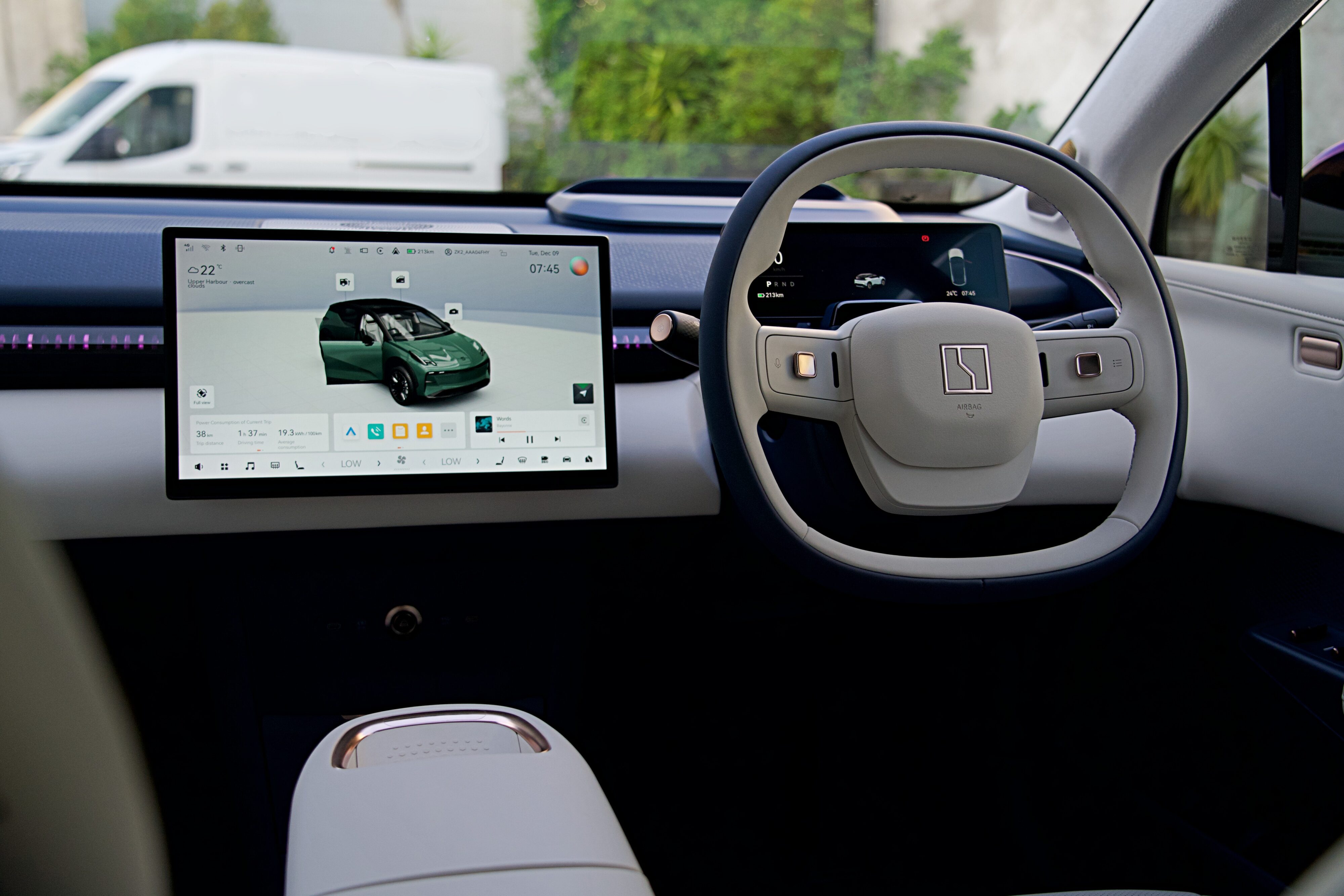
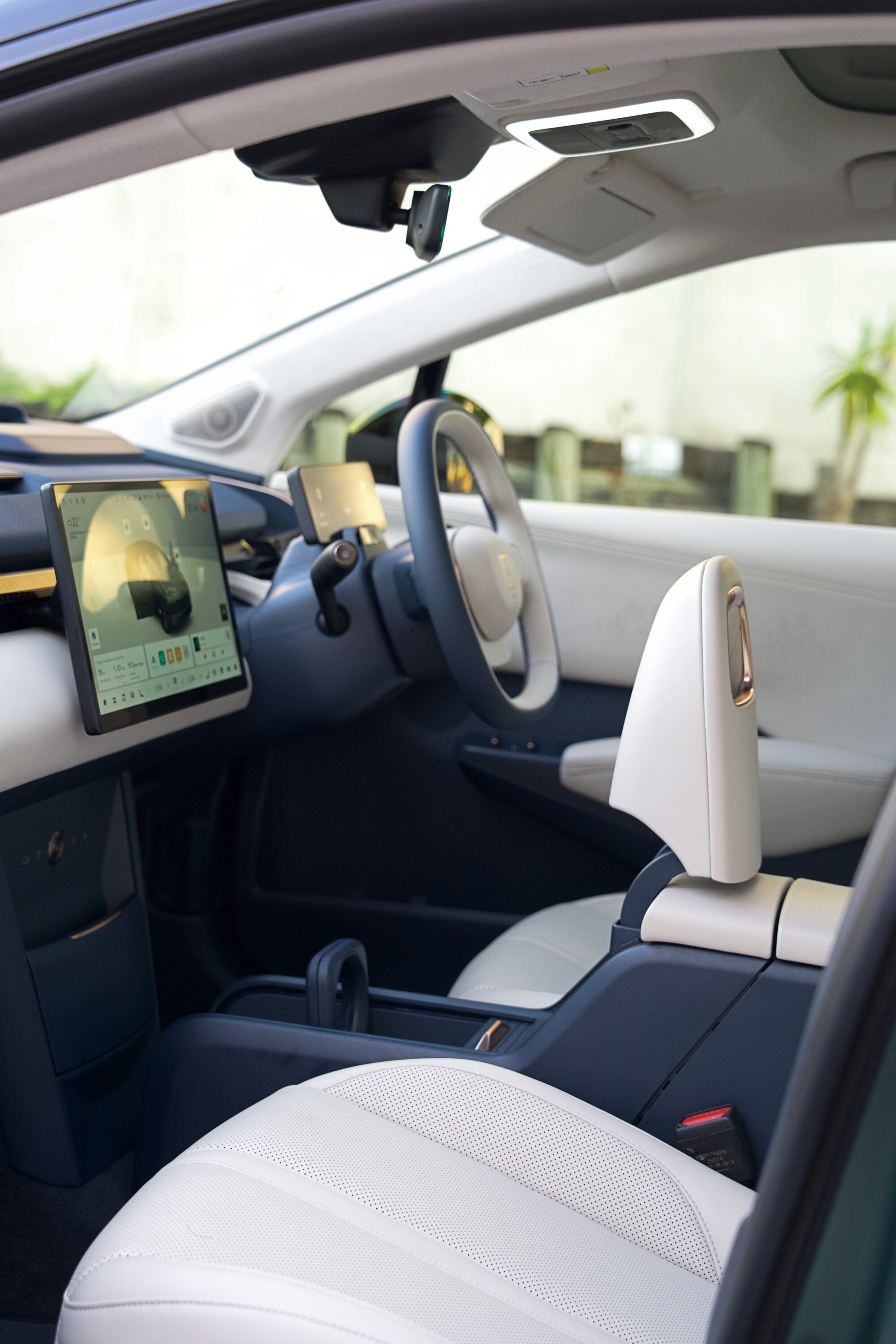
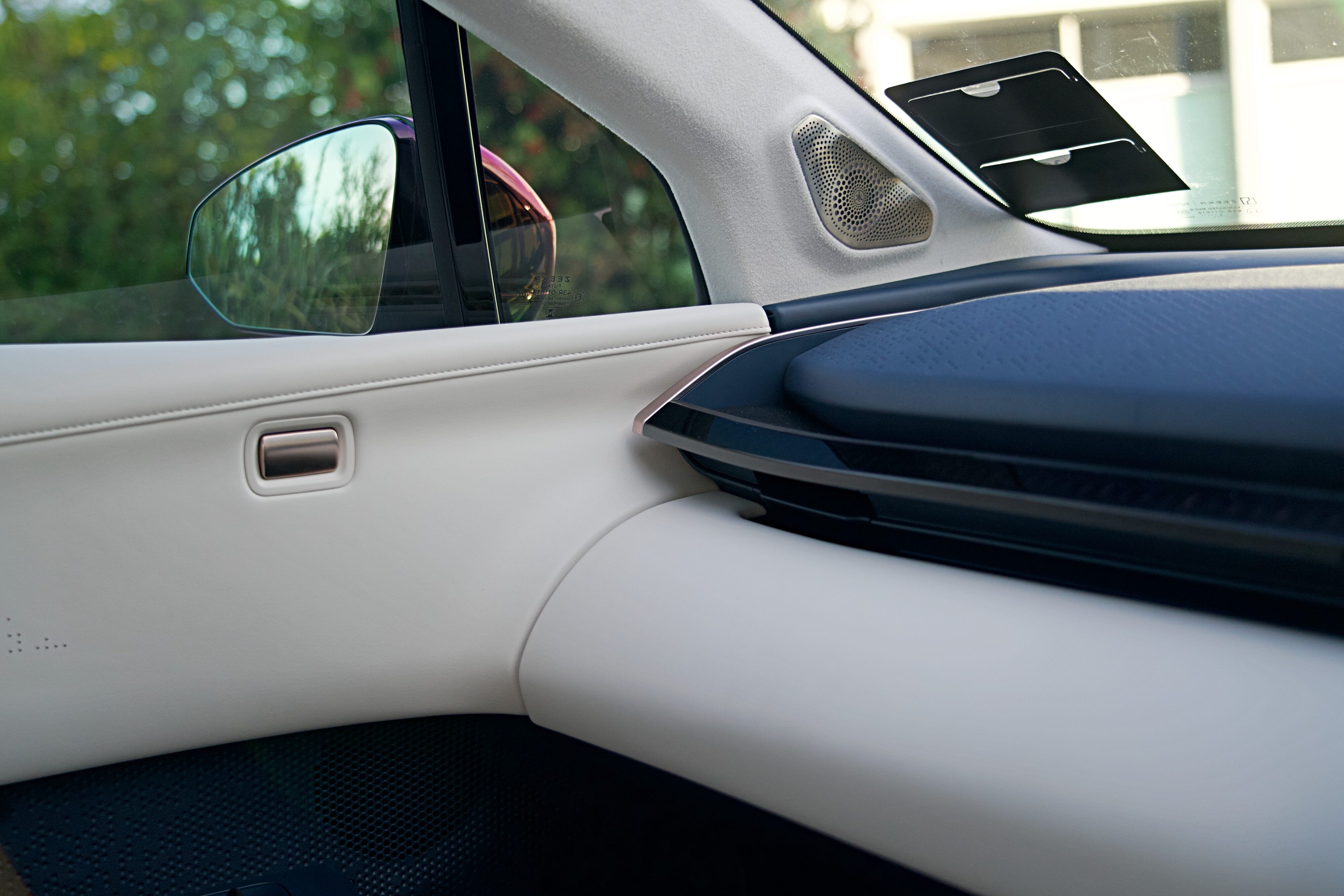
There, materials are excellent throughout, and the build quality feels reassuringly solid. Our loaner featured a white and blue interior combination which, while visually striking, would not be my personal choice purely from a long-term perspective. That said, even in other colour options (plural), the cabin retains a premium, interesting feel that is a big differentiator. The dashboard follows a two-tier layout and, much like a Tesla, almost every function is routed through the central screen. And they really expect that you are allergic to buttons: there are virtually no physical inputs, so at least the few remaining touchpoints – gear selector and indicator stalk – are extremely well judged in terms of feel and placement.
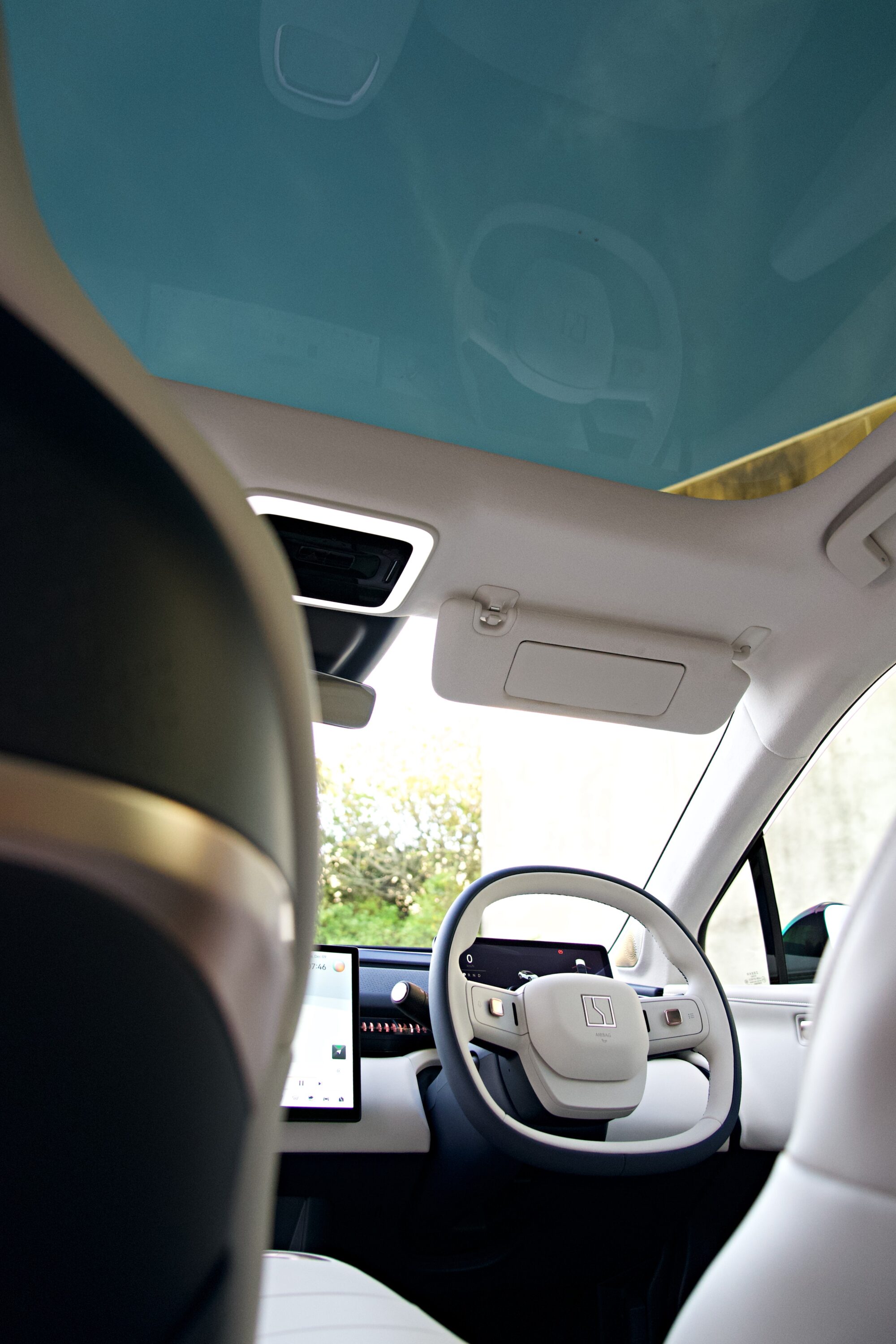
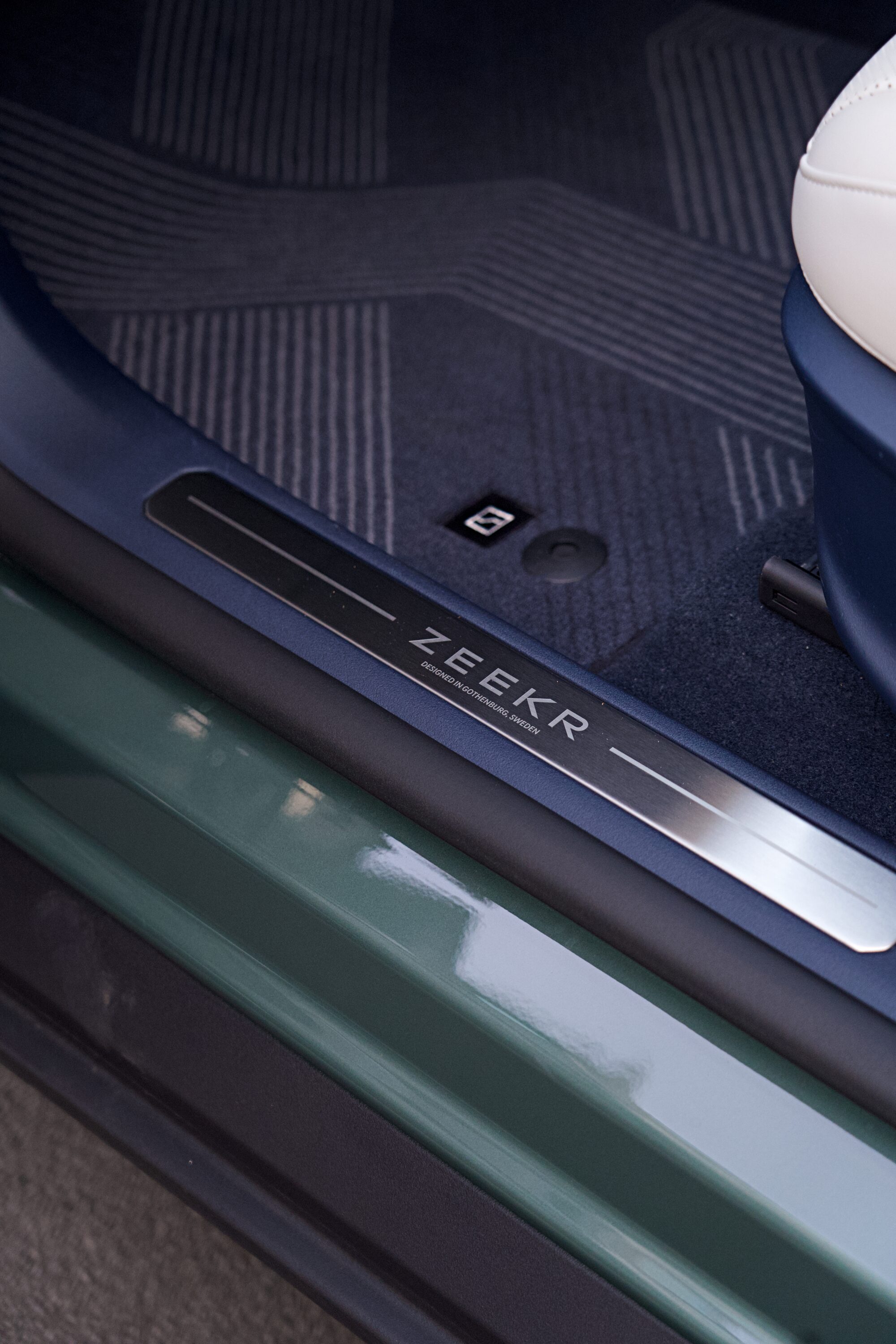
The panoramic sunroof follows the now-familiar EV trend of deleting a physical blind, instead relying on heavy tinting to manage heat. In practice, this works well, and it also allows you to appreciate the frameless door mirrors, another nod to Zeekr’s connection to Volvo via the Geely Group. That connection is further reinforced by the “Designed in Sweden” branding on the door sills. The shared platform with the Volvo EX30 is evident, but so too is the way Zeekr has addressed some of that car’s shortcomings. The X is slightly longer, and that additional length translates almost entirely into improved rear-seat space. Where the EX30 can feel tight for rear occupants, the X is noticeably more accommodating.
It is still not even close to a large family SUV, however, so it may be a stretch to position it as the sole vehicle for a growing household, but context matters. We lived with cars of this size for decades without issue, and in today’s urban environment, this feels like a very sensible footprint.
Storage solutions are clever rather than abundant. The swiveling wireless charging pad integrated into the armrest is a nice touch, door bins are reasonably generous, and the centre console features a sliding and removable storage unit that can either organise items or hide them away. Boot space sits at 362 litres, which is another meaningful improvement over the EX30, though it stops short of being class-leading.
The technology experience is another area where the Zeekr X shines. The interface is responsive, visually polished, and intuitively laid out. I’m a big fan of the customisation options and the design choices, but, more importantly, it feels like it has been built by people who understand where other systems frustrate users. The pull-down shortcut is cohesive and helpful, allowing you to tailor the car’s behaviour and access your most-used functions with minimal distraction.
From an ownership perspective, the Zeekr X leans fully into being a software-defined vehicle. The driver assistance suite is comprehensive and well integrated, falling just one gong short of being near-perfect. Most of your settings are remembered between drives, which is not always a given in this class, but the overspeed warning stubbornly reactivates every time you start the car. It also interrupts your media playback to deliver its message, which feels particularly frustrating in a vehicle where the 1000W Yamaha sound system is such a standout feature. In a cabin this quiet and refined, that audio system really gets the chance to shine, making the intrusion even more noticeable – not a dealbreaker, however.
This becomes even more apparent when you explore the breadth of digital features available as you explore the system more deeply. Beyond the expected navigation, media and vehicle settings, there is a surprisingly comprehensive suite of apps that reinforce the idea that this car is designed as much around software as it is around hardware. Some of these features are genuinely useful, others feel more experimental, but together they paint a clear picture of where Zeekr sees the future of its products.
One of the more unusual examples is the ability to record and play messages to people outside the vehicle using an external speaker. In theory, this allows you to thank another driver for giving way or let a pedestrian know it is safe to cross. It is a clever idea on paper and aligns with the broader push toward more communicative, socially aware vehicles. In practice, however, it falls short: the requirement to have the car in Park in order to use these messages undermines their usefulness entirely, turning what could have been a genuinely smart feature into more of a novelty – not that I could see people actually using it regardless, anyway.
More successful is the inclusion of features like Sentry Mode, which will be immediately familiar to anyone who has spent time with a Tesla. The Zeekr X also integrates a dashcam function that automatically activates when the car needs to intervene on your behalf. This feels like a natural extension of the car’s broader safety and assistance philosophy and is exactly the kind of functionality that makes sense in a vehicle that leans so heavily into software-led design.
That also leads neatly into the driving experience, which is where expectations need to be set correctly from the outset. Traditional drive modes are absent – instead, you are given control over acceleration response, steering weight and one-pedal driving behaviour. It is a clean, logical approach works as foreshadowing of what you expect when on the move. The all-wheel-drive version tested here uses a dual-motor setup, with one motor on each axle, delivering a combined 315 kW of power and 543 Nm of torque. These are serious numbers, particularly for a “crossover SUV but actually a hatchback” of this size, and on paper they promise outright performance that rivals or tops other powerful EVs. The headline figure of 0–100 km/h in 3.8 seconds is entirely believable, and the Zeekr X will achieve that effortlessly on an on-ramp or when pulling away from a set of lights.
Crucially, though, the way that performance is delivered tells you everything you need to know about the car’s priorities. The X will happily deploy its full output in short, straight-line bursts, but it becomes very clear very quickly that it is not interested in being driven like a sports car. The moment you introduce meaningful steering input while asking for full power, the system intervenes decisively. Power is curtailed, the car reins things in, and in some cases it will even trigger the onboard camera systems as a not-so-subtle reminder that this is not the environment in which it is happiest.
Before you reach that point, however, the limits are impressively high. The low centre of gravity inherent to the platform, combined with excellent tyre grip, means you can lean on the chassis more than you might initially expect. It feels secure, planted and confidence-inspiring, but always with a clear boundary that prioritises stability and predictability over engagement. This is not a failing; it is simply a reflection of what the Zeekr X is designed to be. It is fast, but it is not playful. Capable, but not sporting. Which will then give you more opportunity to try and extract the realistic range claim of 440km, helped by 11/158kW charging, AC/DC.
What makes this particularly interesting is how the Zeekr X positions itself in the broader EV landscape. Its size places it slightly below many of the premium EVs it will inevitably be cross-shopped against, yet it consistently feels more elevated than much of the competition, especially when size is the main grouping factor. There is a sense of maturity here, of a brand that understands not only how to engineer vehicle from the ground up, but how to deliver a cohesive experience around it. It almost feels unfair to call the Zeekr X a first effort given the depth of experience that comes with the Geely portfolio, this being the first Zeekr product to land in New Zealand makes a strong statement on what we can expect from the brand.
Knowing that the local lineup now also includes vehicles like the 7X SUV and the 009 people mover only reinforces that impression – we have the latter on the driveway right now so keep your eyes peeled for that review! The X feels like a confident opening move from an assertive player: it looks right, feels genuinely premium inside and out, and delivers a driving experience that aligns cleanly with its positioning. It smooths over many of the rough edges that still plague competitors, and while it may not be the biggest or the most practical in absolute terms, it is a cohesive, well-resolved urban EV with genuine character. As long as expectations are set correctly from the outset, it makes a very compelling case for itself and is a car that is easy to appreciate and, ultimately, very easy to live with. Zeekr has treasure on their hands with the X, and I’m a big fan. Thanks, Zeekr, for the experience, and thank you for reading this far into a long review.