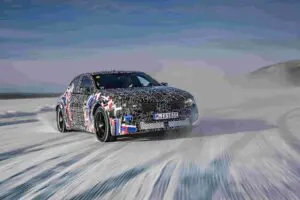
For half a century, one car has not just participated in the premium sports sedan market; it has defined it. It’s the yardstick against which all others are measured, an automotive icon, and the living embodiment of “sheer driving pleasure.” From the sun-drenched boulevards to the rain-slicked apexes of the Nürburgring, the BMW 3 Series has been the choice for those who believe a commute can be a joyride. It’s BMW’s perennial bestseller, the very heart of the brand, and for many, the definitive “Ultimate Driving Machine.”
Spanning seven distinct generations, each chapter in the 50 years of the BMW 3 Series tells a story of evolution, innovation, and an unwavering commitment to the driver. It’s a journey that mirrors our own, set against a backdrop of changing technology, culture, and design. Let’s take a drive down memory lane and explore the incredible 50-year history of the BMW 3 Series.
Gen 1: The E21 (1975–1983) – The Revolution Begins
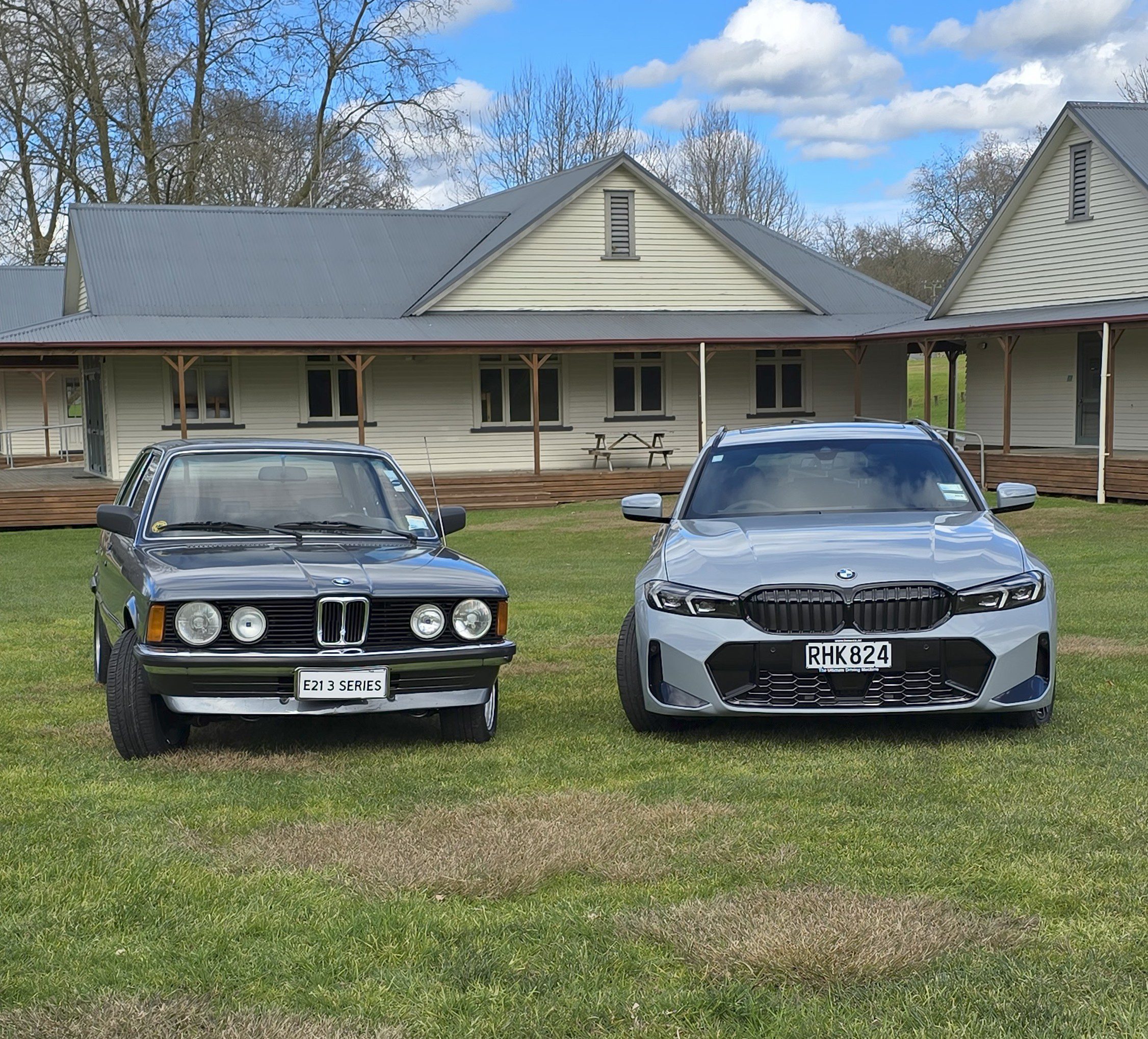
Picture the world in 1975. The Vietnam conflict had just concluded, we were all unironically “Kung Fu Fighting,” and the concept of a compact, fun-to-drive, yet premium car was still taking shape. Into this landscape, at the Munich Olympic Stadium, BMW unveiled the natural successor to its revered 2002 coupe: the E21 3 Series.
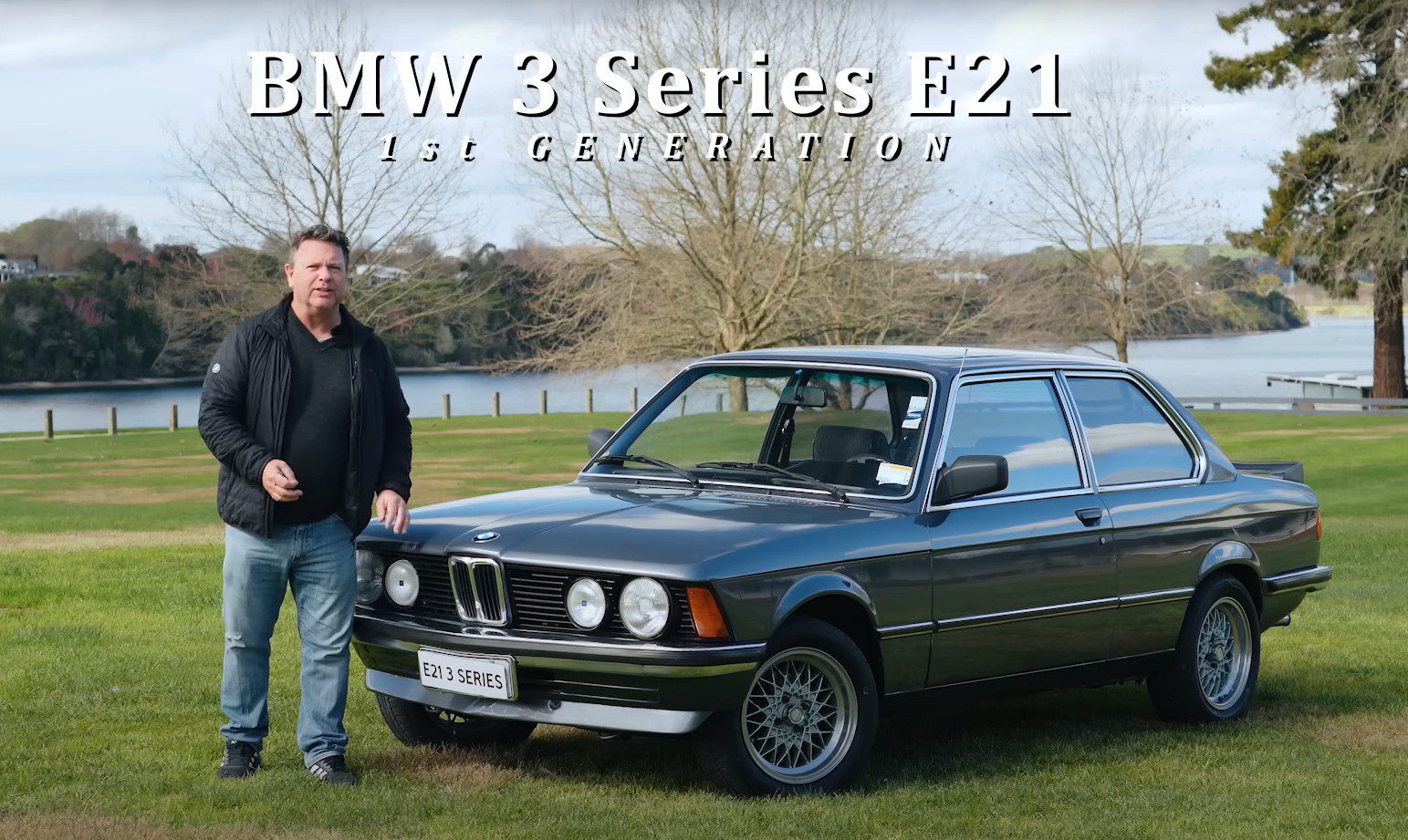
Designed by the legendary Paul Bracq, the E21 established a design language that would echo for decades. It featured an aggressive “shark nose” front end, a subtle “power dome” on the bonnet, and the now-iconic Hofmeister kink in the C-pillar. Inside, the revolution continued. The dashboard and centre console were sharply angled toward the driver, a simple but profound statement that this car was, first and foremost, a driver’s domain. It set a new standard for driver-centric cockpits.
Initially available only as a two-door sedan, with a Baur-designed convertible model offered later, the E21 prioritized crisp handling and a sporty feel above all else. While early models featured responsive four-cylinder engines, the platform truly hit its stride with the introduction of BMW’s silky-smooth inline-six engines in models like the 320i and the top-tier 323i, which brought fuel injection and a true performance edge. The E21 wasn’t just a car; it was a concept proven. With 1.36 million units sold, it cemented the formula for the modern sports sedan, so much so that a contemporary survey found 80% of its owners believed BMW couldn’t possibly improve upon it. Oh, how wrong they were.
Gen 2: The E30 (1982–1994) – A Legend is Born
The 1980s arrived with big hair, bigger shoulder pads, and a synth-pop soundtrack. The era demanded confidence and style, and the E30 3 Series delivered in spades. The design evolved into a sharper, more upright, and instantly classic silhouette that still turns heads today. But the E30’s true genius was its expansion of the 3 Series dynasty.
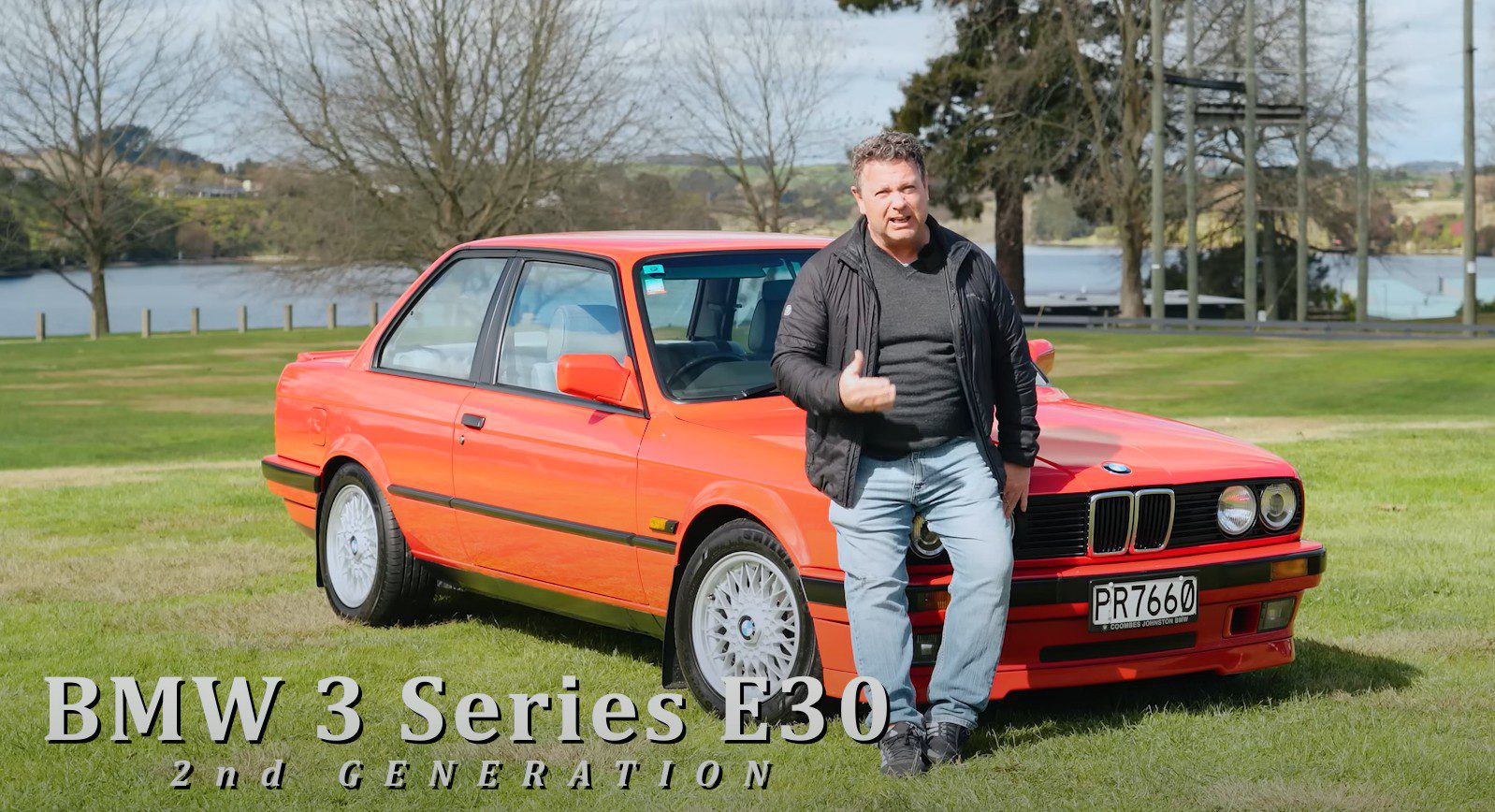
This generation marked the introduction of the first-ever four-door 3 Series sedan, massively broadening its appeal. It also gave us the first factory “Touring” wagon, blending practicality with the 3 Series’ signature dynamics. Technologically, it was a leap forward, introducing series-standard quad headlights, optional all-wheel drive in the 325iX, and the crucial addition of an anti-lock braking system (ABS).
However, the E30’s crowning achievement, and the moment it was immortalized in motorsport lore, was the 1983 debut of the M3. This was no mere trim package. The E30 M3 was a homologation special, born for the racetrack with a high-revving S14 four-cylinder engine and a wide-arched body that mirrored the era’s fashion for big shoulder pads. It dominated touring car championships across the globe, cementing the M3 legend from its very first iteration. The E30 was a cultural and commercial juggernaut, selling nearly a million more units than its predecessor and proving the 3 Series was here to stay.
Gen 3: The E36 (1990–2000) – 90s Sleekness and Sophistication
As the world entered the 1990s and the digital era began to dawn, the 3 Series evolved once more. The E36 was a significant departure, shedding the boxy-chic of the E30 for a sleeker, more aerodynamic, and modern profile. For the first time, BMW heavily leveraged computer-aided design (CAD), which allowed for a more rigid chassis, improved safety, and superior aerodynamics. A key visual change was the placement of the headlights behind a single smooth pane of glass, a move that was both stylish and functional.
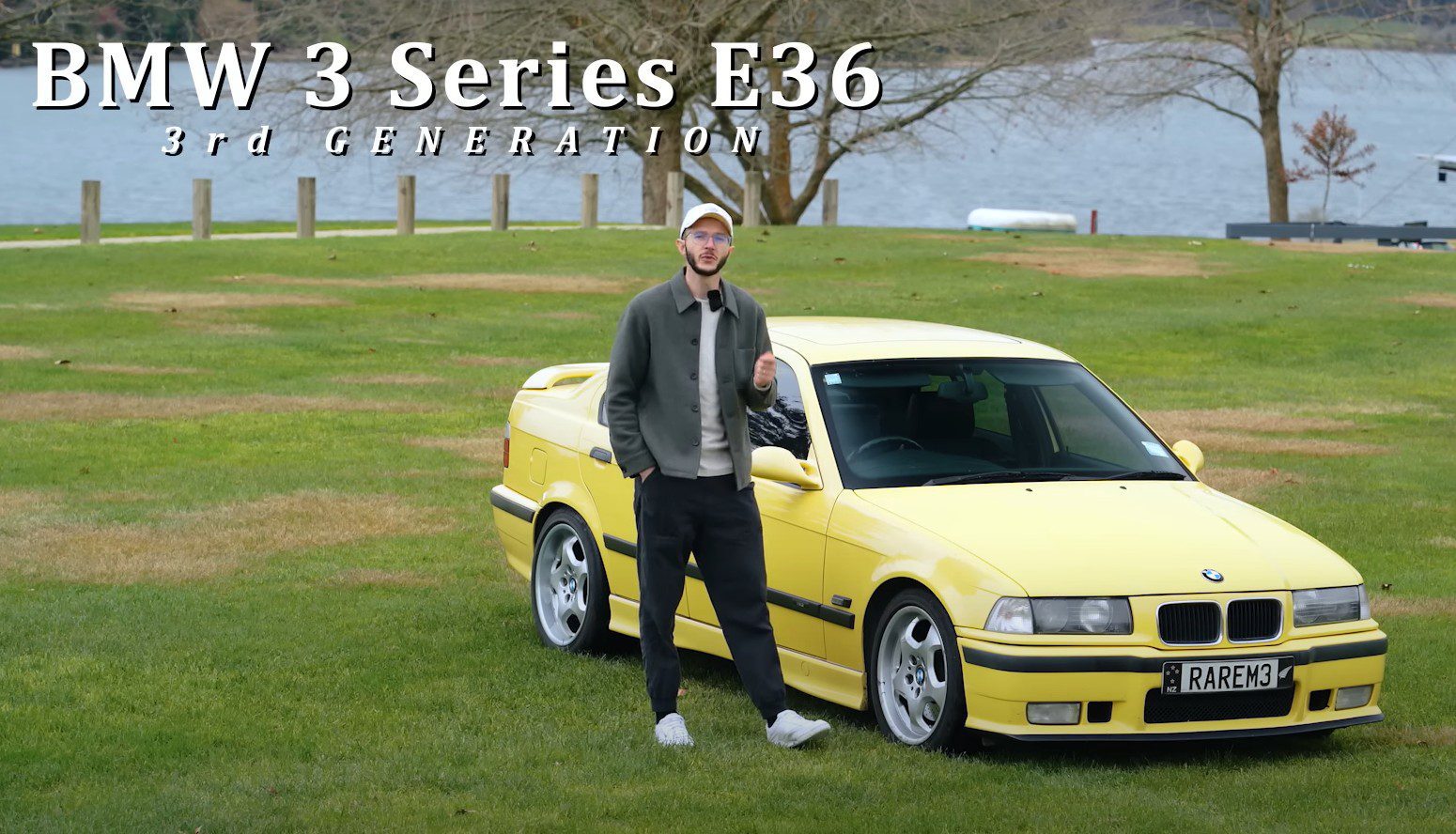
The E36 was arguably the most versatile 3 Series ever, offered in sedan, coupe, convertible, Touring, and even a quirky “Compact” hatchback form. There was truly an E36 for everyone. Under the skin, innovation continued with the introduction of a sophisticated multi-link “Z-axle” rear suspension and VANOS, BMW’s proprietary variable valve timing system, which enhanced both power and efficiency.
The M3 also grew up. It became a more refined, road-friendly machine, and crucially, was the first M3 to feature a six-cylinder engine. In European spec, the S50 engine eventually evolved to cross the 300-horsepower mark, a major milestone. Available for the first time as a sedan and convertible alongside the coupe, the E36 M3 brought incredible performance to a wider audience, becoming a favourite of enthusiasts to this day.
Gen 4: The E46 (1998–2006) – The All-Time Best-Seller
By the late 90s, the 3 Series formula was well-established. The task for the E46 was to perfect it—and it did so spectacularly. To date, the E46 remains the best-selling 3 Series generation of all time, with a staggering 3.3 million units sold worldwide. It achieved this by masterfully blending the previous generation’s driver engagement with a newfound sense of luxury and refinement.
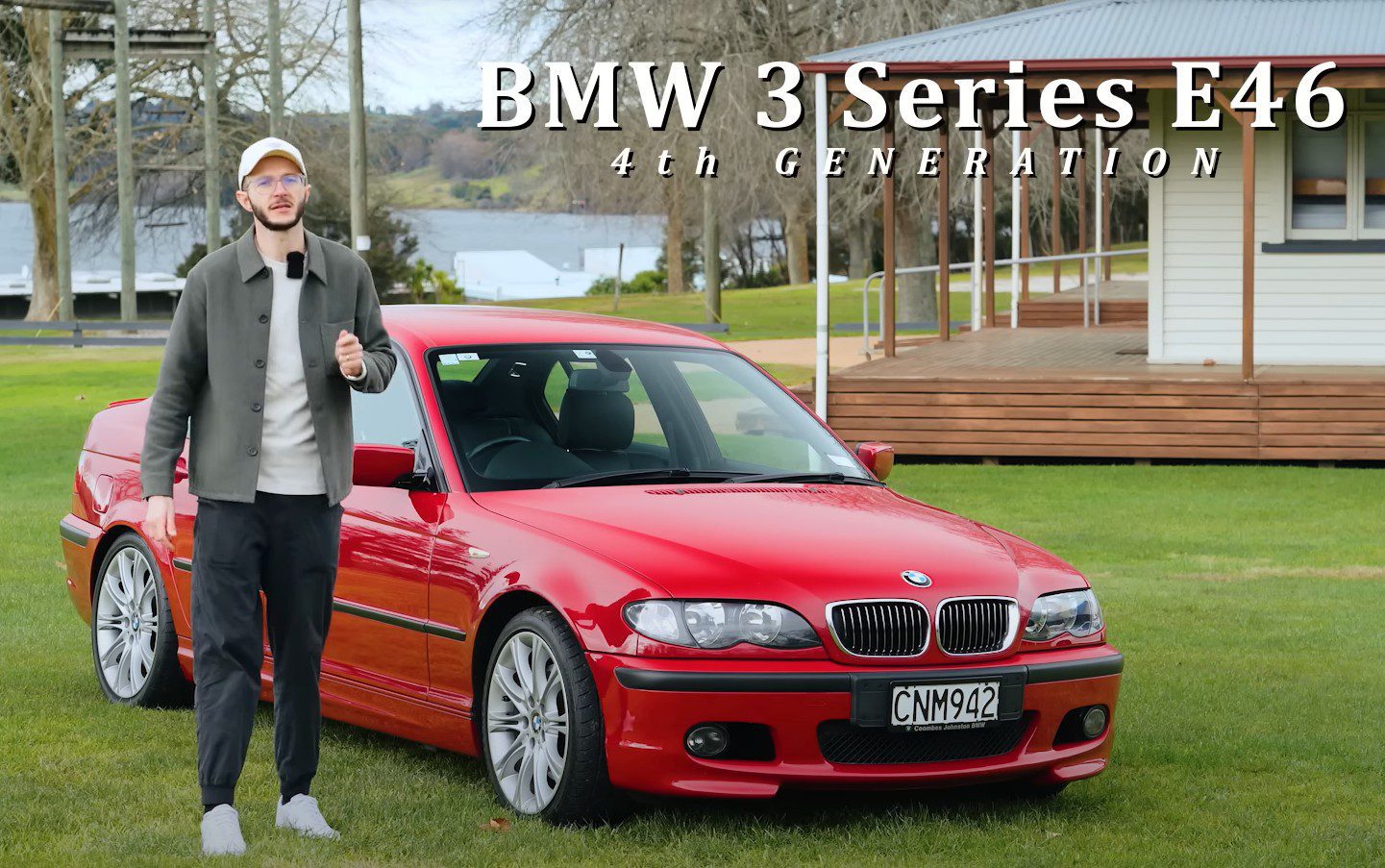
The design was an evolution of the E36’s sleek lines, but with more muscular, flared wheel arches and a more premium feel. Inside, features like premium Harman Kardon sound systems, automatic climate control, and cruise control became commonplace. The E46 also introduced more modern engines, extensive use of lightweight aluminium suspension components, and the debut of the modern “xDrive” all-wheel-drive system.
For many, the E46 M3 is peak M car. It returned to a coupe-and-convertible-only lineup but featured the legendary S54 inline-six engine—a screaming, naturally aspirated masterpiece that could rev to 8,000 RPM. It was a sensory overload of mechanical rasp and precision handling. Paired with the optional SMG automated manual gearbox, it offered a taste of Formula 1-style shifting for the road. The E46 is often hailed as the perfect synthesis of analogue feel and modern performance, a high-water mark in the 50 years of the BMW 3 Series.
Gen 5: The E90 (2005–2013) – The Digital Bridge
Launched in 2005, the same year the first video was uploaded to YouTube, the E90 generation served as the bridge to the modern digital era. This generation was so successful in its mission that it earned the coveted World Car of the Year award. A notable quirk of this era was BMW’s use of unique chassis codes for each body style: E90 for the sedan, E91 for the Touring, E92 for the coupe, and E93 for the hardtop convertible. The most significant interior update was the first iteration of iDrive, BMW’s integrated control system for infotainment and vehicle settings. It was also the first 3 Series to feature Efficient Dynamics technology, which introduced features like automatic start-stop and brake energy regeneration to significantly improve fuel efficiency and usher the car into a new century of powertrain development.
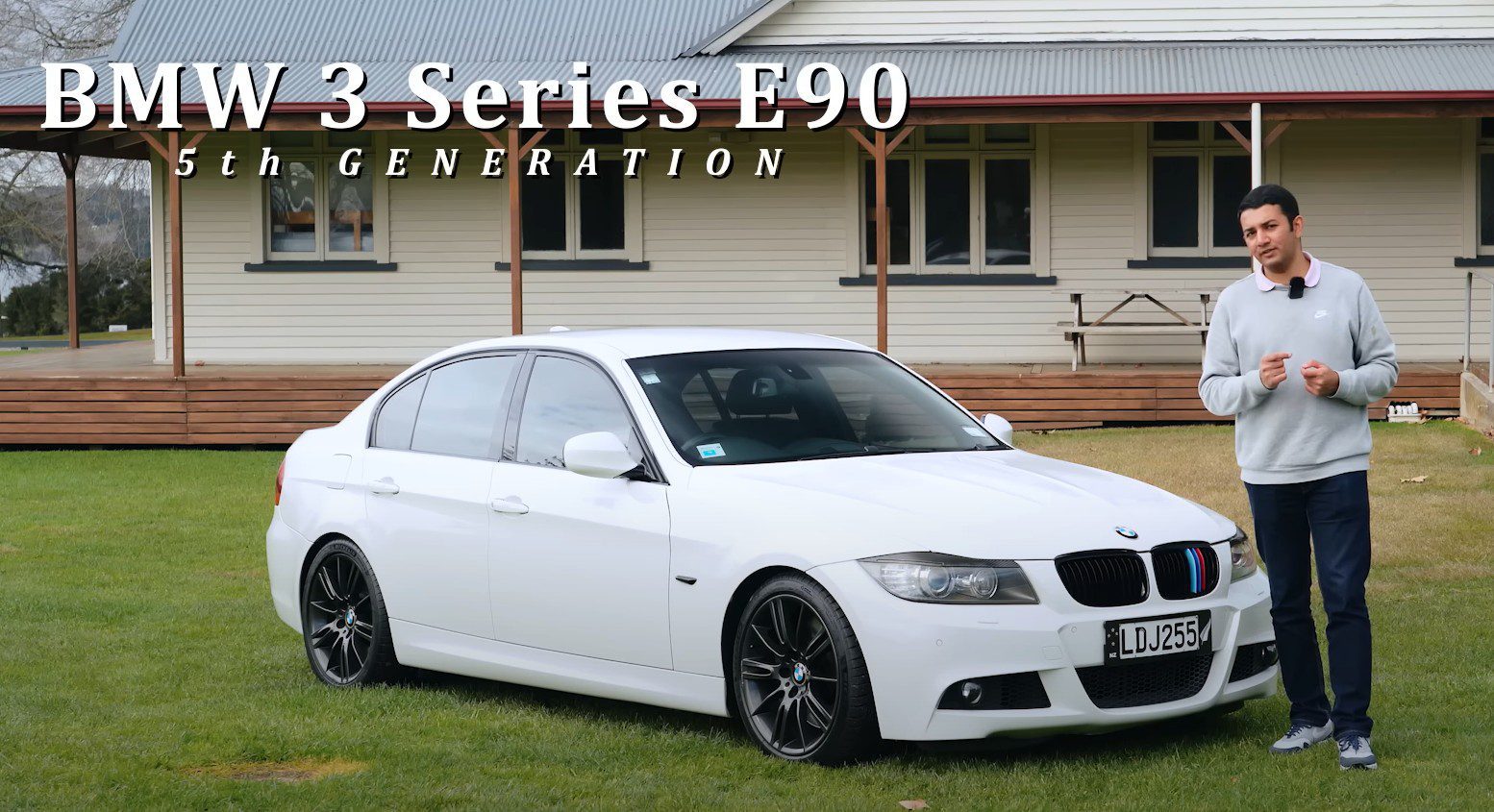
But the E90 platform will forever be remembered for one thing: its M3. In a shocking and controversial move, BMW ditched the inline-six and fitted the M3 with a high-revving, naturally aspirated 4.0-litre V8 engine. It was the first and only time an M3 would be powered by eight cylinders, creating a unique, sonorous, and utterly thrilling muscle car with the soul of a sports car. Despite the radical change, the E90 continued the 3 Series’ sales dominance, selling over 3 million units.
Gen 6: The F30 (2011–2019) – The Great Split
The sixth generation marked the most significant strategic shift in the history of the 3 Series. Known as the F30, this generation saw the coupe and convertible models split off to create the new 4 Series lineup. The 3 Series nameplate would now be reserved for the sedan, Touring, and a new “Gran Turismo” (GT) fastback model.
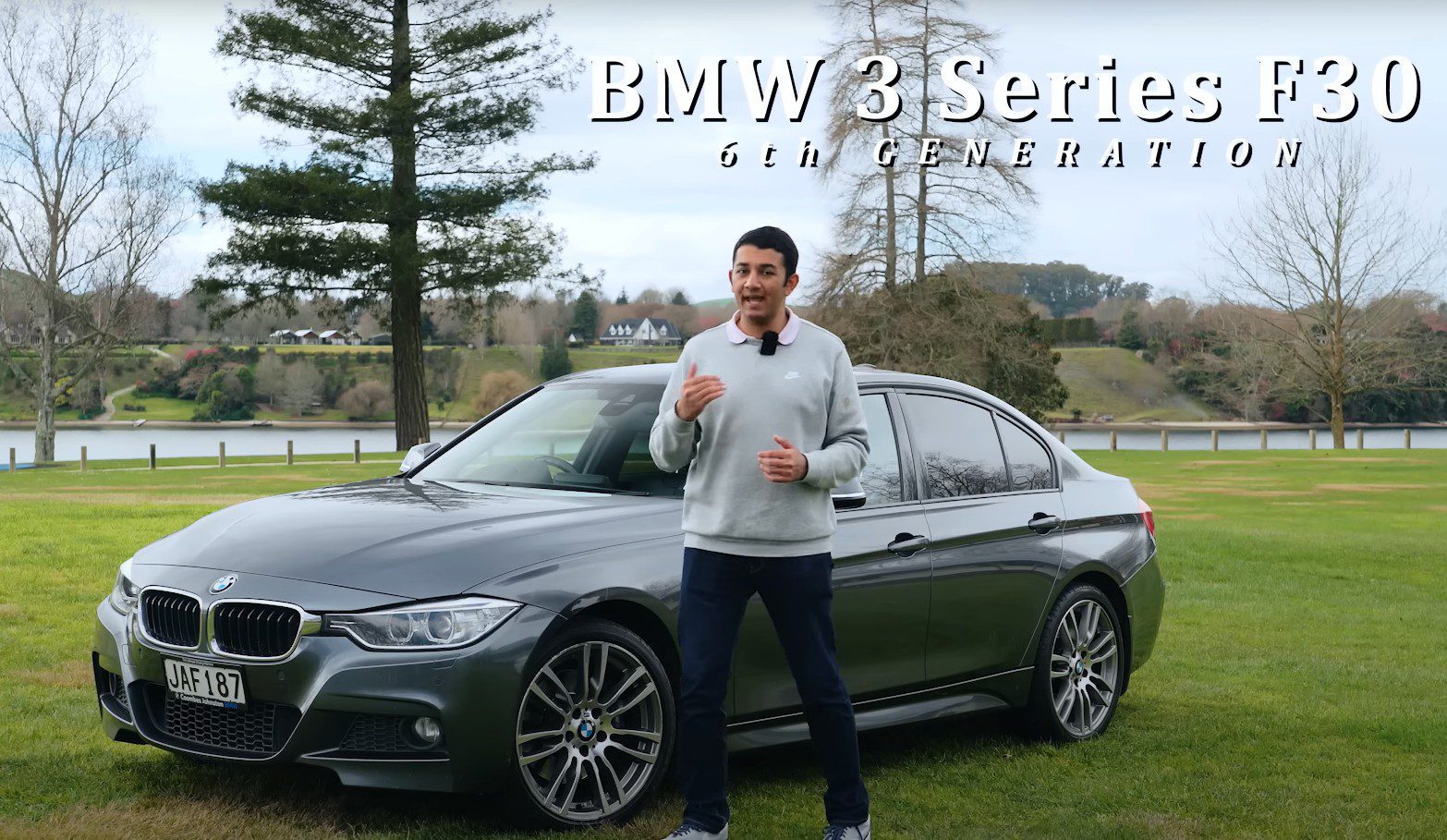
This was also a technological turning point. The F30 was the first generation where every single car across the range featured a turbocharged engine, marking the end of BMW’s long and storied history of naturally aspirated powerplants in its core models. It also saw the introduction of hybrid technology with the ActiveHybrid 3. The cabin became a tech hub, introducing features like a full-colour head-up display, real-time traffic information, and a hands-free opening tailgate. Despite the growth in size and technology, BMW remained true to the car’s roots, engineering it with a perfect 50/50 weight distribution to preserve that ultimate driving pleasure.
Gen 7: The G20 (2018–Present) – The Connected Car
This brings us to the current generation, the G20, the 3 Series for the thoroughly modern era. Introduced in 2019, the G20 is longer and wider yet lighter than its predecessor, thanks to the extensive use of aluminium and high-strength steel. It is, without a doubt, the most technologically advanced 3 Series ever built. Features like semi-autonomous driving capabilities, adaptive voice and gesture controls (“Hey BMW”), and deep smartphone integration define its character.
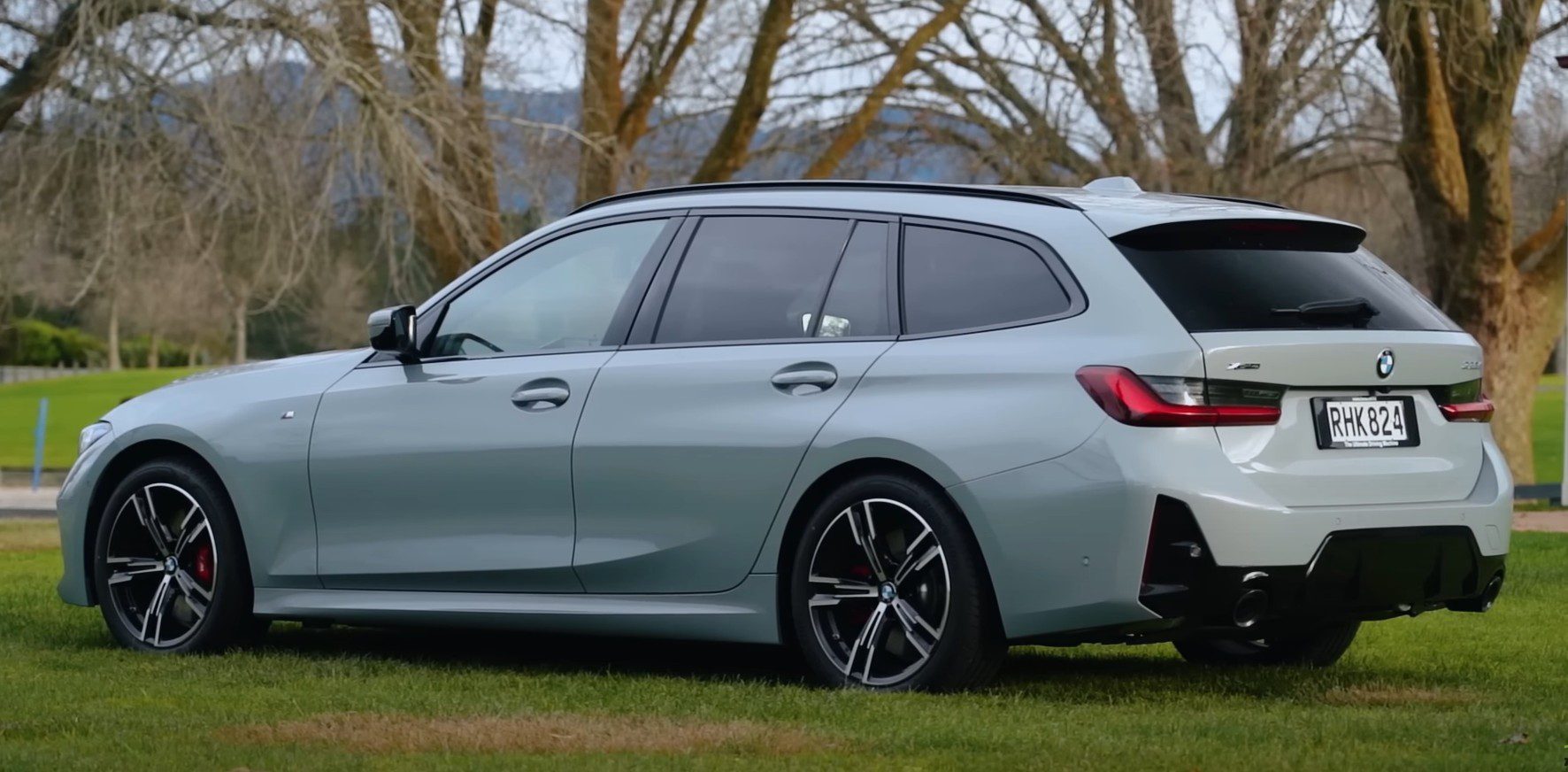
Sustainability has also become a core focus. The G20 boasts lower CO2 emissions, the use of more planet-friendly materials, and the first-ever plug-in hybrid Touring model, the 330e, offering significant electric-only range. But don’t think for a second that it has gone soft. Fun is still on the menu, and the G20 M3 (and M4) proved it by being the first of its kind to offer both a Touring body style and BMW’s incredible M xDrive all-wheel-drive system, making its colossal power accessible in all conditions.
The Legacy: 50 Years of the Benchmark
From the E21 to the G21, the 50-year journey of the BMW 3 Series is a story of constant, relentless improvement. Throughout its history, it has shaped the very landscape of sporty, premium vehicles by perfectly balancing agility, everyday functionality, and driver-focused design. Each generation has pushed the boundaries with innovative chassis technology, lighter materials, and precision engineering, all in the pursuit of the perfect drive.
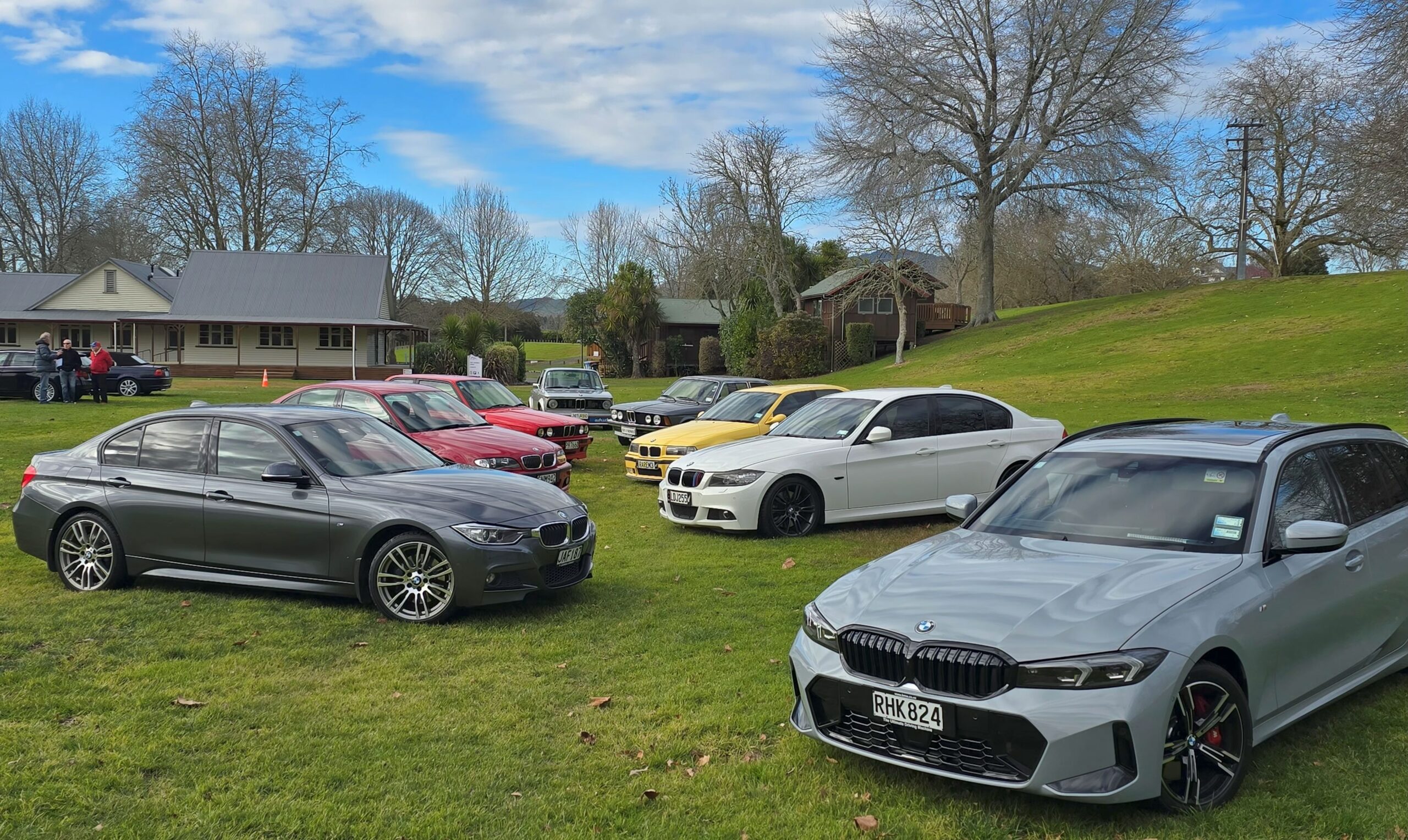
It remains the benchmark, the icon, the car that rivals from Audi, Mercedes-Benz, and beyond have in their sights with every new model. It is the heart of BMW, an incredible commercial success, and a car that continues to appeal to all ages and lifestyles. It’s been an incredible ride, and with the world shifting towards an electric future, the next chapter in the 3 Series story is sure to be just as revolutionary as the first. What a machine.