Mazda is continuing its research into renewable diesel produced from microalgae, with its development project selected for a Japanese government program supporting the commercialisation of technologies working towards energy saving.
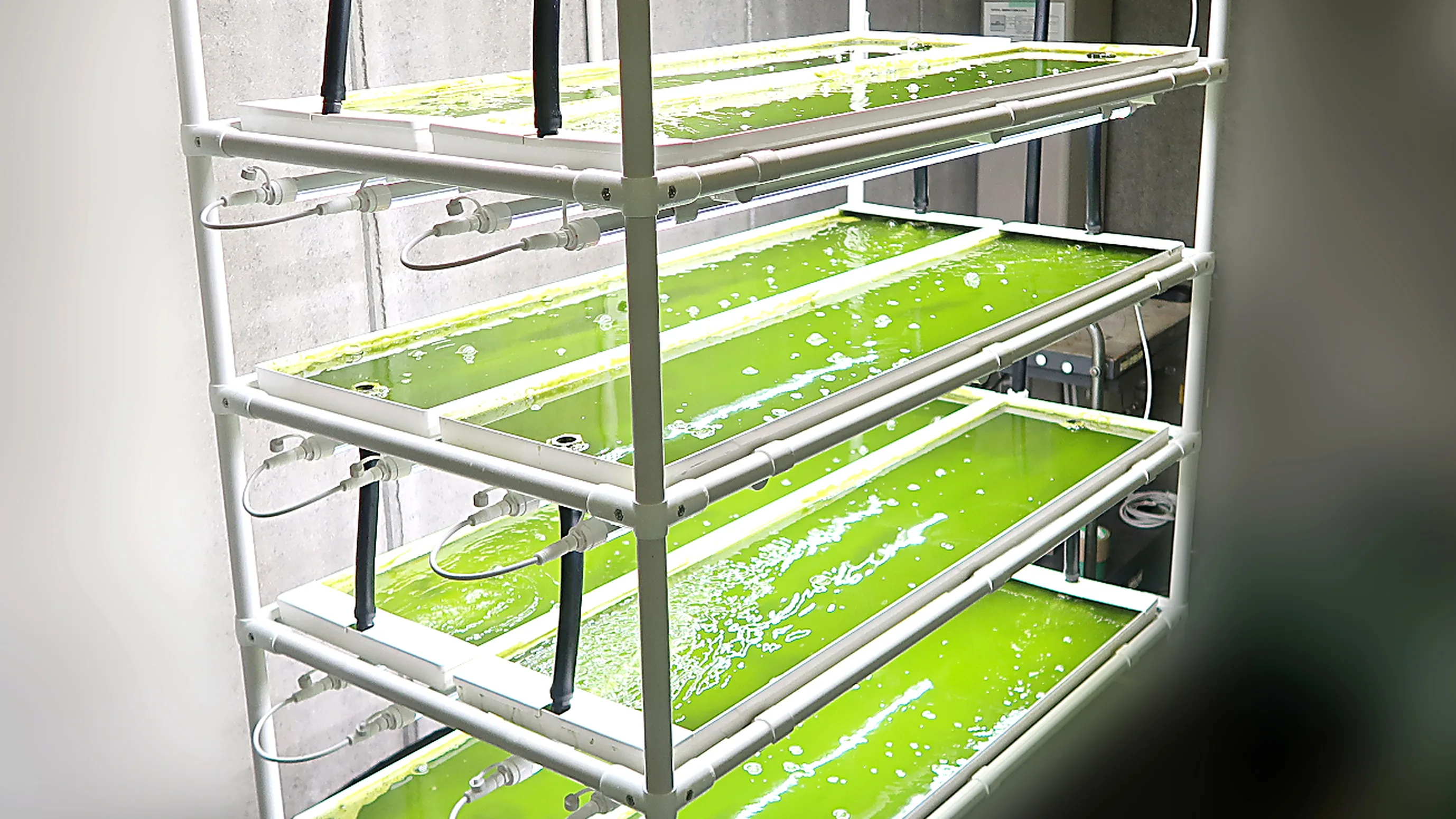
Working alongside Idemitsu Kosan, Mazda is investigating the production of hydrotreated vegetable oil (HVO) using lipids extracted from microalgae. The project covers the process from algae cultivation and lipid extraction through to fuel production and eventual application in vehicles. Mazda says microalgae offer several potential advantages as a renewable fuel feedstock: cultivation can take place in relatively small areas and does not necessarily compete with agricultural land used for food production. The process also has the potential to utilise carbon dioxide during algae growth.
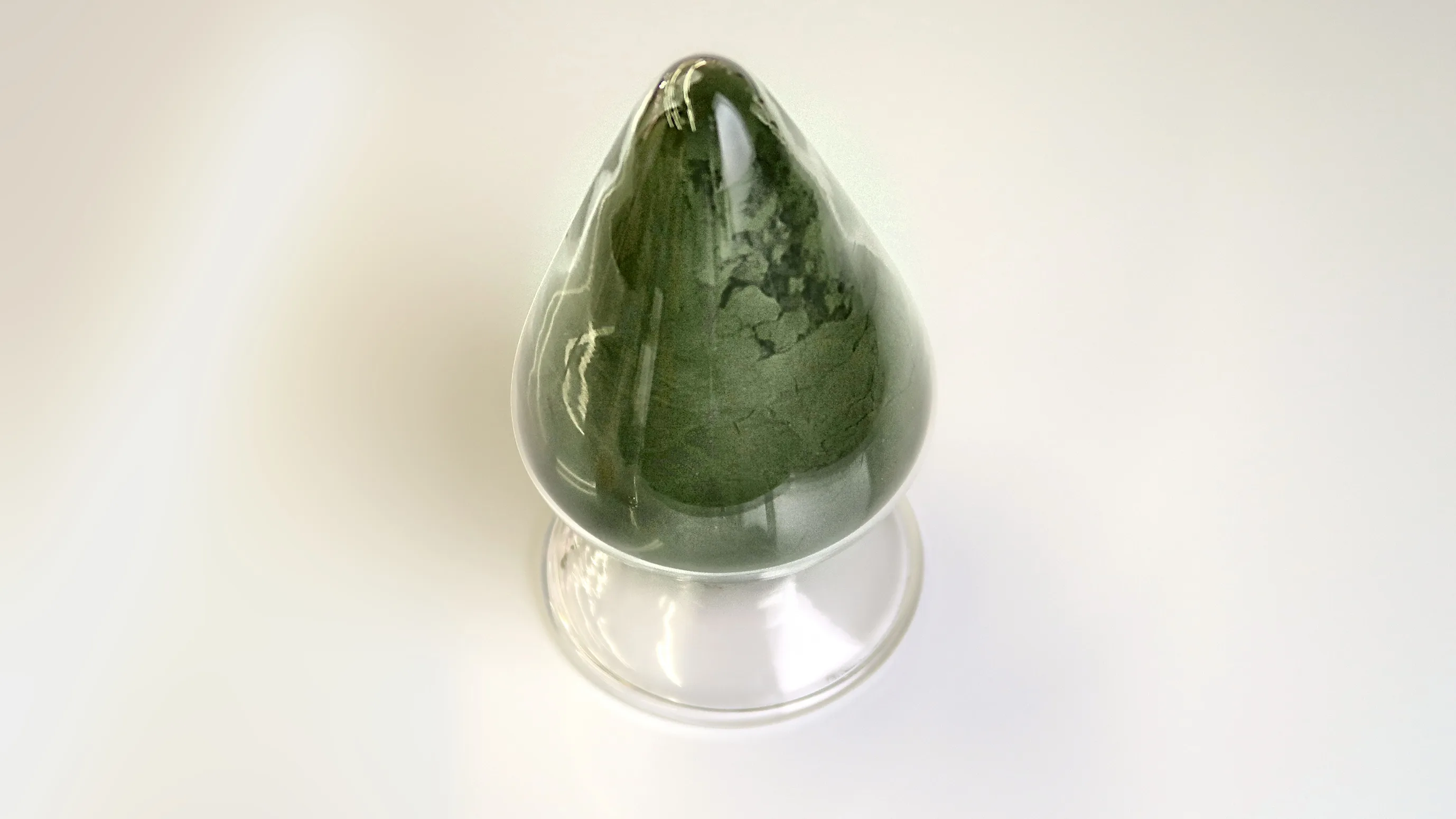
The company has already developed technology capable of producing lipids from microalgae and reports that it has demonstrated fuel production exceeding one litre using a 1,000 litre cultivation tank over approximately two weeks. The next stage of the project will focus on improving production efficiency and establishing a process capable of supporting fuel manufacturing at large scale.
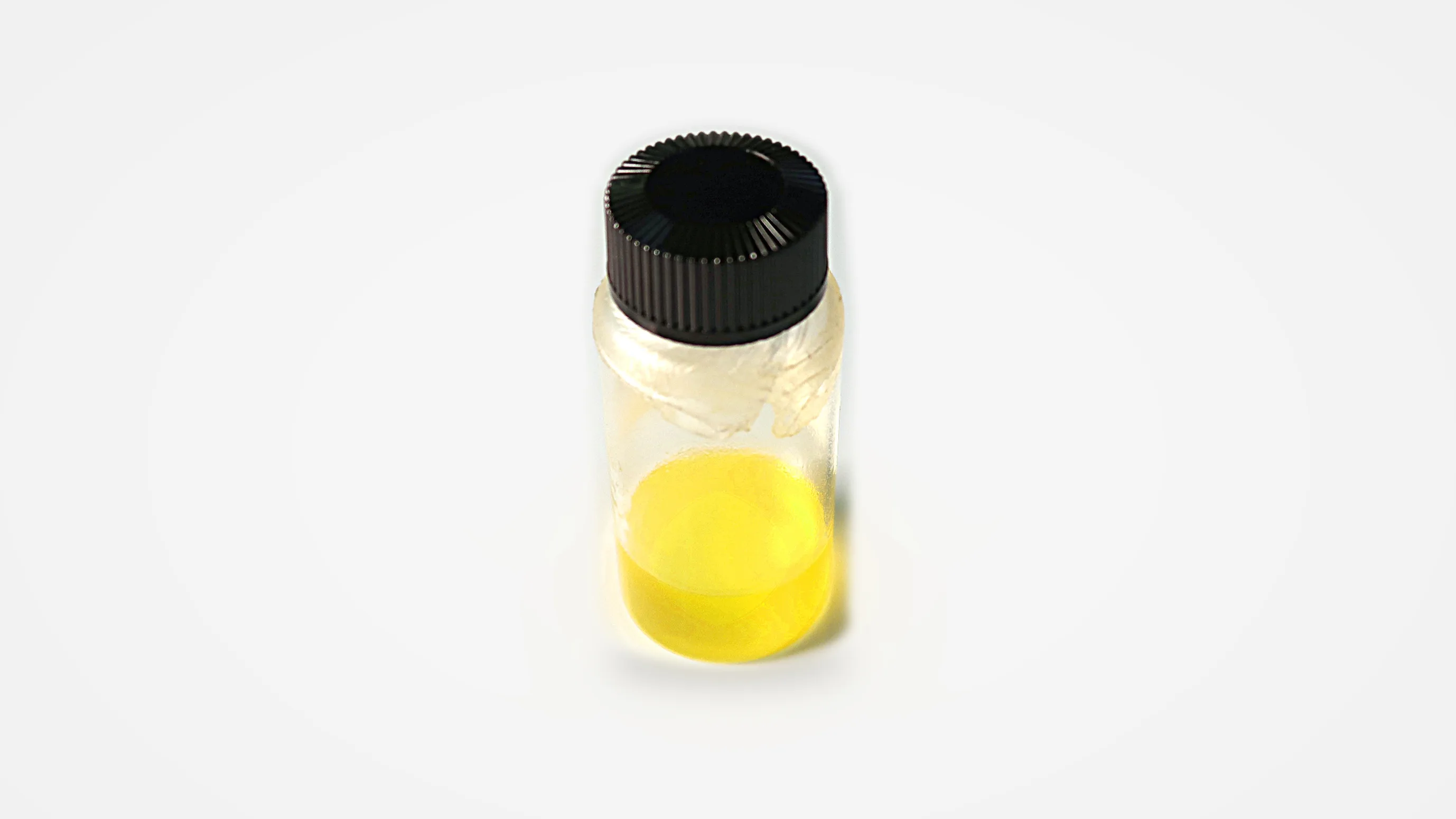
Mazda’s ambitious goal is to begin using the resulting renewable diesel as factory fill fuel in all diesel vehicles manufactured at its Japanese plants by the early 2030s. The research forms part of Mazda’s multi solution approach to reducing vehicle emissions, which includes electrification alongside improvements to existing combustion engine tech.
Renewable fuel could provide diesel vehicles a brighter future, and another pathway towards reducing lifecycle emissions without requiring fundamental changes to their engines or existing vehicle architecture.