
While electric vehicles promise cleaner air and lower carbon emissions, their growing weight (10-30% more than ICE) raises an uncomfortable question: should drivers of heavier electric vehicles pay more to use our roads?
Electric vehicles (EVs) are often celebrated as the future of motoring. They produce no tailpipe emissions, reduce dependence on fossil fuels and offer a pathway towards lower transport-related carbon emissions. Governments have encouraged their adoption through incentives, tax advantages and, in some countries, exemptions from road user charges.
But as EVs become larger, heavier and more powerful, a different problem is emerging. Roads are not indestructible. Bridges have weight limits, tyres create wear, and road maintenance costs money. If heavier vehicles place a greater burden on public infrastructure, should their owners contribute more?
It is a question that deserves serious debate, particularly in New Zealand, where road user charges (RUC) are an important part of funding the transport network.
The weight of the problem
The biggest contributor to an electric vehicle’s additional weight is its battery. Batteries are heavy, and manufacturers often install larger battery packs to deliver greater driving range. Add powerful electric motors, reinforced structures and increasingly substantial vehicle designs, and some electric SUVs and utes can weigh considerably more than comparable conventional vehicles.
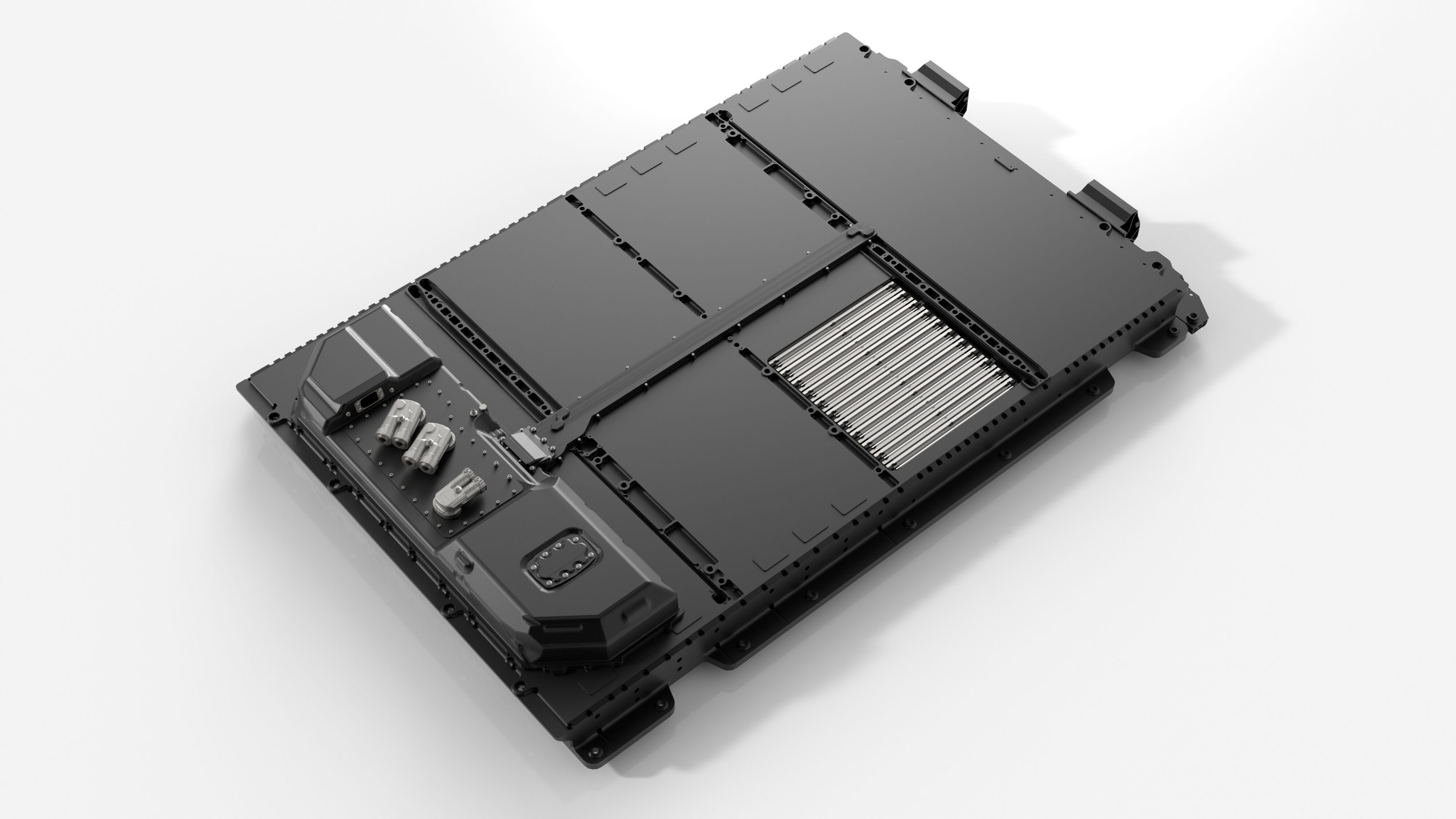
Consider the difference between a small petrol hatchback and a large electric SUV. The latter may weigh hundreds of kilograms more. That difference is not simply a matter of vehicle specifications or performance. It has implications for the infrastructure we all share.
Road surfaces deteriorate under repeated vehicle loading. Heavy vehicles can contribute disproportionately to pavement damage, particularly through the stresses imposed on road structures. The relationship between vehicle weight and road damage is not necessarily linear: axle loads, tyre configuration, road construction and vehicle frequency all matter. In particular, engineers commonly use the fourth-power relationship as a simplified illustration of how axle loading can influence pavement wear.
This means that vehicle weight is not an insignificant consideration. A road network designed around certain assumptions about vehicle loads may face different maintenance demands as the vehicle fleet changes.
However, it would be misleading to suggest that every heavy EV causes more road damage than every petrol vehicle. A fully loaded diesel ute, for example, may be heavier than a small electric car. The real issue is whether road charges adequately reflect the infrastructure costs associated with different vehicle classes.
Why should lighter drivers subsidise heavier ones?
New Zealanders are already familiar with the principle that road users should contribute towards the cost of maintaining the roads they use. Road user charges are designed to help fund the transport system, particularly for diesel vehicles and other vehicles covered by the RUC system. As EVs move into the RUC framework, the debate is no longer simply about whether electric vehicles should pay. It is increasingly about whether the amount they pay is fair.
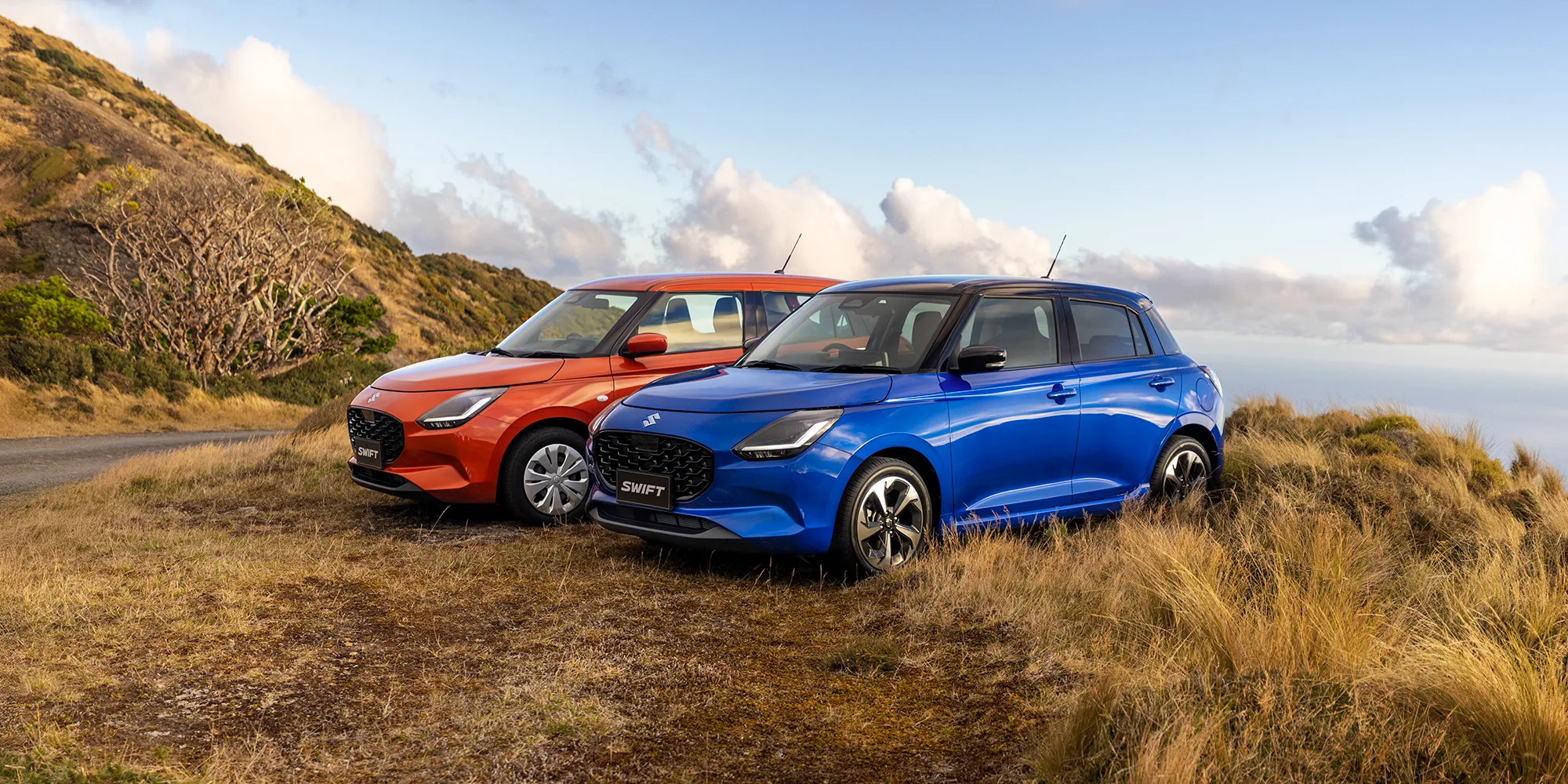
Imagine two motorists travelling the same distance. One drives a relatively light petrol hatchback, while the other drives a large, heavy electric SUV. Both use the same road, but their vehicles may impose different demands on road infrastructure. Should they pay exactly the same amount?
There is a compelling argument that they should not. If one vehicle creates greater infrastructure costs, its owner should contribute a greater share. Otherwise, lighter vehicles effectively subsidise heavier ones. This is not an argument against electric vehicles. It is an argument for fairness.
A road charging system should not favour a particular technology simply because it is marketed as environmentally friendly. Nor should it punish motorists for choosing an electric vehicle. Instead, charges should reflect measurable costs and apply consistently across vehicle technologies.
The uncomfortable contradiction of the green revolution
Governments have spent years encouraging motorists to transition towards electric vehicles. The message has been simple: buy an EV, reduce emissions and help create a more sustainable future. But sustainability is about more than what comes out of an exhaust pipe.
A heavier vehicle requires more materials to manufacture, including additional battery materials. It may place greater demands on tyres and road infrastructure. Larger batteries also require more resources and energy to produce. While EVs generally offer significant lifecycle emissions advantages over comparable petrol vehicles, their environmental footprint is not zero.
There is an uncomfortable contradiction in encouraging people to purchase increasingly large electric SUVs while overlooking the wider costs associated with their size and weight. Are we genuinely encouraging sustainable transport, or simply replacing one form of consumption with another?
If the objective is to reduce environmental harm, perhaps governments should encourage smaller, lighter and more efficient vehicles rather than treating every electric vehicle as an equally positive environmental choice. A two-tonne electric SUV should not automatically receive the same policy treatment as a compact electric car.
What is New Zealand doing about it?
New Zealand has already taken steps towards making EV owners contribute to road funding. Since 1 April 2024, owners of most light electric vehicles have been required to pay road user charges. The standard rate for most light EVs is currently $76 per 1,000 kilometres. Plug-in petrol hybrids pay a reduced rate of $38 per 1,000 kilometres because petrol purchases already attract fuel excise duty.
However, an interesting inconsistency remains. Heavy electric vehicles weighing more than 3.5 tonnes have been exempt from RUC. That exemption has been extended until 1 July 2027. This raises an obvious question: why should a heavy electric truck or bus receive preferential treatment when it still uses public roads and contributes to infrastructure wear?
The Government has indicated that heavy EVs will eventually need to contribute to road funding. That is a positive step, but it also highlights the need for a more sophisticated charging system. At present, most light EVs fall into the same standard RUC weight category, meaning a relatively small electric car and a much heavier electric SUV can face the same basic distance charge. Is that genuinely fair?
Don’t punish people for going electric
Of course, there is another side to this debate. EVs are still competing against established petrol and diesel vehicles. Making heavier electric vehicles significantly more expensive to operate could discourage adoption and undermine efforts to reduce transport emissions.
There is also a danger of oversimplifying road damage. Heavy trucks, buses and commercial vehicles have different axle configurations and loading patterns from passenger cars. A vehicle’s total weight alone does not tell the complete story. Furthermore, electric vehicles offer benefits that are not captured by road user charges, including reduced tailpipe pollution and potentially lower greenhouse gas emissions over their lifetime.
Should EV owners be penalised for purchasing a technology that governments themselves have encouraged? That is a legitimate concern. Any new charging system must avoid becoming an additional tax simply because a vehicle happens to be electric. But equally, environmental benefits should not provide a blank cheque for avoiding infrastructure costs.
Time for a smarter road charging system
The solution is not to impose an arbitrary additional tax on every electric vehicle. It is to modernise the way road user charges are calculated. New Zealand should consider a system that takes into account distance travelled, axle configuration, vehicle weight and the estimated infrastructure impact of different vehicle classes. Ideally, charges should be technology-neutral, meaning petrol, diesel and electric vehicles are assessed using the same underlying principles.
A lightweight electric hatchback should not necessarily pay the same infrastructure-related charge as a substantially heavier electric SUV if the latter demonstrably creates greater road costs. Likewise, a heavy diesel ute should not escape scrutiny simply because it uses conventional fuel. The system should be transparent, evidence-based and regularly reviewed as vehicle technology develops.
The final question – Who should pay for the roads?
The electric vehicle revolution should not be an excuse to ignore the cost of maintaining our roads. We cannot simultaneously demand sustainable transport, invest billions in road infrastructure and pretend that vehicle weight is irrelevant. Someone ultimately pays for road repairs, and that someone is often the taxpayer.
The reality is that a greener vehicle is not necessarily a lighter vehicle, and a zero-emission vehicle is not a zero-impact vehicle. Perhaps it is time to stop asking whether EVs deserve special treatment and start asking a much simpler question: why should one road user pay less than another when they impose greater costs on the infrastructure we all share?
The future of transport should be cleaner, smarter and fairer. That means rewarding genuine environmental progress without making ordinary motorists subsidise increasingly heavy and oversized vehicles.
If your vehicle weighs more and causes greater road wear, should you pay more? It is a controversial question, but perhaps the bigger controversy is why we have been so reluctant to ask it.