Mate Rimac says his company is working with BMW on two more cars after the i7 facelift, though he won’t yet say which models are involved.
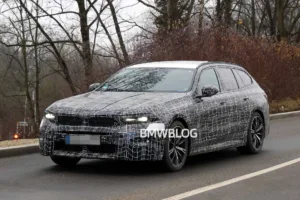
The BMW i7 facelift was only the opening act. Mate Rimac has confirmed that his Croatian company, Rimac Technology, is working with BMW on two more cars. Which ones? He isn’t saying.
Speaking to Automotive News, Rimac called BMW a big partner and said two more projects were in the pipeline. He declined to give details. For now, the facelifted i7 is the only confirmed production model using the jointly developed technology.
A Supplier Deal Years in the Making
Getting into BMW’s supply chain took time. Rimac said the work ran for more than three years and moved through several development stages. As is usual in the industry, rival suppliers competed along the way before BMW chose its partner for series production.
Premium positioning doesn’t let BMW overpay, either. Battery pricing is fiercely competitive, with Chinese manufacturers keeping costs under pressure. Rimac Technology had to meet BMW’s targets for performance, quality, production capacity and cost.
Rimac also took a sizeable gamble. While his campus was still under construction, he showed visiting BMW staff where their production line would go, before any contract was signed. He says that commitment helped convince Munich his team could meet its schedule.
What Rimac Brought to the i7
For the i7’s mid-cycle update, Rimac helped BMW integrate cylindrical battery cells. The setup pairs Gen6 cell technology with a Gen5 module design, which lifts energy density by 20%.
The practical gains are substantial. Usable capacity rises by more than 10% to 112.5kWh. The i7 60 xDrive gains about 120km of range over the pre-facelift car, reaching more than 727km. Peak DC charging climbs from 195kW to 250kW, and a 10 to 80% charge takes 28 minutes. These are manufacturer figures rather than independent test results.
That is a meaningful step for a facelift. Mid-life updates more often bring revised bumpers and a fresh screen than a reworked battery.
The Mystery Models
Rimac didn’t say whether the two upcoming cars will be fully electric or plug-in hybrids. BMWBlog has previously reported that the partnership could bring battery upgrades to the facelifted i5, which is expected in 2027. That is the outlet’s own reporting, and neither company has confirmed it.
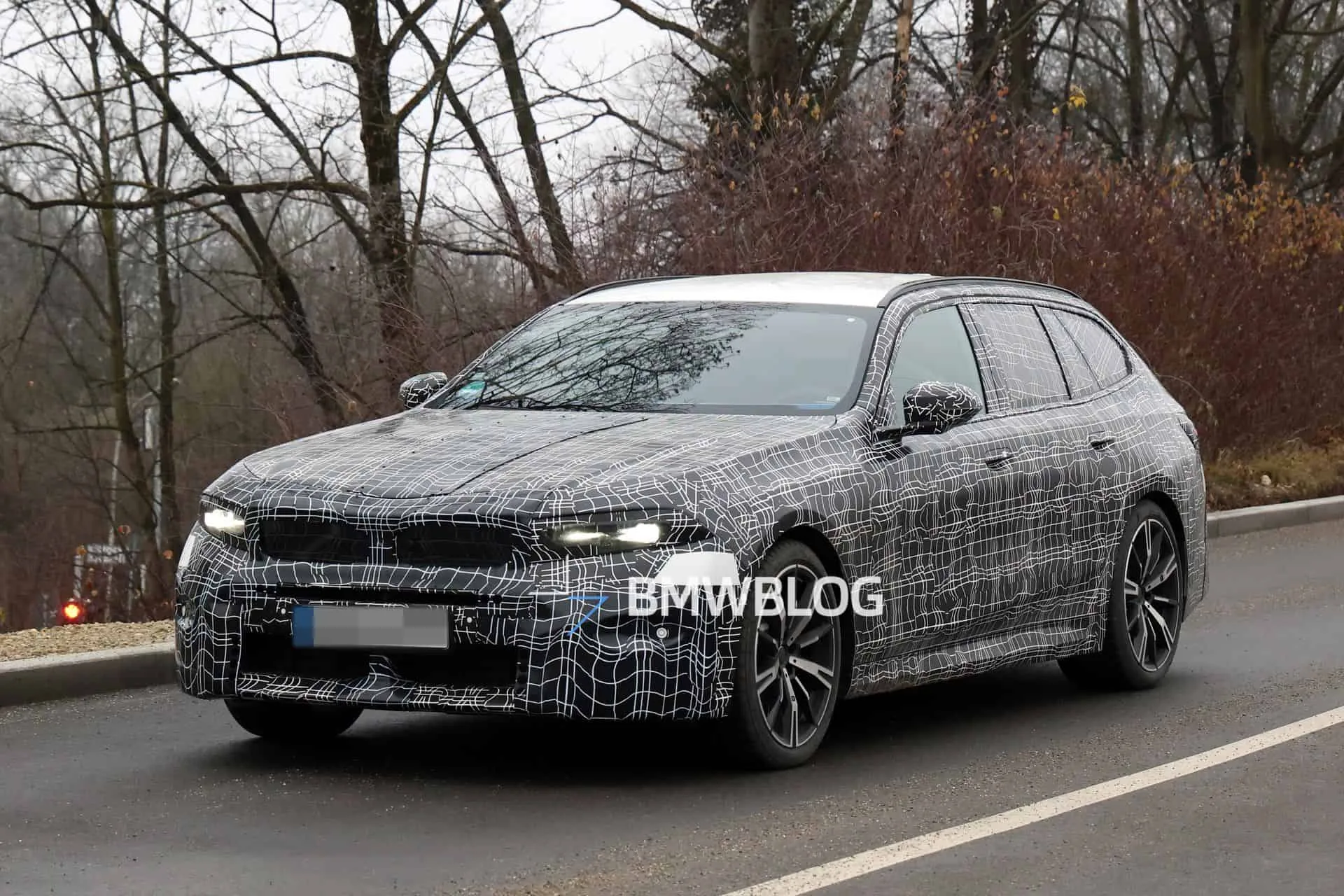
If the i5 is one of them, it would likely follow the i7’s approach. It would stay on the CLAR platform and combine Gen5 and Gen6 technology for more range and faster charging. Nobody has named a credible candidate for the second car.
Why It Matters
The i7 contract puts Rimac Technology inside the supply chain of one of BMW’s flagship models, and it took years to earn. Two more cars would turn that first order into an ongoing relationship. They would also mean Rimac’s early bet, building a production line for a customer that hadn’t yet signed, has paid off more than once.