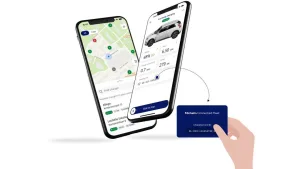
Michelin has launched MICHELIN EV Charge, a single-card charging service for European fleets that links charging costs to vehicle data through its MyConnectedFleet platform.
Michelin is best known for tyres and restaurant stars, we know it. But its latest launch is about charging, though: the company has introduced MICHELIN EV Charge, a service for business fleets running electric vehicles across Europe.
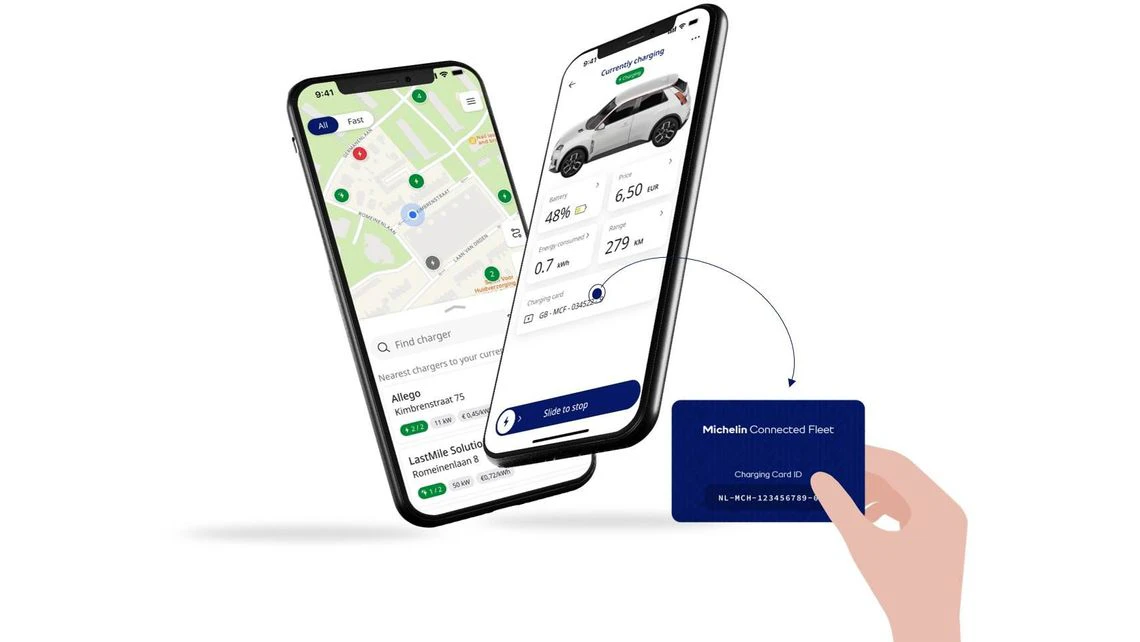
Michelin’s offer is one card, one app and fewer surprises on the energy bill. The service is part of MICHELIN Connected Fleet, the company’s business selling telematics and data tools to fleet operators.
Fleet charging needs fixing
Michelin points to the 2026 Arval Mobility Observatory barometer for context. That study found 57% of fleets already include electric vehicles. A further 19% plan to switch within the next three years, but buying the cars is only half the job. Out on the road, drivers face many charging networks, each with its own tariffs and ways to pay. For fleet managers trying to track spending, that mix quickly becomes an operational headache. (Anyone who has kept three charging apps on one phone will understand.)
One card, one app
With EV Charge, drivers use a single card and a dedicated mobile app to reach what Michelin calls an extensive European charging network. The app helps them find available stations and plan journeys around their needs.
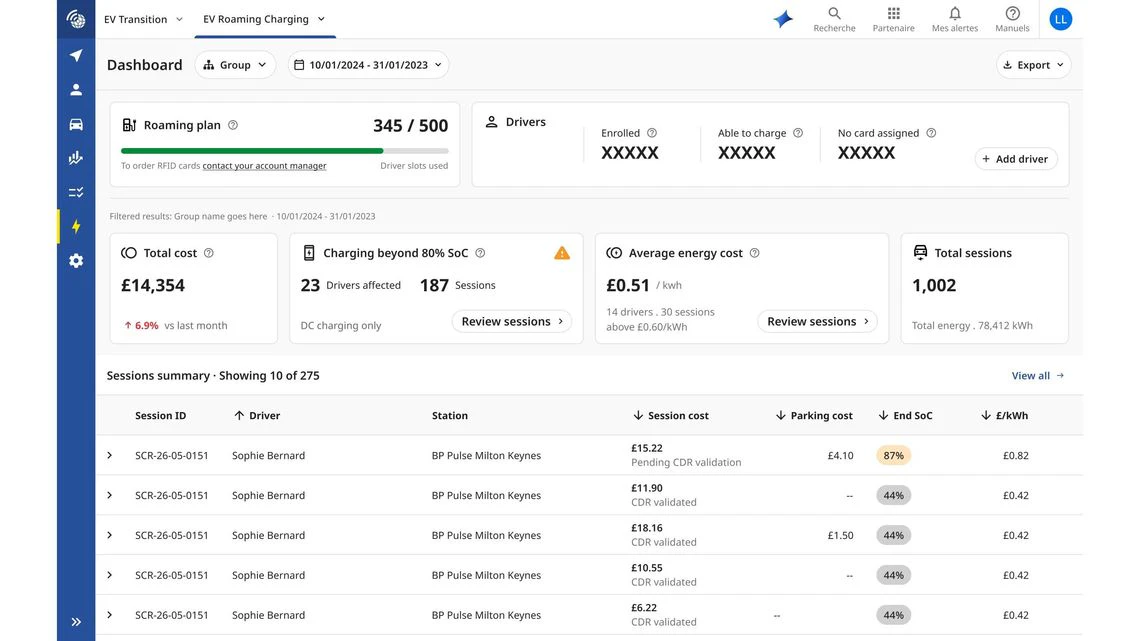
For managers, the main benefit is clearer spending. Michelin promises transparent pricing with no extra network charges. In some cases, it also offers negotiated tariffs. There are some gaps, however. Michelin hasn’t said how large the network is or which countries it covers. It also hasn’t said where the negotiated rates apply or what the service costs.
Where the data comes in
The more interesting part sits behind the card. EV Charge connects to MyConnectedFleet, Michelin’s fleet management platform. That platform automatically combines charging records with vehicle telematics. The result is one overview of journeys, energy use, charging status and drivers’ charging habits. Michelin says this data can flag habits that waste money (and, the part they don’t say, make them money).
It can then produce targeted recommendations to reduce charging costs. That is where a charging card becomes a cost-control tool. Its value, of course, depends on managers acting on what the data shows. EV Charge joins existing Connected Fleet tools for each stage of the switch to electric.
Until now, the cost of charging away from base was missing from that set. Michelin says the new service fills the gap and gives managers more control over energy spending.