We’ve all heard the tired old story about heritage brands “reimagining classics” for the modern era. Usually it’s a polished turd wrapped in nostalgia and slapped with a hefty price tag. But every once in a while, someone actually gets it right. And mon dieu Renault just nailed it with the 8 Gordini Concept.
A Legend Returns – With a Serious Attitude Adjustment
The original Renault 8 Gordini arrived in 1964 as a bit of genius: take an affordable production car, bolt on 95 horses of rear-mounted mayhem, and suddenly you’ve got a genuinely quick ride that didn’t require you to win the lottery first. It became the “training car” for a generation of drivers, including rally legend Jean Ragnotti. The hallmark double white stripe? Iconic doesn’t even begin to cover it.
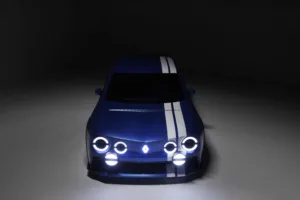
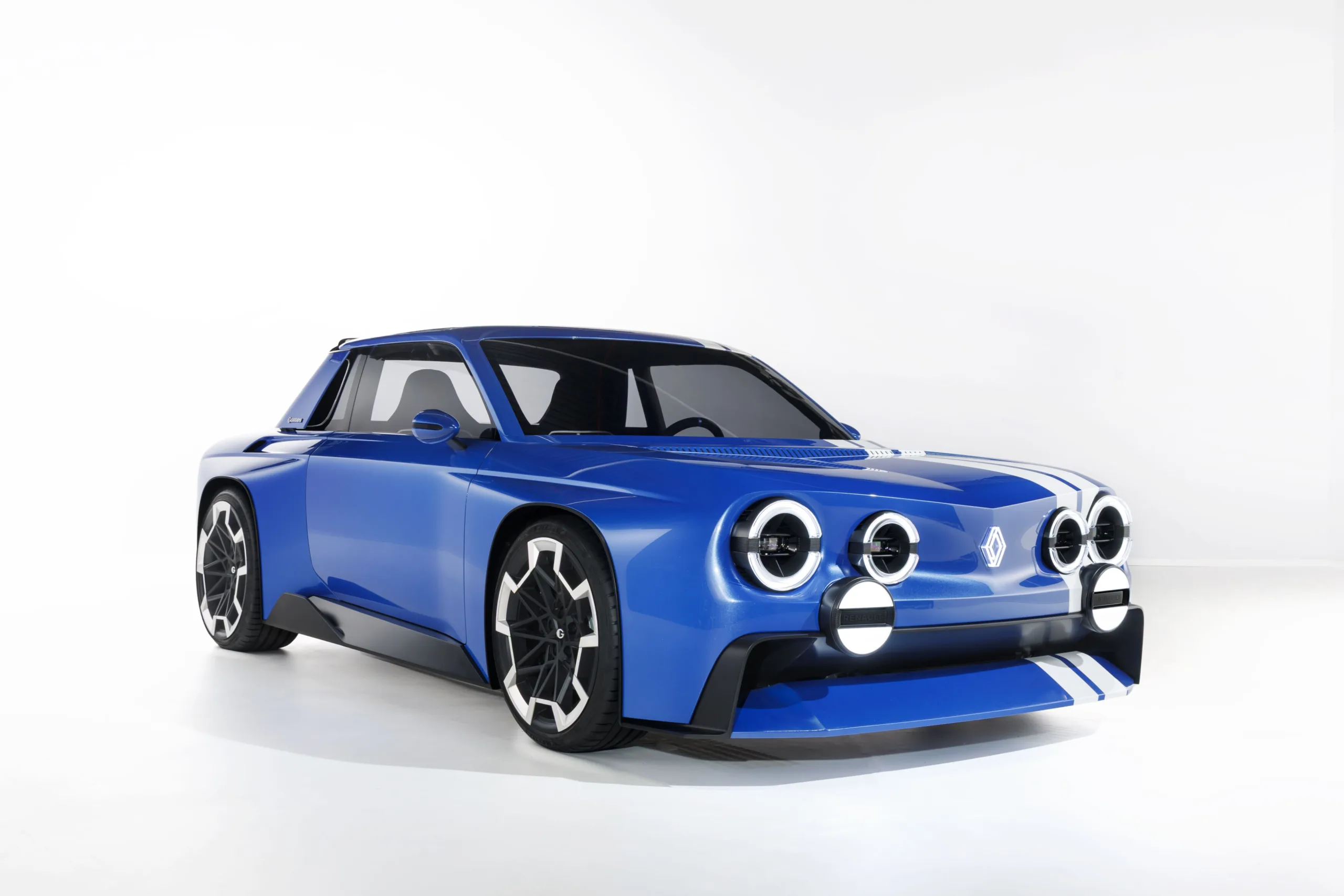
Fast forward to 2026, and Renault’s done something remarkable: they’ve taken everything that made the original a legend and translated it into a 270 hp electric two-seater that looks like it’s just rolled out of a modern rally garage. And we’re not talking about some sad pastiche either, this is genuine, thoughtful design that respects the past while firmly planting its flag in the future.
Stripped Back, Wound Up, and Absolutely Gorgeous
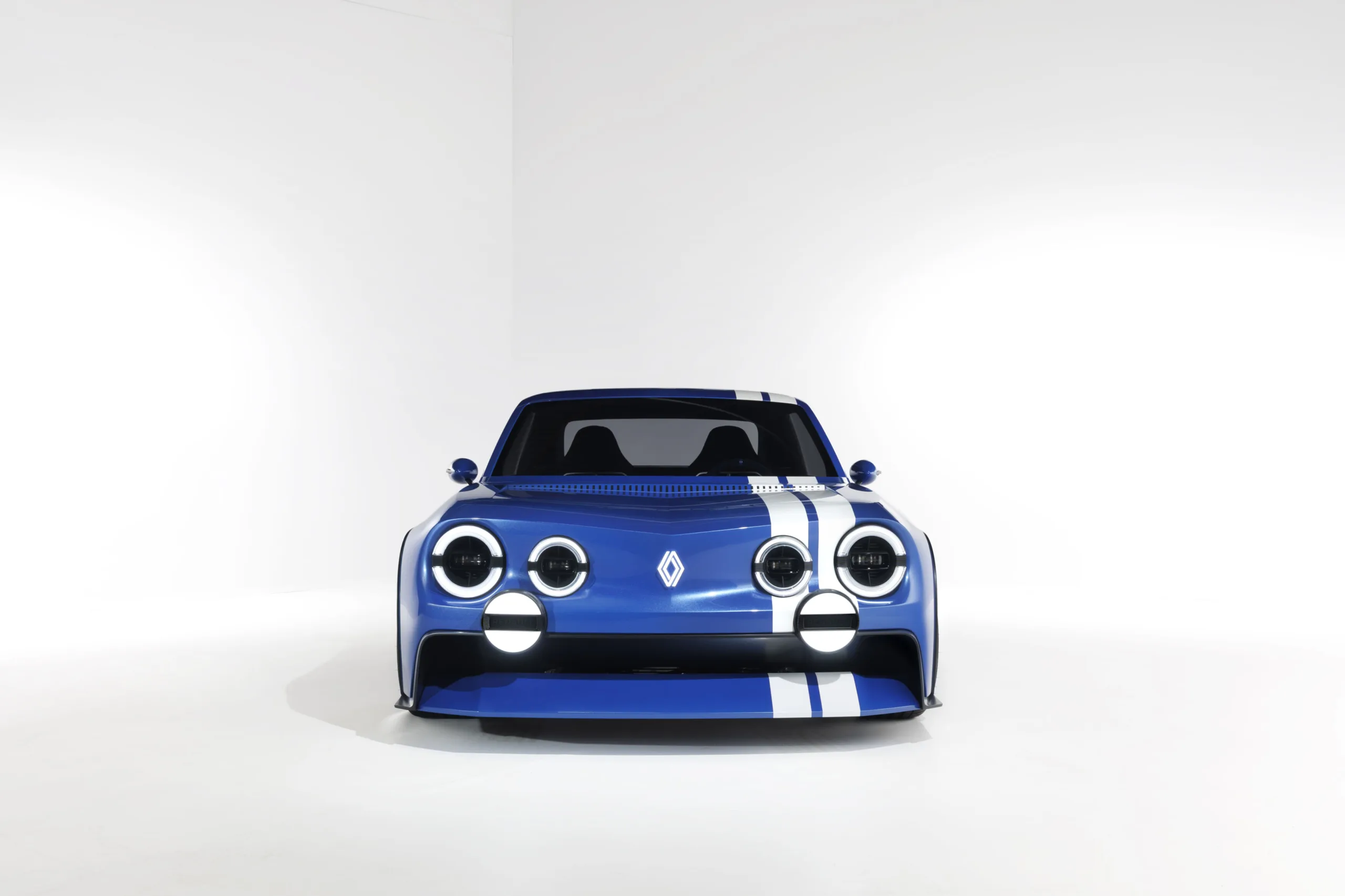
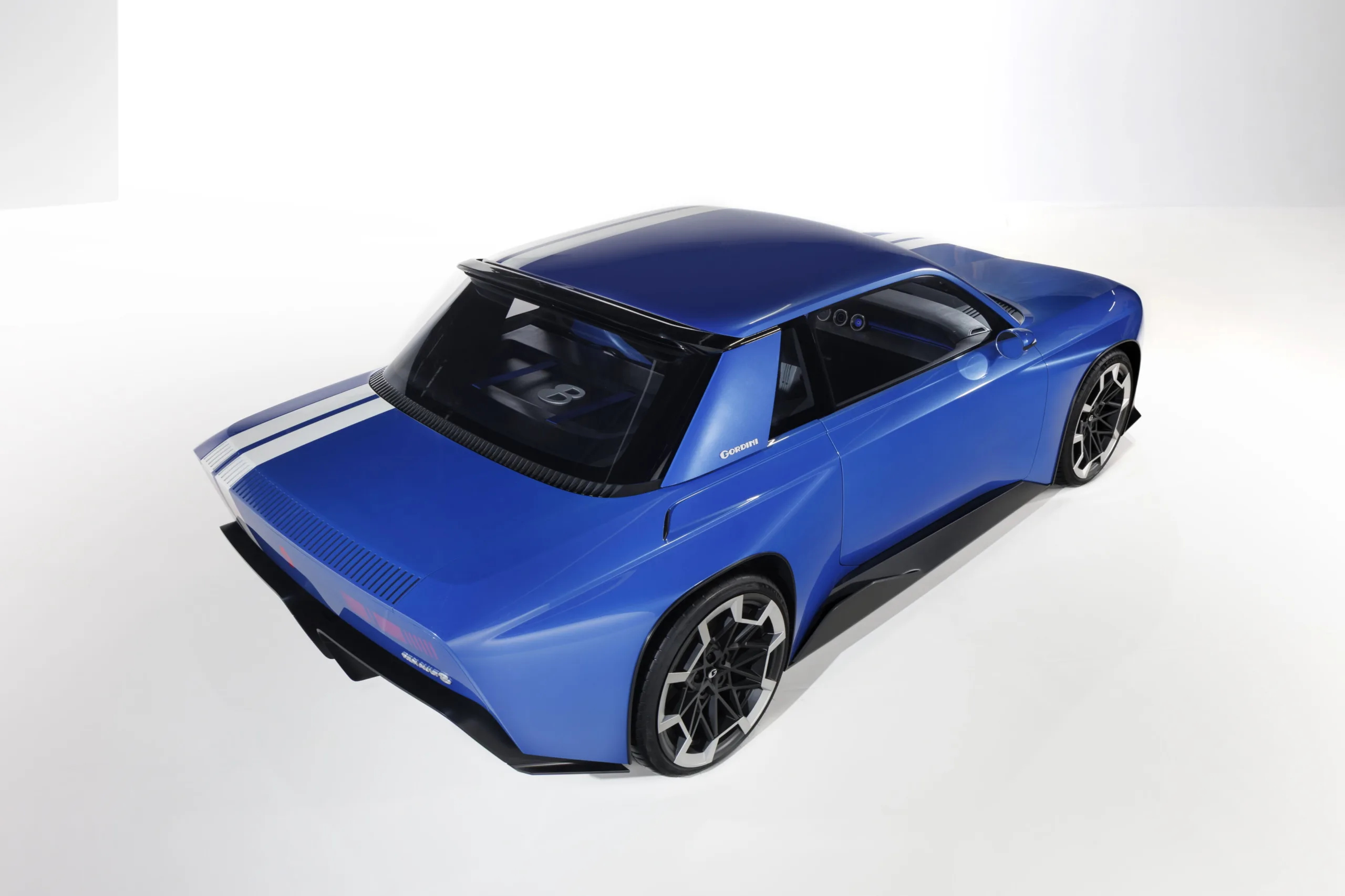
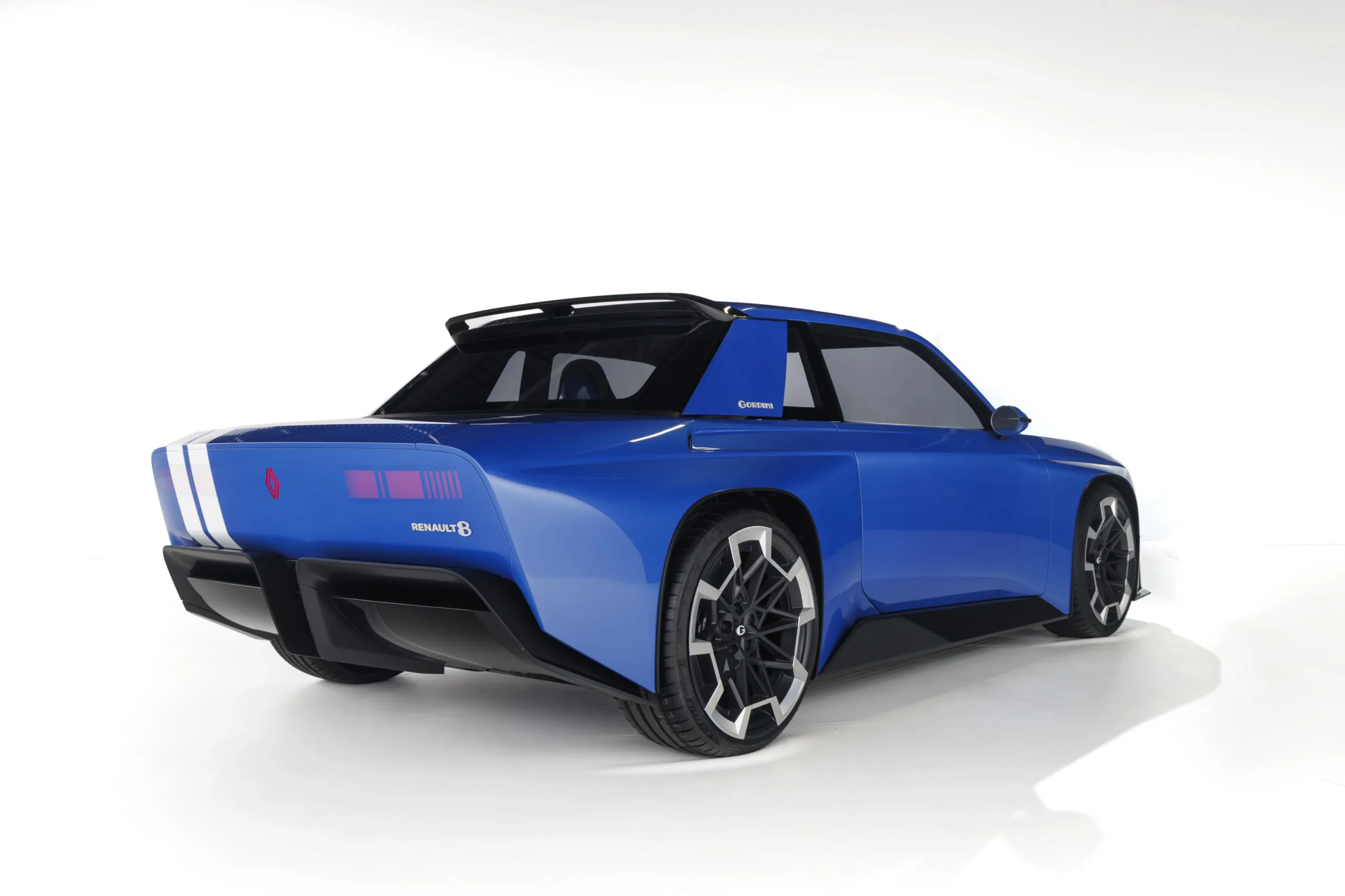
Here’s where the Renault 8 Gordini Concept separates itself from the weekend warriors. The design team took a “café racer” philosophy, stripping away unnecessary bits and maximizing raw mechanical beauty, and applied it to a proper motor. The result? A low, wide stance with 19-inch front and 20-inch rear wheels that sits squarely on the road like today’s rally cars. At 4.12 metres long and 1.27 metres tall, it’s aggressively compact, with six headlights, a V-shaped aggressive prow, and a muscular rear end that hints at the original’s rear-mounted engine layout.
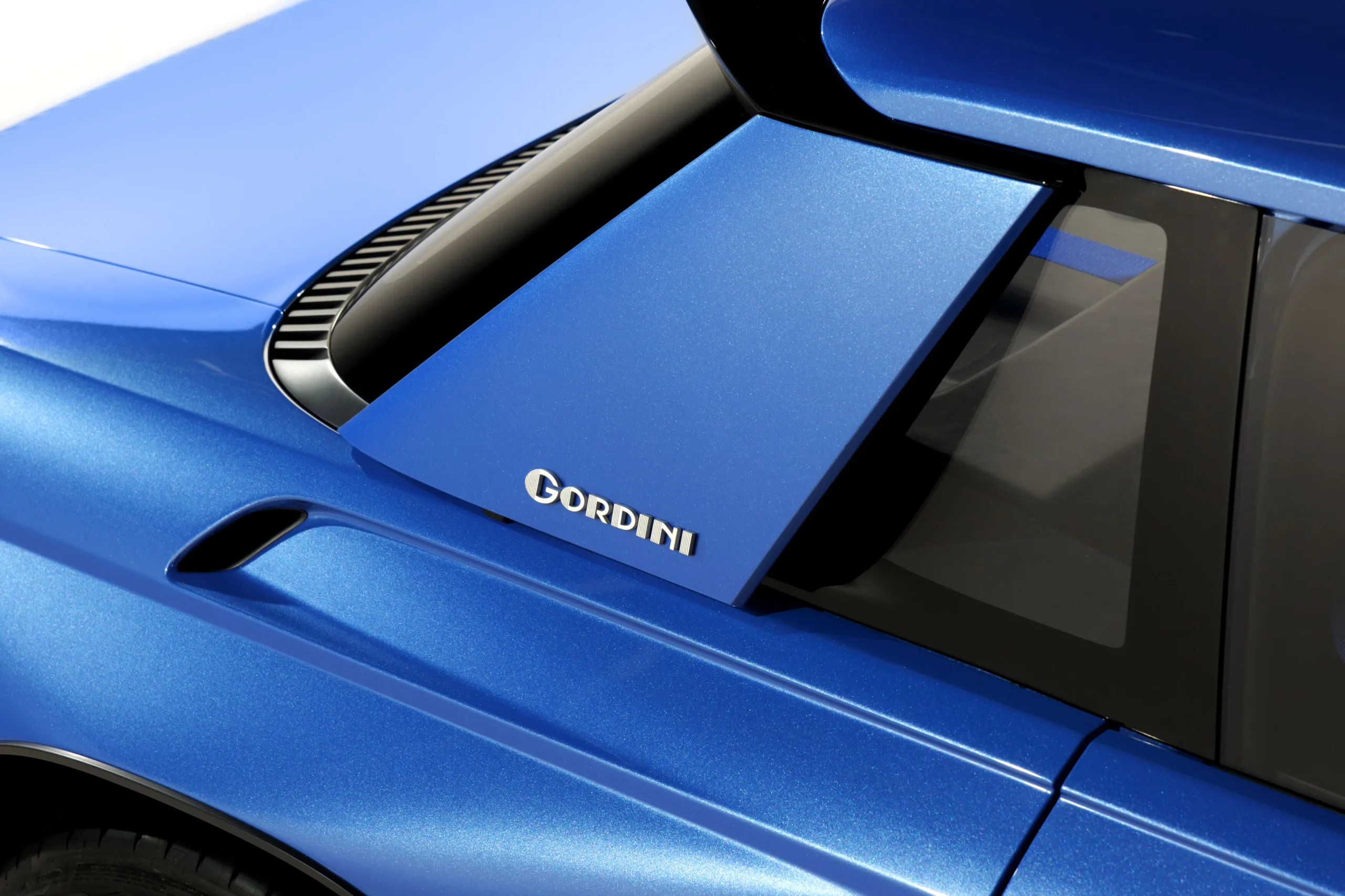
Unlike Renault’s R17 collaboration with designer Ora Ïto, this beauty is 100% Renault Design, generated from an in-house competition that saw over 300 sketches submitted by brand designers. Two were developed as scale mock-ups, and the best bits of each were merged into this stunning final product.
Where Heritage Meets High-Tech
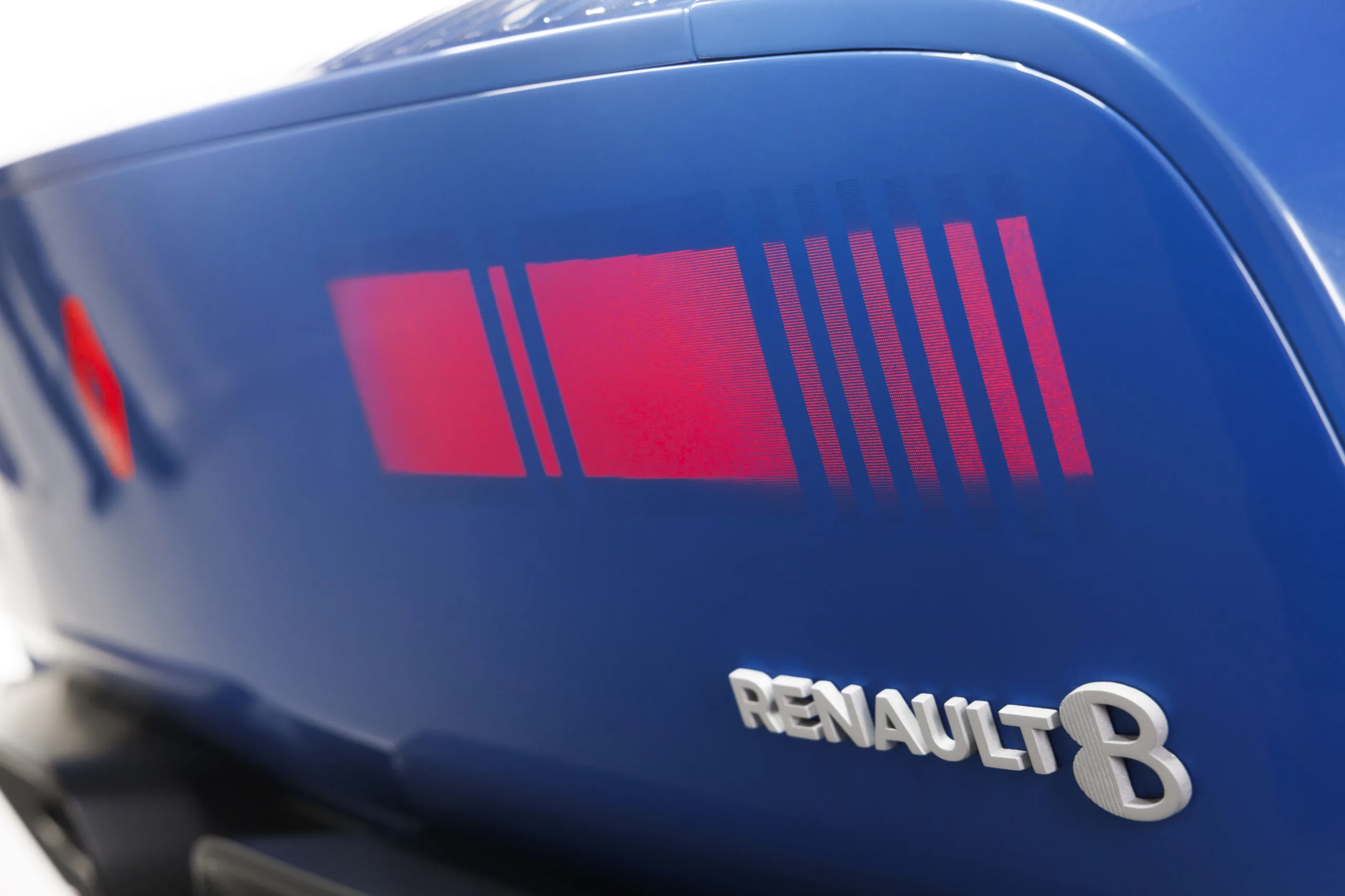
What really gets us excited is how Renault’s handled the design references without descending into retro kitsch. The iconic double white stripe? It’s now a structural component that coordinates the entire design, running from the exterior through the dashboard and into the cabin. The squared-off wheel arches are back, but now they’re emphasising muscular lines rather than just following tradition. The shell-shaped wing mirrors are there, the rectangular wheel arch profile is maintained, and those six round headlights are rendered in 3D and perfectly integrated. It’s a masterclass in modernizing icons without destroying them.
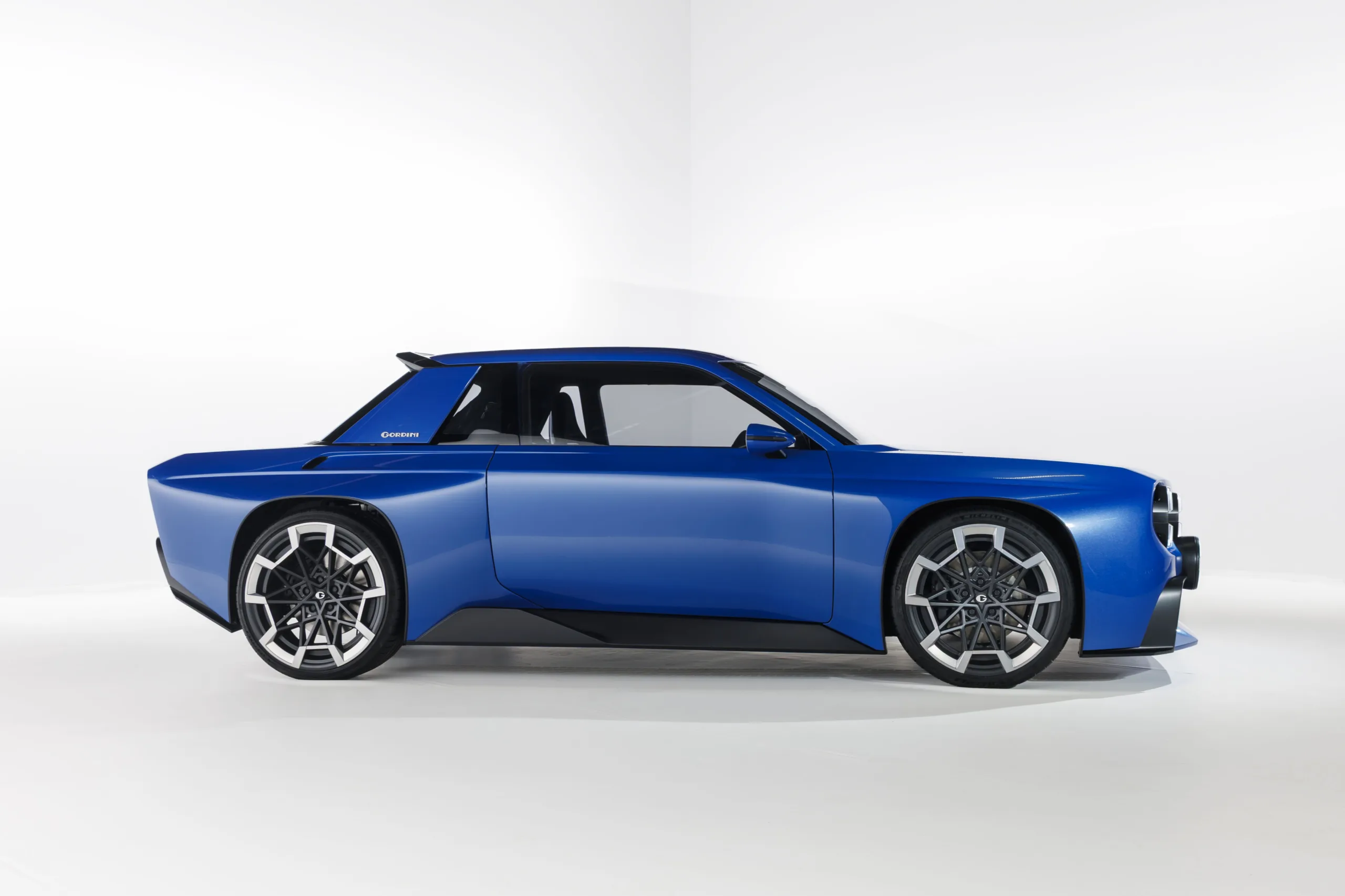
The colour choice alone deserves a mention: inspired by the original Bleu de France, the modern version uses three layers of paint combining mother-of-pearl with a blue-tinted binder, so the historic shade literally peeks through at the edges, revealing the sculpted bodywork. That’s the kind of attention to detail that separates concept art from actual design excellence.
Inside: Minimalism Done Right
The interior is where things get genuinely clever. The dashboard is a horizontal brushed aluminium strip (no plastic in sight, very café racer). The original’s iconic dashboard visor still runs the width of the cabin, but the round dials are now digital displays floating above that metallic strip. Alcantara trim sits alongside brushed aluminium controls, with bucket seats featuring blue corduroy centres that echo the flat, simple seats of the original. The only thing designed to grab your eye? A single red dot on the stopwatch button. Everything else is focused on one thing: the drive. No distractions. Pure purpose.
The Reality Check
Before you start imagining this pulling up in your driveway, let’s be clear: this isn’t a production car. Renault describes it as “an exploratory concept and an exercise in style” designed to reinterpret Gordini heritage and become part of the brand’s growing heritage collection. And that collection’s going somewhere serious—the future Renault Collections museum in Flins opens in around 15 months, where the public will finally get to see these modern reinterpretations alongside historic models and archive material.
Where to See It
Aside from a poster on my wall, the Renault 8 Gordini Concept is heading to the Paris Motor Show from 12–18 October 2026. If you’re anywhere near those events, clear your calendar. This is exactly the kind of thing that reminds you why we still get excited about cars, because sometimes, someone actually gets it right.