When destroying cars is actually a good thing.
We’ve all heard the phrase “crash test,” but most of us never really think about what goes into keeping us safe on the road. Enter GWM, a company that’s apparently decided the best way to prove their vehicles are tough is to smash 4,000 of them to pieces.
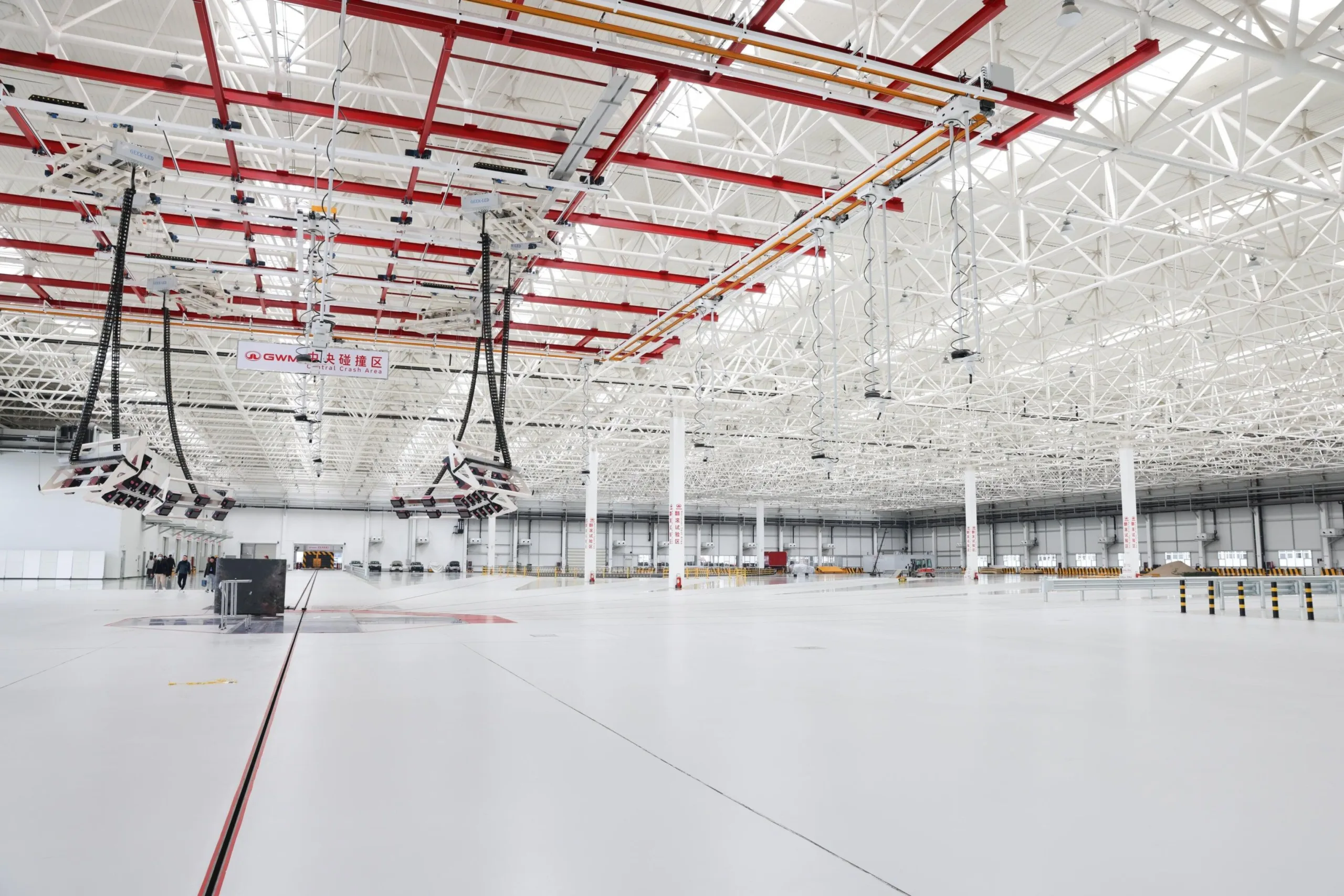
The Lab That Makes Demolition Look Scientific
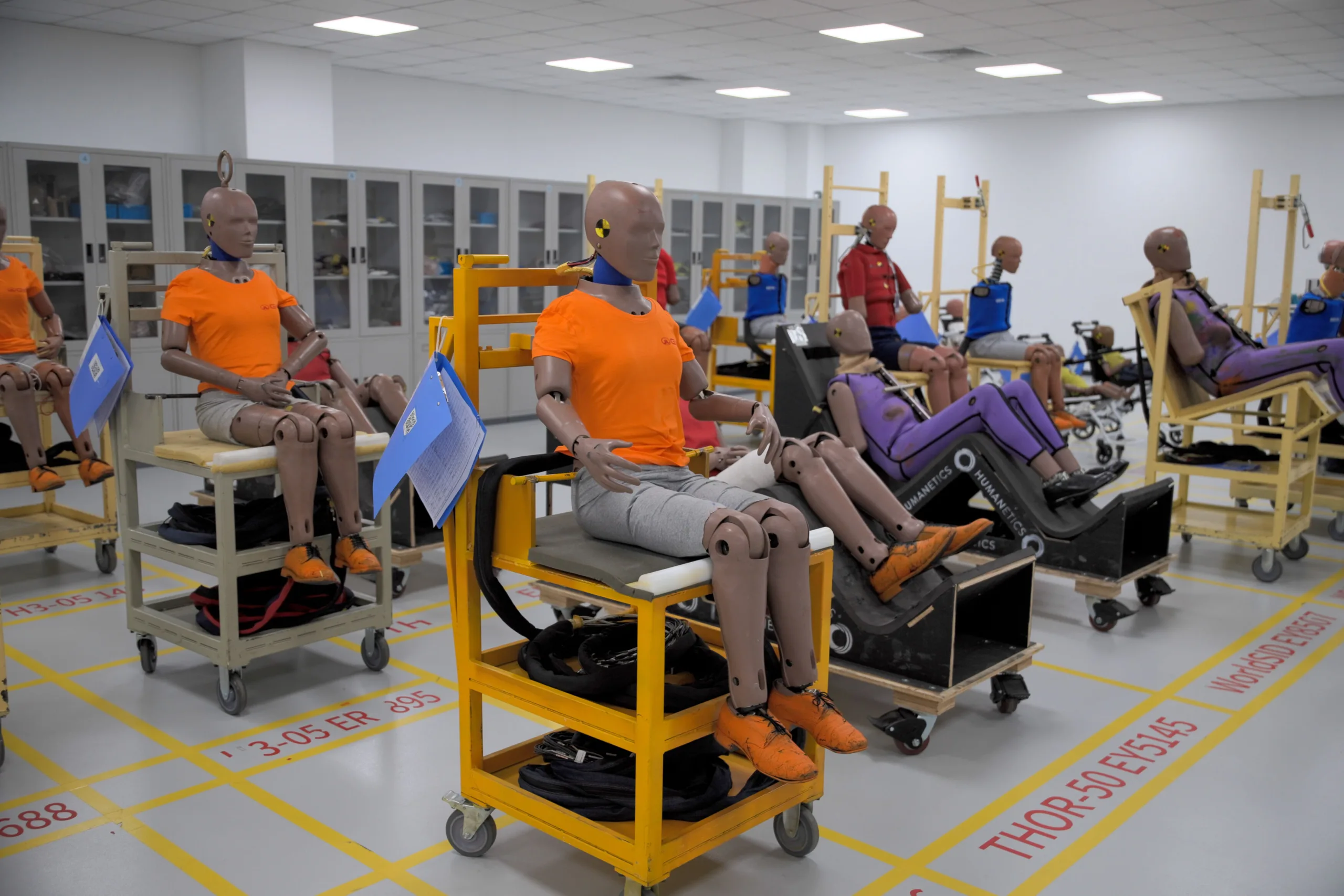
Tucked away in China is a 57,000-square-metre safety facility that represents over AUD $107 million in investment. This is a purpose-built testing palace where engineers recreate every nightmare scenario a vehicle might face on real roads. Think of it as automotive disaster simulation meets mad science laboratory. The setup is genuinely impressive. High-speed cameras capturing footage at 4,000 frames per second? Check. More than AUD $21 million worth of sophisticated crash-test dummies? Double check. The facility features a self-developed “Five-Zone, Eight-Track” layout that can simulate everything from low-speed parking mishaps to high-speed highway horrors.
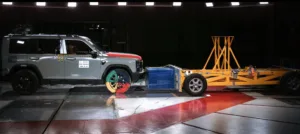
Test 4,000: The Haval H7 PHEV Takes One for the Team
The milestone moment? Crashing an all-new GWM Haval H7 PHEV to smithereens—and honestly, the results are pretty remarkable. The passenger compartment held its structural integrity with no significant deformation (translation: the cabin didn’t cave in), all doors remained operable, and airbags and seatbelts did exactly what they’re supposed to do. But here’s where GWM gets clever: because this is a plug-in hybrid, they didn’t stop testing after the initial impact. The high-voltage electrical system automatically disconnected, the fuel system remained leak-free, and hazard lights activated to warn other road users.
Why This Matters (Beyond the Obvious)
In an era where electric and hybrid vehicles are becoming the norm, safety testing can’t just follow yesterday’s playbook. GWM’s approach demonstrates that whether you’re driving a traditional combustion engine or a battery-powered machine, the commitment to occupant protection remains unwavering.
Since launching their first safety laboratory in 2008, GWM has expanded capabilities to the point where they now operate Asia’s largest independent in-house automotive safety testing facility. Their global credentials speak volumes: multiple models have achieved five-star ratings from ANCAP in Australia and New Zealand, plus Euro NCAP in Europe.
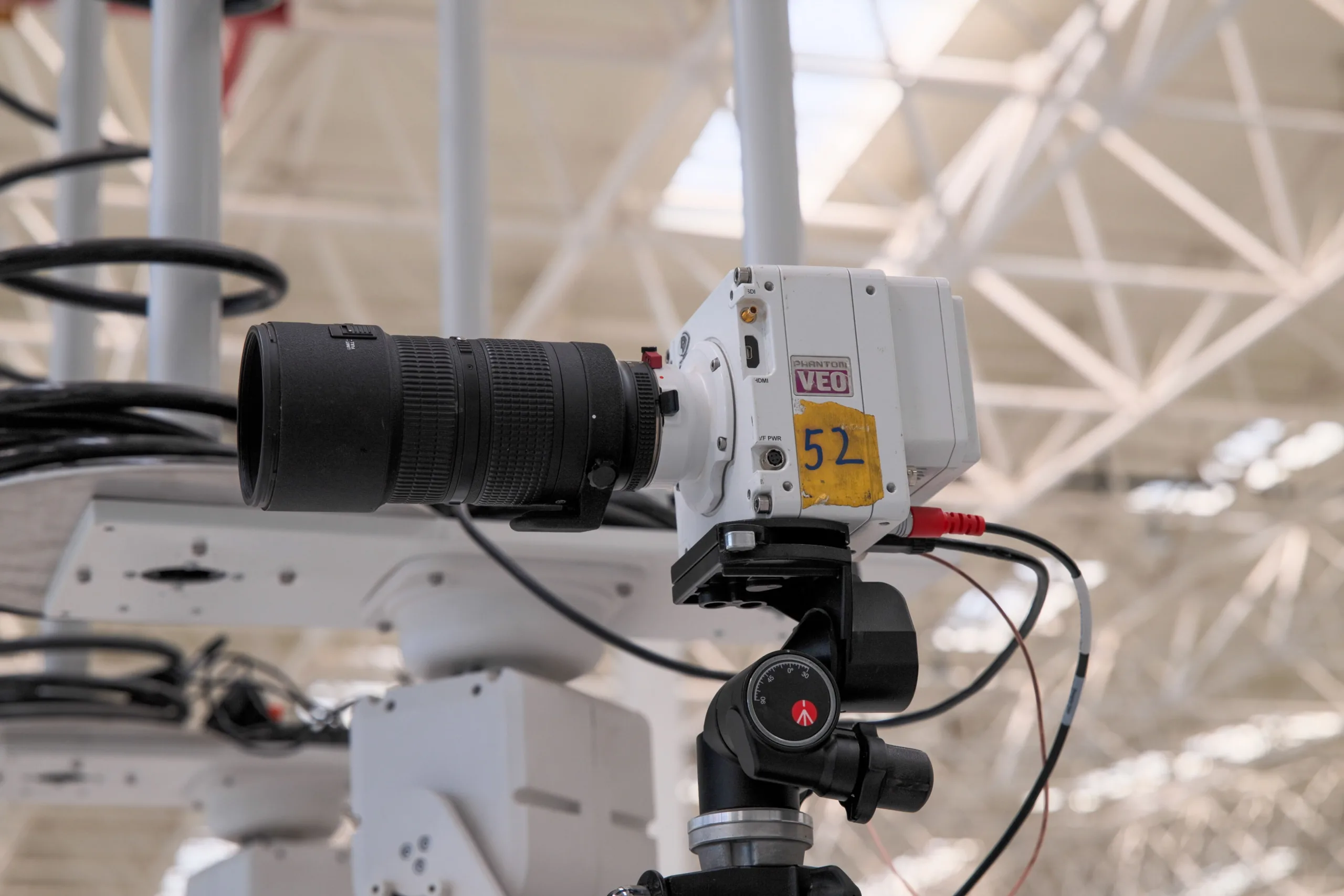
The Tech Behind the Testing
Digital simulation complements the physical crash testing, allowing engineers to recreate thousands of road scenarios and emergency conditions throughout vehicle development. It’s a one-two punch of real-world validation and virtual scenario planning an approach that actually saves lives.
The Bottom Line
When a manufacturer is willing to invest over AUD $100 million in a safety facility and dedicate nearly two decades to perfecting crash testing protocols, you can’t help but respect the commitment. GWM’s 4,000th crash test represents more than just a marketing milestone, it’s evidence of an engineering philosophy that prioritizes customer safety as seriously as performance or design.
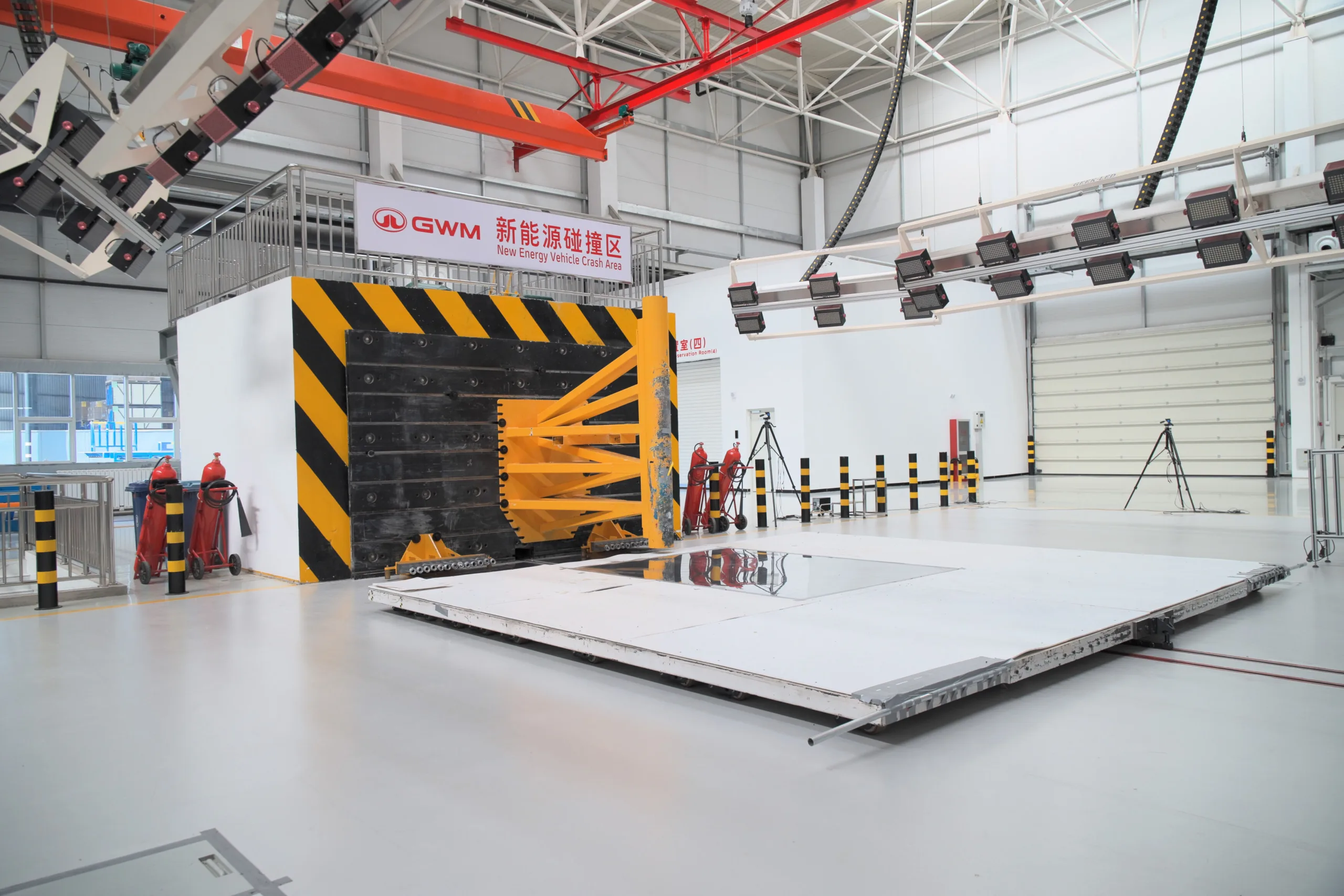
So the next time you see a GWM vehicle on New Zealand roads, remember: behind that sleek exterior stands a company that’s quite literally proven its metal through thousands of controlled collisions. Not all heroes wear capes, some just really, really care about not letting bad things happen to good people.
Because when it comes to automotive safety, there’s no such thing as too much testing.
You may also like: ‘Our Dummies are American’ – GWM’s Epic Crash Test Facility in Baoding, China