Swedish electric vehicle manufacturer Polestar has just shaken things up with the launch of the Polestar 4 SUV, and honestly, it’s the kind of announcement that deserves some serious attention. It’s a thoughtfully engineered variant that brings genuine versatility to the performance car segment while maintaining everything that makes Polestar, well, Polestar.
Michael Lohscheller, Polestar’s CEO, nailed it when he said the new SUV “broadens the appeal of our most successful model.” While the original Polestar 4 coupé turned heads with its sleek, sophisticated design, the SUV version opens doors (quite literally) to a whole new audience of drivers who want performance without sacrificing practicality.
Design That Actually Makes Sense
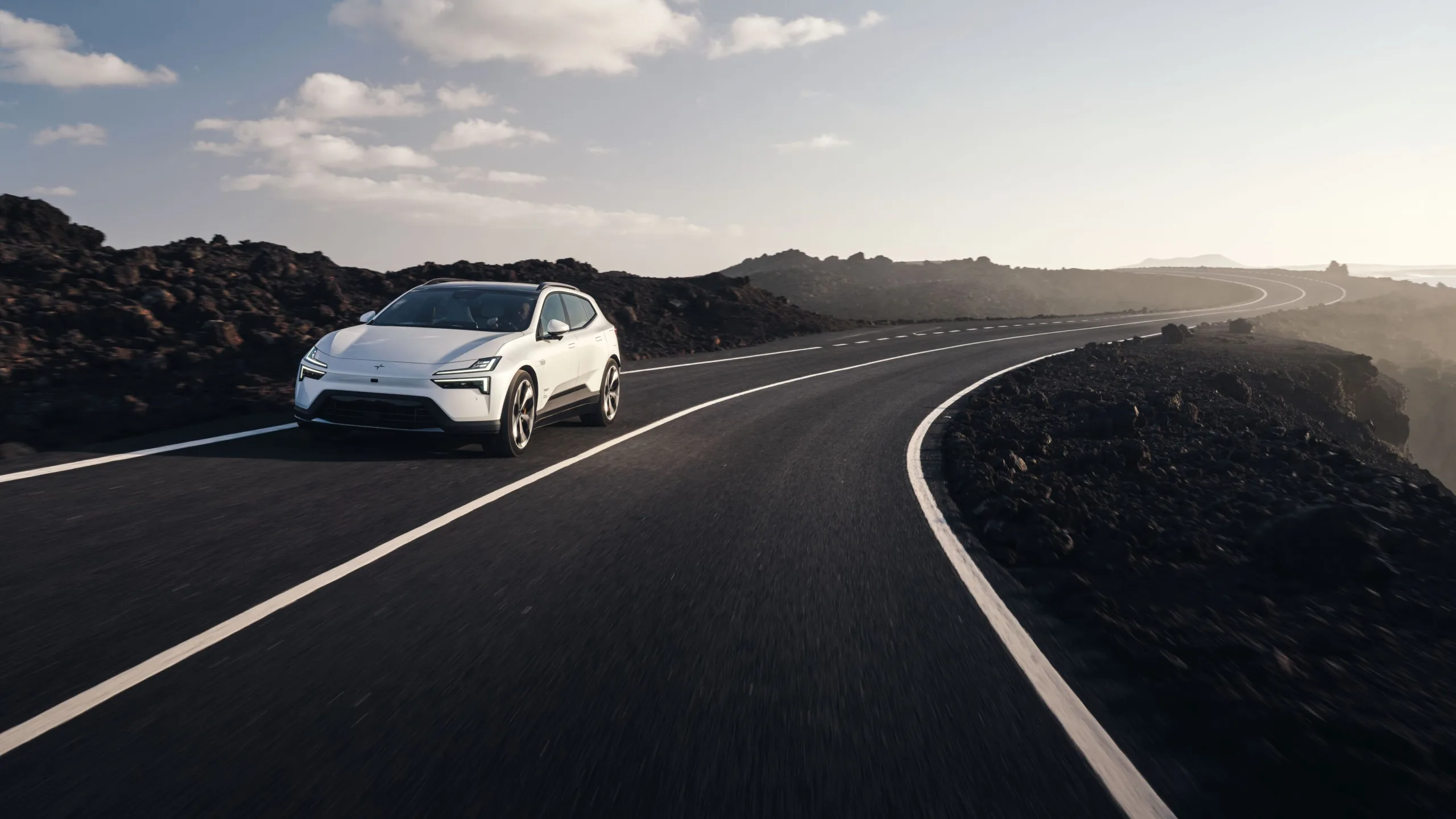
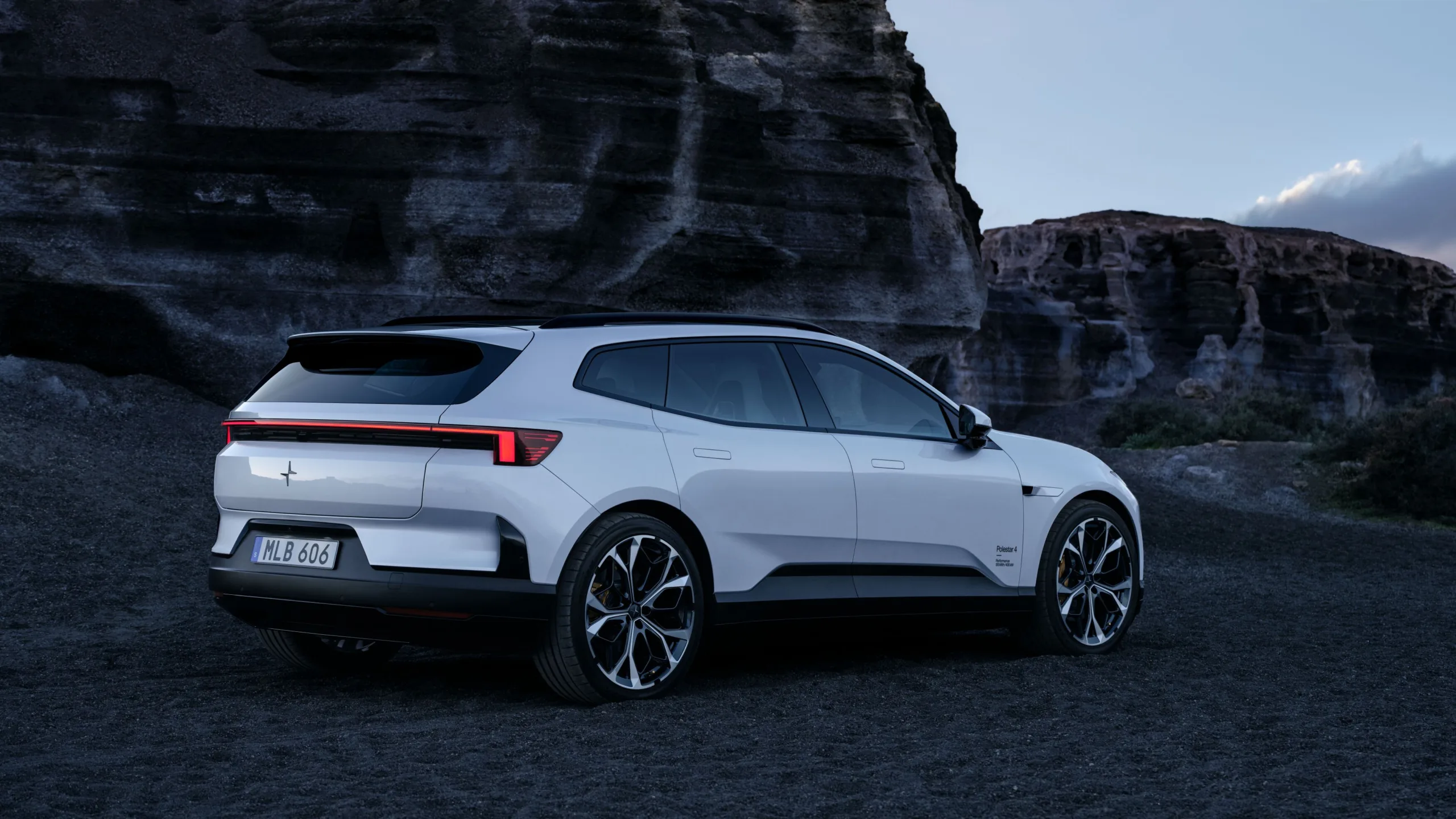
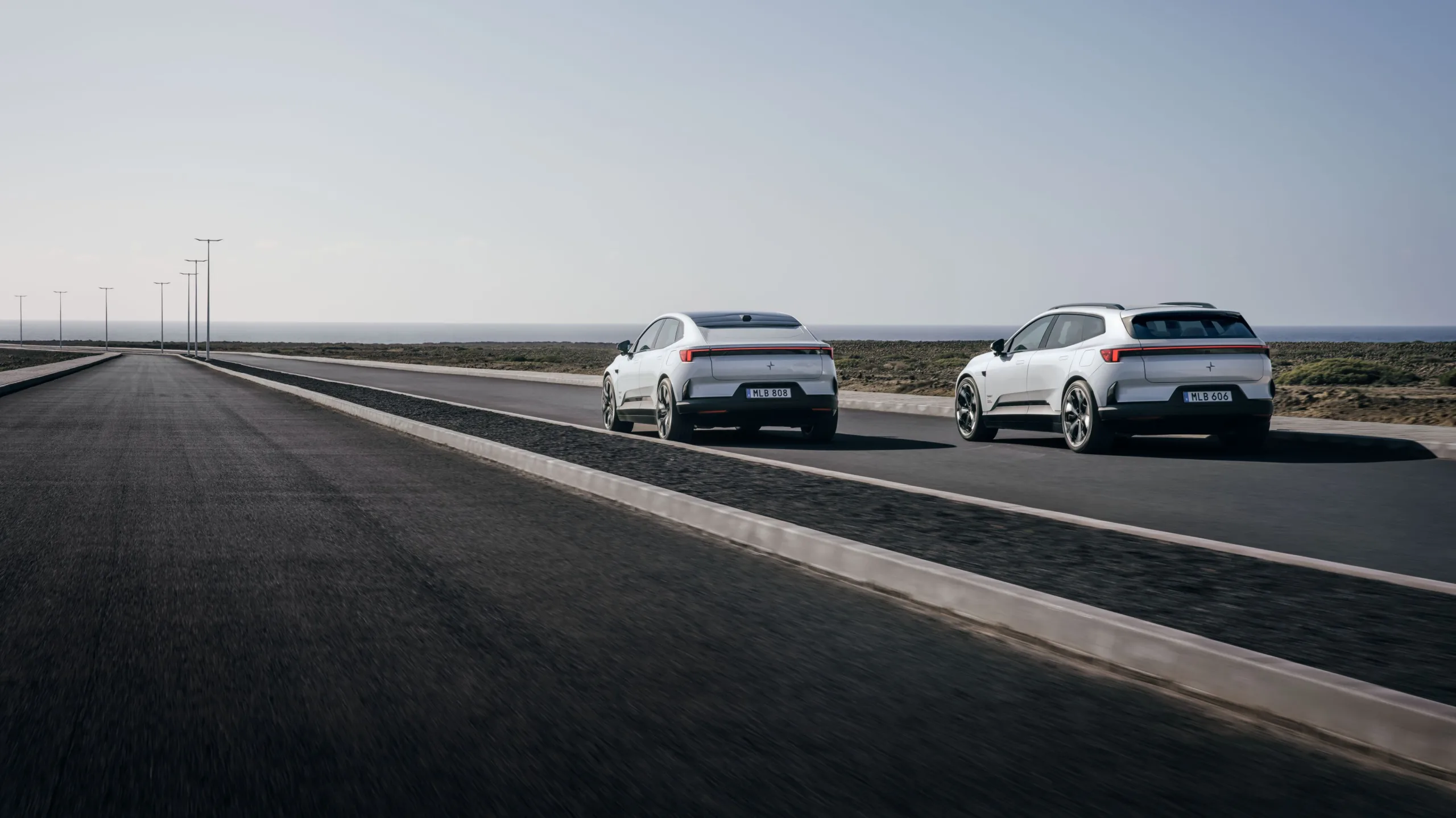
Here’s what’s brilliant about the Polestar 4 SUV’s design approach: rather than compromise on the award-winning aesthetics of the coupé, the team simply evolved them. You still get those signature dual blade headlights and the illuminated Polestar logo up front, but the rear end has been completely redesigned with a straighter roofline and a more upright tailgate, changes that make genuine functional sense.
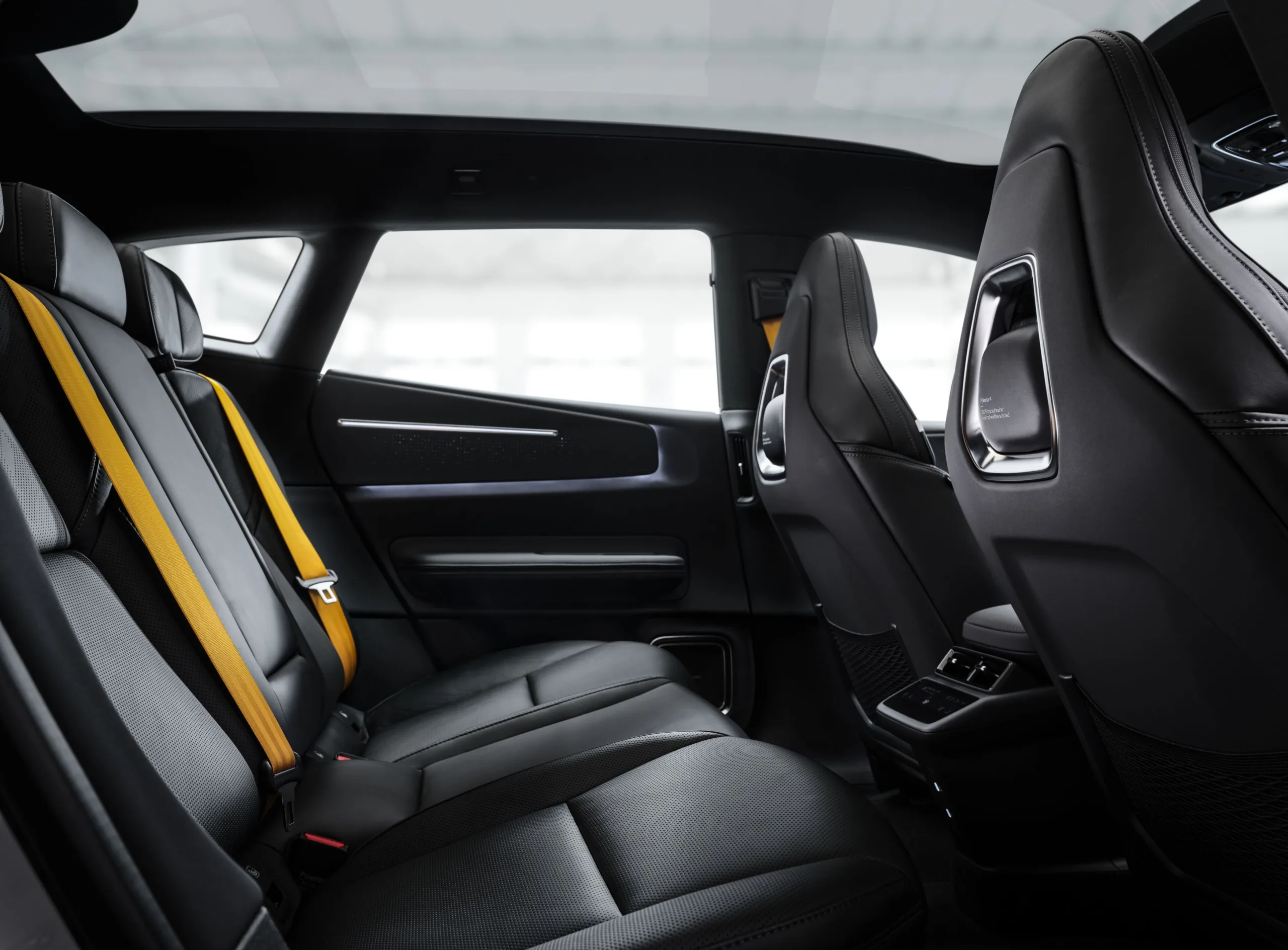
A new panoramic glass roof stretches all the way back to the tailgate, offering extra headroom in the rear (an extra 2.5 centimetres, to be exact) and creating an airier, more open cabin experience. It’s the kind of attention to detail that separates truly thoughtful design from simply scaling things up.
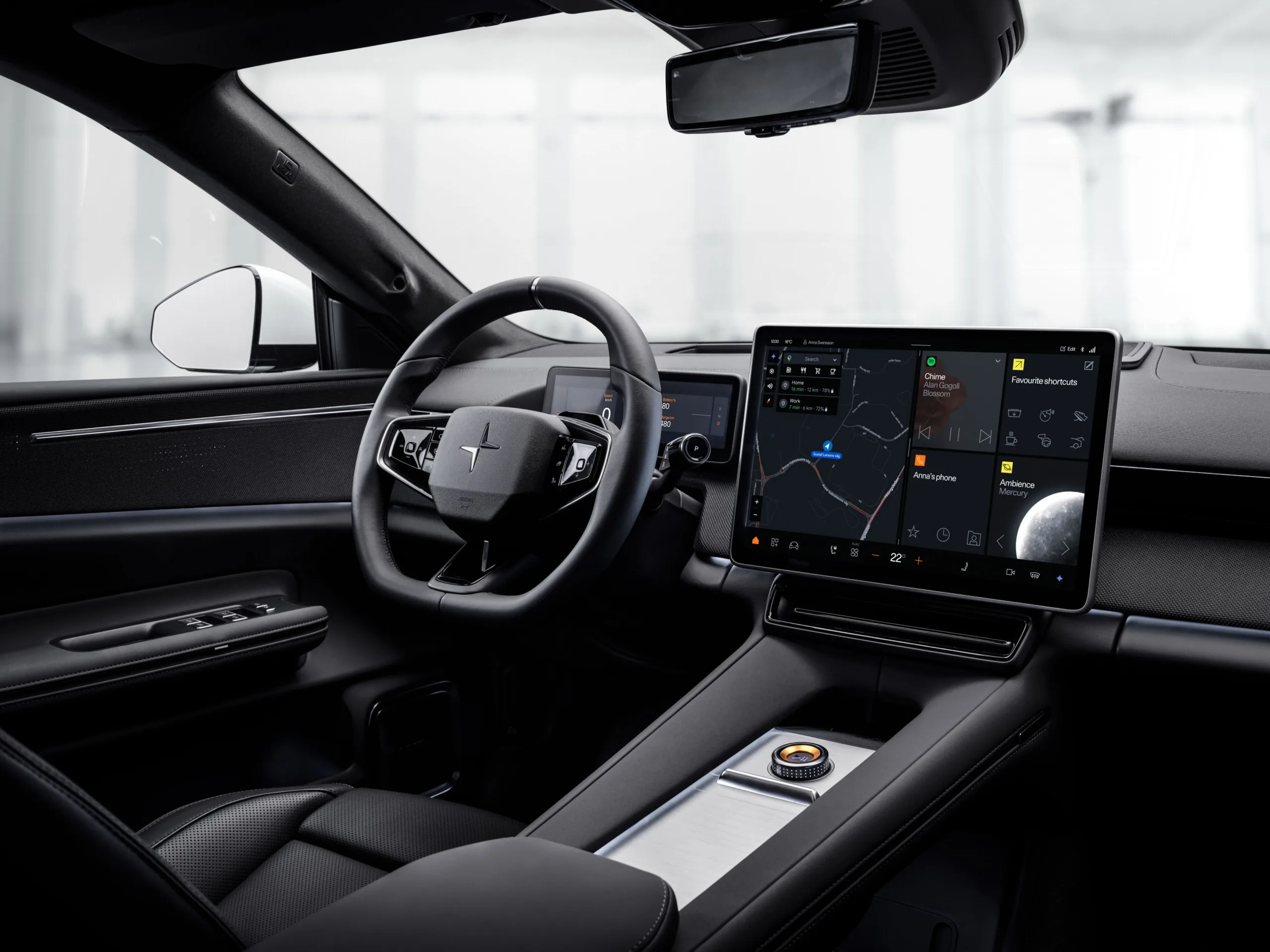
Interior-wise, Polestar hasn’t skipped a beat. The minimalist, tech-focused approach remains intact, with cosmic-themed ambient lighting inspired by the solar system and an expanded widget system on the centre display (now nine shortcuts instead of six). Sustainability matters too, the standard bio-attributed MicroTech backing features 100% recycled PET, and optional Tailored Knit upholstery uses 89% recycled PET.
Performance That Backs Up the Bold Claims
Now, let’s talk about what really matters to the kind of drivers who care about driving dynamics. The Polestar 4 SUV offers two powertrain options, and both are genuinely impressive. The Dual motor all-wheel drive version delivers 400kW and 686Nm of torque, enabling 0-100 km/h acceleration in just 3.9 seconds with up to 600km of WLTP range. For those who prioritise range over outright speed, the Rear motor variant offers up to 630km of range while hitting 0-100 km/h in 7.3 seconds, still genuinely quick by any reasonable standard.
Both versions come equipped with a substantial 100kWh battery, supporting DC charging of up to 200kW and AC charging of up to 22kW in selected markets. For drivers who want the ultimate in handling dynamics, Polestar offers a Performance pack featuring a recalibrated active chassis with ZF dampers, high-performance Brembo brakes with Swedish gold callipers, and 22-inch wheels wrapped in Pirelli P Zero performance tyres. Joakim Rydholm, Head of Driving Dynamics at Polestar, emphasises that the SUV “delivers the confidence, precision and driving engagement that Polestar customers expect, in all driving conditions.”
Where the SUV Shines: Practicality Meets Purpose
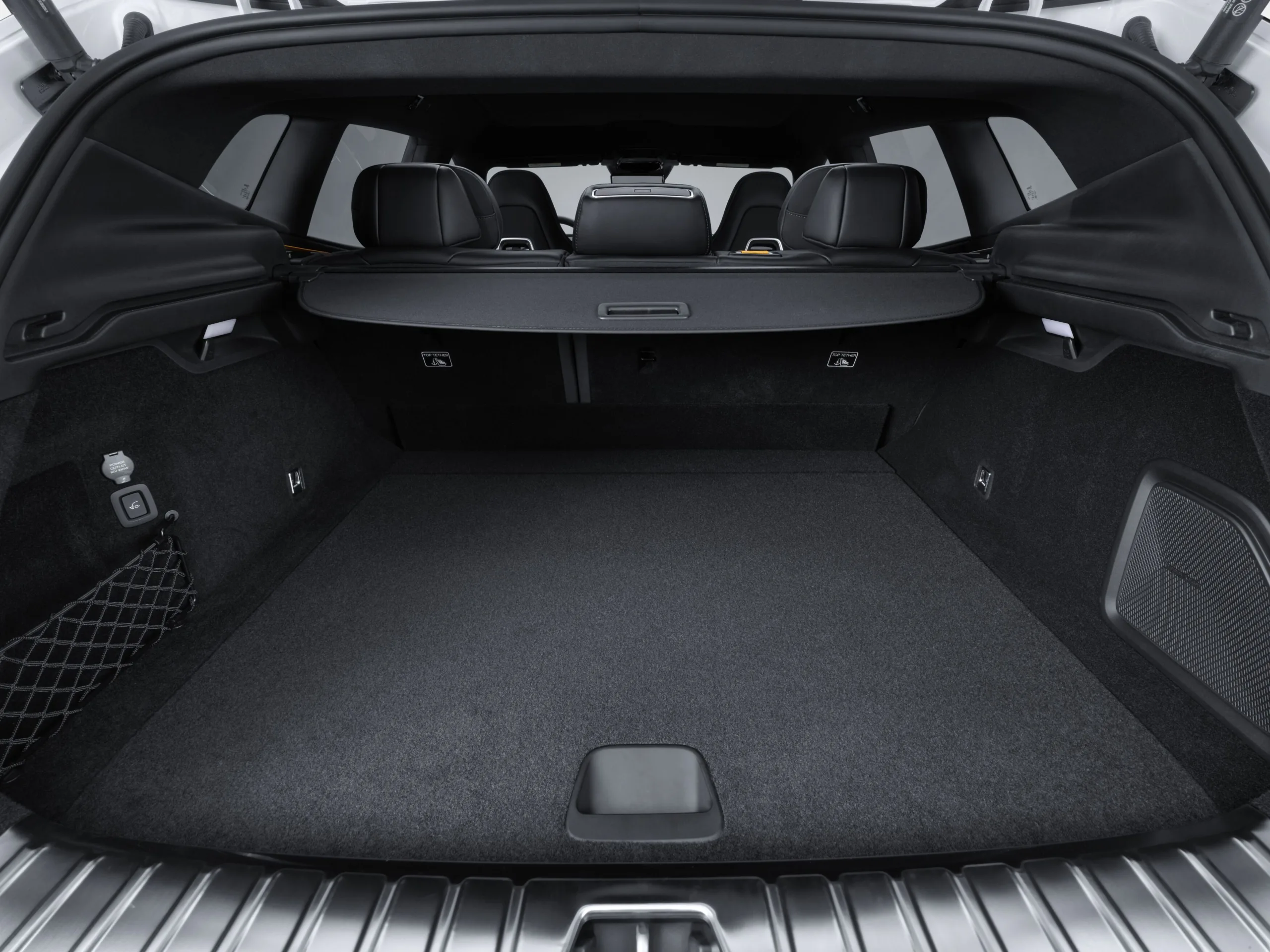
The Polestar 4 SUV offers 1,680 litres of total storage, including both front and rear compartments. With the rear seats up, you’ve got 530-655 litres depending on how you measure. Fold those rear seatbacks (60/40 split), and you get a genuinely spacious 1,665 litres of cargo capacity. Full-length roof rails add another layer of practicality, increasing dynamic roof load capacity to 100 kg.
The Tech That Changes Everything
Two features stand out as genuine game-changers for the way we interact with vehicles in 2026.
Vehicle-to-Load (V2L) functionality transforms the Polestar 4 SUV into a mobile power station, delivering up to 3.3kW through a certified charging adapter. Whether you’re powering camping equipment, tools, or consumer electronics, the system can run external devices until the battery hits a pre-set minimum level you configure yourself.
The new Camping mode takes this further, transforming the parked vehicle into a climate-controlled space accessible from front and rear displays, complete with V2L power support and connectivity options.
Google Gemini integration brings something equally transformative to the driving experience. Rather than the traditional voice command structure, Gemini understands context, supports multi-turn dialogue, and lets you complete complex tasks through natural conversation. Real hands-free productivity, trip planning, and even real-time translation now available across all Polestar markets.
Sustainability Without the Greenwashing
Polestar has achieved something increasingly rare: genuine environmental responsibility that goes beyond marketing speak. The Polestar 4 SUV boasts one of the lowest carbon footprints in Polestar’s entire lineup, with a cradle-to-gate carbon footprint of 21.1 tCO2e for Dual motor variants and 20.2 tCO2e for Rear motor versions.
The company uses 100% renewable electricity in battery cell production, sources aluminium from renewably-powered smelters (34% of total aluminium content), and incorporates 23% recycled aluminium throughout the vehicle.
When and where
All Polestar 4 SUV vehicles are manufactured in Busan, South Korea, where production started in Q2 2026, with customer deliveries planned for Q4 2026.
Tarmac Takeaway
The Polestar 4 SUV represents something increasingly rare in the EV market: a vehicle that genuinely refuses to compromise. It’s not a coupé awkwardly stretched into SUV proportions, nor is it a practical box that forgot how to be engaging. Instead, it’s a purposefully designed vehicle that brings Polestar’s performance DNA to drivers who actually need cargo space, practicality, and range alongside dynamic handling and Scandinavian design excellence.