
Saturday, 1 August 2026. Another day, another instalment of the Cardle of the Day series here on Tarmac Life — and today’s puzzle reached back to the very beginning of something important.
If you haven’t played Cardle before, the premise is beautifully simple: one car is hidden behind a tightly cropped photograph, and each of the five daily clues reveals a little more of the image. You can guess at any point or skip a clue to get a clearer look. Identify the car in one clue or take all five and you’re merely human. It’s a genuinely enjoyable few minutes for anyone who knows their bonnets from their bumpers.
How Today’s Puzzle Played Out

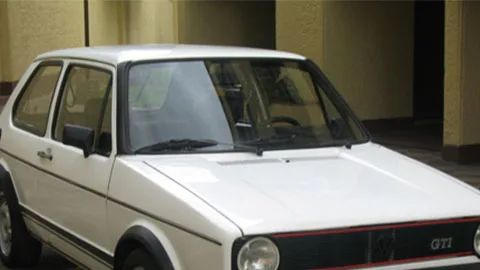
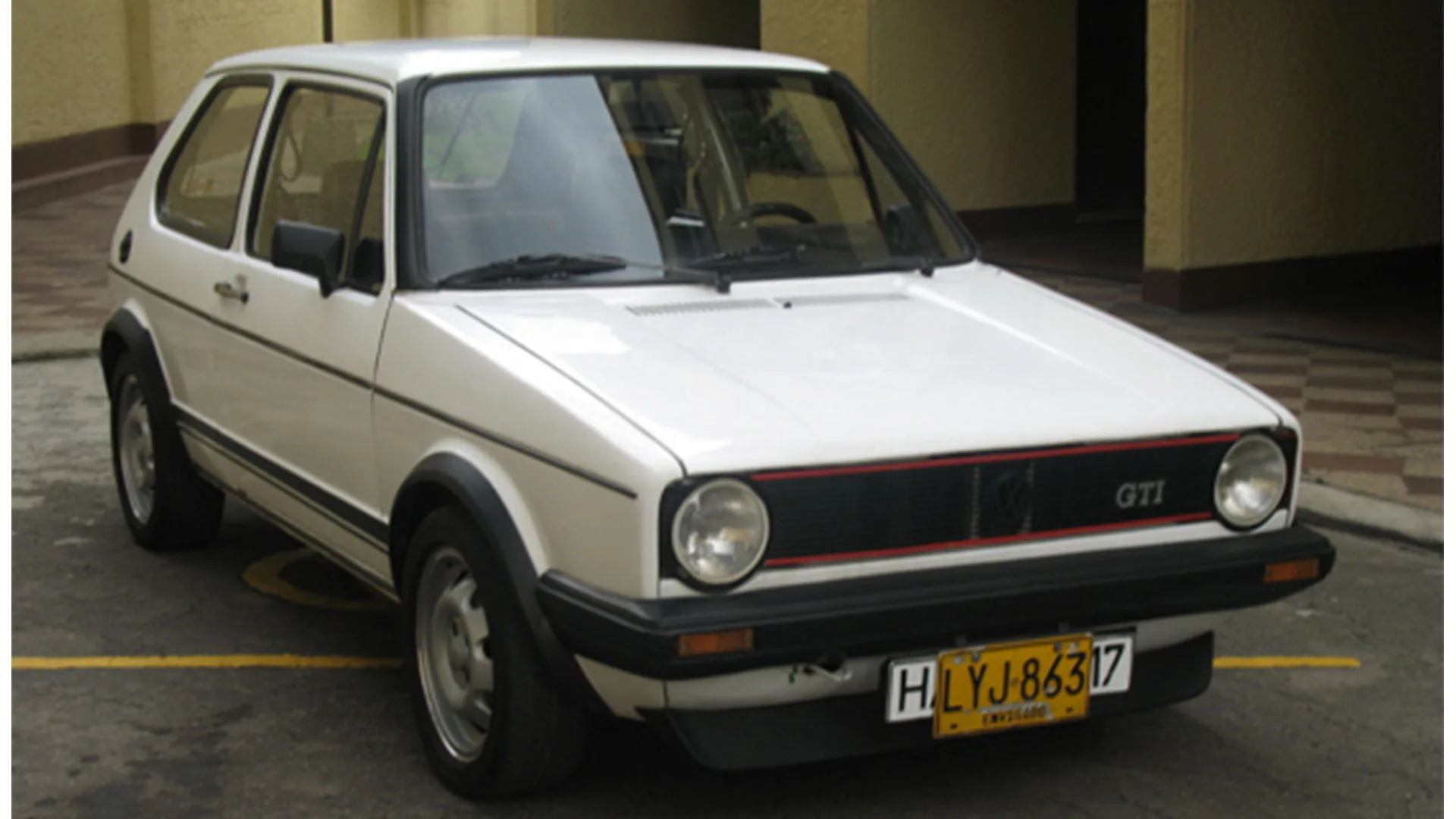
Today’s puzzle was an easy one, but I’d like to believe that it was easier for me that for most other people. That is because the car in question is one that I grew up lusting over, and that made me a VW person for most of my early car life. It was so much my forbidden fruit that my first project car ever ended up being a Gol, our brazilian counterpart to the Golf – sort of. But the one in today’s puzzle was no mere Golf, it was the MK1 Golf GTi.
Back to the golden era
The Golf GTi Mk1 was more than a car launch, back in 1976, it more or less invented a category. Before it, performance cars were either expensive grand tourers or stripped-out track specials. Volkswagen’s engineers, working largely as a skunkworks project without formal management approval, produced something different: a practical, everyday hatchback with a 1.6-litre fuel-injected engine producing 110 PS, capable of reaching 100 km/h in around nine seconds and topping out at 182 km/h.
Those numbers look modest now, but in a family car wearing sensible clothes, they were revelatory. The original GTI was initially offered only in left-hand drive and sold exclusively in Germany when it launched at the Frankfurt Motor Show in September 1975. By the time the Mk1 generation ended in 1983, Volkswagen had sold well over 450,000 GTI variants worldwide. The plaid Tartan seat fabric, officially called “Clark”, became so associated with the GTI that it remains a recurring design detail on anniversary and special-edition models to this day.
What the Mk1 GTI did culturally was arguably as significant as what it did mechanically. It made driving quickly feel attainable and, crucially, sensible. You could take it to the supermarket, park it without wincing. And then you could find a quiet road and have a great old time.
Still the blueprint
Every hot hatch that followed, from the Peugeot 205 GTI to the Honda Civic Type R to whatever performance hatchback is topping the comparison tests this week, owes something to this car. The Mk1 GTi established that performance and practicality weren’t opposites, and the automotive world has been working through the implications ever since. Not a bad legacy for the car that I credit much of my love for cars, even without me ever having driven one. See you tomorrow!