Tuesday 21 July 2026. Welcome back to another instalment of Cardle of the Day, the series where we play through the daily puzzle at Cardle and then spend a little time with whatever car the puzzle has decided to throw at us. Oooh, today’s a good one.
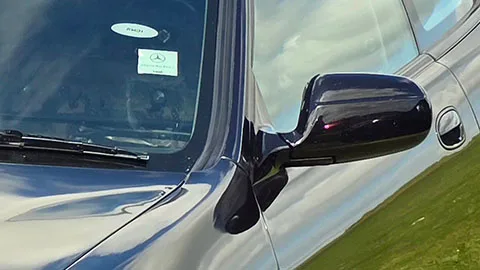
If you haven’t played before, the premise is simple and quietly addictive. Each day, one car is hidden behind a heavily cropped photograph. You get five clues, each one a progressively wider reveal of the same image, and at any point you can either take a guess or skip ahead to the next clue. Identify the car in one clue and you’re a legend. Limp to clue five and you’re in good company.
How Today’s Puzzle Played Out
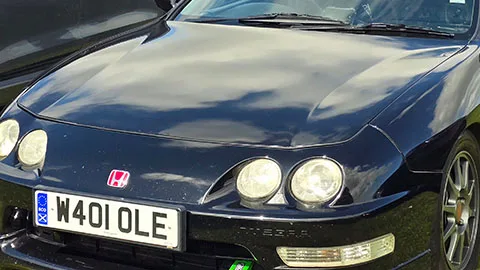
Clue one was what we usually call a red herring. The Mercedes-Benz logo threw me, and I bet a lot of other people, off. I had to skip it as that didn’t look like any Mercedes I knew and, by clue 2, I was sure it didn’t look like any Benz indeed! It was the ultimate FWD legend, the Integra DC2 Type R.
The King of wrong-wheel-drive
The DC2 Honda Integra Type R, produced from 1995 to 2001, occupies a very specific place in the enthusiast canon. It wasn’t the fastest car of its era by any conventional measure, but it was, and remains, one of the most celebrated front wheel drive sports cars ever built. The reasons are well documented and worth repeating.
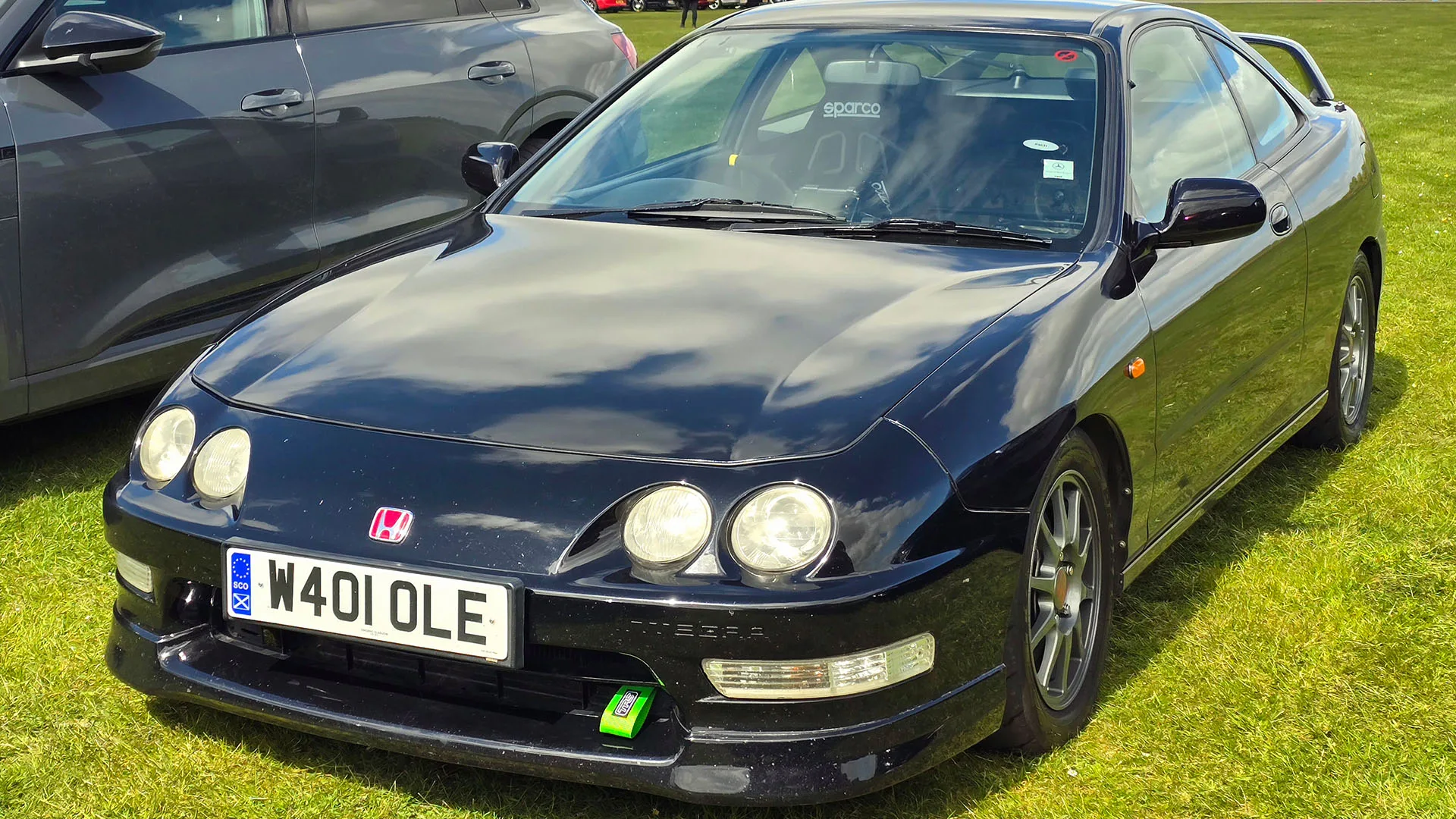
The B18R 1.8 litre VTEC engine in the DC2 Type R produced around 187 bhp in JDM specification, achieving a specific output of approximately 100 bhp per litre, a figure not only remarkable, but also record breaking for a naturally aspirated road car at the time.

Honda fitted the Type R with a close ratio gearbox, a limited-slip differential, and a stripped out interior with red Recaro seats: all standard, not optional extras. The DC2 Integra Type R set a front wheel drive lap record at Suzuka Circuit that stood for years, a fact us Honda people have never let anyone forget.
What made the Integra Type R unusual wasn’t raw numbers, it was its precision. The steering, the chassis balance, the way the engine loves spending time over 6500rpm (you’re barely past half the tach at that point). It became a cult object that has only appreciated in cultural and financial value as the years have passed.

As it usually happens with sporty Hondas, many were heavily modified, ruined, and raced to the ground. So, as time went by, clean examples now command serious money, and the DC2 has become a fixture on track days and in private collections alike. I recently spent some time with a pristine example, with serious buying intent, so I can clearly say I cannot be unbiased about it. So of course I’m happy Cardle had it as today’s puzzle. See you tomorrow!