Thursday, 16 July 2026. Welcome back to another instalment of Cardle of the Day, the series where we play through the daily puzzle at Cardle and then spend a little time with whichever car the game decided to put in front of us.
If you haven’t played Cardle before, the premise is beautifully simple: one car, five photo clues, each one progressively less cropped than the last. You can guess at any point or skip a clue and wait for a clearer view. Get it right on clue one and you’re a legend. Still squinting at clue five and you’re in good company.
How today’s puzzle played out
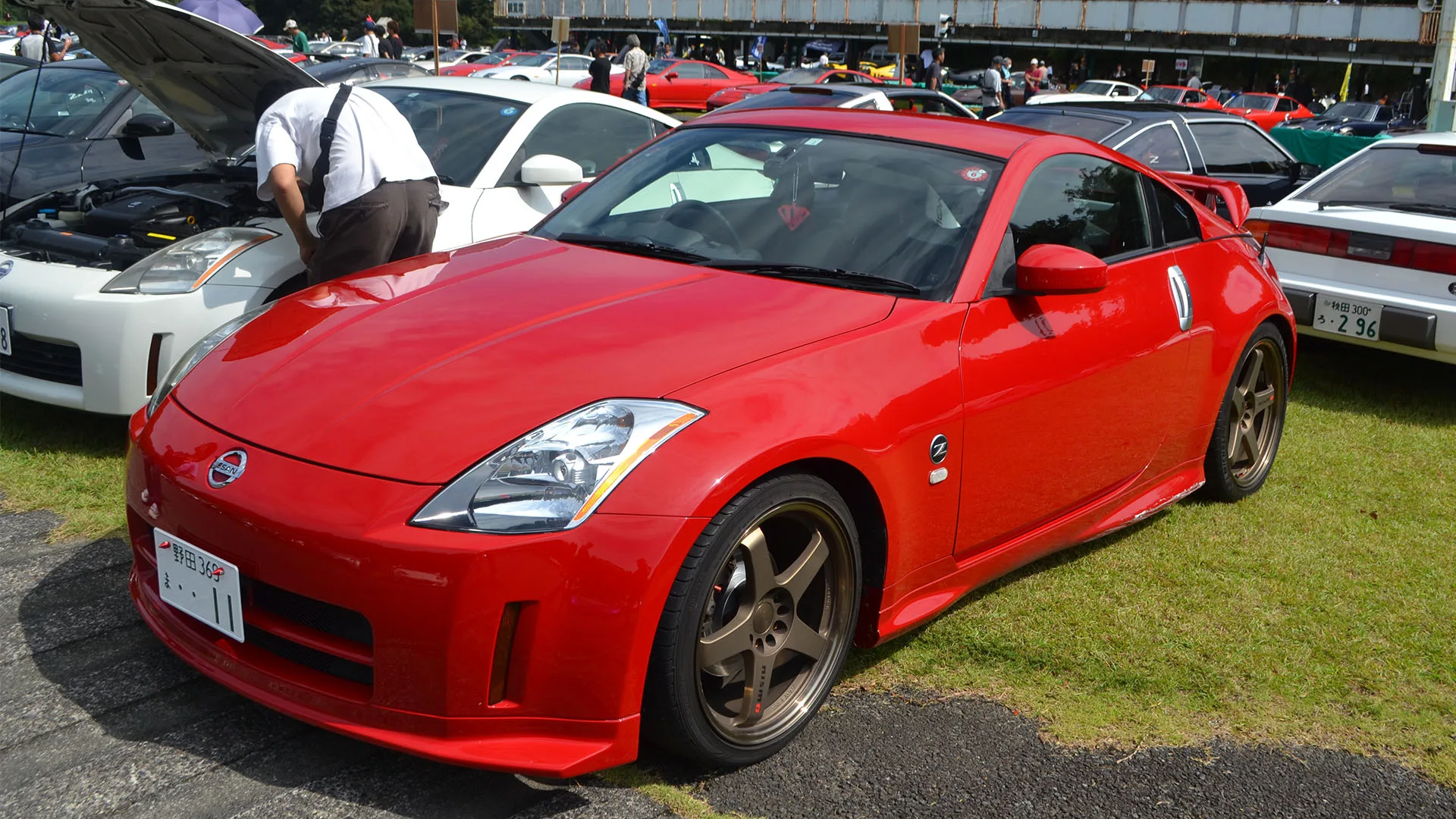
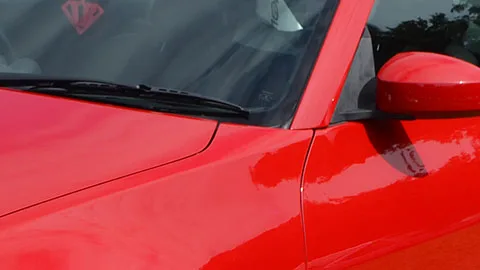
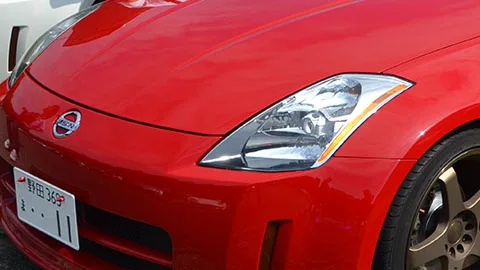
Today’s opening clue was abstract, as they have been lately: a tight crop that could have been almost anything with a red surface and an A pillar. Clue two opened things up fractionally, but not enough to commit. Clue three was finally enough for me to understand we were dealing with the fairest lady of them all: the Nissan 350Z. And once you see it, you really see it: that wide, muscular haunch, the long bonnet, the fastback roofline that drops away sharply at the rear.
The trumpets of the apocalypse of every Friday night
The 350Z arrived in 2002 as Nissan’s attempt to recapture the spirit of the original S30 Z from the early 1970s, and it did so with considerably more cubic centimetres and considerably less subtlety – thanks, Mr. Ghosn! Powered by a 3.5 litre naturally aspirated V6 producing around 280 horsepower in standard form, it was rear-wheel drive, manual (available), and entirely committed to the idea that a sports car should feel like one.
It was produced from 2002 to 2009, spanning two generations of the Z34’s predecessor platform before the 370Z took over. Its lineup included a Roadster variant with a folding soft top, introduced for the 2004 model year, and the VQ35DE engine fitted was part of Nissan’s VQ family, which appeared on Ward’s 10 Best Engines list for an extraordinary 10 consecutive years from 1995 to 2004.
From FnF to your local drift meet
The 350Z landed at exactly the right moment. The early 2000s were peak enthusiasm for Japanese performance cars, and the Z slotted in as something more accessible than a Skyline but more purposeful than a hot hatch. It found its way into motorsport, into tuning garages, and, perhaps most visibly, into the films and video games that a certain generation (yours truly) grew up with.
That cultural presence has kept the 350Z relevant long after production ended. The aftermarket support remains deep, and values have hit rock bottom years ago. For those that are fans of the shape, the driving experience, or just the badge itself, its importance stays very strong. See you tomorrow!