Wireless phone charging has been a fixture in new cars for years, but it has rarely been particularly good. Misaligned coils, sluggish speeds, and warm phones are familiar frustrations. Škoda’s new system sets out to fix all three at once.
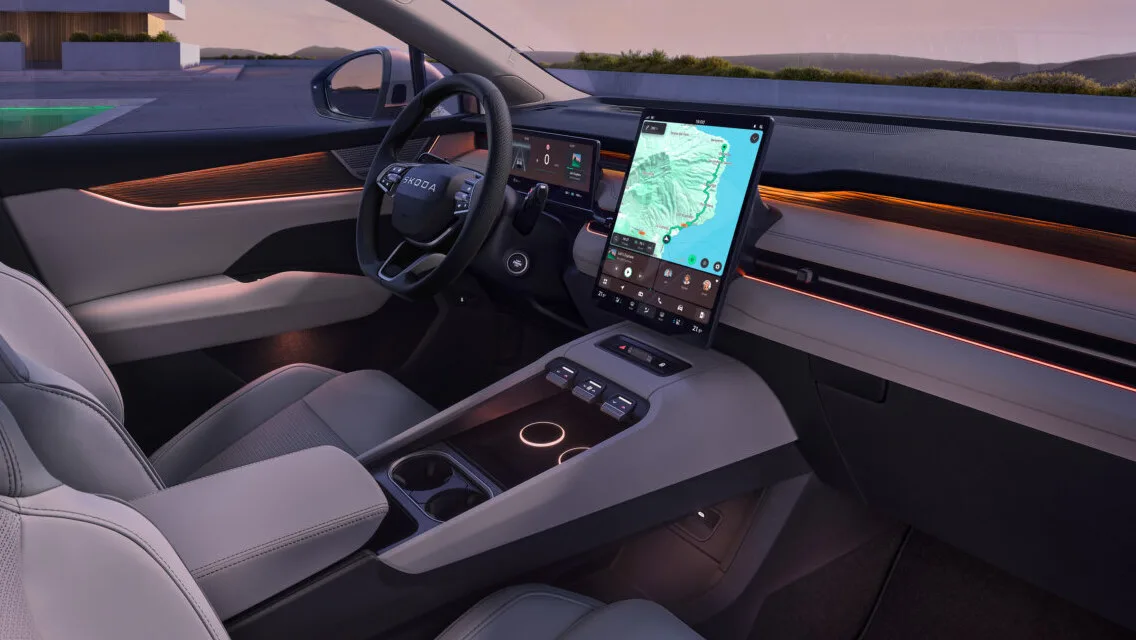
The Czech brand has become the first car manufacturer in Europe to bring Qi2 technology with magnetic phone positioning to series production vehicles. The system is integrated into the centre console and supports the Qi2 Magnetic Power Profile standard, with compatibility for Apple MagSafe and charging speeds of up to 25 W.
Why Alignment Matters
The core problem with previous wireless chargers is physics. Wireless charging depends on electromagnetic induction between two coils, one in the charger, one in the phone. When those coils are even slightly out of alignment, charging power drops, heat rises, and the process becomes unreliable.
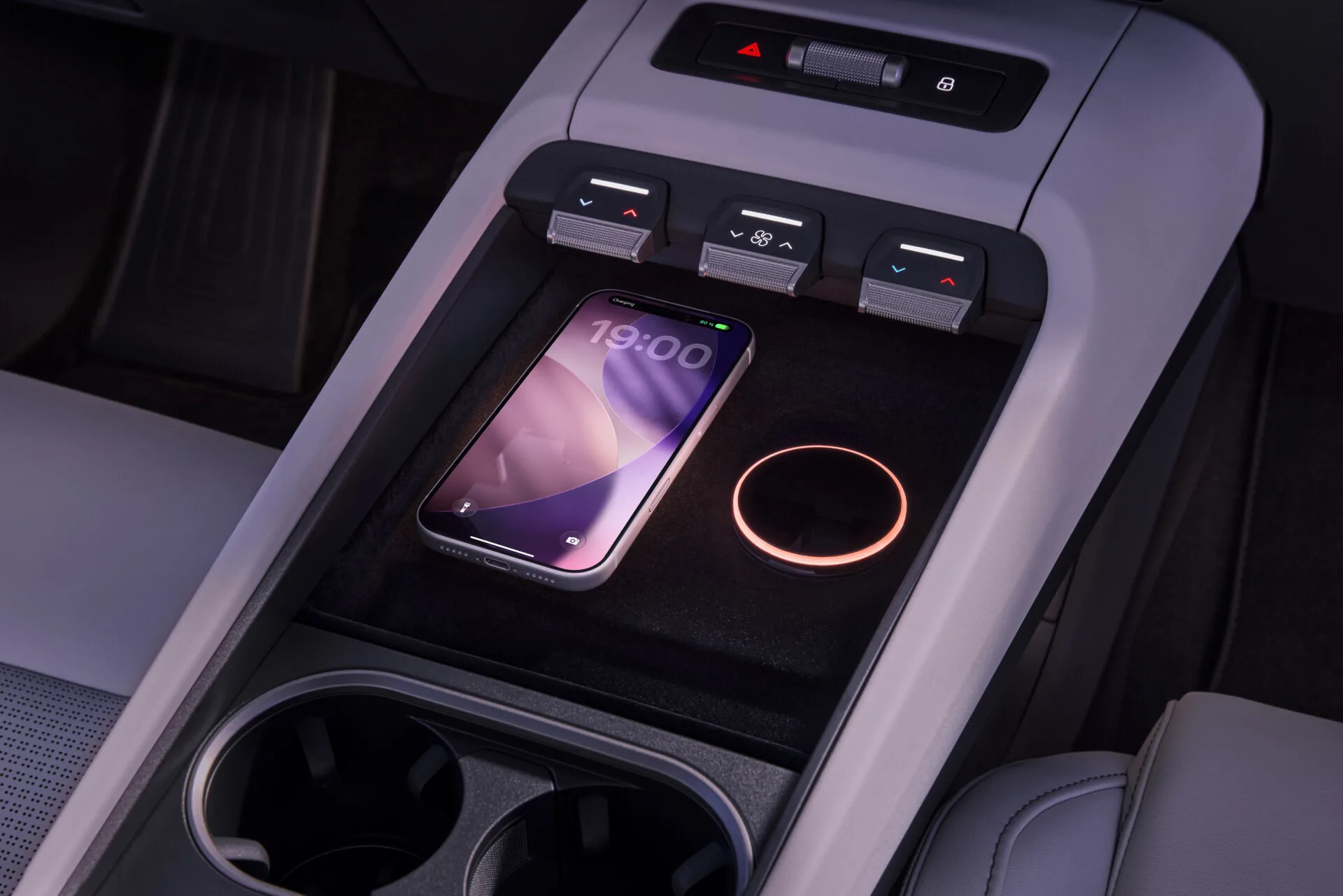
Qi2 addresses this directly. A magnetic ring in the charging compartment draws the phone into the optimal position and holds it there. With the coils properly aligned, the system can sustain the full 25 W output. The same magnetic ring also works with wireless earbud cases, securing them accurately enough to charge without issue.
Phones without built-in magnets can still charge wirelessly, though users will need a MagSafe- or Qi2-compatible case, or a simple magnetic ring attachment, to reach maximum performance. That is particularly relevant for Android devices, which often support wireless charging but lack magnetic hardware as standard.
Keeping Things Cool
Higher charging power generates more heat, and heat is the enemy of battery longevity. Škoda’s new compartment uses active cooling to manage temperature during charging. The system removes excess heat from the device while it charges, allowing higher power levels to be sustained for longer without placing unnecessary strain on the battery.
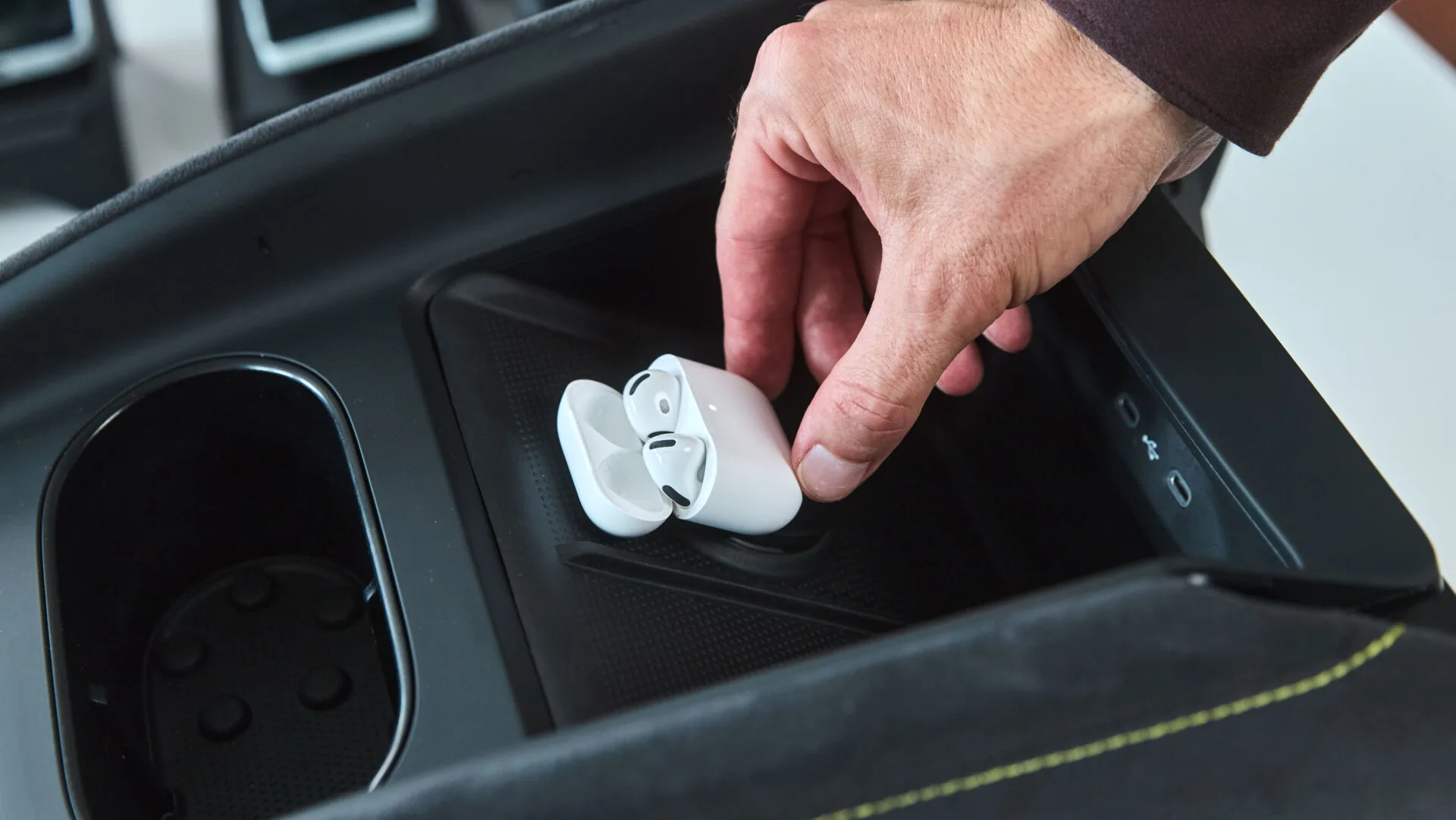
The charging surface has also been designed to accommodate modern phones with large camera modules, without compromising the interior layout or the cooling system’s effectiveness. Ambient lighting in the compartment is a small but considered touch.
Developed in Mladá Boleslav, Built for the Group
The system was developed primarily at Škoda’s headquarters in Mladá Boleslav and reached production in around 18 months, roughly half the typical development timeline for a comparable automotive component. Škoda credits that pace to experience from two previous generations of its Phonebox charging system and close collaboration between internal teams.
Importantly, the system was not designed solely for Škoda. It was developed with the intention of being adopted by other Volkswagen Group brands, meaning the technology could appear across a much wider range of vehicles in due course.
Škoda first offered wireless charging in 2016 across the Octavia and Superb. A decade on, the gap between in-car charging and the best consumer hardware has narrowed considerably. Whether other manufacturers follow quickly with Qi2 of their own will be worth watching, the standard is open, and magnetic alignment is expected to become common across most new smartphones regardless of brand.