Here’s the funny thing about car shows, beneath the flashing lights, concept cars, and the occasional questionable outfit choice, there’s always a deeper story trying to break through the noise. At the 2026 Beijing Auto Show, that story came from GWM. Instead of shouting louder than everyone else or bragging about what’s new and ultra-innovative, CEO Mu Feng went the opposite direction, back to basics.
Yep, in an industry obsessed with the next big thing, GWM is betting that the future starts by looking backwards – wait, WHAT?
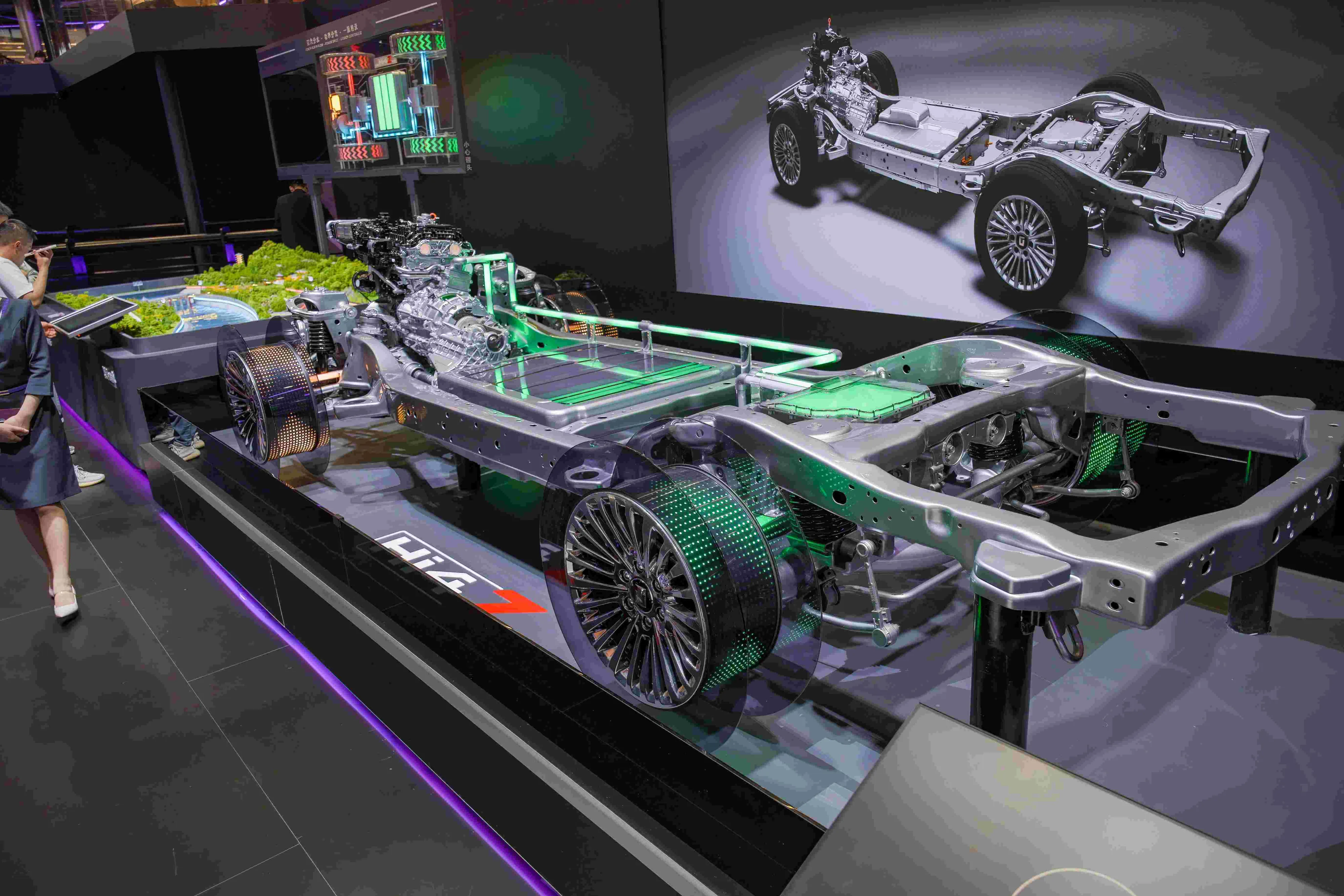
GWM ONE – The Quiet, Practical Play That Could Rewire the Global Auto Game
Sure splashy EV unveilings and software stunts are crowd pleasers, but as I said in the opening, GWM took a different path at the 2026 Beijing Auto Show. Rather than chase the loudest headline, in his opening address, CEO Mu Feng presented “GWM ONE” a strategy that trades hype for fundamentals, and marketing theatre for modular engineering. The result is a clear, market-focused strategy that aims for durability, affordability, and real-world usefulness.
Back to basics, forward with purpose
Mu Feng framed GWM’s pivot as a “return to the origin”, to the essence of the industry, to real customer needs, and to the original passion for building solid machines. That intellectual backbone rests on four fundamentals, (user value, technological truth, cultural roots, and long-term thinking), and signals a deliberate rejection of short-term theatrics in favour of sustained product credibility. A strong ethos, but it’s backed with practicality too.
A LEGO-like platform, but for cars
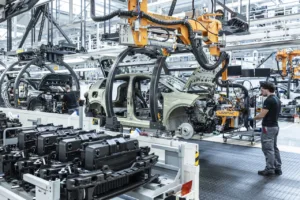
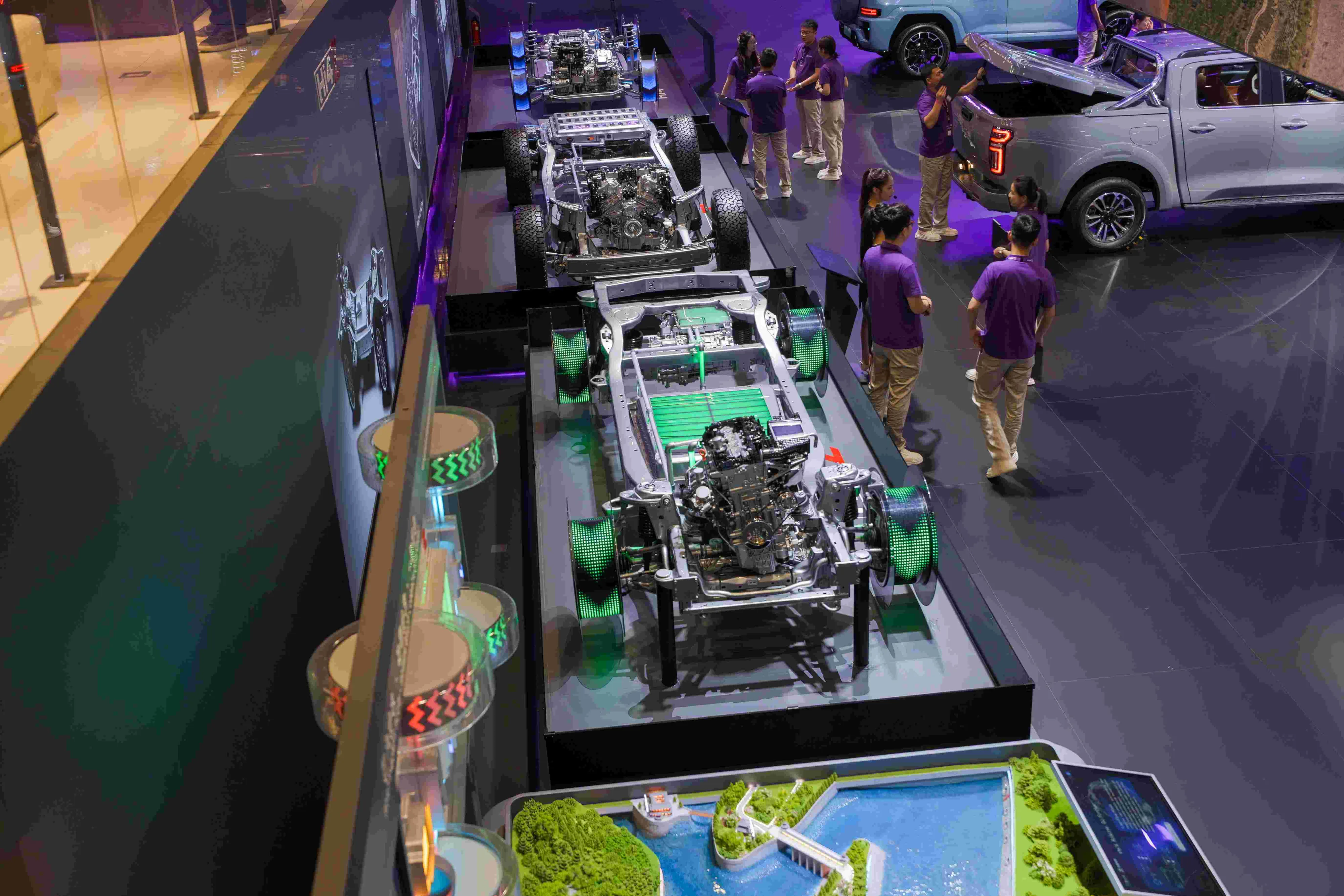
At the heart of GWM ONE is a platform approach that’s as simple as it is ambitious, build cars like modular systems. The GWM ONE Platform standardises more than 300 hardware components and exposes over 2,000 software-defined functions, enabling multiple body styles and powertrains from shared architecture. The payoff is scale, development times shorten, costs drop, and global adaptation becomes far faster, because more than 95% parts commonality makes servicing and localisation far easier. From an engineering and commercial point of view, that’s the kind of pragmatism that translates directly into margin resilience and lower total cost of ownership – things that benefit us all.
Powertrains for every market, not a single dogma
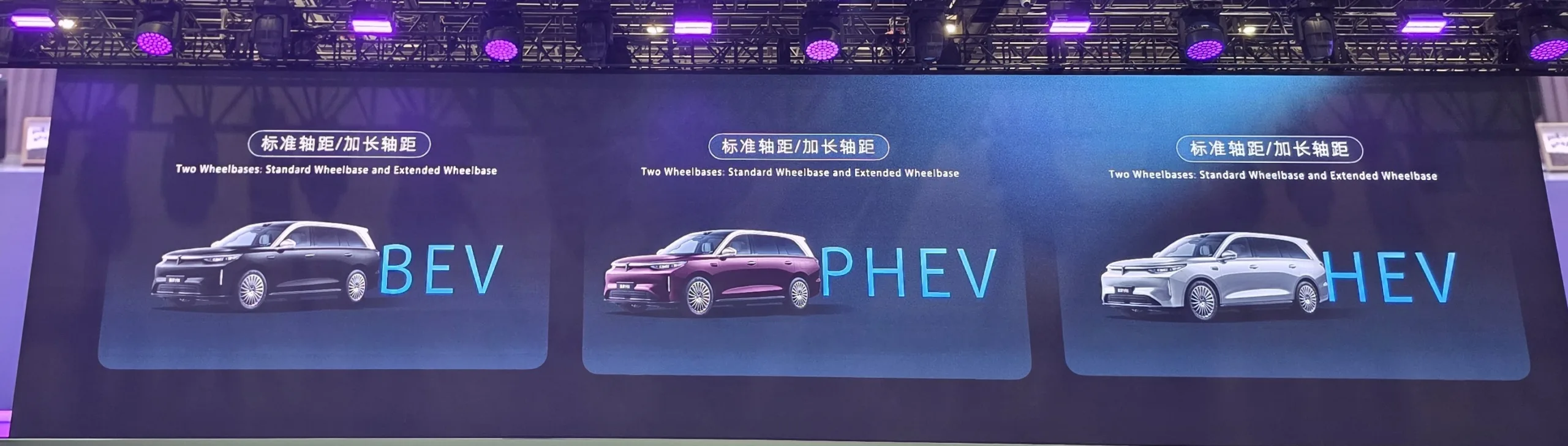
Rather than pick sides in the EV vs ICE debate, GWM is agnostic by design. The platform supports ICE, HEV, PHEV, BEV, and FCEV powertrains, letting regions choose the mix that matches local infrastructure and customer preference. Central to that versatility is the Hi4 family, an intelligent hybrid 4WD system designed to serve everything from performance to commuter needs. Its variants span Super Hi4 (performance and electric range ambitions), Hi4-Z for urban versatility, Hi4-T for rugged off-road work, and even diesel-electric hybrids (yes you heard that correctly) for markets prioritising efficiency and durability. This pragmatic pluralism reflects a realistic global strategy – different geographies have different energy mixes and regulatory timelines, and platform flexibility is the smart hedge against geopolitical and infrastructure uncertainty.
Tech that helps rather than hounds
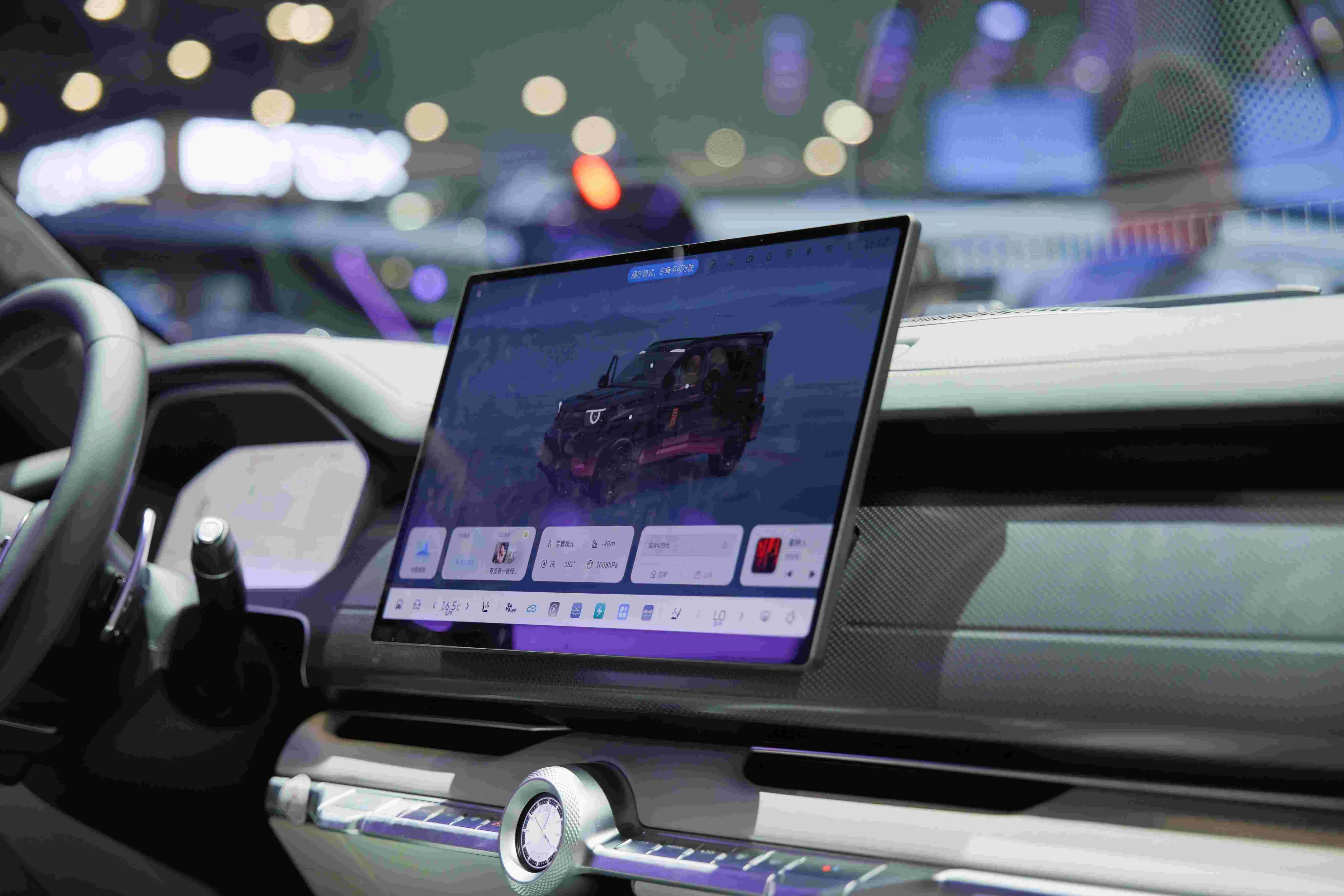
GWM’s software promise is similarly restrained. The platform is built around three user-centric capabilities, free movement (autonomy and parking functions), natural interaction (vehicles that learn driver habits), and self-evolution (systems that improve over time), all geared to fade gracefully into the background rather than demand constant attention. In other words, automation and AI are framed as enablers of convenience and safety rather than headline-grabbing gimmicks, a position more owners will likely appreciate in daily life.
Real-world proof points, not just slideware
Mu Feng anchored the vision with practical evidence, customers logging huge mileages with minimal fuss, and a company culture that enforces quality through decades of discipline (weekly quality meetings every Thursday for 21 years). That sort of operational rigor is the quiet engine behind long-term brand trust, and it’s what separates flash from foundation in the eyes of many buyers.
Local-first global expansion
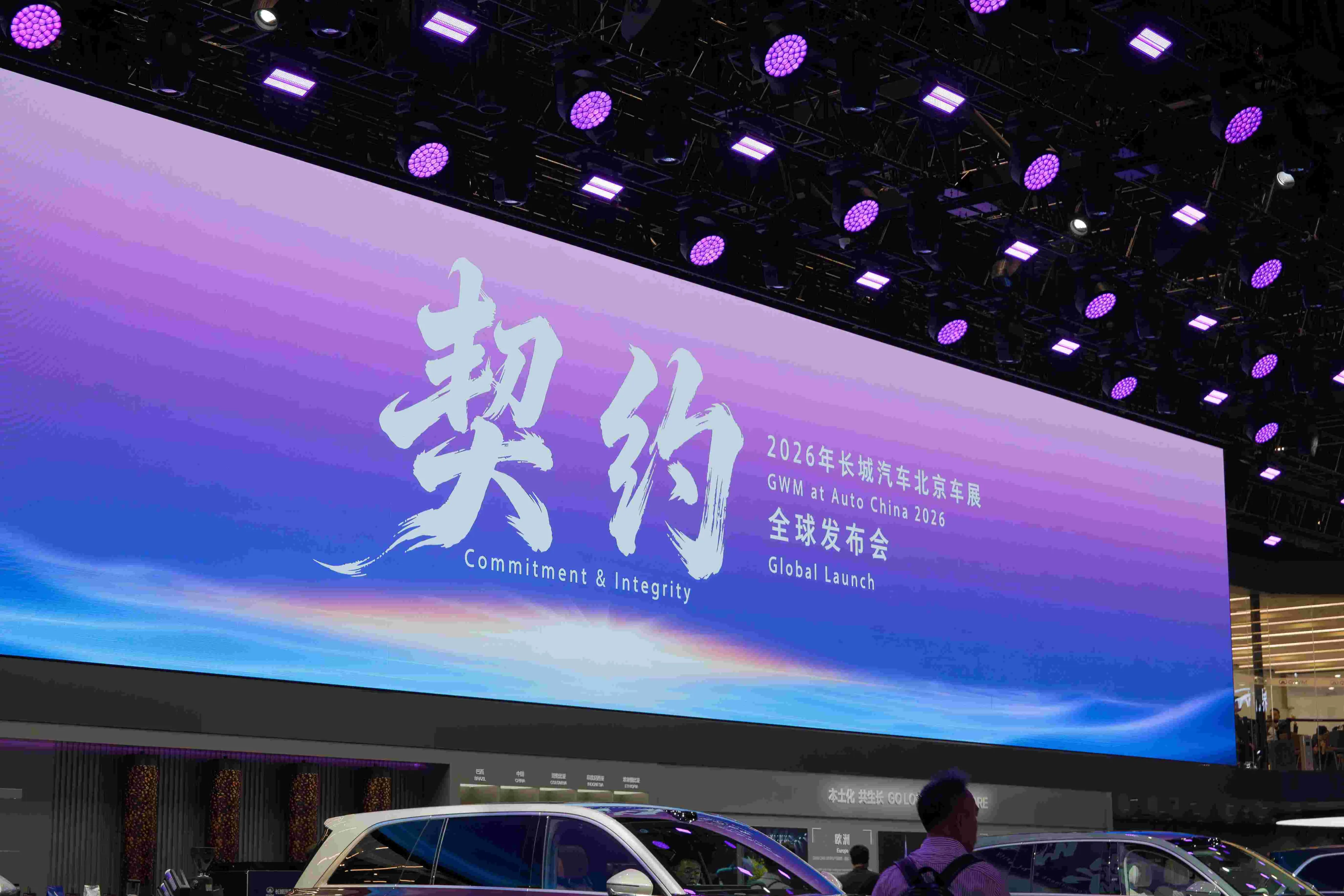
GWM’s international objective reads less like a one-size-fits-all export push and more like a network of local specialists. From ethanol plug-in hybrids for Brazil to paint chemistry tuned for Thailand’s car washes and chassis setups adapted by local experts in Australia/New Zealand, the company is committing resources to match local conditions rather than forcing a single global spec. This regional customisation gives GWM a competitive edge where climate, fuel culture, and road conditions vary dramatically, and it’s an execution strategy that often pays off faster than global branding alone.
Three Nevers – a quiet shot across the bow
Mu Feng also laid down three customer-centric commitments, never join damaging price wars, never rely on misleading marketing, and never push costs onto partners. Those “Three Nevers” are a thinly veiled critique of short-term tactics rampant in the industry and position GWM as a steady, partner-friendly player, an attractive posture in markets weary of empty promises and cut-price compromises.
Motorsport and evangelists – credibility and cult
GWM is also using motorsport and loyal owners to add credibility and cult appeal, a hybrid TANK 700 campaigned in the Dakar is a test bed and a statement of capability. Alongside that, passionate customers (collectors, record-setting convoys) become living endorsements that spread credibility in a way ads rarely match.
What it means for buyers and markets
For consumers, GWM ONE promises real benefits, lower ownership costs, easier maintenance, and products tailored to local needs. For dealers and service networks, parts commonality simplifies logistics and inventory. For the industry, GWM’s approach is a reminder that modular engineering and regional smarts can be at least as disruptive as electrification headlines, especially in emerging or mixed-infrastructure markets.
Tarmac Takeaway
GWM ONE isn’t the flashiest strategy on the block, but it may be one of the smartest. By combining modular platforms, multi-powertrain flexibility, pragmatic tech, and ruthless operational discipline, GWM is betting on long-term value rather than short-term shine. It’s a slow sprint (if that makes sense) not the quickest route to headlines, but arguably the most sustainable route to real global relevance.