When it comes to off-road bragging rights, a summit conquered speaks louder than any spec sheet, and GWM just kept its streak alive. In a high-profile repeat of last year’s challenge, five GWM vehicles reached the notorious Beer O’Clock Hill summit, reinforcing the brand’s claims about electrified off-road performance.
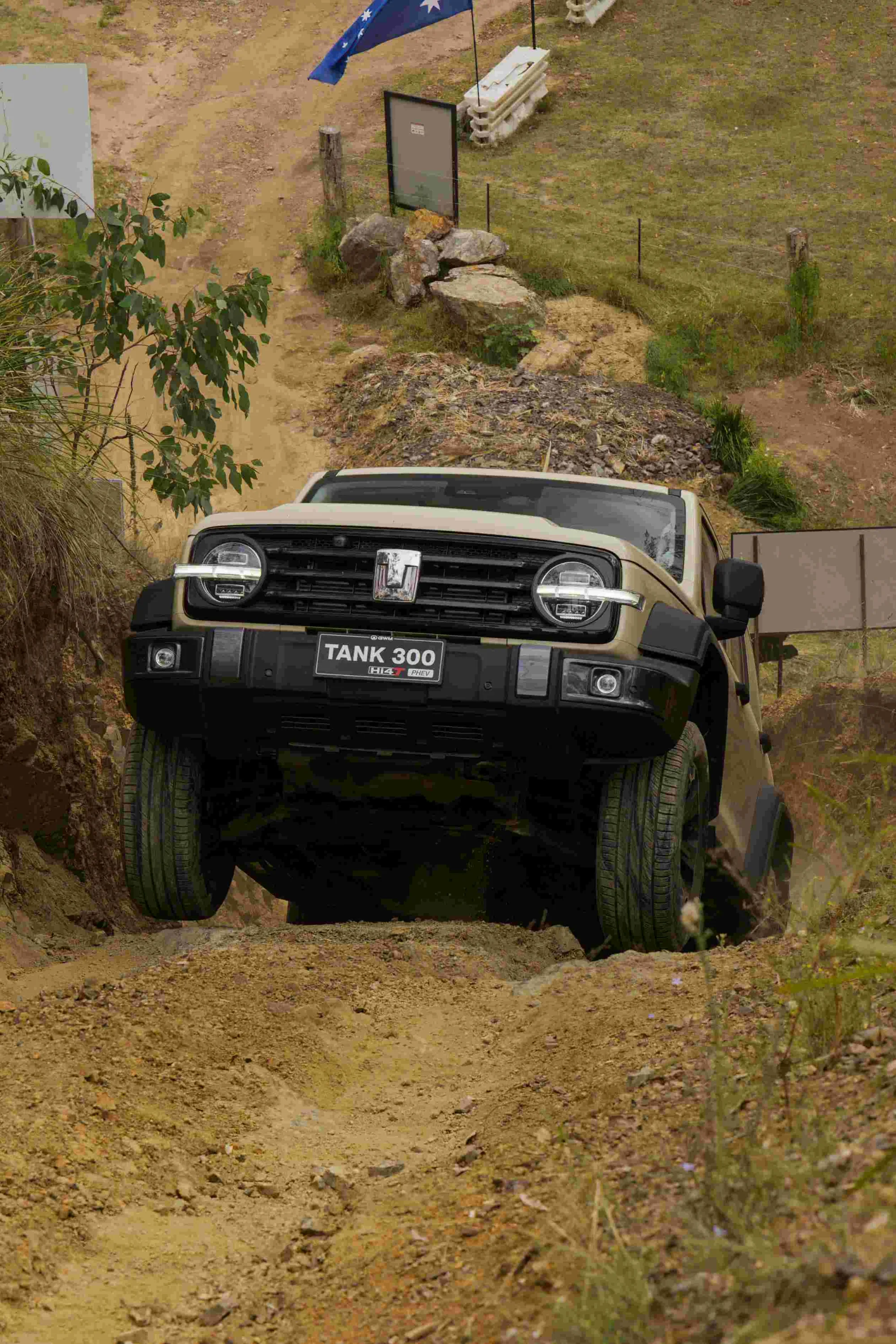
The achievement included successful climbs by the Tank 300 Hi4‑T PHEV and the Tank 500 Hi4‑T PHEV, carried out in full production specification and, notably, with standard highway tyres on the Tank 300 Hi4‑T, not the aggressive A/T rubber many would expect for such a feat.
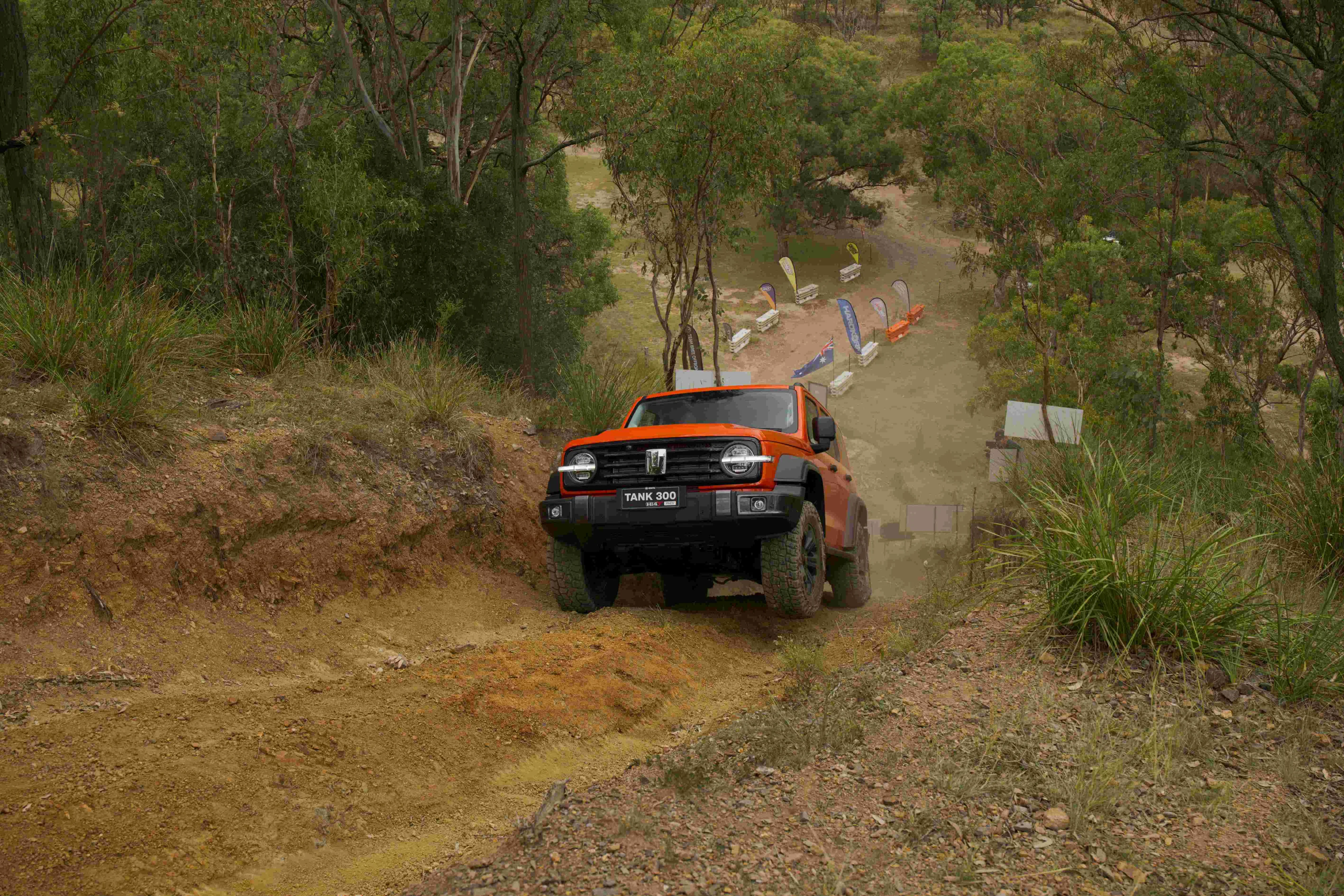
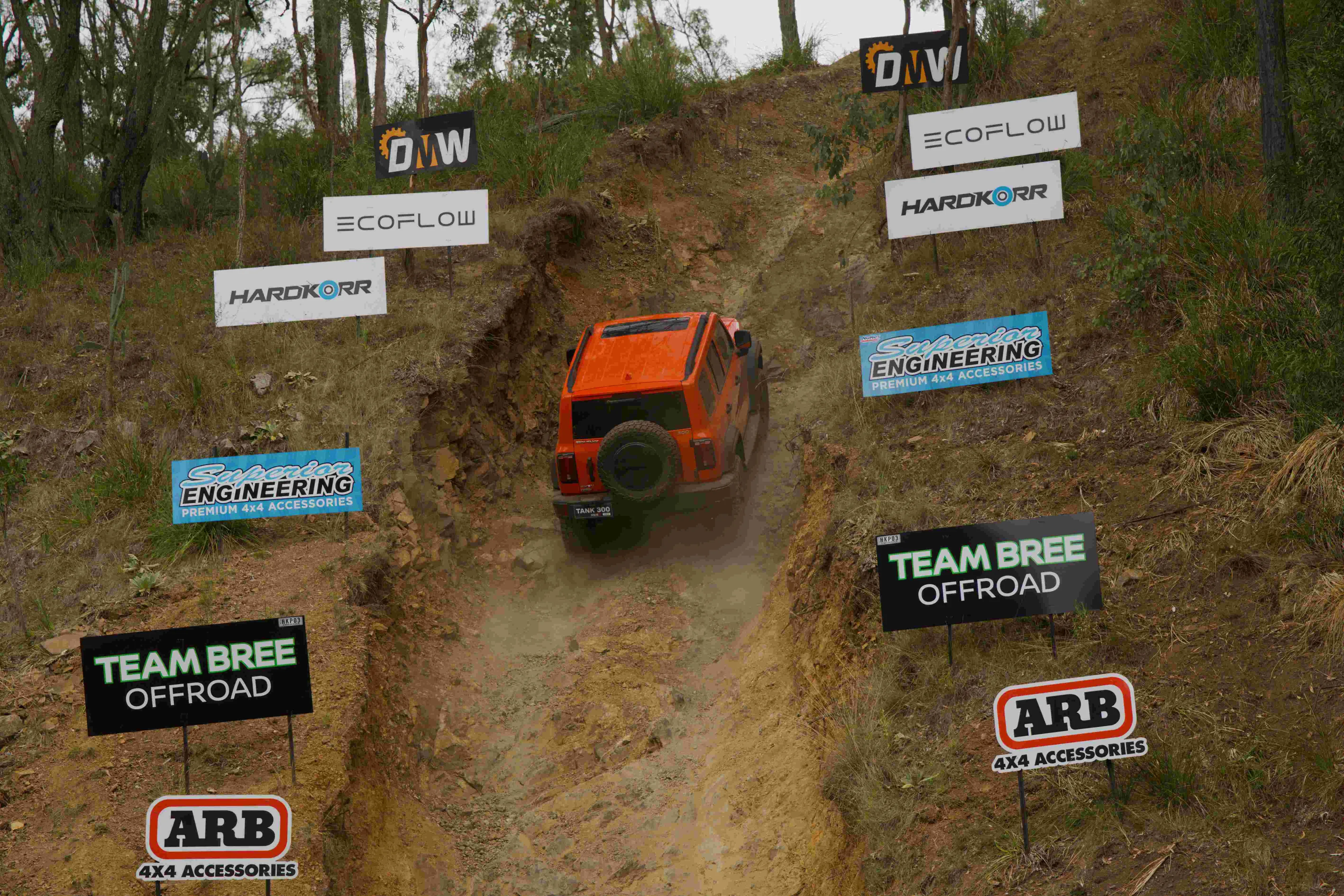
What sets these models apart is GWM’s Hi4‑T plug‑in hybrid architecture, a system designed specifically for off‑road use rather than being an afterthought for efficiency. Hi4‑T integrates electrification into a genuine 4×4 platform, pairing electric torque delivery with mechanical linkages, locking differentials and a low‑range transfer case to produce controlled, sustained low‑speed grunt and precise traction where it matters most. That hybrid focus on capability means the new Tank 300 and Tank 500 can deliver both the immediate, controllable torque electric motors provide and the mechanical durability that serious off‑roaders demand.
Three of the five successful climbers on Beer O’Clock Hill were Hi4‑T models, with the other two running GWM’s stout 2.4‑litre turbo‑diesel, a balanced demonstration that the brand’s electrified systems can match traditional powertrains in harsh conditions. Crucially, GWM completed these climbs without mechanical modifications, calibration changes or software tweaks, the vehicles were showroom stock, the same units customers could drive away and test against New Zealand’s diverse terrain the moment they leave the lot.
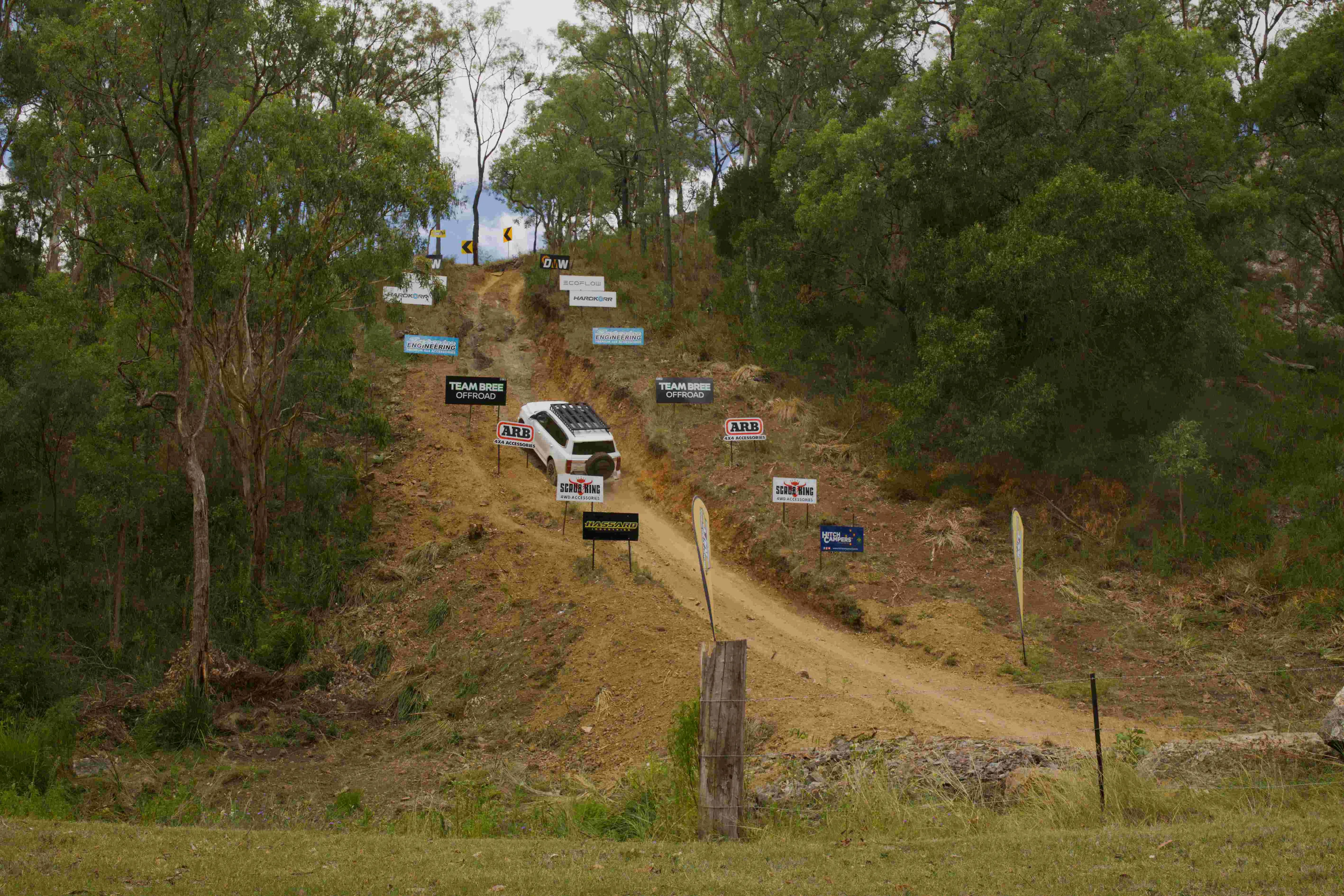
Why this matters: instant electric torque is uniquely suited to steep, technical climbs. Electric motors deliver peak torque from zero revs, allowing for smooth, controllable progress up rutted, slippery or rock‑strewn pitches where feathering the throttle and modulating traction is everything. Combined with traditional low‑range gearing and locking diffs, a PHEV like the Tank 300 Hi4‑T can excel in situations that normally demand engine revs and clutch work, except with far less noise and often superior drivability.
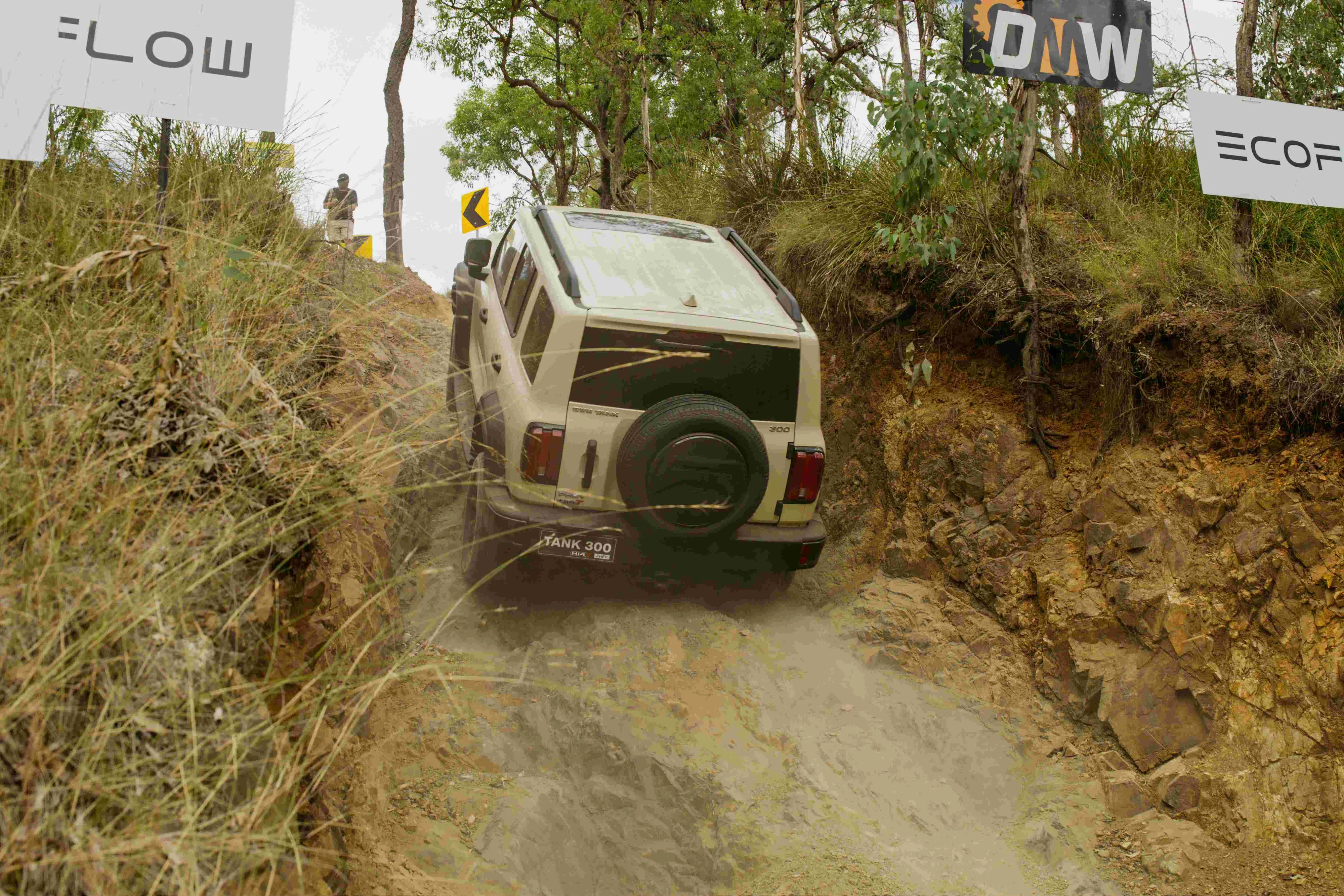
GWM’s marketing and regional leadership have been quick to frame the Beer O’Clock result as validation of the company’s “new energy” direction. Steve Maciver, Head of Marketing & Communications for GWM Australia & New Zealand, emphasised that the climbs prove electrified vehicles can enhance capability rather than compromise it, pointing to the Tank 300 Hi4‑T’s climb on highway tyres as a headline‑worthy engineering signal.
In New Zealand, Country Manager Cameron Thomas underscored the relevance of that capability to local conditions, saying the milestone proves readiness for the country’s varied driving landscape and the adventures buyers expect.
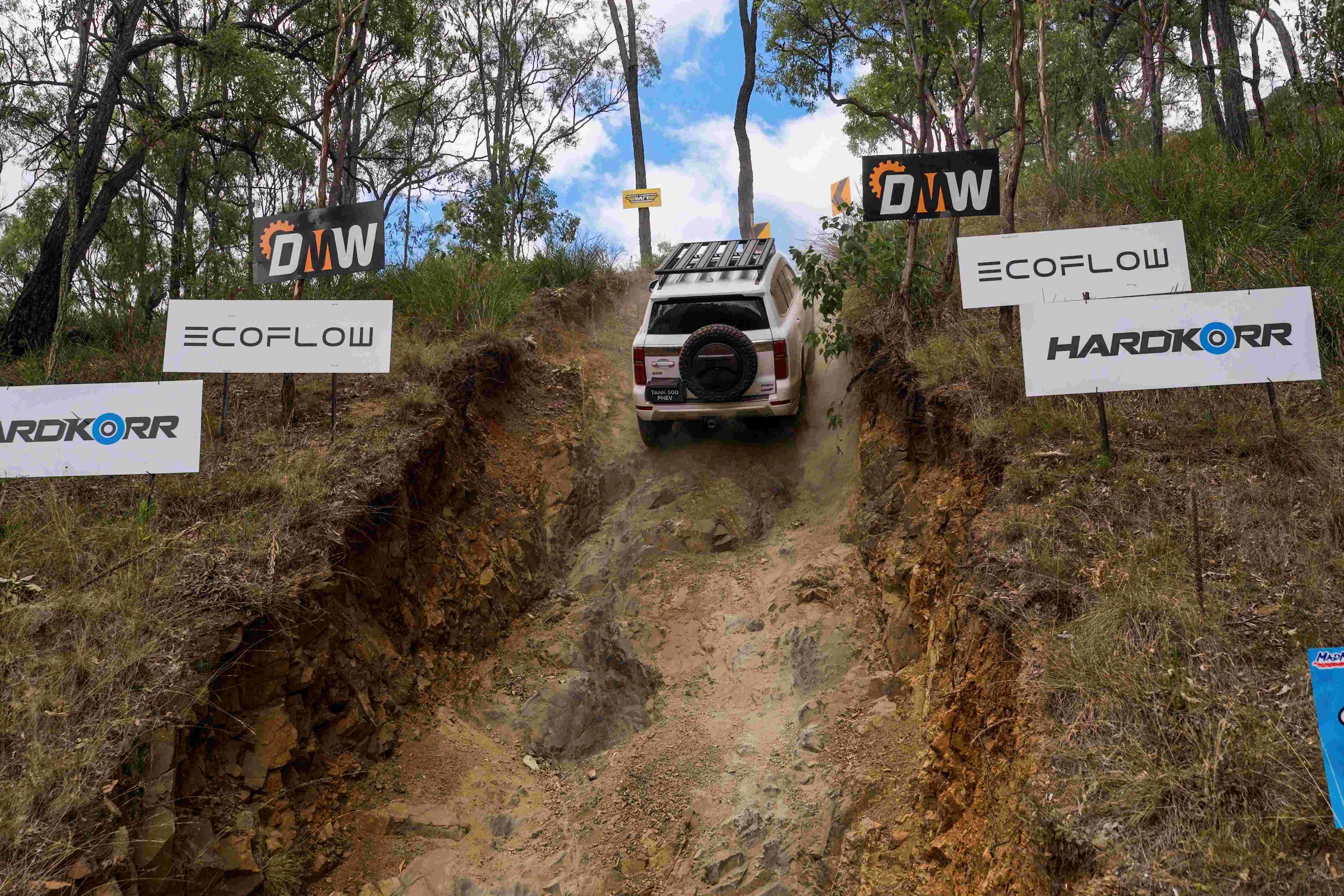
For buyers and enthusiasts, the takeaway is simple: GWM is building hybrids with off‑road intent, not merely fuel savings. The Tank 300 and Tank 500 Hi4‑T PHEVs showcase how electrification can be harnessed to amplify traction control, low‑speed torque and climbing endurance, and they did it on one of Australia’s toughest proving grounds without bespoke prep.
Here’s our local review of the GWM Tank 500: