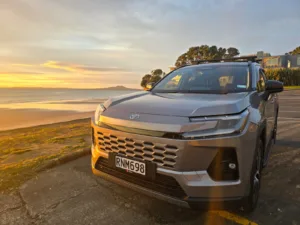
Nissan recently invited us to have a go at revisiting some of their lineup. And while of course having the incredible Z NISMO is always a delight, I must say I was interested in climbing the ladder of their SUVs. We all know these are the real bread winners, and where the competition is the most fierce. And after spending a week with the Nissan X-Trail, a car that Dave and Matt had had great things to say about, it was impossible not to frame the experience against other Nissans I had just stepped out of.
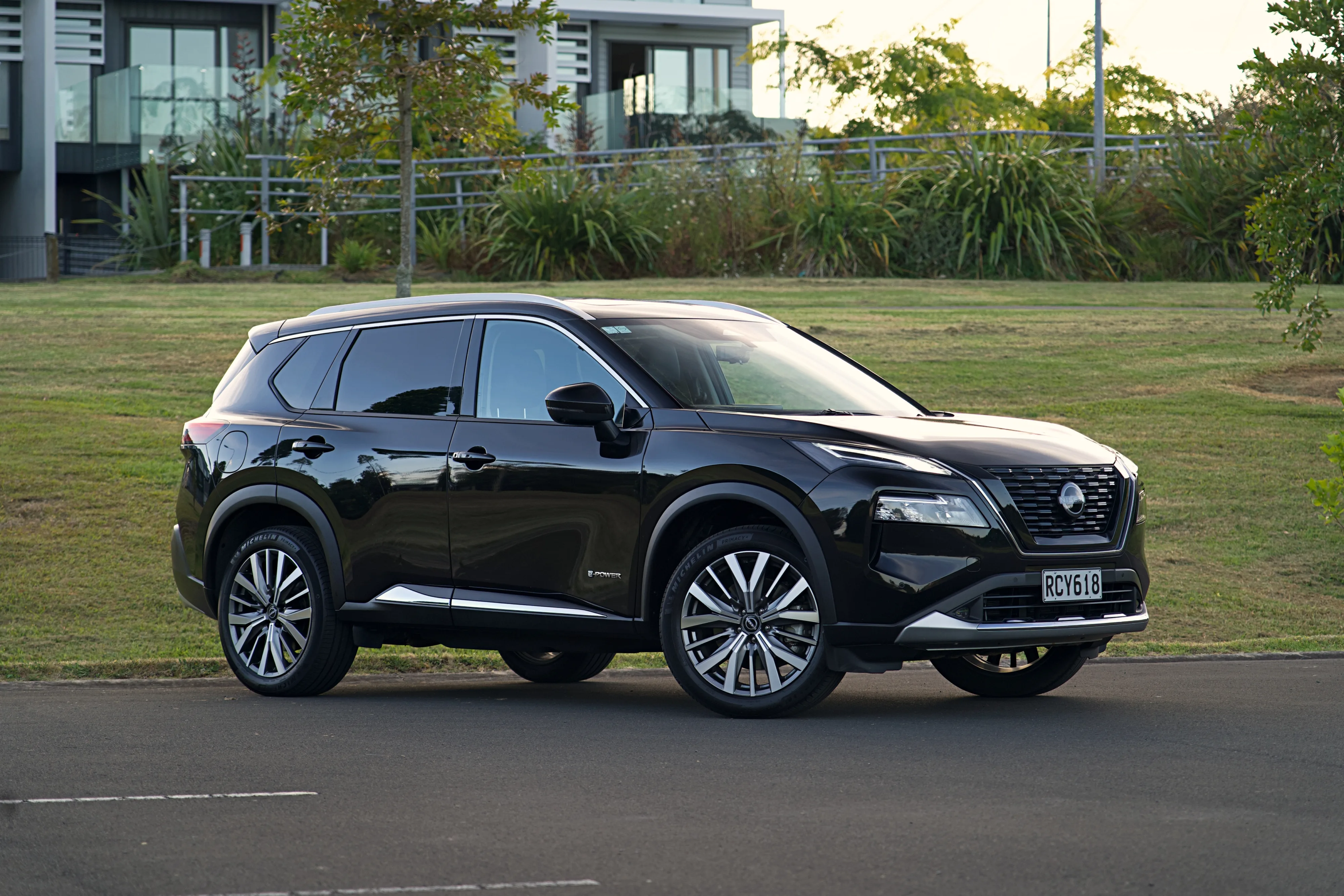
At the end of the day (or should I say week), it becomes clear that the X-Trail leans far more heavily into practicality, sometimes at the expense of perceived quality, than most of its competition. And judging from the perception of the (many) people I had riding passenger in it, Nissan clearly made the right choice here.
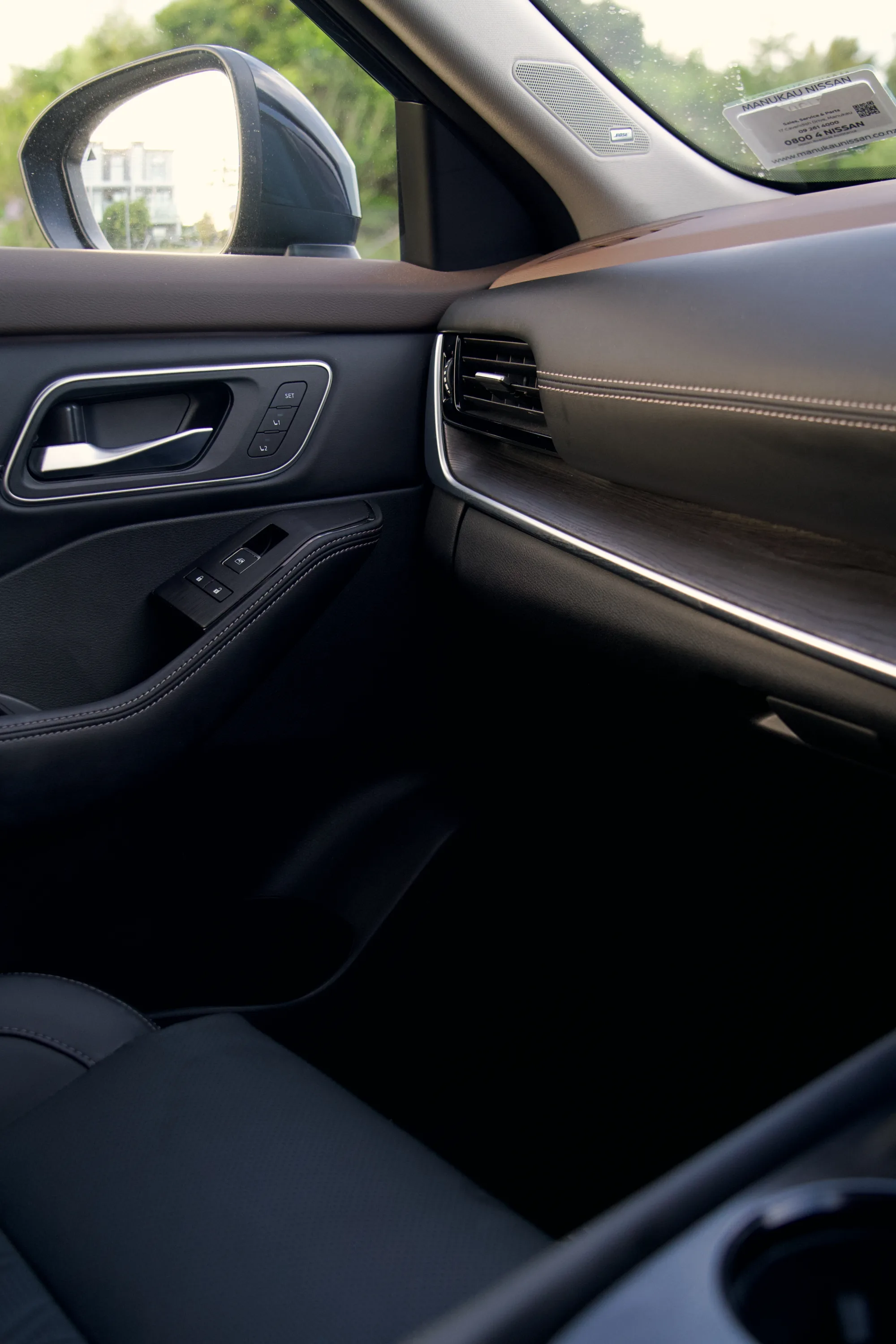
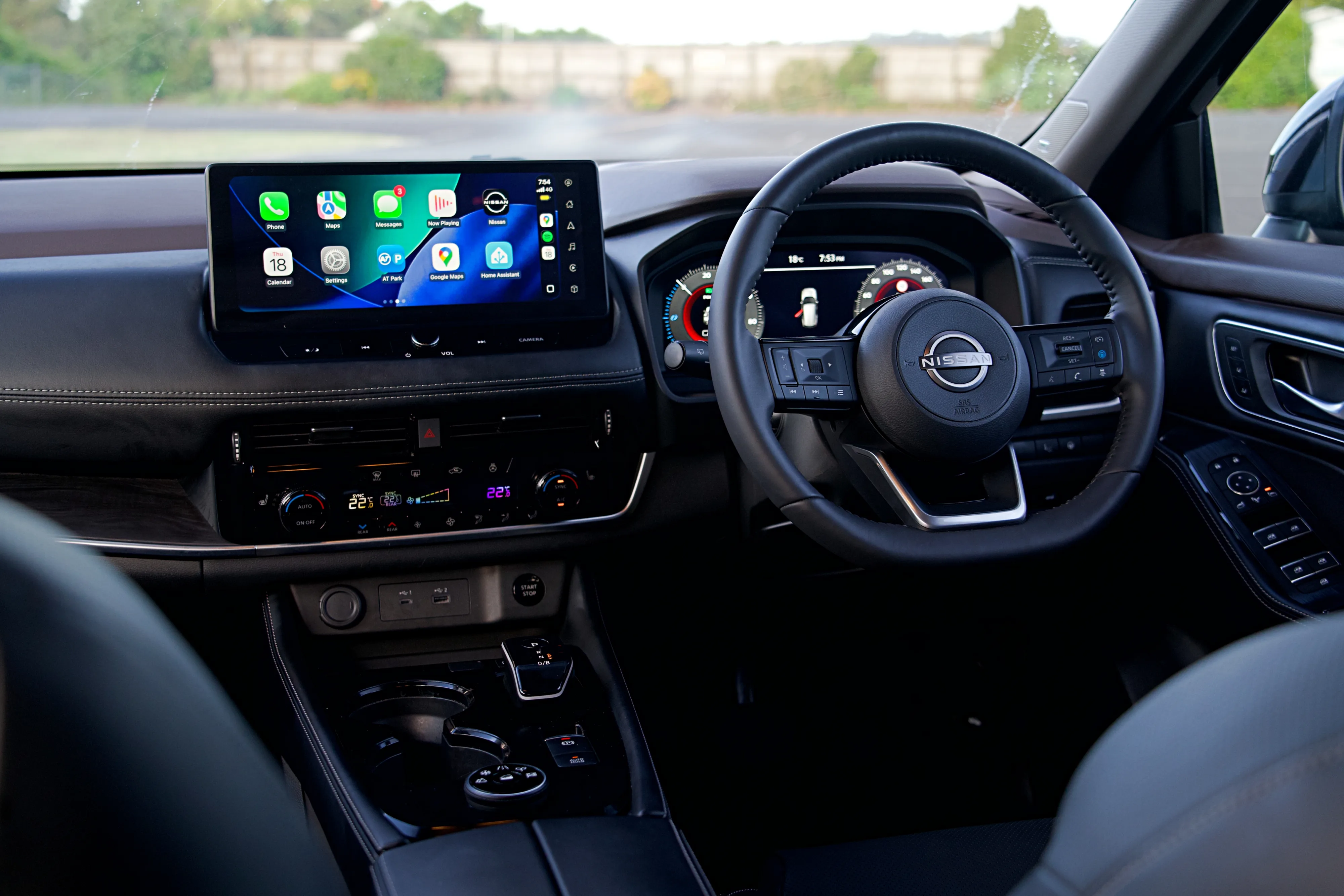
The materials are the most obvious giveaway of my point. There are hard plastics throughout the cabin, and while they are robust and clearly chosen for durability, they dominate the visual and tactile experience. The dashboard, in particular, feels like a throwback, with colours and textures that strongly recall Nissan interiors from the early 2000s – I owned a handful of them myself, so I feel qualified to spot parts-bin specials. It is not offensive, but it is dated, and when you have just come from something as cohesive and plush as the Ariya, it does feel like a step backwards.
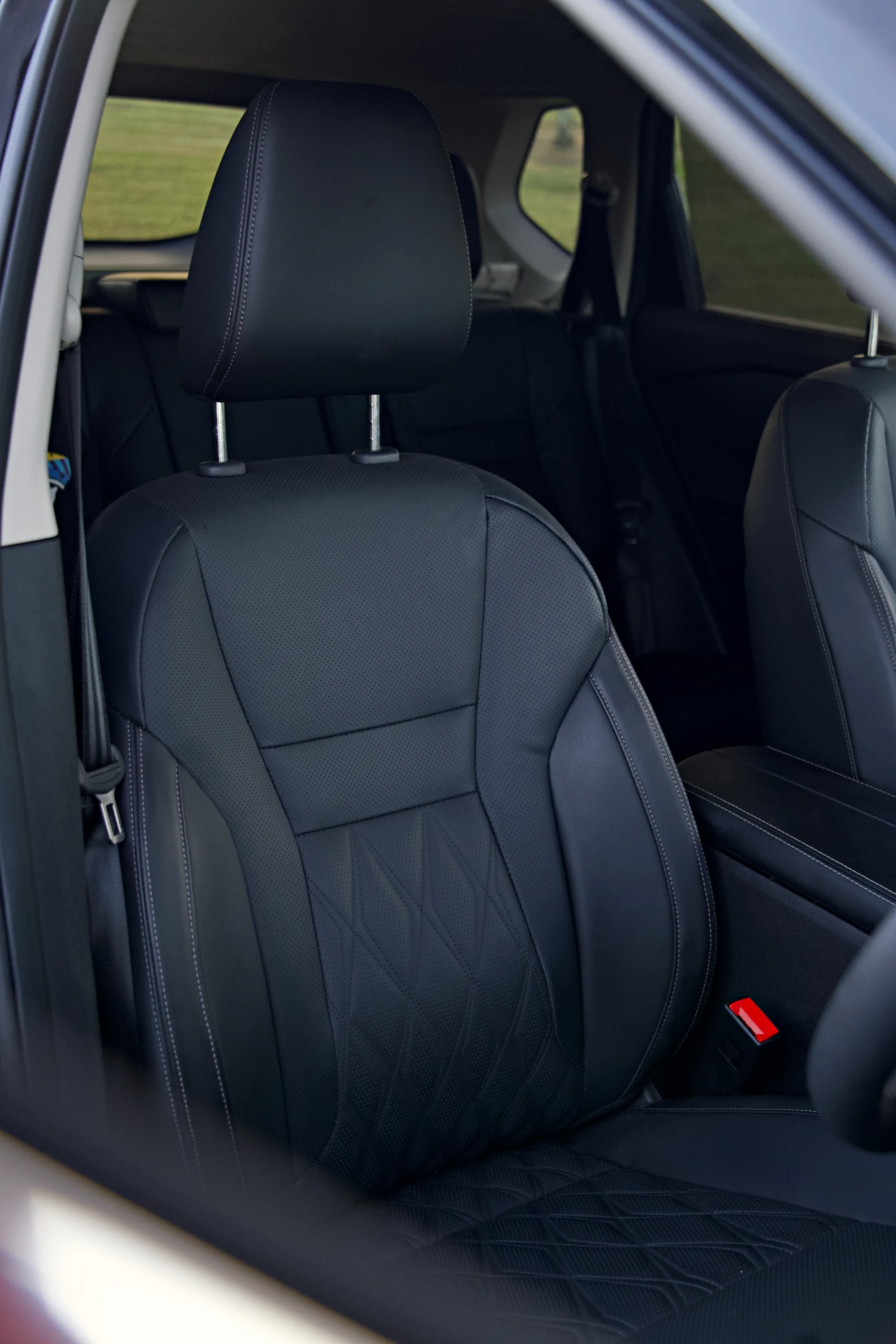
That same theme carries through to the seats. They are on the firmer side and it takes longer than expected to find a genuinely comfortable driving position. The leather itself is serviceable rather than luxurious, lacking the softness you might expect given the car’s positioning – they are marketed as Nappa but I’d question that. That said, there is plenty of adjustment available, and once dialed in, long stints behind the wheel are perfectly manageable.
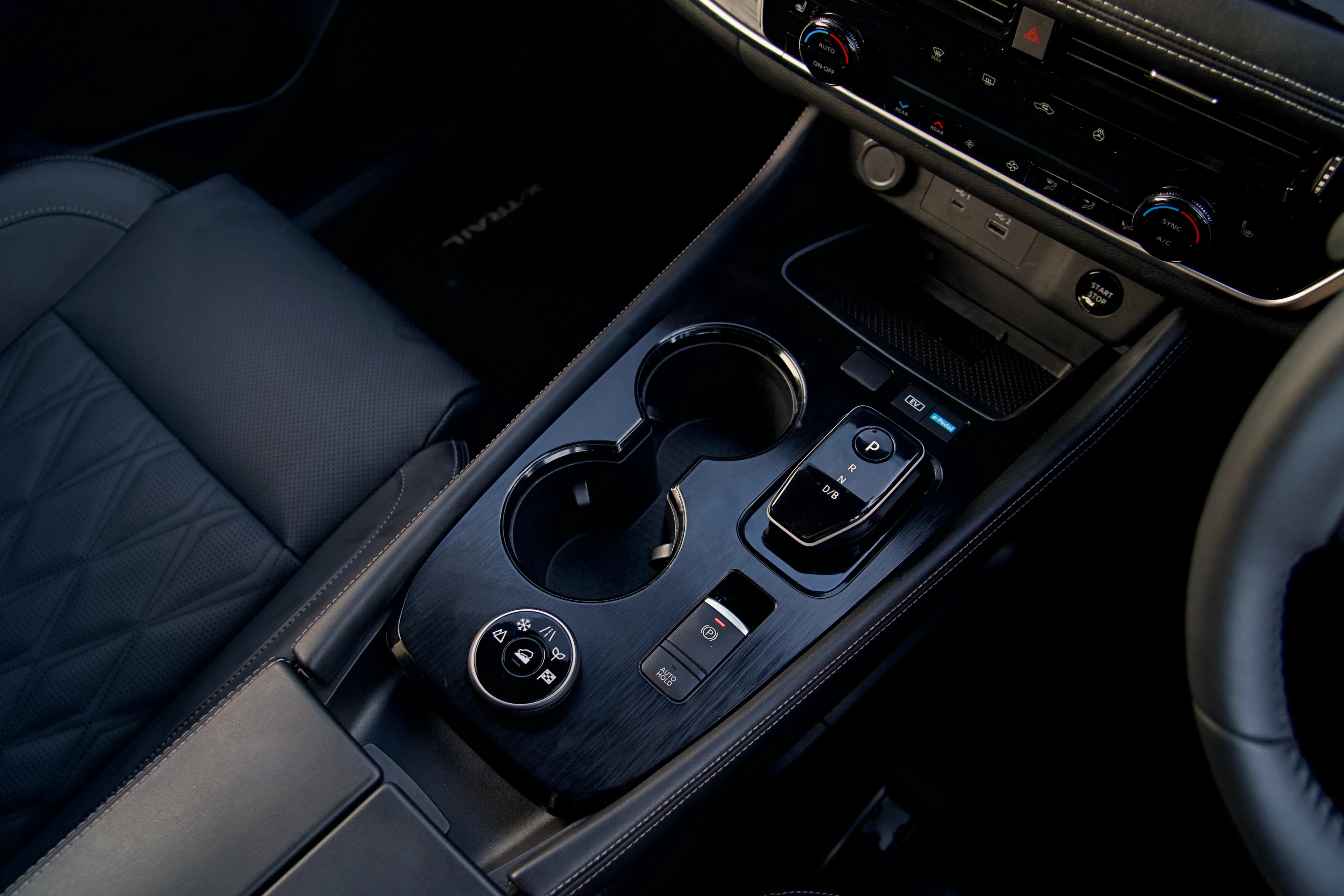
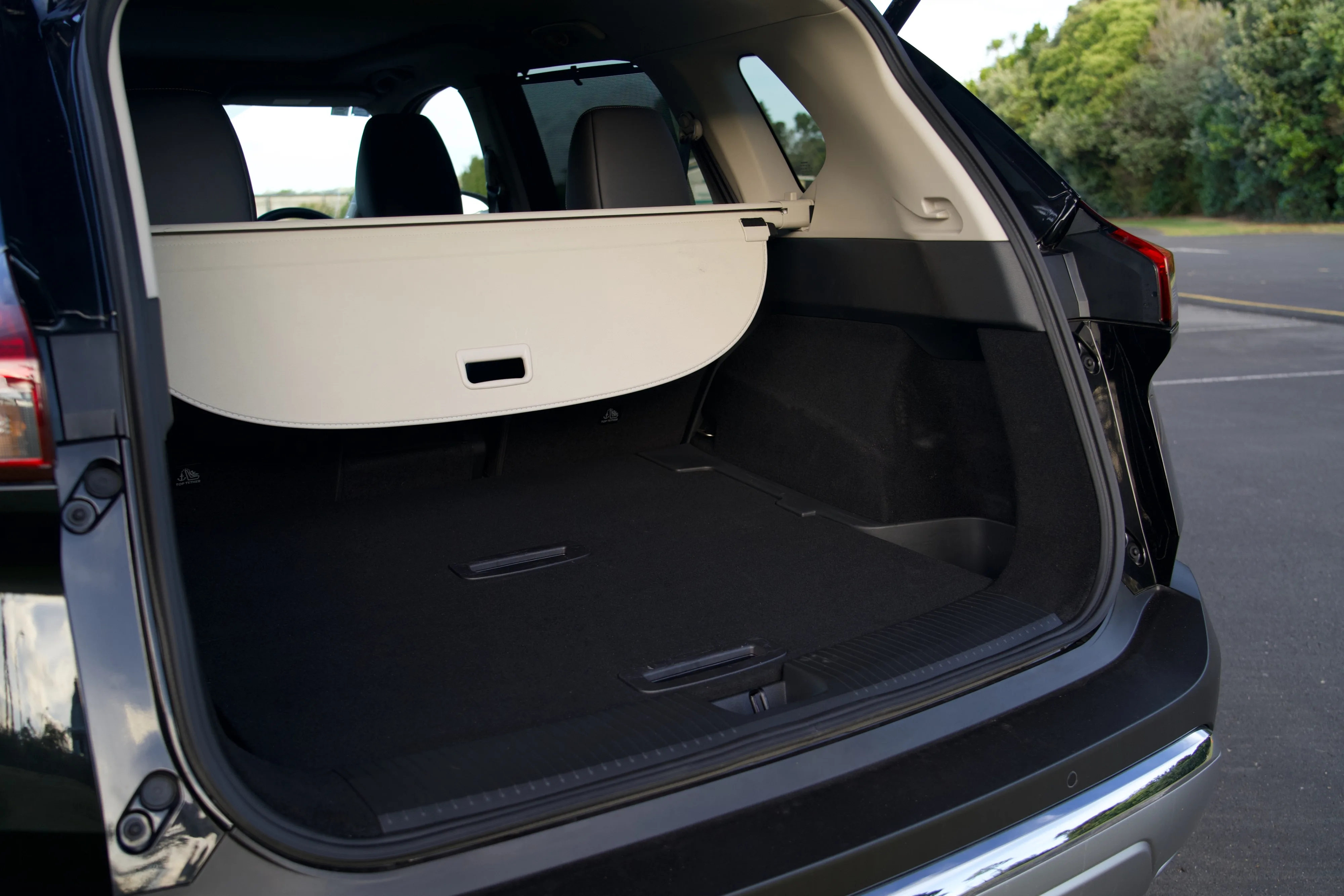
Where the X-Trail starts to win you back is in its sheer usability. Storage solutions are thoughtfully executed, with unified cup holders that actually work, a wireless charging pad paired with a practical cubby, reasonably sized door bins, a usable glove box, and a genuinely large boot. Everything feels designed around real life. This is very much a vehicle that understands its purpose and is happy to take on the burden of day-to-day family duties, and you know how that always wins me over.
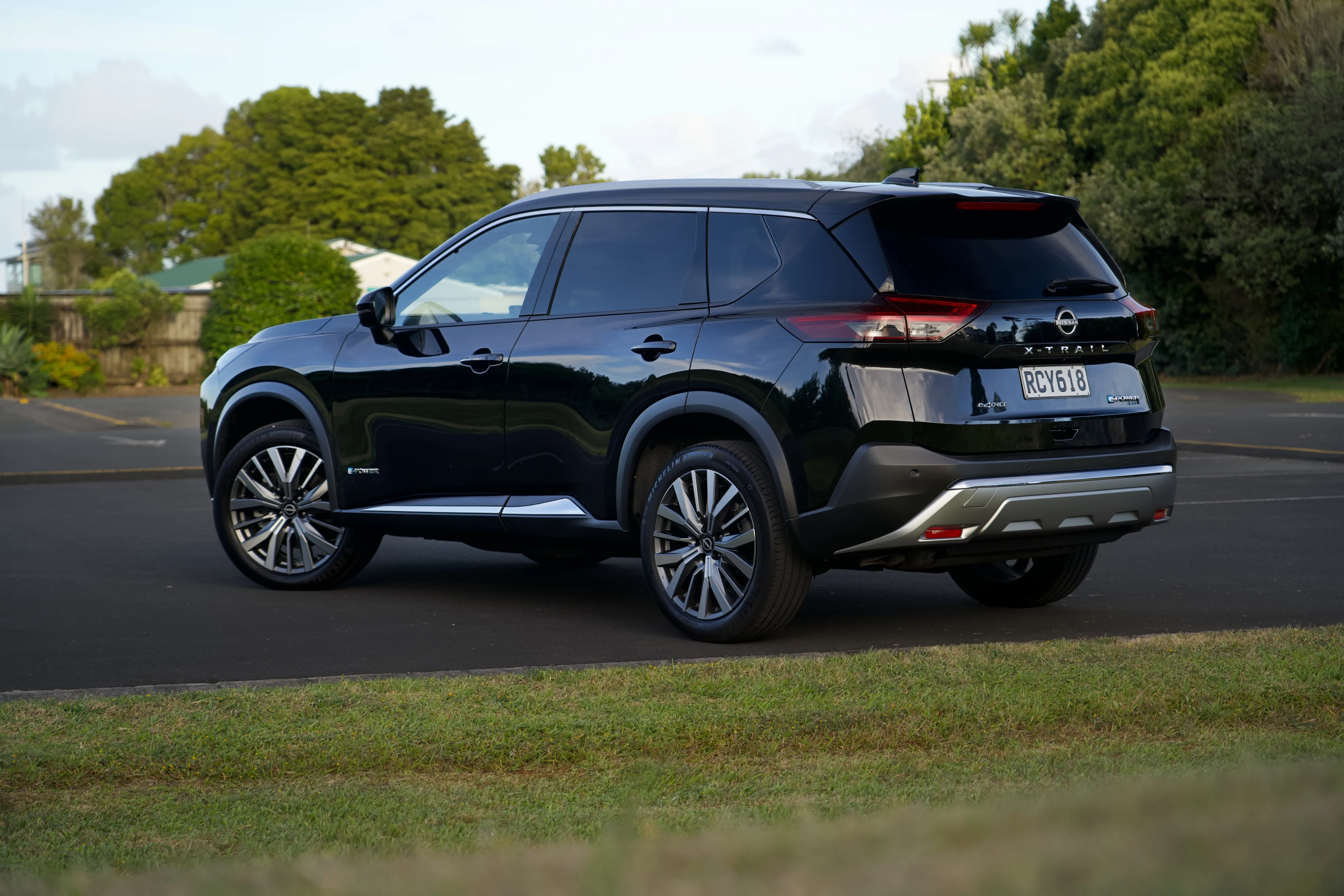
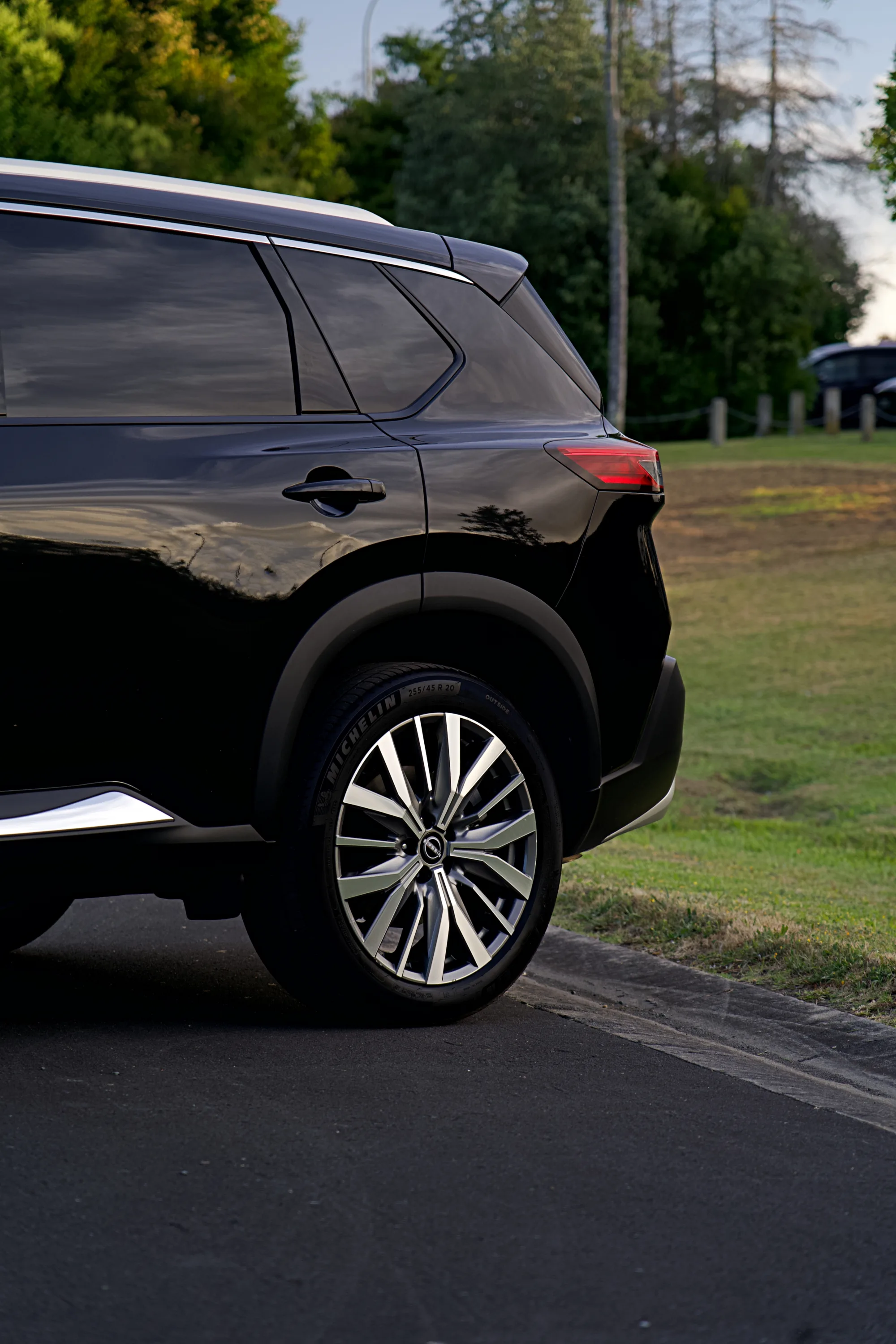
You might have seen I skipped my usual first topic, which is exterior design. This was deliberate, because the X-Trail will hardly ever win someone over on fancy looks and kerb appeal. But I like the fact it gets the most important facts nailed: the proportions are spot-on, nothing feels out of place, and it brings Nissan’s visual identity without feeling either too cheap or that it is trying too hard. Might seem like an easy task, but look around the market and you’ll see this is way easier said than done.
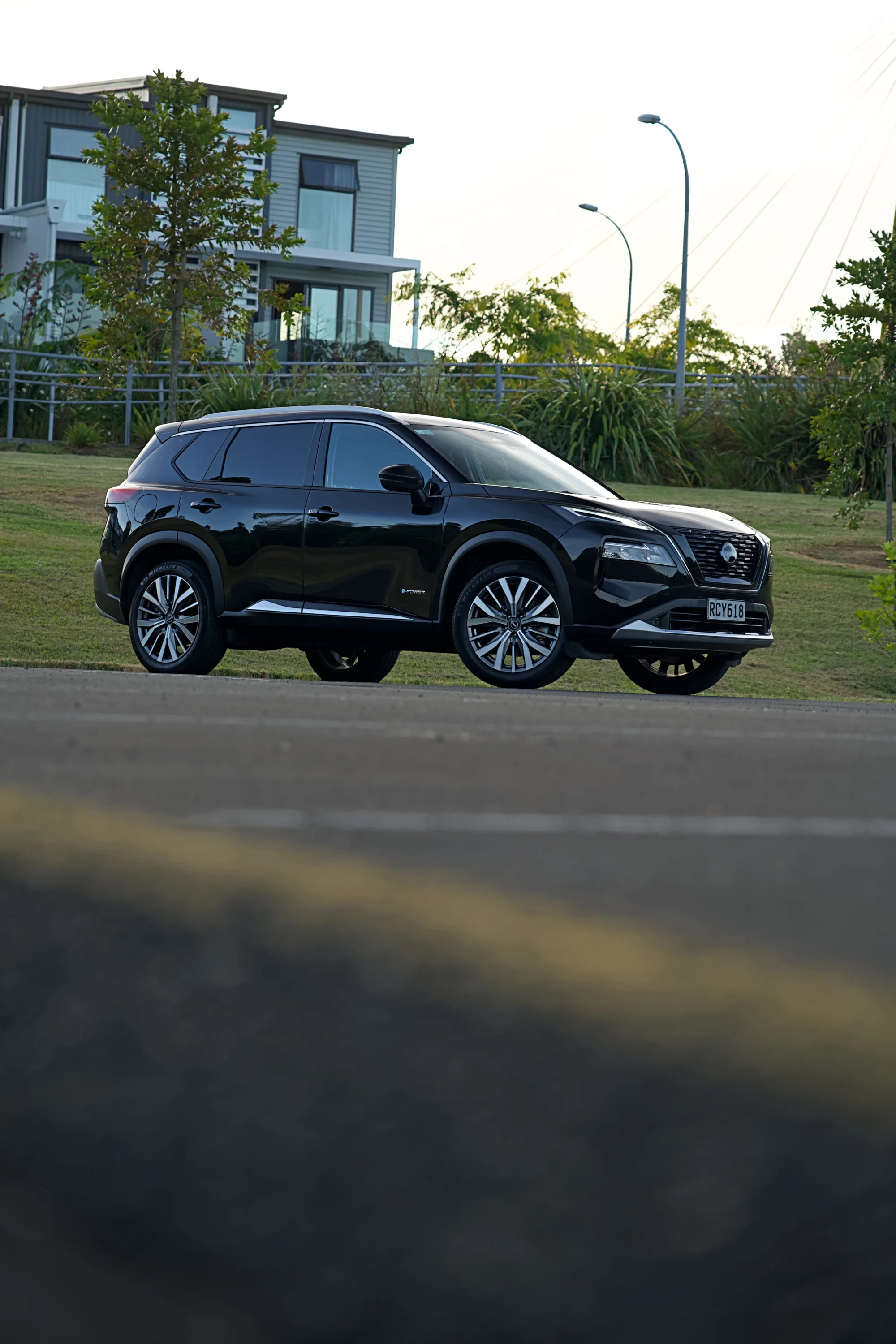
The driver assistance systems also reflect this pragmatic approach. They are not the most sophisticated or the smoothest on the market – because, let’s be honest, they’re last gen – but that turns out to be both a blessing and a curse. While some interventions feel a little less polished, the warning thresholds are exceptionally well judged. The systems alert you when they should, back off when they shouldn’t, and never feel like they are fighting the driver (how I miss those days). In daily driving, that restraint becomes a genuine asset, especially for systems that, when off, stay off.
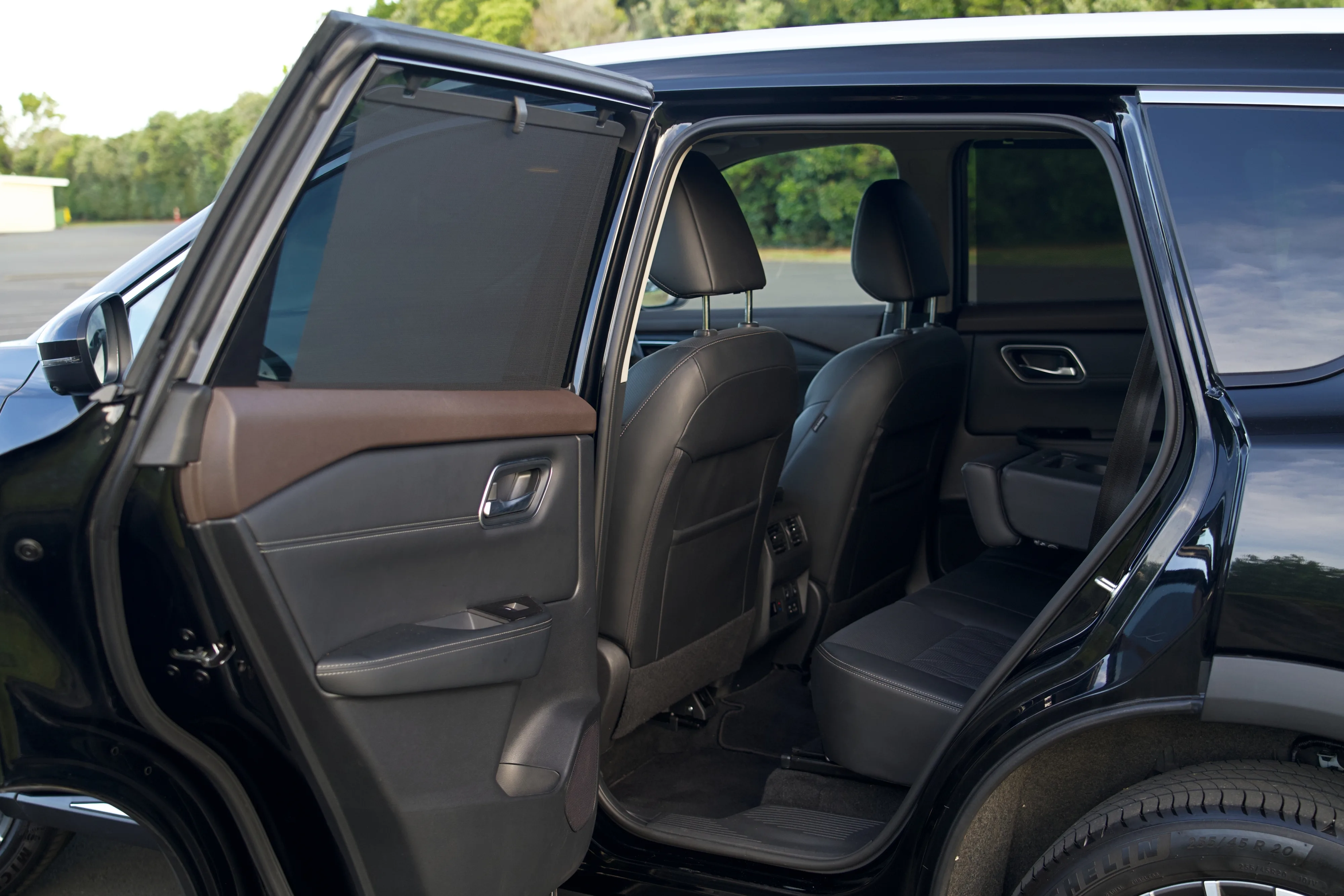
Rear seat access is another highlight. The rear doors opening to nearly 90 degrees make a tangible difference in daily use, whether you are loading child seats, dealing with passengers, or simply moving bulky items in and out. The rear row itself is highly usable, and the sense of space reinforces the X-Trail’s role as a functional family vehicle first and foremost. Granted, some of the competition have also woken up to this use case, but it is astonishing to see that not all of them understand that this is a car that busy families want to work for such situations.
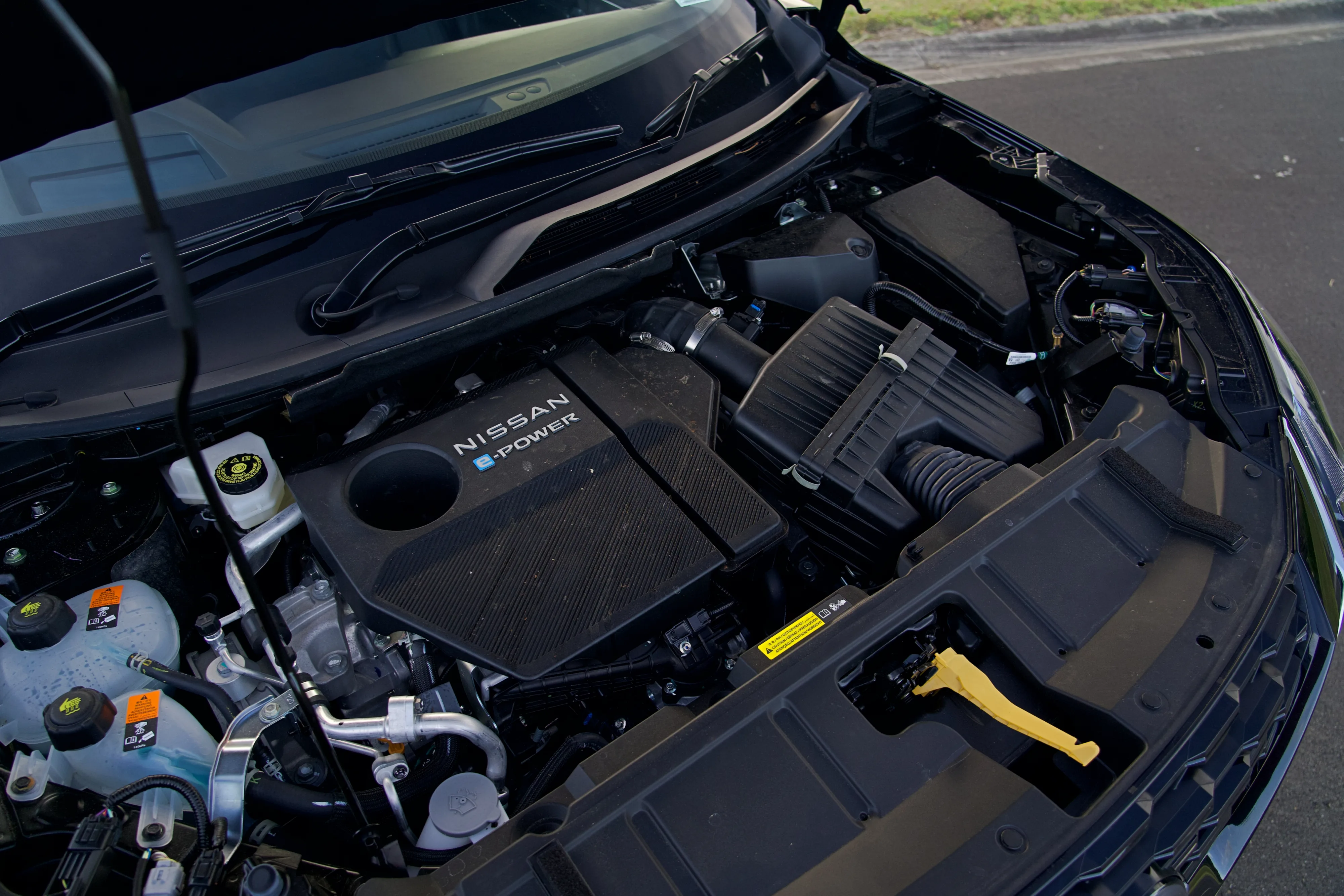
This particular car was equipped with Nissan’s e-POWER e-4ORCE hybrid system, and it is arguably the most interesting part of the package. The internal combustion engine rarely feels like it is directly driving the wheels, instead acting primarily as a generator. As a result, the X-Trail behaves much like an EV for the majority of the time, especially around town. Power delivery is smooth, predictable and consistent, and in urban driving the car often operates in EV-only mode, giving it a calm, refined character that suits its intended use remarkably well.
And dynamics don’t disappoint, either. I have been surprised time and time again with how competent most Nissans are on that regard, whatever the segment, and the X-Trail is no exception. Again, it is no Z, but neither should it – comfortable compliance and predictable under load behaviour are the main goals here, and the X gets it covered no problem.
Being an all-wheel-drive system, you can interact with different modes that will customise how power is delivered. This is no four-wheel drive off-roader, but drive mode changes are meaningful and give you some more peace of mind and practicality for inclement weather – this would be a great vehicle to go up a ski field, for example.
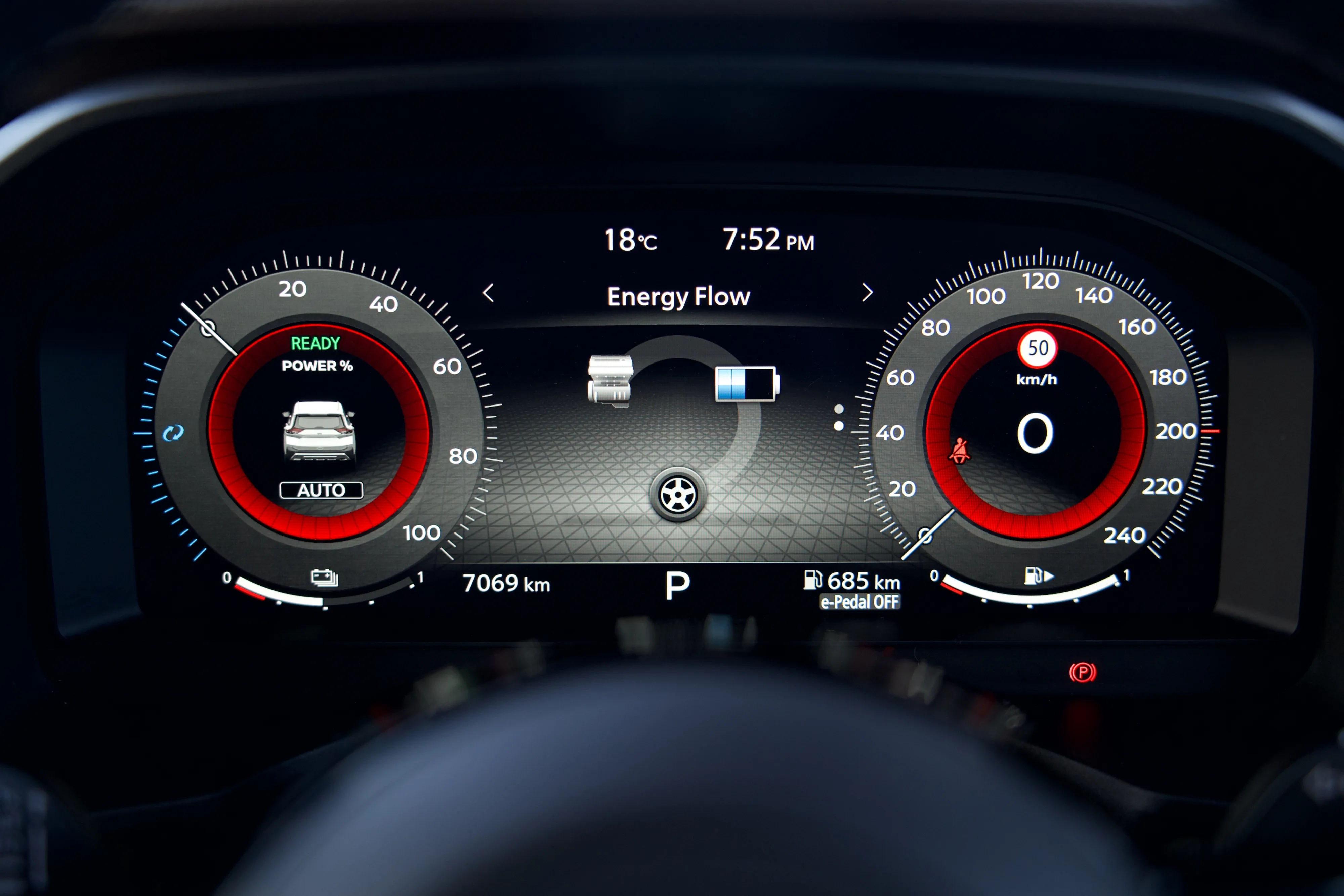
And then, of course, there is the efficiency benefit, which is not just theoretical. Over the course of my driving, the X-Trail returned an average of 5.9 litres per 100 kilometres, which is an impressive result for a vehicle of this size and capability. It reinforces the idea that the X-Trail may not chase the latest trends, but it remains very competent where it matters most.
Ultimately, the Nissan X-Trail might not exactly be aspirational in the way other Nissans are, and that’s totally okay. It is honest, practical and engineered to cope with everyday life without any fuss. It may lack a sense of modern flair or premium tactility, but in exchange it delivers space, efficiency, predictability and a lack of nonsense in a way that many buyers will appreciate. My passengers, who don’t get to drive every single thing under the sun, resonated much more with the idea of having a car that works for their lifestyle and disappears in day-to-day life than something flashy and with a steep learning curve, and it almost feels like Nissan researched them when designing this car. Thanks, Nissan, for the opportunity, and thank you for reading this far!