We have just come back from the Ayrburn Classic, where we had some in-depth involvement with the Classic Car Auction that took place through Sunday Drive. And while I’m our resident auction aficionado that can talk lots and bids for hours, out of all the lots that had heaps of pedigree and historical significance, there was one that definitely got us lusting.
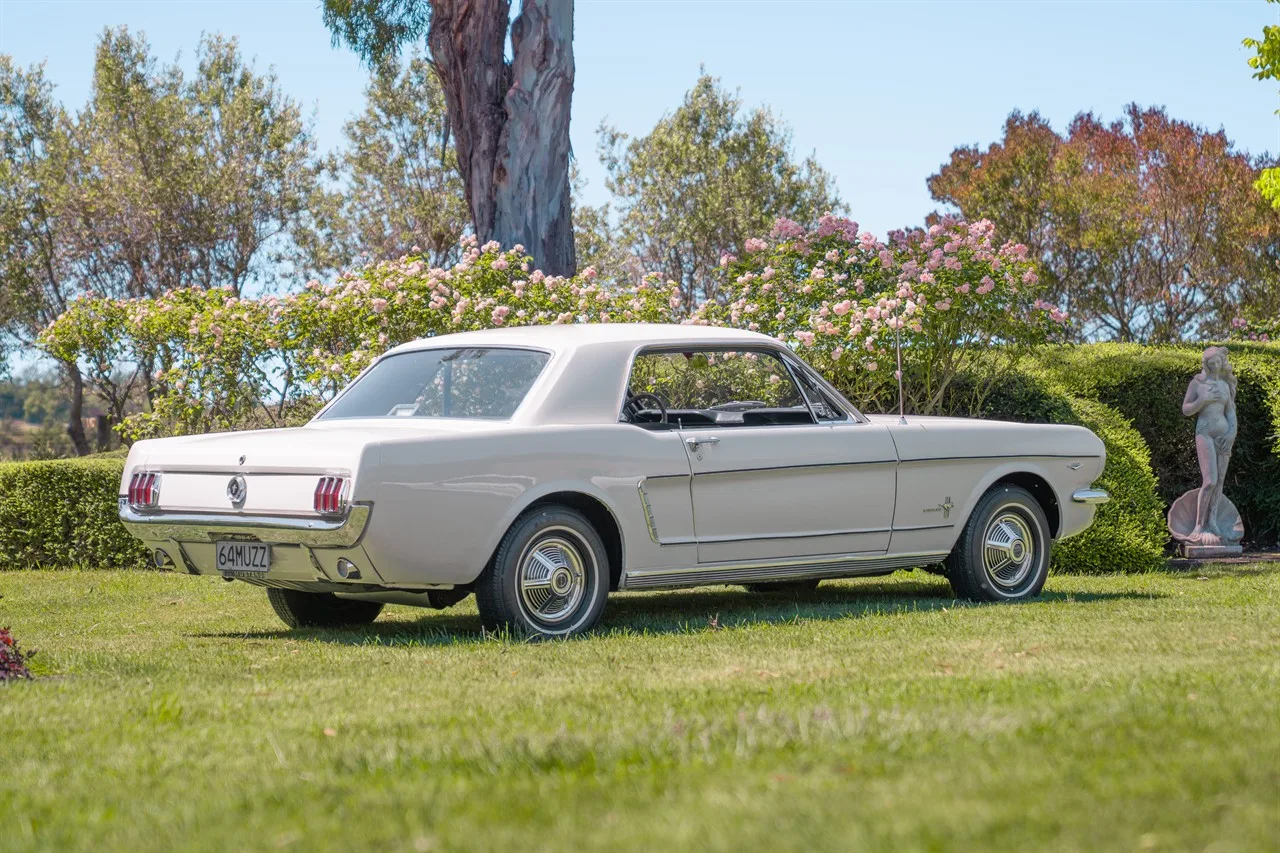
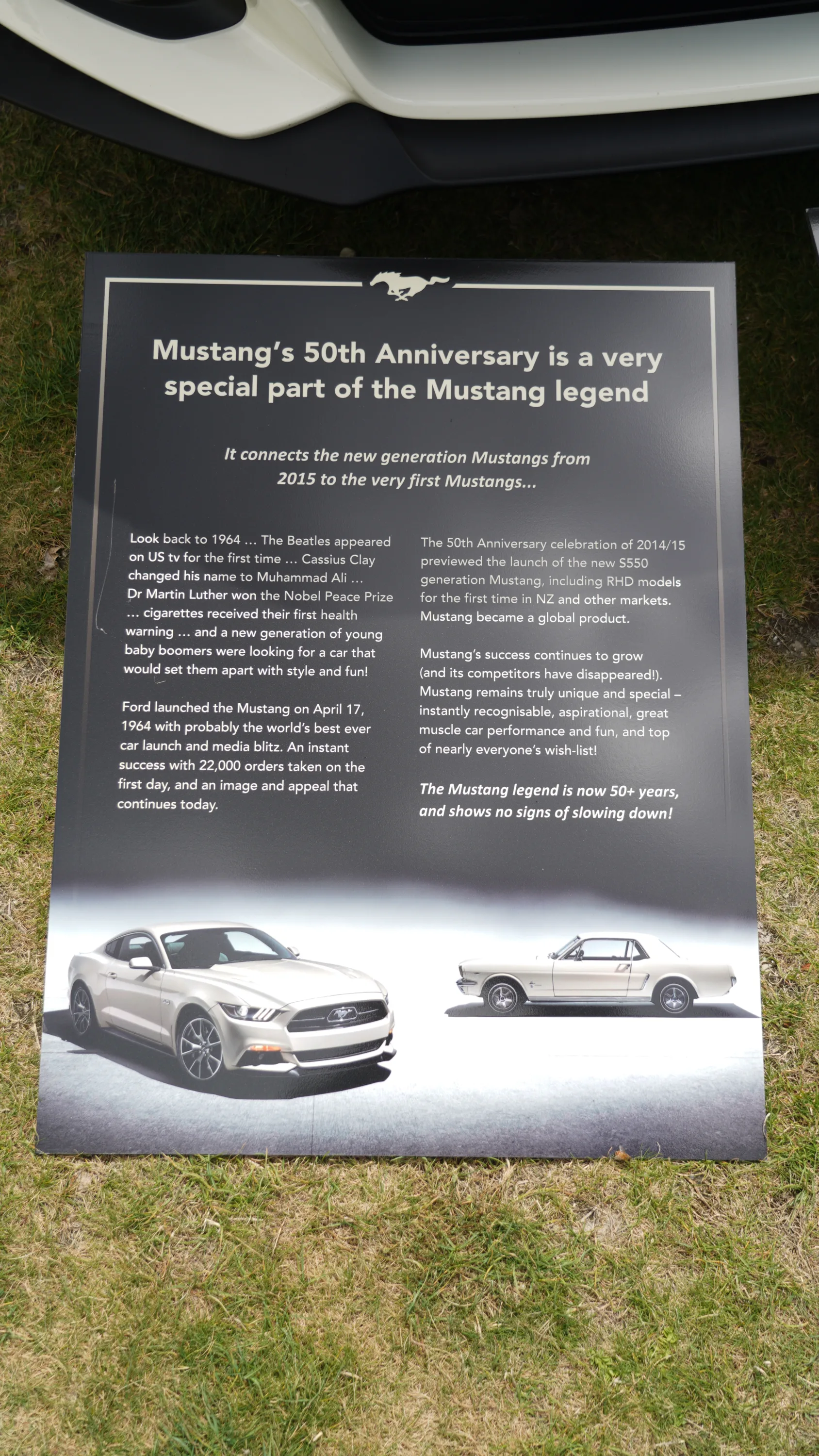
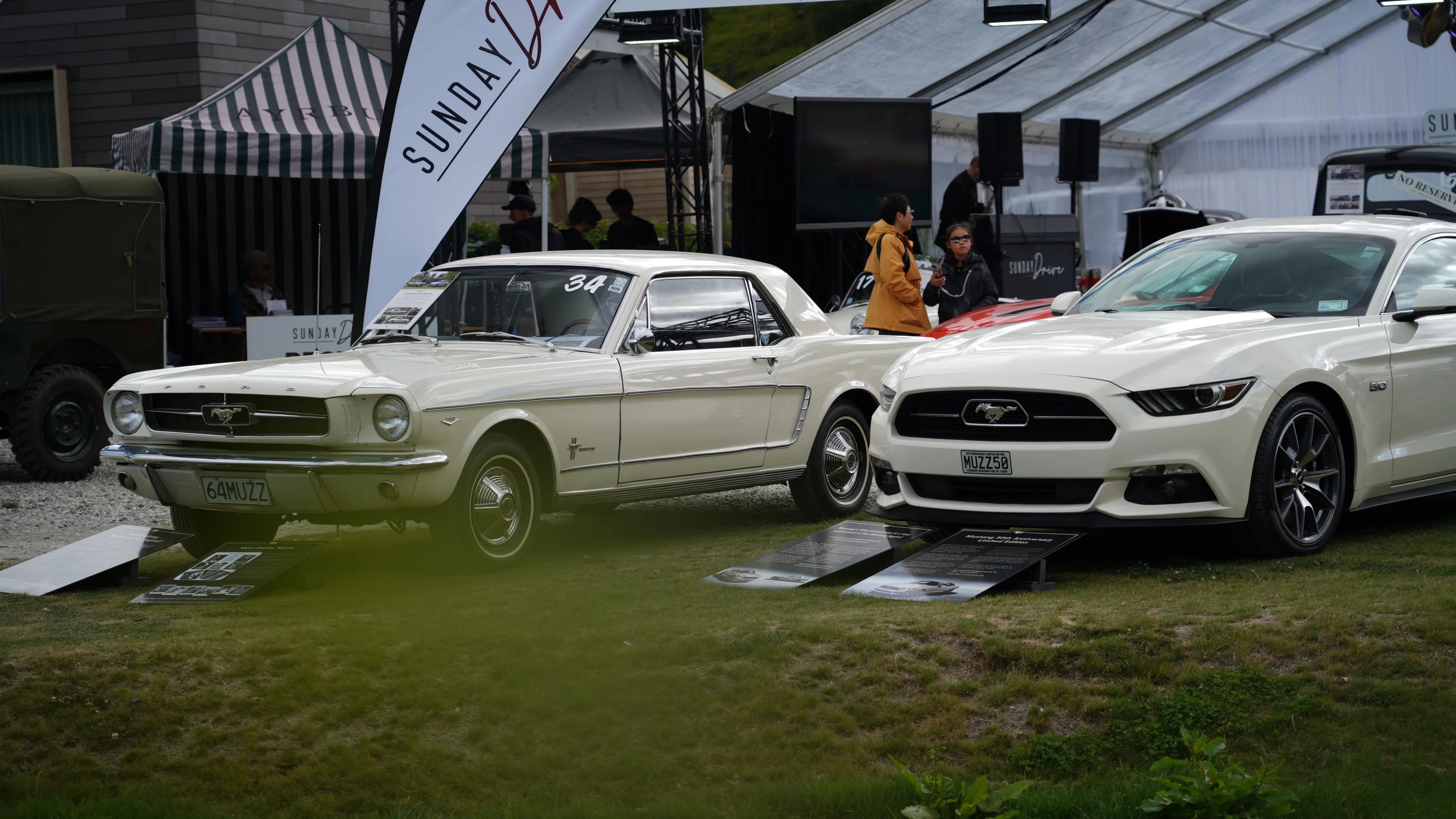
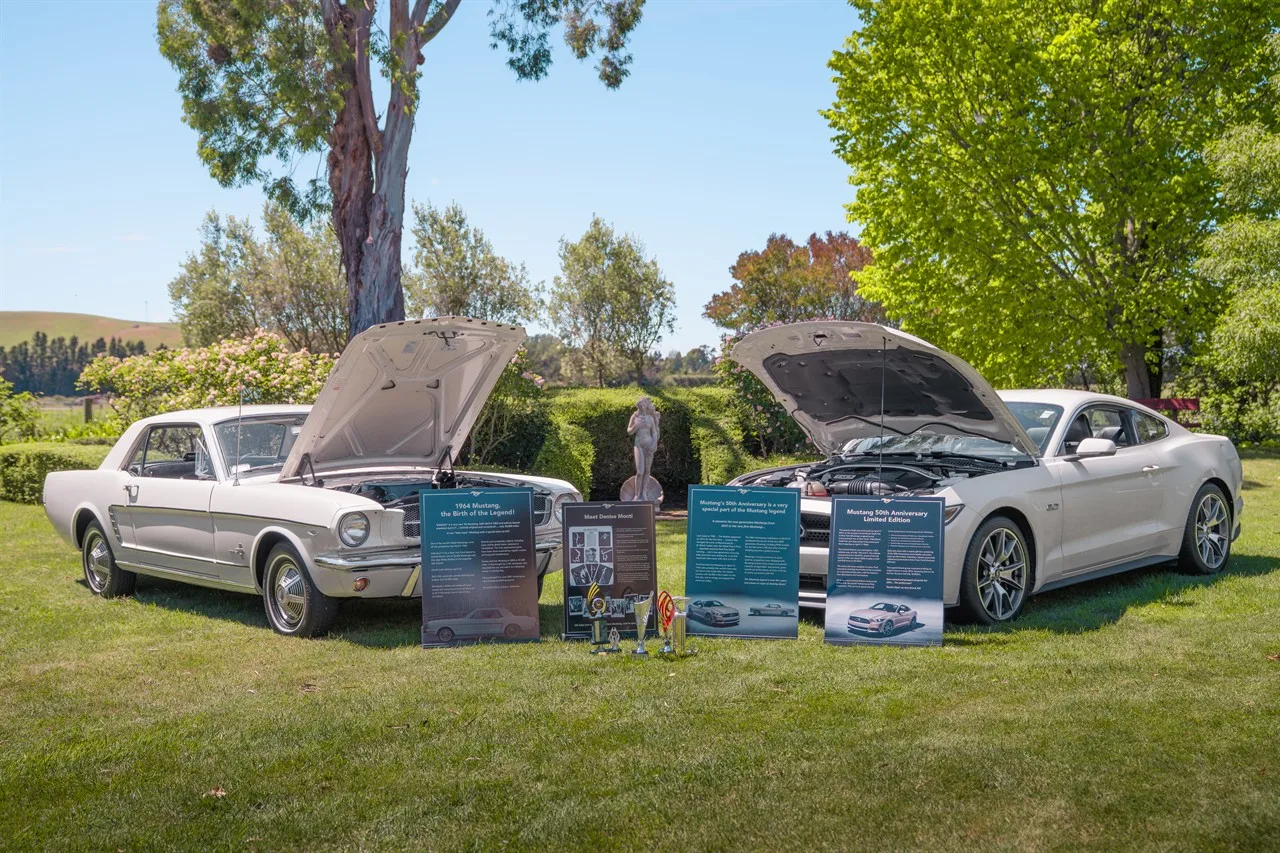
What is so cool about it, you ask? How about the fact that it is not one car, but two? The pair consisted of two Ford Mustangs, a 1964 and a 2015, as a way to represent, very explicitly, the first five decades of the famous car from the blue oval. The seller positioned them as a combined opportunity: an early production car that helped establish the Mustang formula, alongside a contemporary example shaped by all those years of continuous evolution.
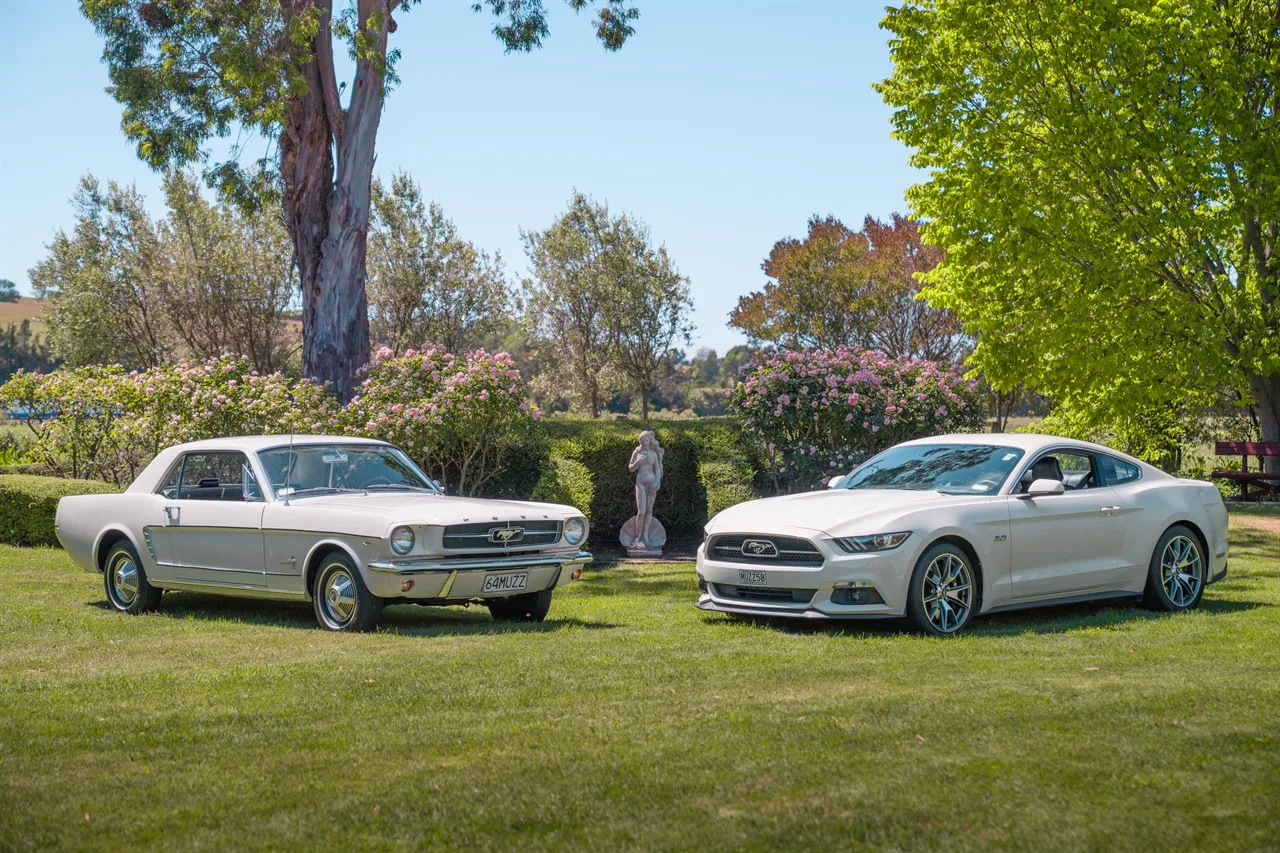
The idea itself was solid: offer two generations of the Ford as a single lot, giving someone the opportunity to not only own one staple in the history of the iconic Ford, but also bridge the origin of the nameplate with its modern reinterpretation.
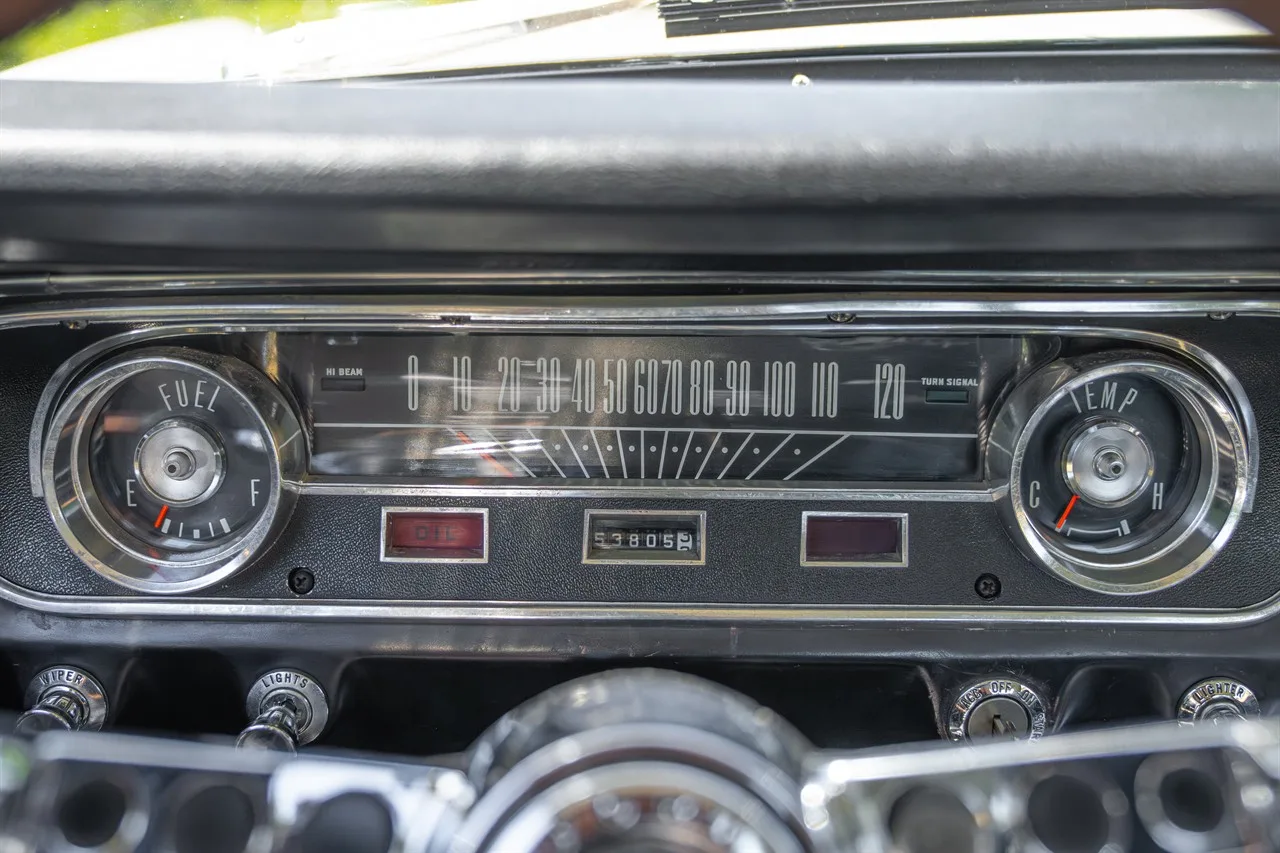
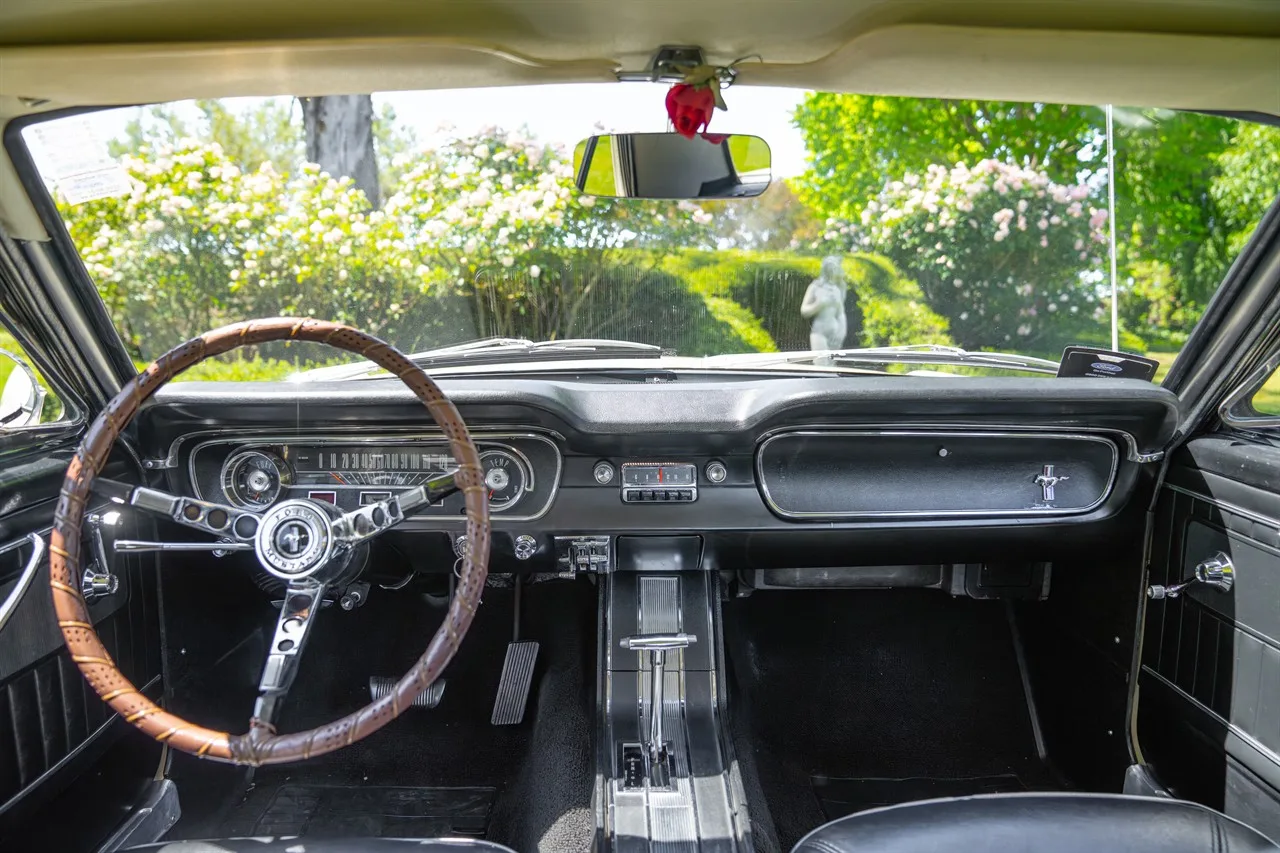
Had they been just “normal” Mustangs, that would already be some special pairing. But both of them pack interesting stories, making it all even more compelling. I said the 1964 is an early model, but it’s more than that: it’s a launch weekend car, and reflects the original brief of compact dimensions and simple mechanicals, wrapped in the unmistakable shape. And then there’s the ownership history.
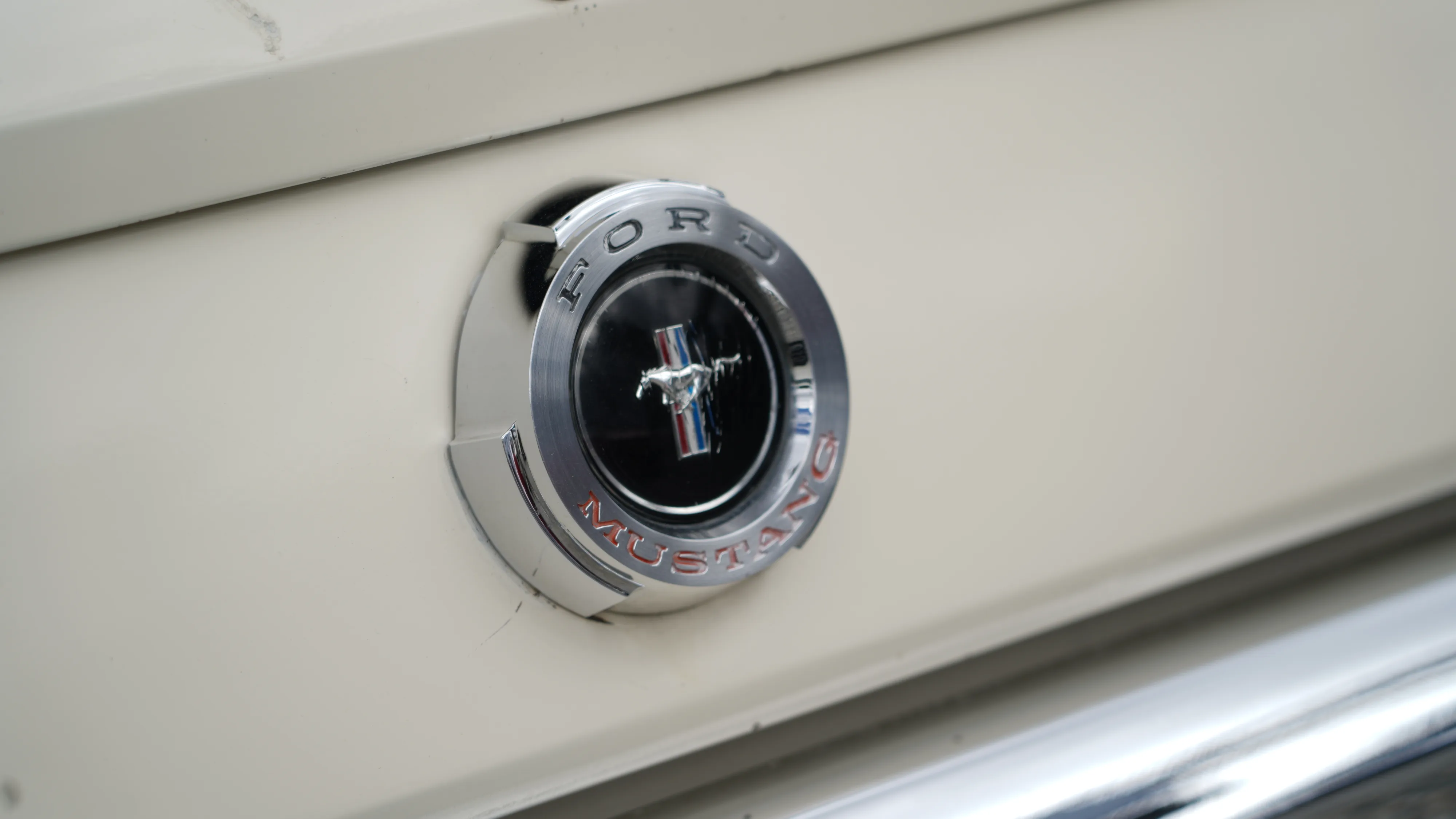
That’s because the first owner was Denise Monti of The Flying Agostinos, a well-known American stage and TV performing duo. Included with the car are remarkable period photographs featuring Denise and Frank alongside icons like Sammy Davis Jr., Muhammad Ali, Johnny Carson, and Ed Sullivan as an incredible accompaniment to the provenance.
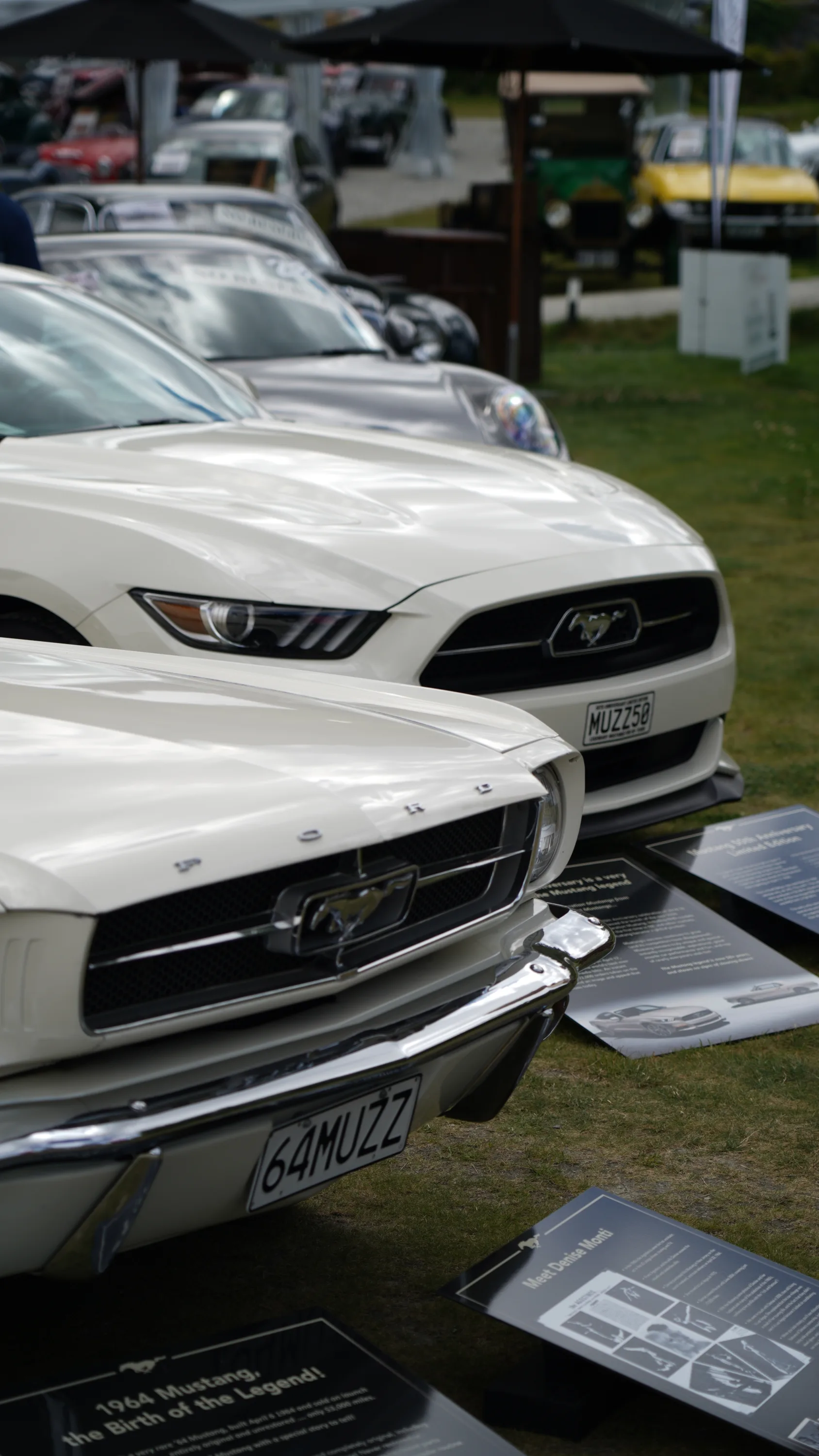
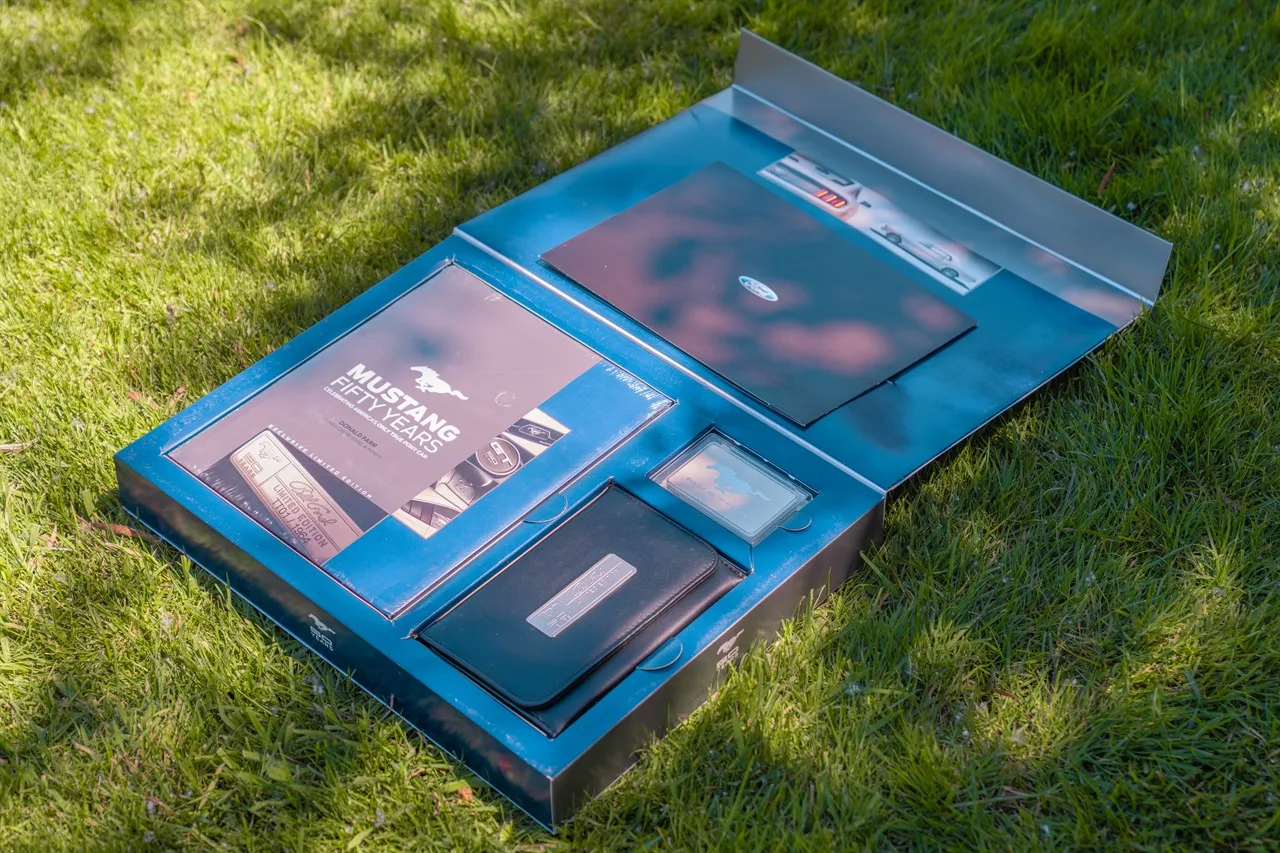
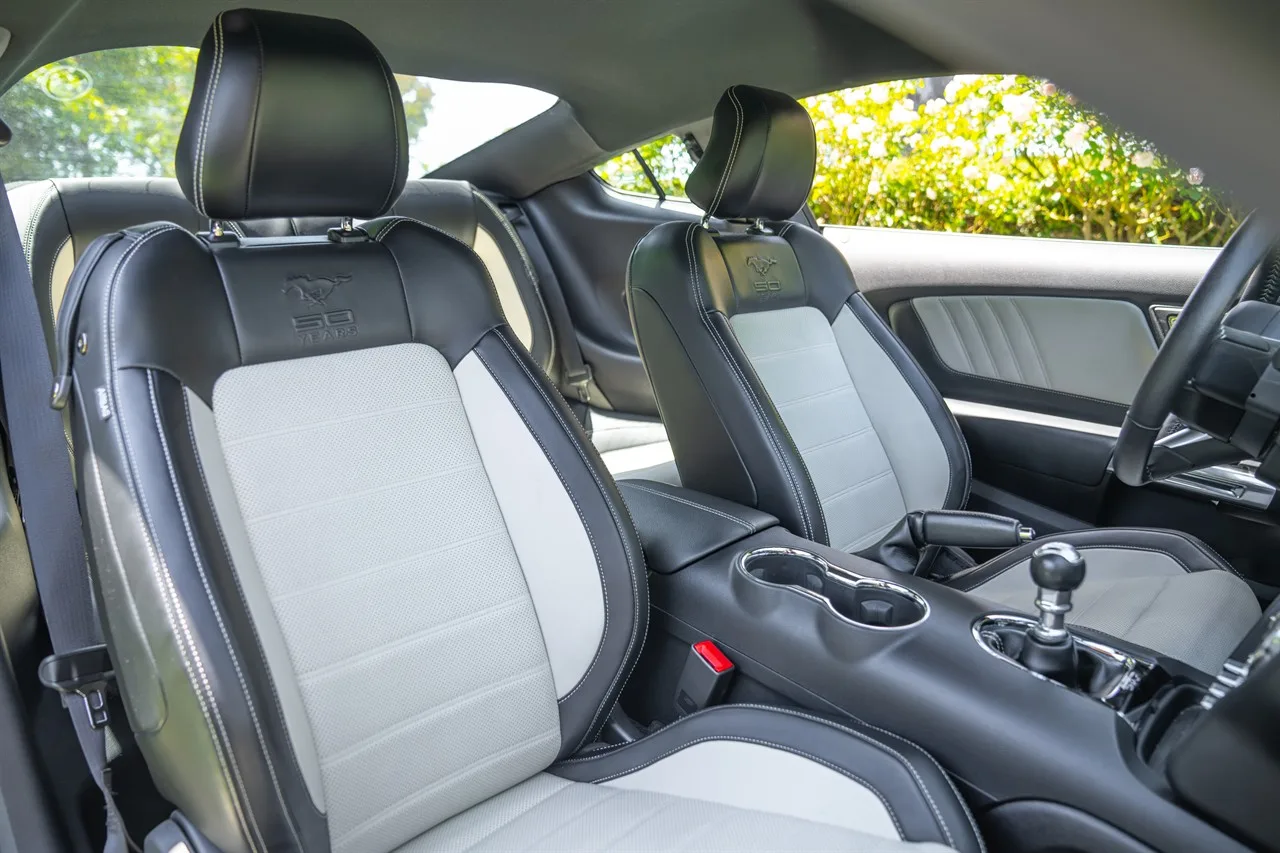
The 2015 car, by comparison, reflects a fundamentally different set of constraints. The new age Mustang has gone down in history as one of the best reinterpretations of a legend. It retains clear visual and conceptual links to the original: long bonnet, short rear deck, and a continued emphasis on everyday usability paired with performance credentials, down to this one being a proper three pedal V8. And the 50 year separation between the two comes with a lot of modernity, as it introduces independent rear suspension, significantly higher safety standards, and a platform engineered for global markets.
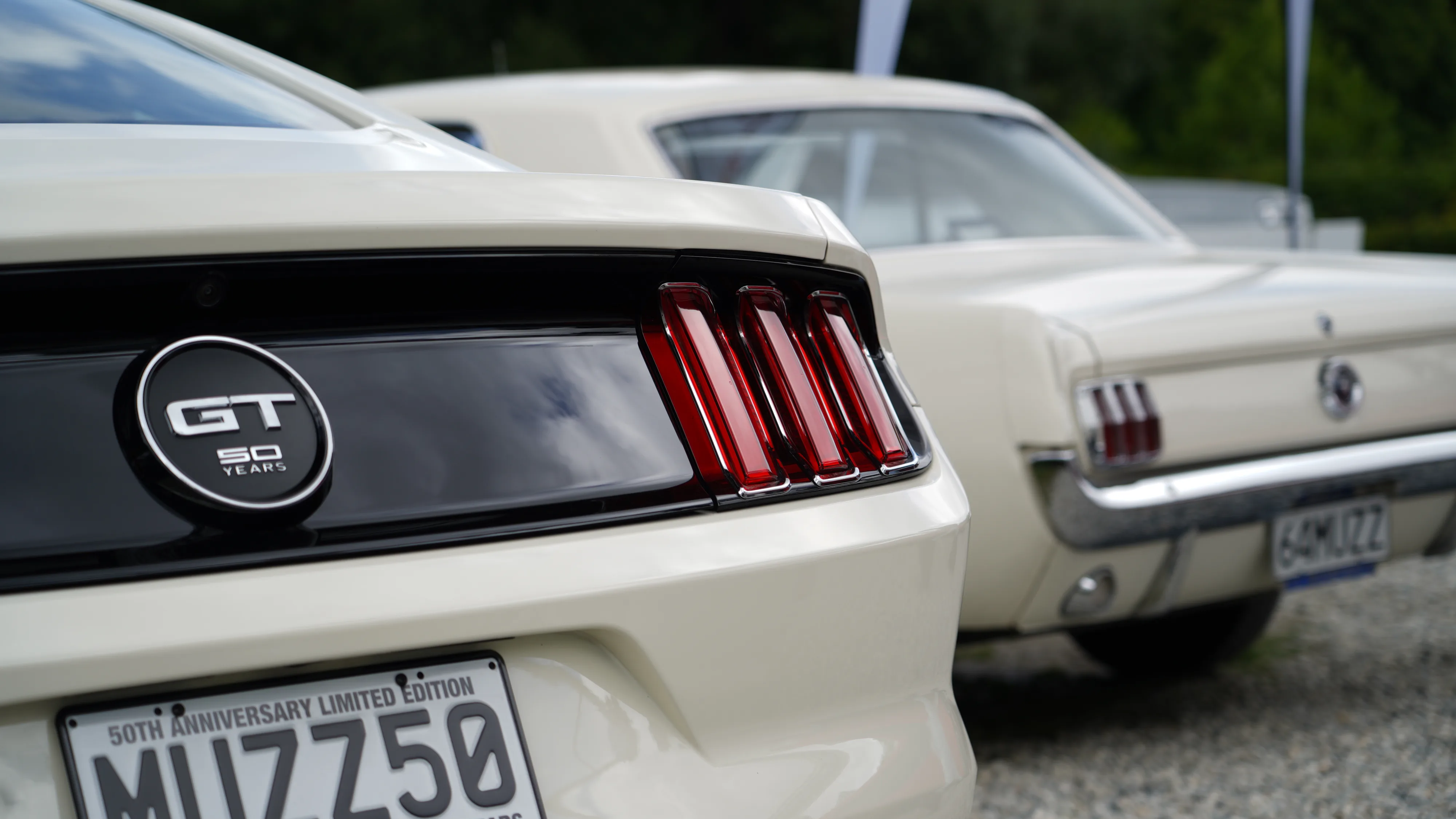
And yes, the shared model name and (launch) colour Wimbledon White would be enough to justify them sitting beside each other, but the 2015 being a “50 years anniversary” edition just tops it all off, making it feel curated rather than just a collecting coincidence, corroborated by all the details found both on the body of the car and the material that accompanies it.
Despite the coherence of the concept, the pair did not sell. There are several plausible explanations. The most likely is buyer segmentation: the market for early Mustangs is typically driven by collectors focused on originality and historical significance, while the market for a 2015 Mustang (even a one-off like this one) leans toward enthusiasts seeking a usable performance car. Combining the two narrows the pool to buyers who value both ends of that spectrum simultaneously.
There is also the question of lack of “comps”. Even with each car being appropriately priced on their own, presenting them as a conceptual bundle introduces an intangible premium: the “story” value. Auctions are environments that tend to favour clearly defined, individually comparable assets, and at least in our Kiwi landscape, this is a peerless offering.
However, separating the cars undermines the core idea, in my opinion. Individually, they revert to familiar roles within the market: the 1964 car as a collectible artefact, the 2015 car as a modern performance coupe. This is no 1980 holiday movie where you separate two twins with a half of a pendant each in the hopes they meet in the future. Together, they function as a curated set, illustrating the continuity of one of the industry’s most recognisable nameplates.
For a buyer with an interest in provenance, narrative, and of course the bragging rights, that distinction is very palpable. The value is not just in ownership, but in the context it brings: the ability to present, use, and interpret both vehicles as part of a single, continuous story.
The auction outcome, therefore, reads less as a rejection of the cars themselves and more as a mismatch between the offering and the audience present at the time of hammer fall. We know the auction doesn’t finish when that step ends, and in a private sale context, where the emphasis shifts from competition to alignment, the same pair may find more traction. If you think this pair would make a good addition to your collection, reach out to Sunday Drive. And here’s hoping that these two ponies stay local!