The electric vehicle world has a new buzzword cruising out of China, and it’s not just about going green anymore. Meet the “EIV” (or Electric Intelligent Vehicles), the next-gen category that’s shaking up the auto industry. Forget just plugging in; it’s all about driving into the future at full charge.
At the Davos World Economic Forum, CATL’s cochair Pan Jian revealed that China’s EV makers are swapping out the classic “EV” label for “EIV,” emphasising intelligence as the new engine driving innovation. “We actually no longer call it EV. We call it EIV. ‘I’ stands for intelligent,” Pan explained, highlighting that this “perfect marriage” between electric and AI puts combustion cars squarely in the rearview mirror.
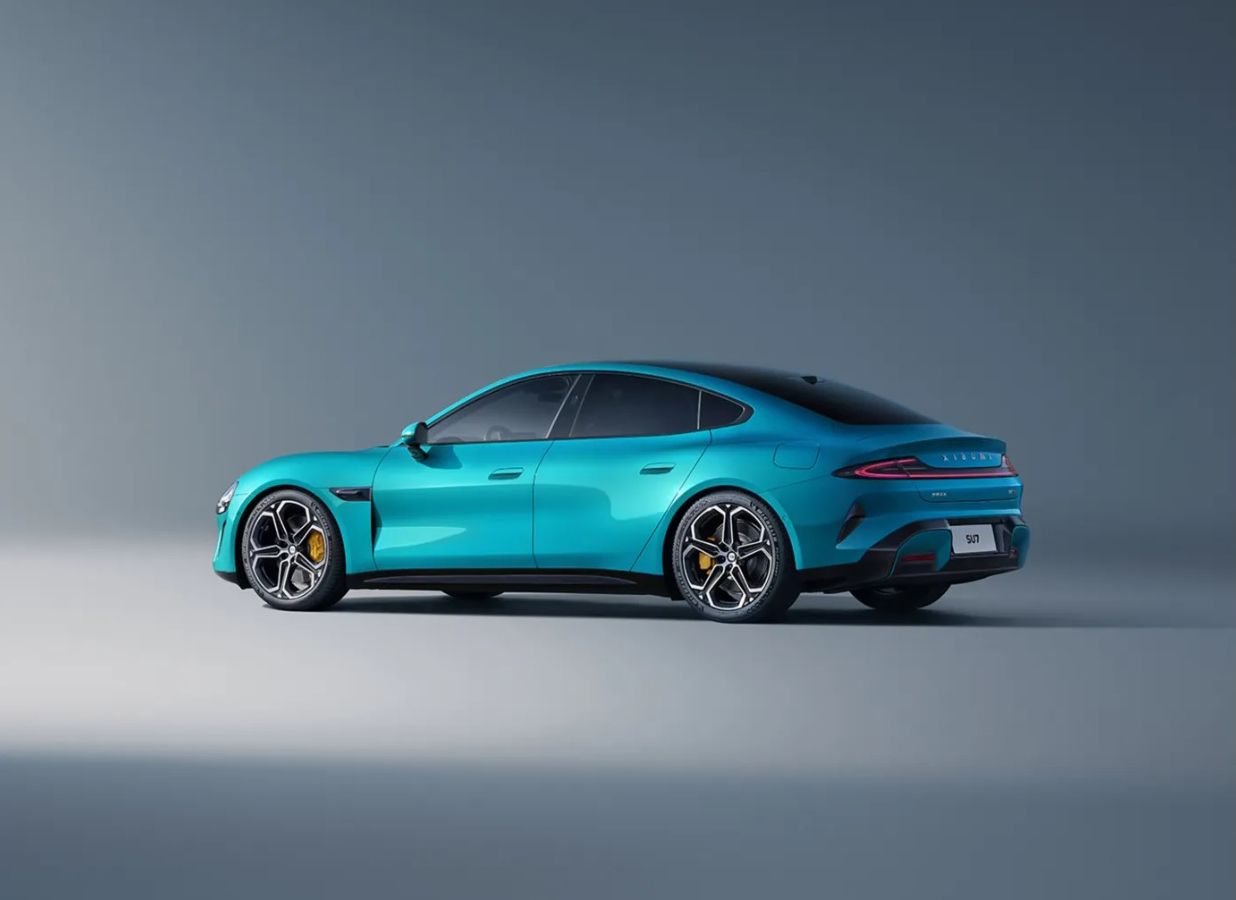
China’s automakers are racing ahead in this space with an arsenal of high-tech upgrades. Xiaomi’s sleek SU7 sedan integrates advanced autonomous-driving and even lets you boss around your home appliances while behind the wheel . Xpeng’s $26,000 P7+ calls itself the world’s first “AI-defined” car, signaling a fierce battle of bytes and brains in a competitive EV market . And let’s not forget BYD, Tesla’s biggest rival in the region, which dropped a jaw-dropping $14 billion into AI and self-driving tech .
The EIV trend is also fueled by a wave of brilliant software engineers from tech giants like Huawei and Tencent, giving China’s electric dreams a massive head start. With EV sales forecasted to rise 20% this year – breaking the 12 million barrier – EIVs might soon outshine conventional cars on more than just the sales chart.
Stepping up to the plate, automakers know that tomorrow’s success isn’t just about horsepower, it’s about outsmarting the competition. As one analyst put it, “More and more, the car manufacturers are going to be really competing over the user experience” with cutting-edge cockpit tech and custom-made chips driving the innovation.
Move over, EV – the EIV era has arrived, Chinese style. Now, who’s ready for a virtual assistant that can also cook dinner while driving?