The case for access-based mobility
Brent Knight, Managing Director Toyota Fleet Management NZ, shared groundbreaking insights into Toyota’s transformative approach to sustainable mobility. It’s an approach that not only aligns with the evolving needs of modern consumers but also promises significant long-term benefits for the environment and future generations.
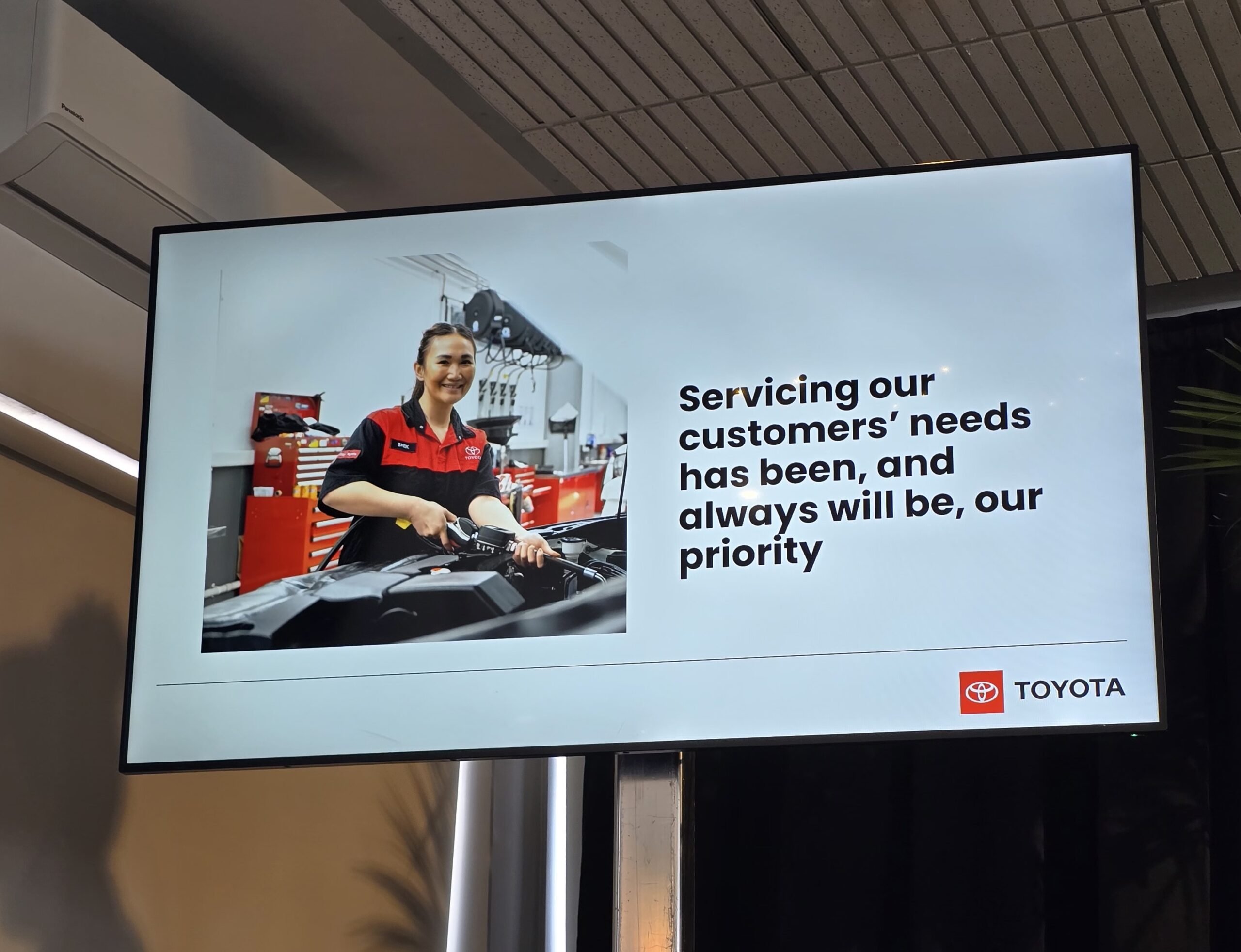
Toyota has long been recognised as an innovator in the automotive industry. However, the company’s ethos extends far beyond manufacturing vehicles. At the heart of Toyota’s vision is “mobility for all”: a mission centered on enhancing the quality of life for everyone by providing inclusive, accessible, and sustainable transportation solutions. For Toyota, mobility is more than getting from point A to point B; it’s about creating opportunities, empowering individuals, and shaping a future of innovation and sustainability.
Toyota’s sustainability journey is grounded in its commitment to reducing environmental impact while meeting the diverse needs of communities, including here in New Zealand. By transitioning its entire product lineup to offer lower-emission vehicles over time, Toyota is demonstrating a leadership role in addressing climate change. The company has tailored its approach to reflect the unique geography and demographics of New Zealand, offering powertrain and vehicle options that align with the economy and population demands.
For New Zealand’s rugged terrain, Toyota has solutions like capable SUVs for heavy-duty performance, while smaller, fuel-efficient cars cater to the daily needs of urban residents. Regardless of the environment or situation, Toyota recognizes that each individual has unique transportation requirements. This personalised approach furthers its goal of helping all people live their lives to the fullest, whether it’s safely taking the family to Saturday morning sports, commuting to work, or effortlessly moving goods and passengers.
Yet, as Brent Knight acknowledged, there’s a critical truth that shapes the automotive landscape: no single vehicle suits every individual’s needs.
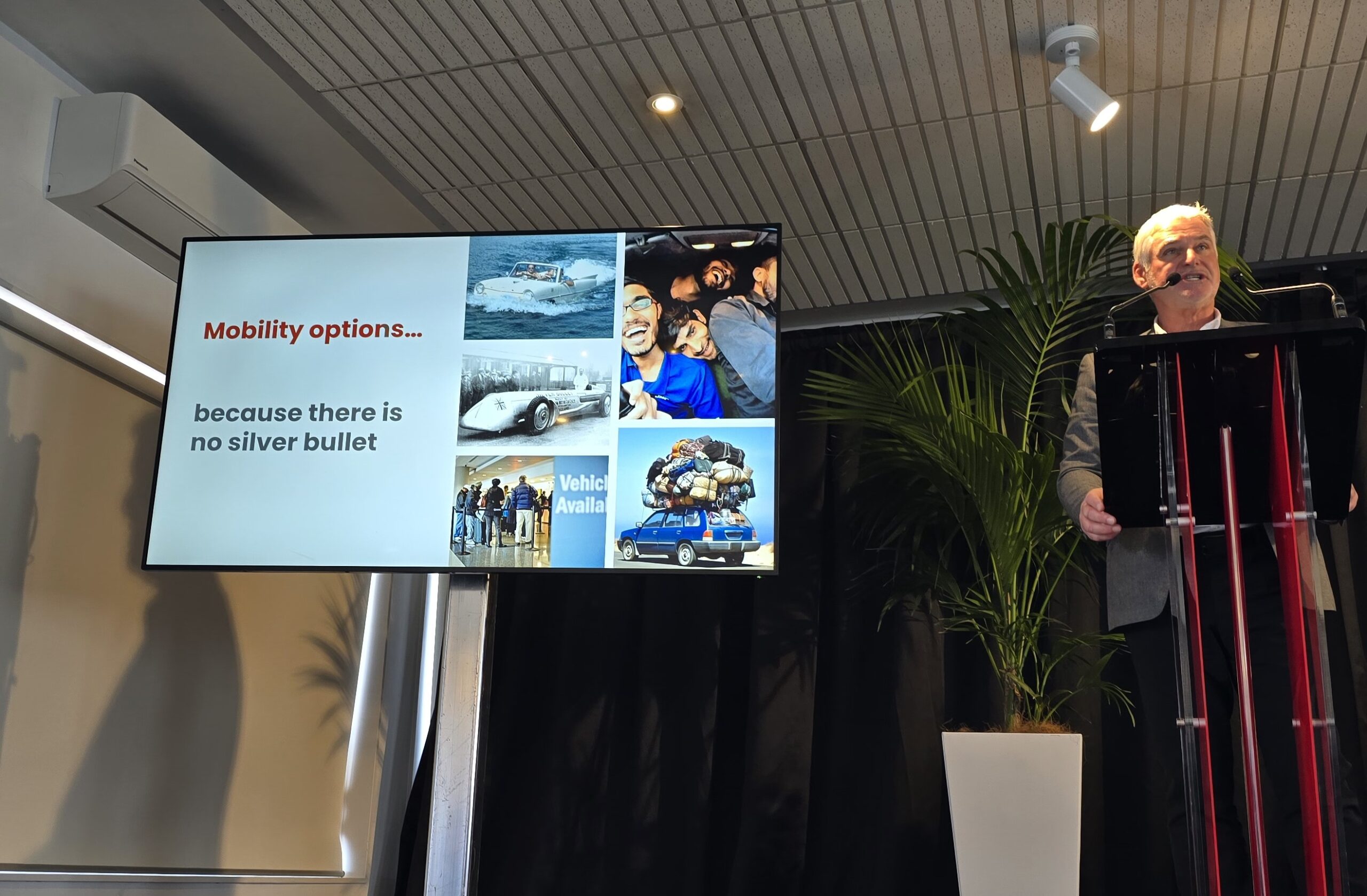
Today, Toyota recognises that consumers’ needs go beyond functionality in vehicles — there’s also a growing expectation for flexibility, convenience, and sustainable consumption. Brent highlighted how the traditional concept of car ownership is being reshaped by urbanisation, environmental concerns, and changing consumer demands. Increasingly, people are seeking tailored solutions that align with their diverse financial situations and active lifestyles.
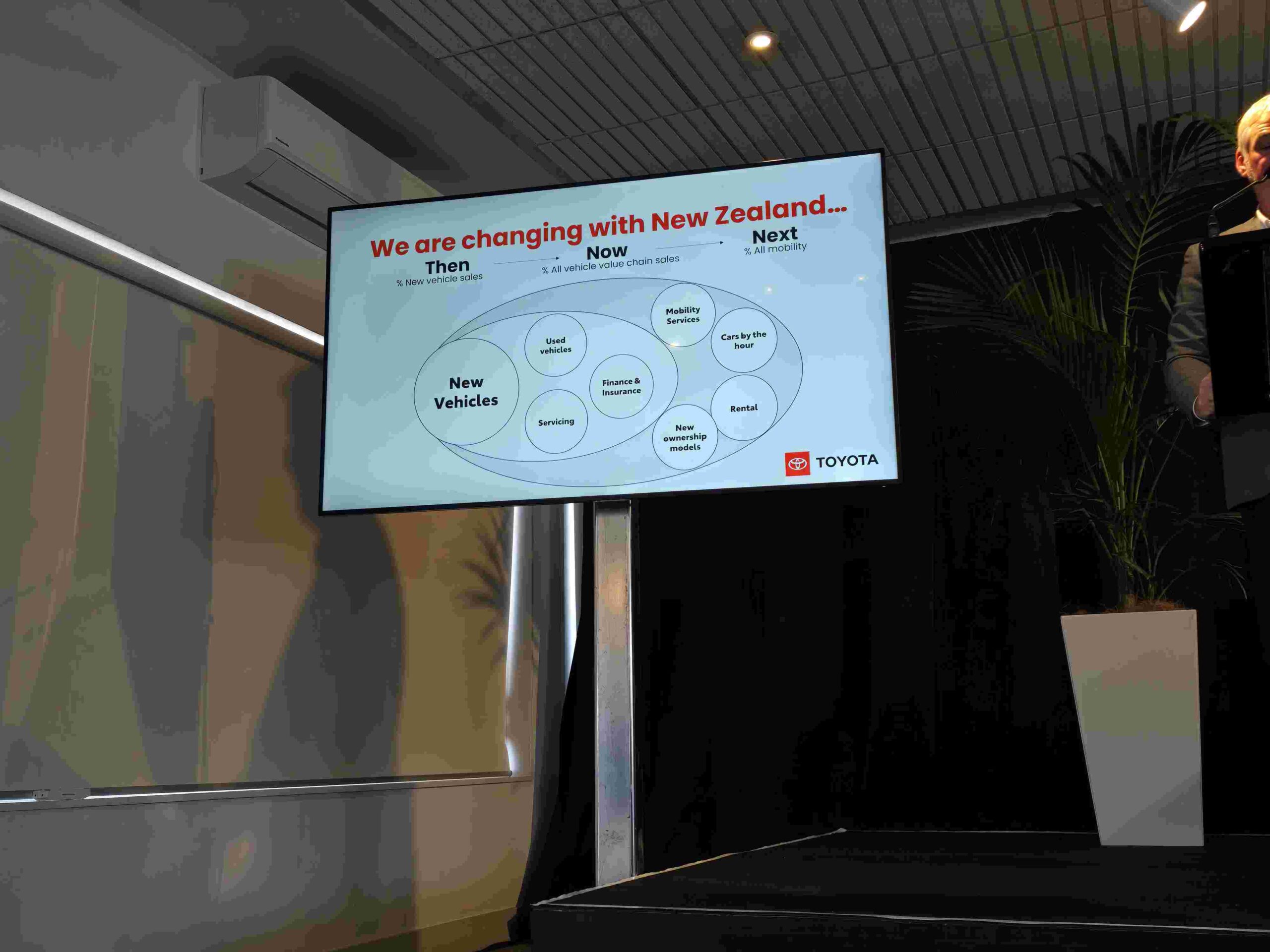
This shift has driven Toyota to explore access-based consumption models, an innovative approach that prioritises accessibility over ownership. With the rise of car-sharing, micro-mobility, subscription services, and other alternatives, Toyota is embracing new mobility solutions that promote sustainability and affordability without requiring long-term financial commitments.
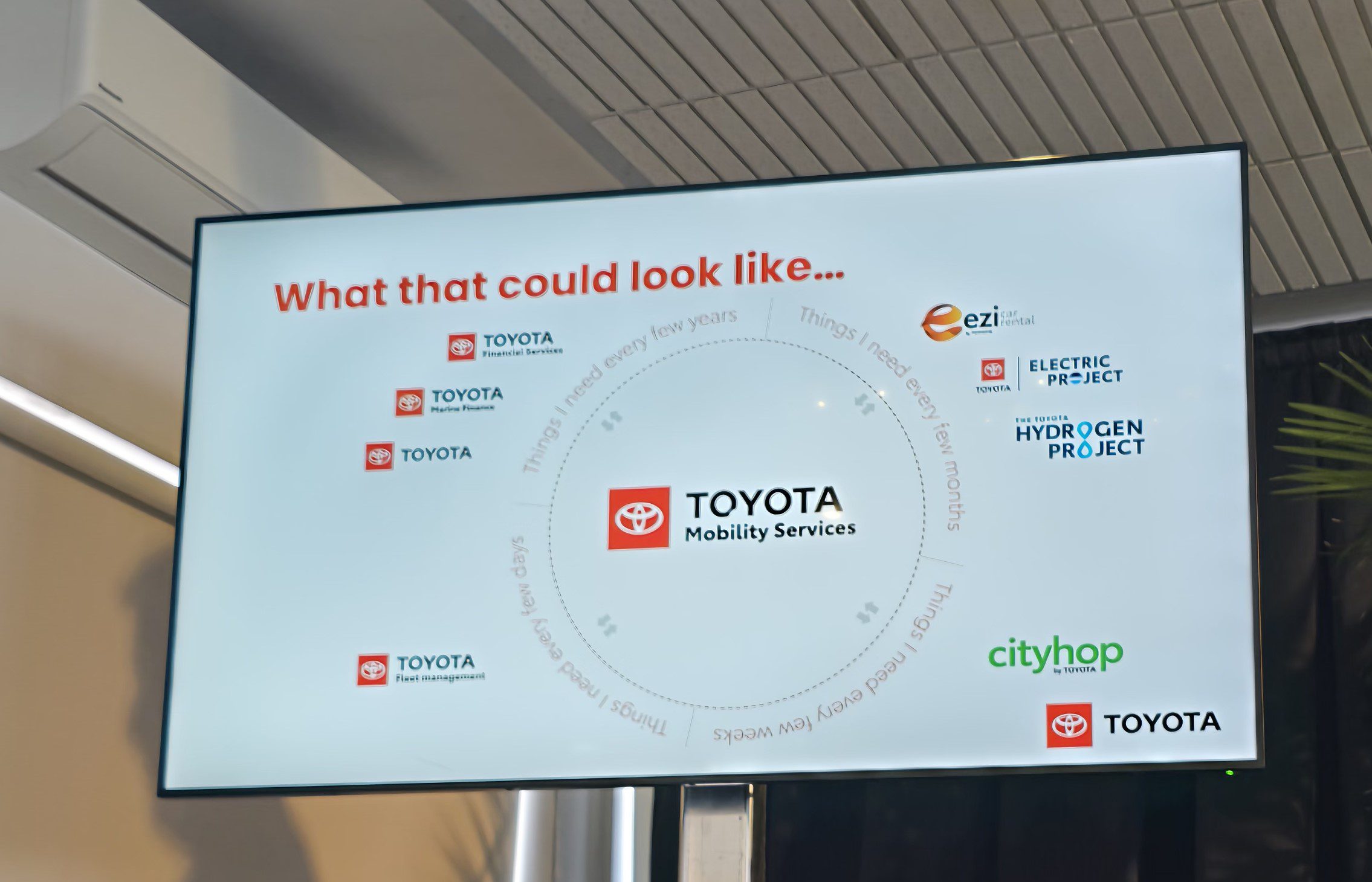
So, what exactly is access-based mobility? In simple terms, it allows consumers to pay for the use of a vehicle or service rather than owning it outright. Toyota is already well-positioned in this space, having established its leadership in fleet management, leasing, and car-sharing services in New Zealand over the last few decades. For example, Toyota’s acquisition of the CityHop Car Share operation in 2018 and Easy Car Rental just last year are steps toward building a seamless and integrated access-based ecosystem.
Brent described access-based mobility as a crucial component of the company’s sustainability strategy, with the potential to deliver several key advantages:
Sustainability: By replacing personal car ownership with shared services, access-based models can reduce the overall number of vehicles on the road, leading to lower emissions and resource usage.
Flexibility: Consumers would no longer need to commit to a single vehicle. Instead, they could choose from a range of options depending on their needs, whether it’s commuting to work, taking a family trip, or hauling goods.
Affordability: Traditional car ownership comes with significant upfront costs, as well as ongoing maintenance and depreciation expenses. Access-based solutions allow consumers to only pay for what they use, making mobility more affordable and financially flexible.
Overcoming Challenges to Access-Based Mobility
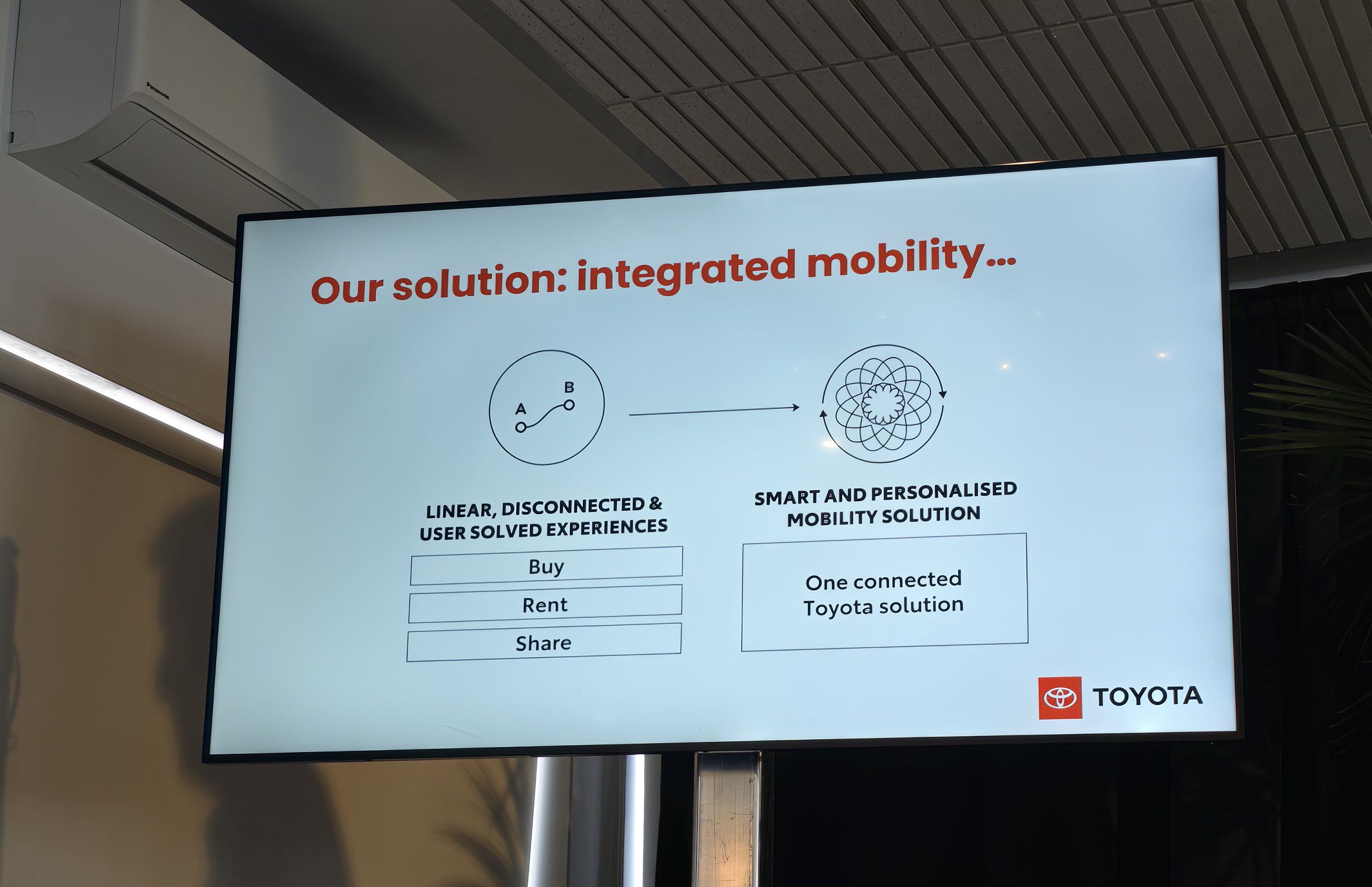
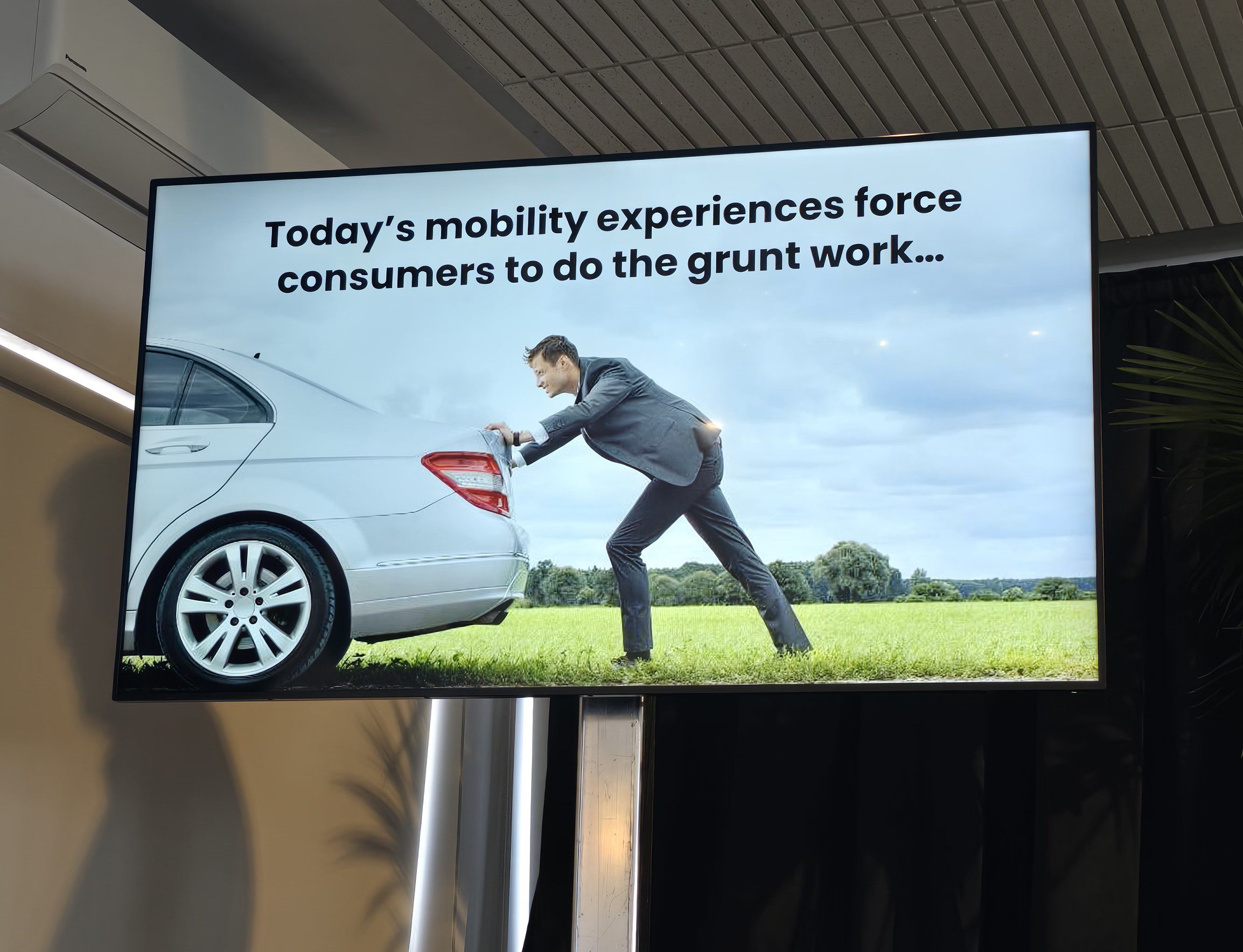
Although access-based models offer clear advantages, there are challenges to their adoption that must be addressed. Brent highlighted how mobility services today are fragmented and, in many cases, inconvenient for consumers. Currently, users navigate multiple apps and services, create new accounts, and link payment options, all just to solve a single transportation problem.
‘Toyota’s goal is to eliminate this complexity and create a unified, seamless mobility experience’.
Building such an integrated solution requires collaboration between private companies, local governments, technology providers, and transportation agencies to deliver the necessary infrastructure. Toyota is actively investing in this space, exploring partnerships with stakeholders to ensure that shared vehicles are available where and when they are needed. By leveraging modern technology such as artificial intelligence (AI), Internet of Things (IoT) devices, and GPS systems, Toyota is creating systems that will simplify the booking process and optimize vehicle availability for users.
The evolution of Toyota New Zealand’s mobility services over the past 35 years has paved the way for this bold vision. From its beginnings as a finance provider in 1989, Toyota Financial Services has expanded into fleet management, car-sharing, and subscription services. Today, it finances over 50,000 vehicles and operates a fleet of 5,000 rental and shared vehicles across New Zealand.
What does the future hold for Toyota? Brent outlined several promising innovations, including AI-driven booking systems capable of predicting vehicle demand and offering personalized recommendations. These smart technologies ensure that consumers can easily find the right vehicle for their specific needs, improving both flexibility and convenience.
Access-based mobility is not just a trend, it’s a shift toward a more sustainable, adaptable, and customer-centric approach to transportation. It reflects Toyota’s broader mission of empowering people around the globe while addressing some of the most pressing issues of our time, from climate change to urban congestion.
As Brent emphasised, this model offers significant environmental benefits by optimizing the use of resources and reducing vehicle emissions. For consumers, it represents a cost-effective, flexible, and personalized alternative to traditional car ownership.
Ultimately, Toyota aims to make mobility ubiquitous for its customers while addressing the diverse challenges of modern transportation. By reimagining how we interact with vehicles and prioritizing access over ownership, Toyota is leading the charge toward a future where mobility is sustainable, efficient, and tailored to every individual’s needs.
Toyota’s journey in New Zealand and globally is a testament to its commitment to innovation, inclusivity, and responsibility. As Brent Knight concluded, “Access-based mobility is revolutionizing the way we interact with motor vehicles. It offers a sustainable, flexible, and economically viable enhancement to the traditional paradigm of car ownership. The future of mobility is efficient, environmentally friendly, and aligned with the evolving needs of consumers.”
With this transformative vision, Toyota is gearing up to continue shaping the future of transportation for generations to come. Mobility for all isn’t just a slogan, it’s a promise.
The big question is ‘when’? And the answer is as simple as it is complex. Right now, the solution is pretty much available, however, it is fragmented, meaning that a multitude of apps are required – apps that currently don’t pay nicely together. Brent believes this will be solved in the next 6-9 months.