
Move over, SPF 50 lotions and ghostly white streaks—wellness aficionados now have their eyes (and mouths) set on the latest trend: drinkable sunscreen. Yes, you read that right. The wellness world wants you not just to slather your sun protection, but to sip it too. Welcome to the age of “liquid supplement” skin shields, where your morning routine might one day include a shot of sun defense alongside your espresso. But is this elixir the next evolution in sun care, or just bottled wishful thinking?
What Exactly Is Drinkable Sunscreen?
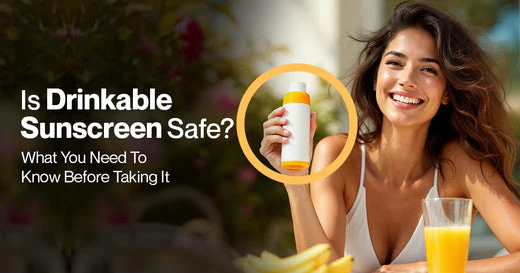
Imagine skipping the awkward white cast and sticky residue, and instead, chugging your way to UV protection. Drinkable sunscreen typically refers to a daily liquid supplement containing antioxidants, certain plant extracts (notably Polypodium leucotomos), and vitamins like astaxanthin or beta-carotene. The premise is straightforward: fortify your skin’s natural defenses from the inside out, so you’re less vulnerable to UV-induced oxidative stress when the sun grins down mercilessly.
How Is It Different From Slathering On SPF?
Traditional sunscreen is the extrovert of the protection party, getting all up in UV rays’ faces by either blocking or absorbing them directly on your skin. Drinkable sunscreen, on the other hand, is the low-profile, systems engineer of sun safety: quietly striving to minimize cellular carnage by nudging your skin’s resilience against sun damage from within. No sticky finish, but also no physical UV barrier.
Does It Actually Work—Or Is It Just Wellness Theatre?
Here’s where things get less sunlit and more…cloudy. Experts like Dr. Karuna Malhotra confirm there’s limited scientific evidence suggesting ingredients like Polypodium leucotomos can somewhat reduce risk of sunburn, but the key word is “somewhat.” The supplement has to be taken daily, ideally before sun exposure, and doesn’t offer the instantaneous superhero shield that slathering on good ol’ SPF does. Plus, everyone’s body processes these potions differently—what might be a mild sun-proofing for you could leave your friend pink as a lobster.
And here’s the kicker: dermatologists are clear these drinks should not, under any circumstances, replace your regular sunscreen. Instead, think of them as friendly sidekicks—maybe a “Skin-derella” who gets the work done behind the scenes, while your topical SPF is the knight in shining armour.
Who Should (or Shouldn’t) Sip on This Trend?
Not everyone is invited to this cocktail party. Drinkable sunscreen might be generally safe for healthy adults, but experts recommend steering clear if you’re a child, pregnant, or managing medical conditions—at least until your doctor gives the green light.
Before You Gulp: What to Keep in Mind
Consider this your recipe for safe sun:
- It’s not FDA-approved as a sunscreen. That “liquid supplement” label isn’t just quirky branding—it’s legalese.
- No drink beats broad-spectrum SPF 30+ sunscreen. That means no skipping your lotion for a lemonade.
- Sensitive skin or medical issues? Talk to a doctor first.
- Sun protection demands layers: combine sunscreen, seeking shade, sporting a hat, and—if you must—throwing a supplement in the mix.
As Dr. Malhotra puts it with clinical understatement (and perhaps a sigh at the latest beauty craze): “Drinkable sunscreen might support skin health, but it’s not a shortcut. Think of it as an internal antioxidant boost, not a shield. Traditional sunscreen is still your first line of defense. Relying solely on these supplements can give a false sense of security, especially during peak UV hours” .
Final Squeeze
If TikTok tells you to try drinkable sunscreen, treat that influencer’s advice with a sun-sized pinch of salt. The science is early, the hype is high, and your skin is unique, precious real estate. So chug your antioxidants if you wish, but don’t ditch your hats, shady trees, or trusty SPF moisturizer just yet. The sun is persistent—and when it comes to protection, the best defense is still a multi-layered offense.
Bottom line? Protect your skin like you protect your Wi-Fi password: with as many layers as possible.