In a world where content is king and deadlines are tyrants, finding the perfect image often feels like trying to pick a favorite star in the sky—endless, exhausting, and just a little blinding. For decades, stock photo libraries like Shutterstock, Alamy, Getty, and Adobe Stock have been the go-to image buffet for marketers, designers, bloggers, and overworked social media managers. But enter AI—armed with algorithms, trained on billions of visuals, and seemingly unburdened by the concept of “creative block.”
So the question is: Will AI-generated art wipe stock photography off the visual map?
What Stock Images Have Going for Them
Stock photography has long had a monopoly on:
- Realism: When you need a photo of an actual elderly couple laughing on a beach at sunset, a stock image delivers.
- Trust and Licensing: Legal usage rights, model releases, and image quality are clearly documented. Peace of mind included.
- Speed: Need a “man in a business suit riding a rocket”? A few search terms later, you’ve got 10 options—some even in 4K.
But despite its strengths, stock imagery has its, let’s say, quirks:
- Often stiff or overused (hello, handshake-in-front-of-whiteboard.jpg).
- Sometimes expensive, especially for commercial licenses or editorial exclusives.
- Limited in diversity, nuance, and stylistic cohesion for niche brand identities.

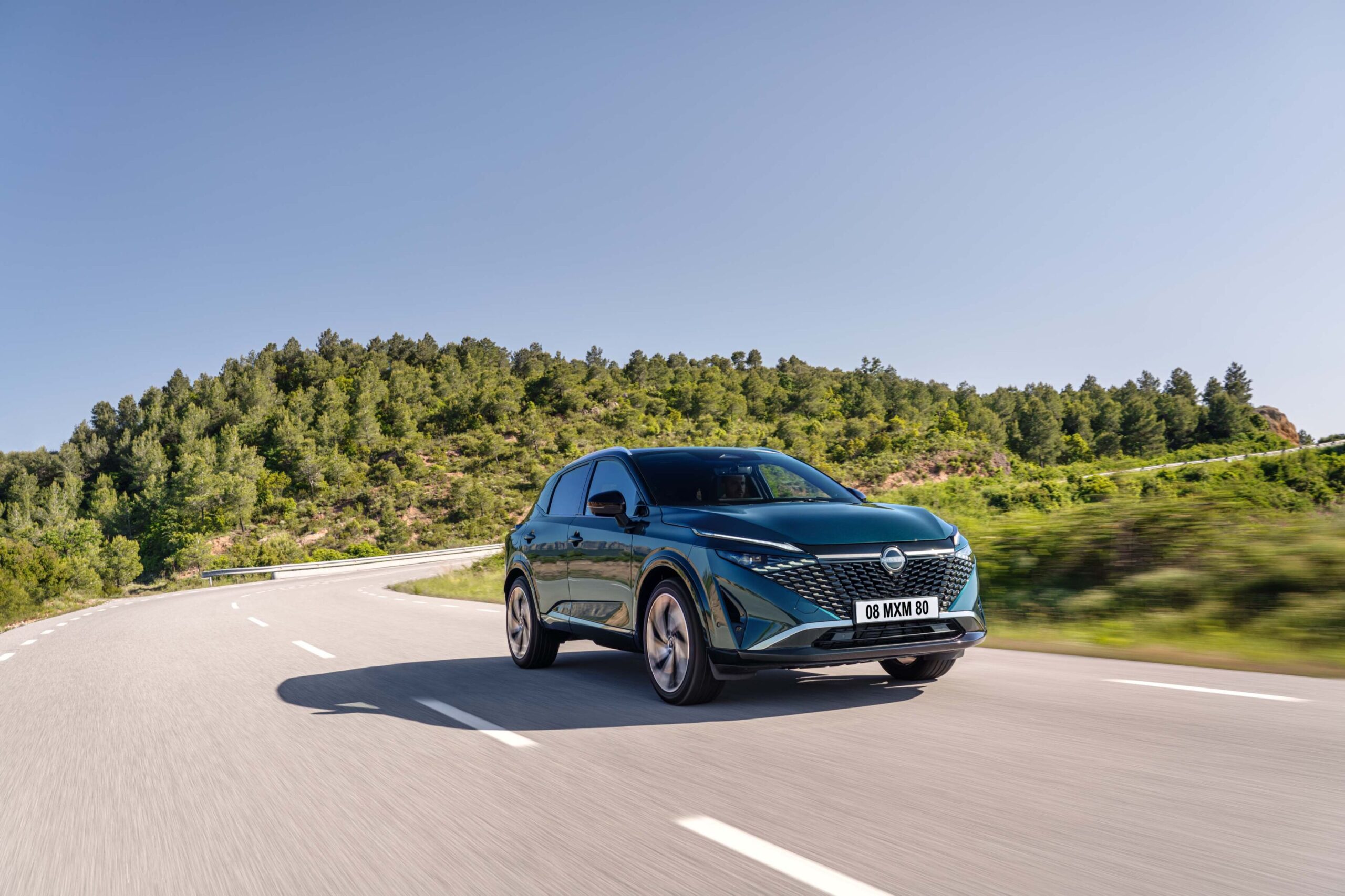
Enter AI Art: The Custom Image Generator with an Attitude
AI image generators like Midjourney, DALL·E, and Adobe Firefly have kicked the creative door wide open, offering users a way to create images that are:
- Tailor-made: Want a cyberpunk sloth sipping tea in Times Square? Just say the word.
- Instant: No endless scrolling or keyword frustration. Just prompt and go.
- Flexible: Adjust colors, lighting, style, and vibe in a few clicks.
The Killer Feature? Control.
AI gives you control over the look, tone, and mood—something stock libraries can’t match unless you’re lucky or incredibly patient. Need five versions of the same concept in different brand palettes? AI’s got you.
The Catch(es): Why AI Isn’t Fully Taking Over… Yet
Despite the sci-fi sparkle, AI art isn’t without its potholes:
- Photorealism Problems: AI still occasionally forgets that humans have five fingers and normal-looking teeth.
- Copyright Confusion: Generated images raise ethical and legal concerns around training data, likenesses, and intellectual property.
- Emotional Authenticity: AI can simulate a hug, but it doesn’t feel the hug. For genuine human connection, real photos still win.
And let’s not forget: Sometimes you just need a real photo of a real place, person, or pineapple.

So, Who Wins?
- For creative, illustrative, or brand-specific content? AI art is coming for the crown.
- For real-world, editorial, or legally sound visuals? Stock photography isn’t going anywhere.
In truth, they’ll likely coexist—AI art handling the abstract, creative, and customizable end of the spectrum, while stock keeps its stronghold in realism and reliability.
Final Thought: It’s Not a War, It’s a Workflow
Instead of asking which one wins, the smarter question is: How can they work together? Many creatives are already blending AI and stock—using stock photos as AI prompts, or enhancing stock with AI-generated overlays.
So, no need to write an obituary for stock photography just yet. But if it starts looking over its shoulder, now you know why.