Apparently, for 100 years, the Rolls-Royce Phantom hasn’t just been a car for the obscenely wealthy; it’s been a silent (get it?) partner in the art world’s most gloriously unhinged moments. As the Phantom hits its centenary in 2025, Rolls-Royce is taking a victory lap, reminding us that its pinnacle product has “moved in the same circles as the world’s leading artists”. This is a very posh way of saying that wildly eccentric people have done very strange things with, and in, their very expensive cars.
Let’s start with the king of surrealist shenanigans, Salvador Dalí. In the winter of 1955, tasked with giving a lecture at Paris-Sorbonne University, Dalí decided the only logical way to arrive was in a borrowed Phantom packed to the gills with 500kg (1,100 lbs) of cauliflower. After what was surely a fragrant journey through Paris, he dramatically flung open the doors, unleashing a vegetable avalanche upon the cold ground. While few may recall his lecture on the ‘Phenomenological Aspects of the Paranoiac Critical Method,’ everyone remembers the brassica-laden car. Not content with just one automotive performance piece, Dalí also immortalized a Phantom in a 1934 illustration, depicting it stranded and frozen in an eerie, desolate landscape. Because nothing says opulence like absurd desolation.
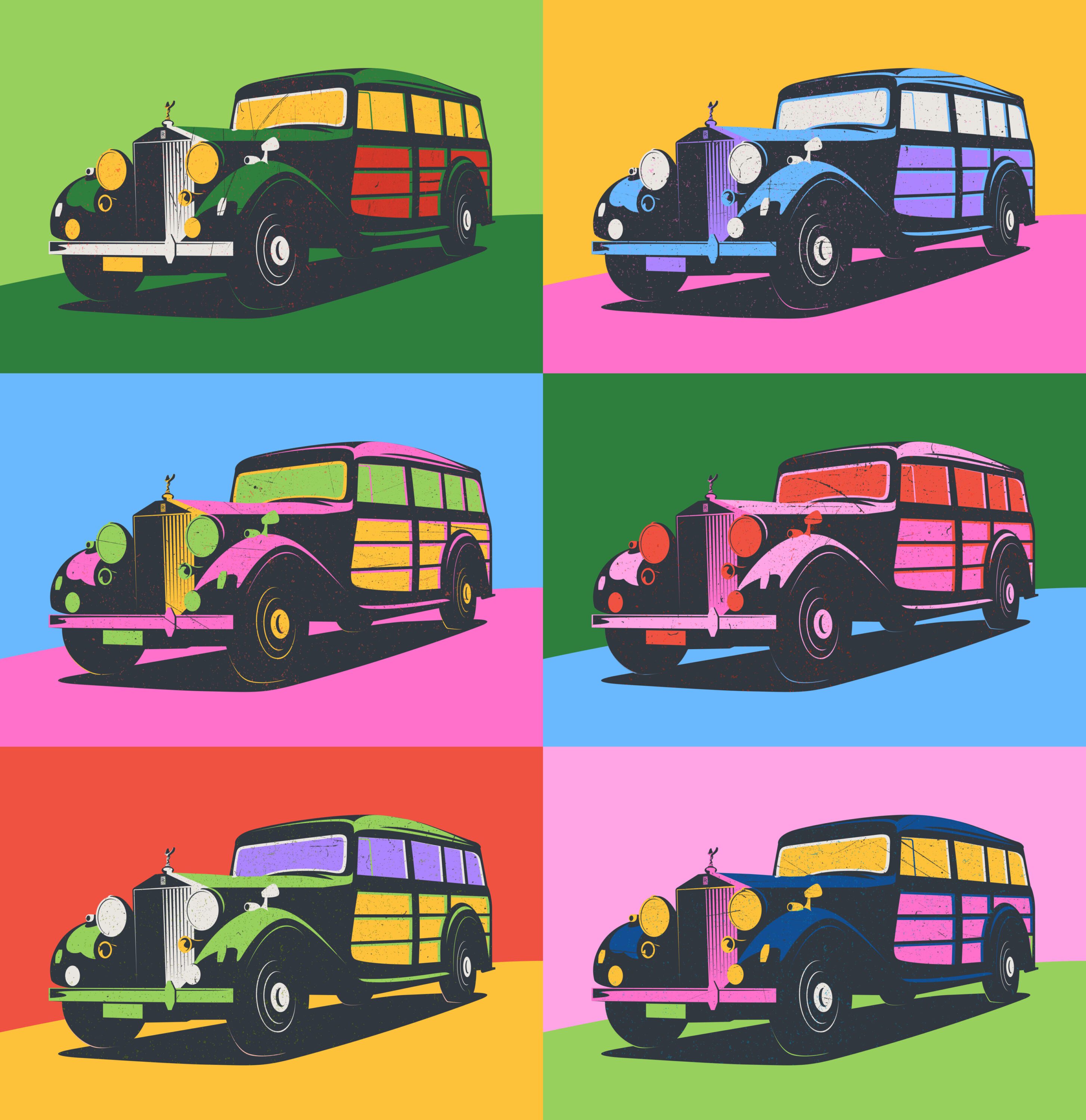
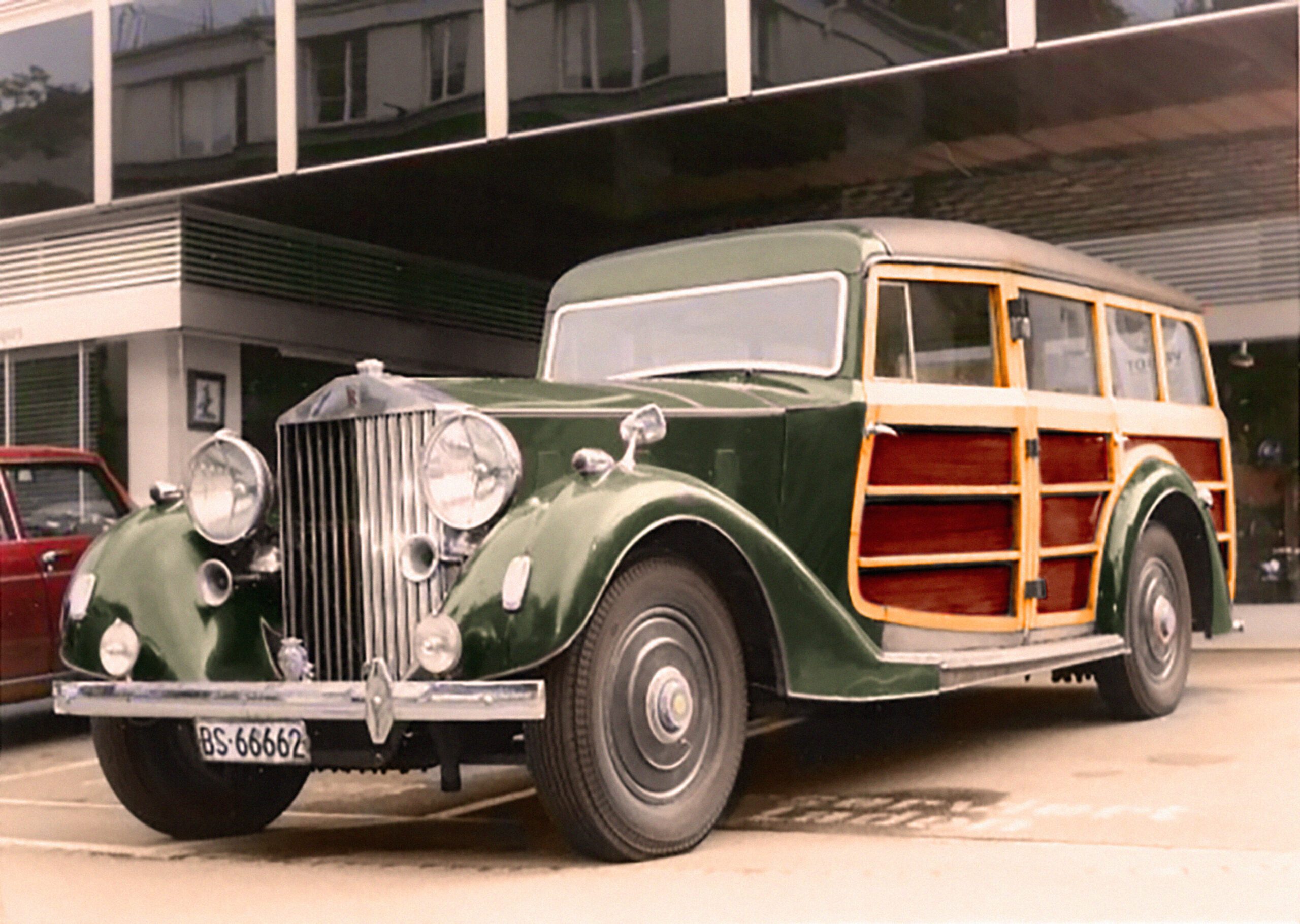
Then there’s Andy Warhol, a man who saw Dalí’s eccentricity and raised him a utilitarian-chic estate car. Seen by many as Dalí’s successor, Warhol actually owned a Phantom—specifically, a 1937 model that had been converted into a “shooting brake” around 1947. For the uninitiated, a shooting brake is essentially the world’s most aristocratic station wagon. Warhol spotted this magnificent beast in an antique shop in Zurich in 1972, bought it on the spot, and shipped it to New York, giving the pop art icon more than his proverbial 15 minutes of automotive fame.
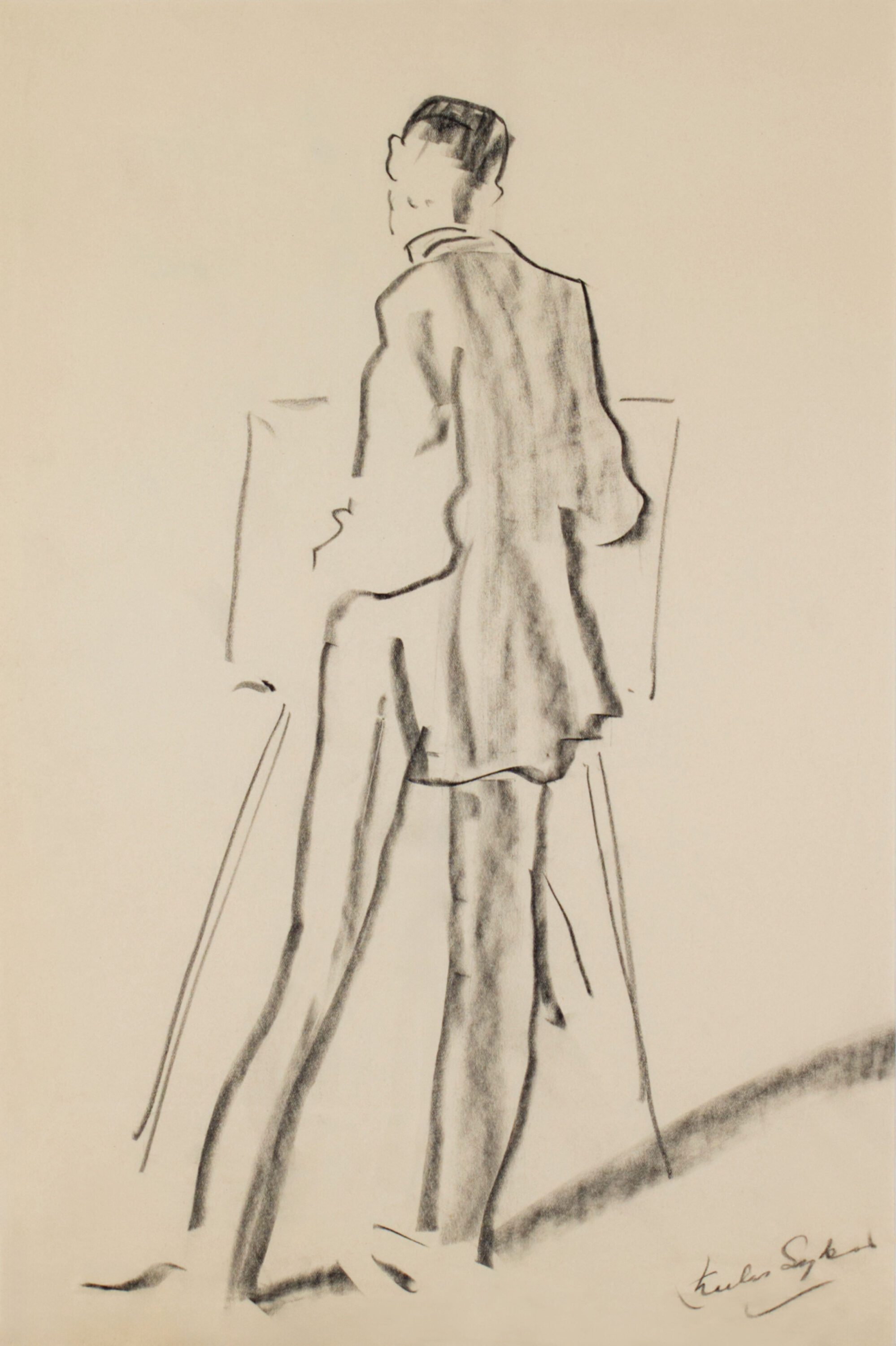
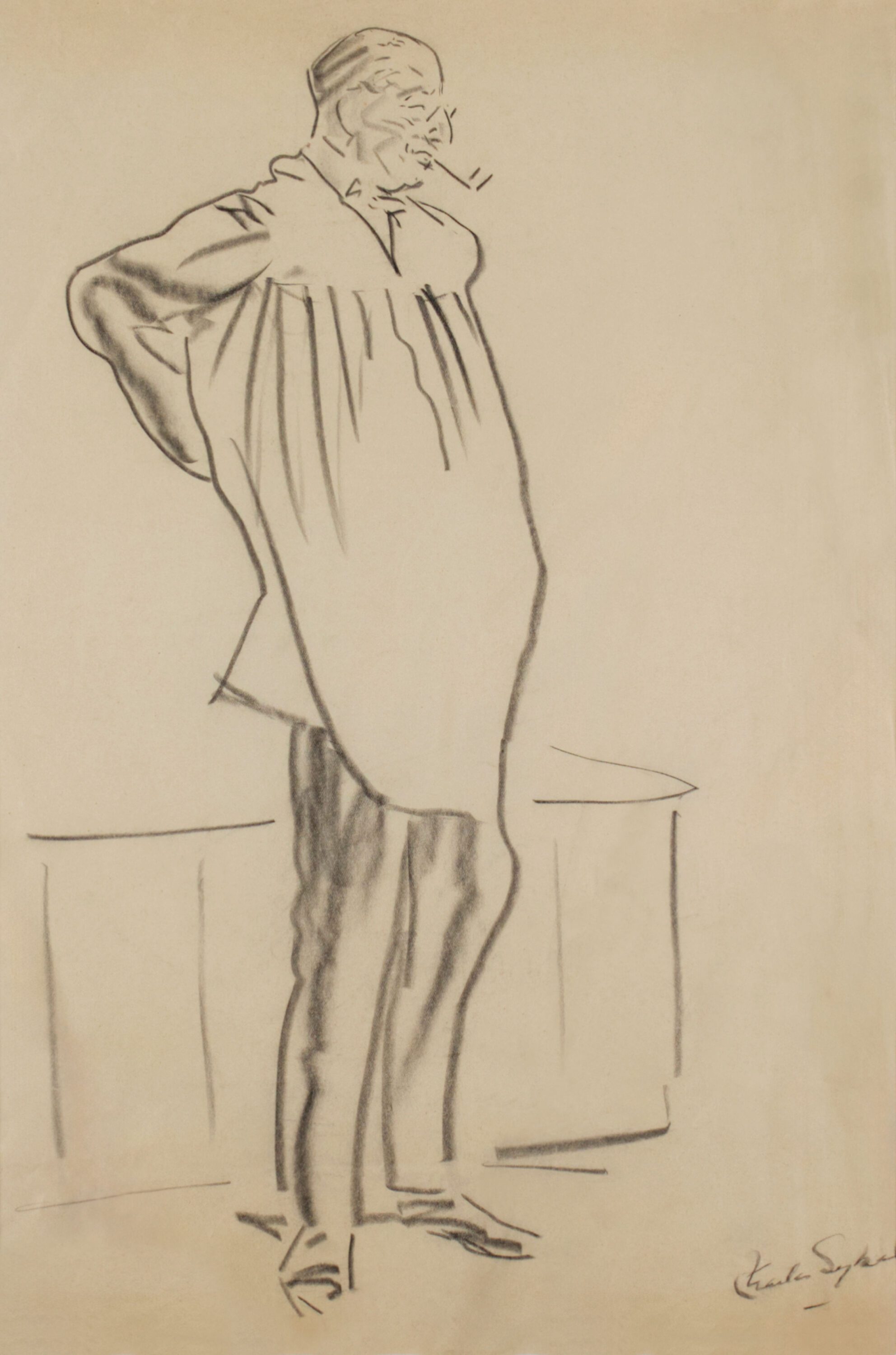
But the brand’s entanglement with art began long before artists started using their cars as produce delivery vehicles. It goes right back to the hood ornament. That famous mascot, the Spirit of Ecstasy, was sculpted by an actual artist, Charles Robinson Sykes, back in 1911. Commissioned by the company’s managing director, Sykes was told to create something inspired by a Greek statue, but he ended up with a more “ethereal figure” that supposedly captured the feeling of riding in a Rolls-Royce. Sykes and later his daughter, Jo, personally supervised the production of these mascots until 1948. This means for decades, every Phantom owner “may therefore have unknowingly owned a Sykes original,” which is a fancy way of saying your car came with a standard-issue piece of art.
As the Phantom rolls into its second century, Rolls-Royce declares it remains both a “canvas and a catalyst” for creatives. It’s a grand statement for a grand car. Whether it’s a genuine artistic muse or simply the ultimate prop for history’s most creative and wealthy provocateurs, one thing is clear: the Phantom has been a witness to—and a vessel for—a century of magnificent, and often bizarre, self-expression.