In a move destined to have Volvo EX30, BMW iX1, and Mini Aceman fans clutching their plaid seat cushions tighter than ever, Polestar has officially announced its bold new Polestar 7: an electric vehicle designed to electrify the premium compact SUV sector—literally. Forget the predictable flair of Swedish furniture or meatballs; this SUV is more “daring design lab” than “IKEA parking lot.”
Polestar hasn’t just scribbled down the idea of the “7” on a napkin—they’re taking it seriously. Unlike its previous offerings built in China, South Korea, and the United States, the Polestar 7 will be the brand’s first car manufactured in Europe. Yes, Europe. Home of cobblestones, croissants, and exceedingly high manufacturing standards. Why? Tariffs, baby. Those irritating taxes on Chinese-built vehicles sold in places like Europe and the United States have finally nudged Polestar to localize its manufacturing. And honestly, you can already hear the executives popping the champagne corks over reduced shipping headaches.
Described as a “premium compact SUV”—which in car speak means “small enough to parallel park but still costs as much as your first apartment”—the Polestar 7 will rival similarly sized EVs like the Volvo EX30, BMW iX1, and Mini Aceman. It’s set to debut a brand-new modular electric-car architecture that seems designed for more than just this model. Polestar’s big idea? Use this common platform across multiple future models to save money, simplify engineering, and, presumably, keep their designers in fancy coffee.
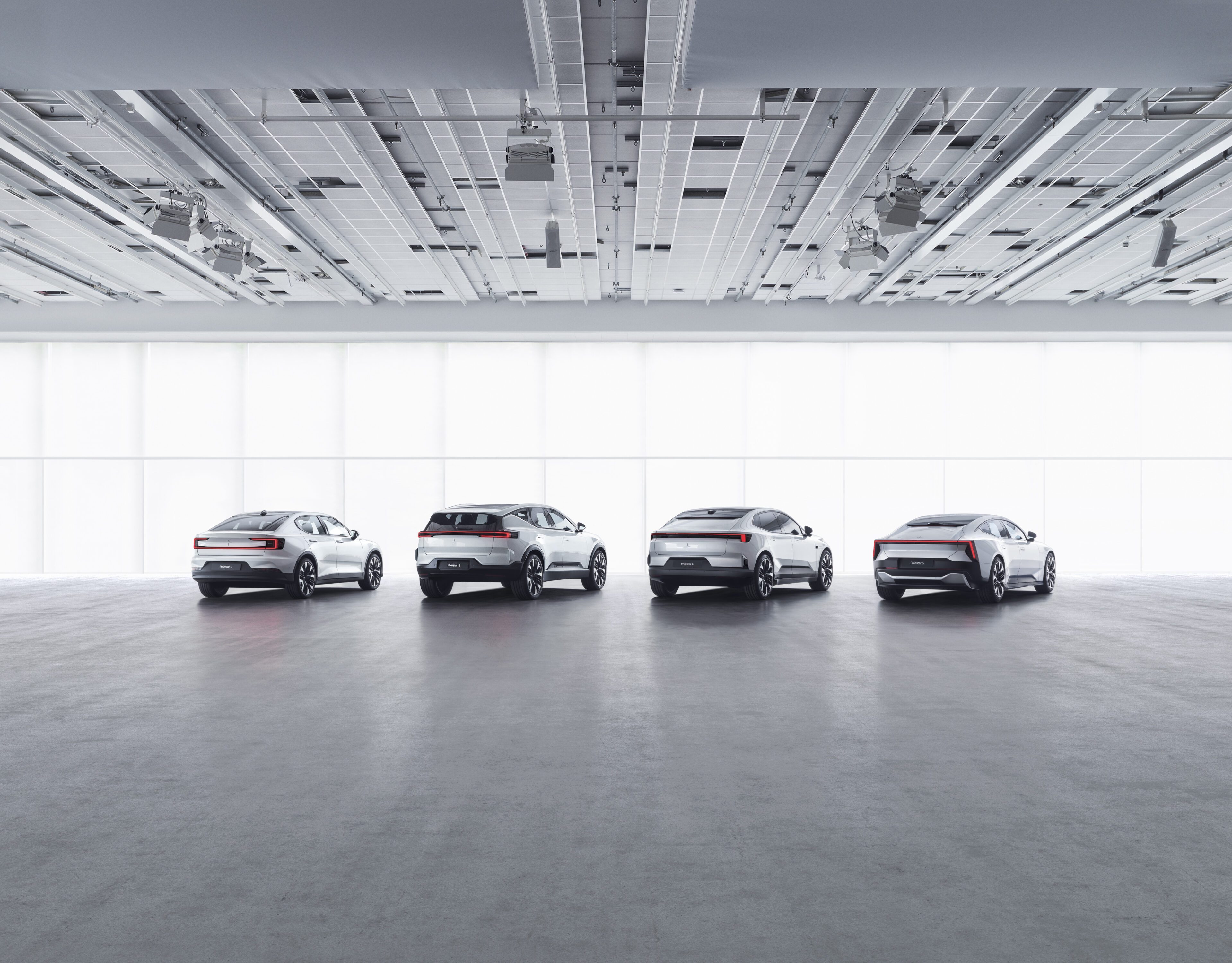
But wait, there’s more strategic jockeying here than stock car racing at Daytona. Unlike the Polestar 2 sedan (which struggles with the aforementioned tariffs), the 7 is strategically positioned to take advantage of being made in tariff-friendly Europe. It’s a smart move that allows the company to compete head-to-head with global heavyweights while dodging the ever-watchful gaze of trade regulators. In comparison, cars like the Polestar 3 and 4 are only selectively built outside of China (think U.S. and South Korea factories) for markets that impose tariff penalties.
As for the timeline: don’t hold your breath (unless you’re driving an old diesel). While Polestar confirmed the first details just this week, the 7 won’t hit showrooms until 2027. That gives fans of electric SUVs more than enough time to argue over curb-weight figures, speculate about charge times, and pick out postmodern driveway décor for this unmistakably Scandinavian entry.
Polestar 7 is shaping up to be the automotive industry’s hot Nordic export we never realized we needed, from its Euro-built badge of honor to its tastefully rebellious edge. BMW and Mini loyalists beware; the Swedes are coming for your cramped garages armed with pure volts and snarky efficiency.