What happens to an EV battery when it finally clocks out from zipping silently along city streets, nobly hauling groceries and gliding past gas stations with a smug charge? If you’re a Nissan LEAF battery, you might just find yourself going from gridlock to grid hero—powering one of Europe’s busiest airports, and making everyone else’s retirement look just a little lazy.
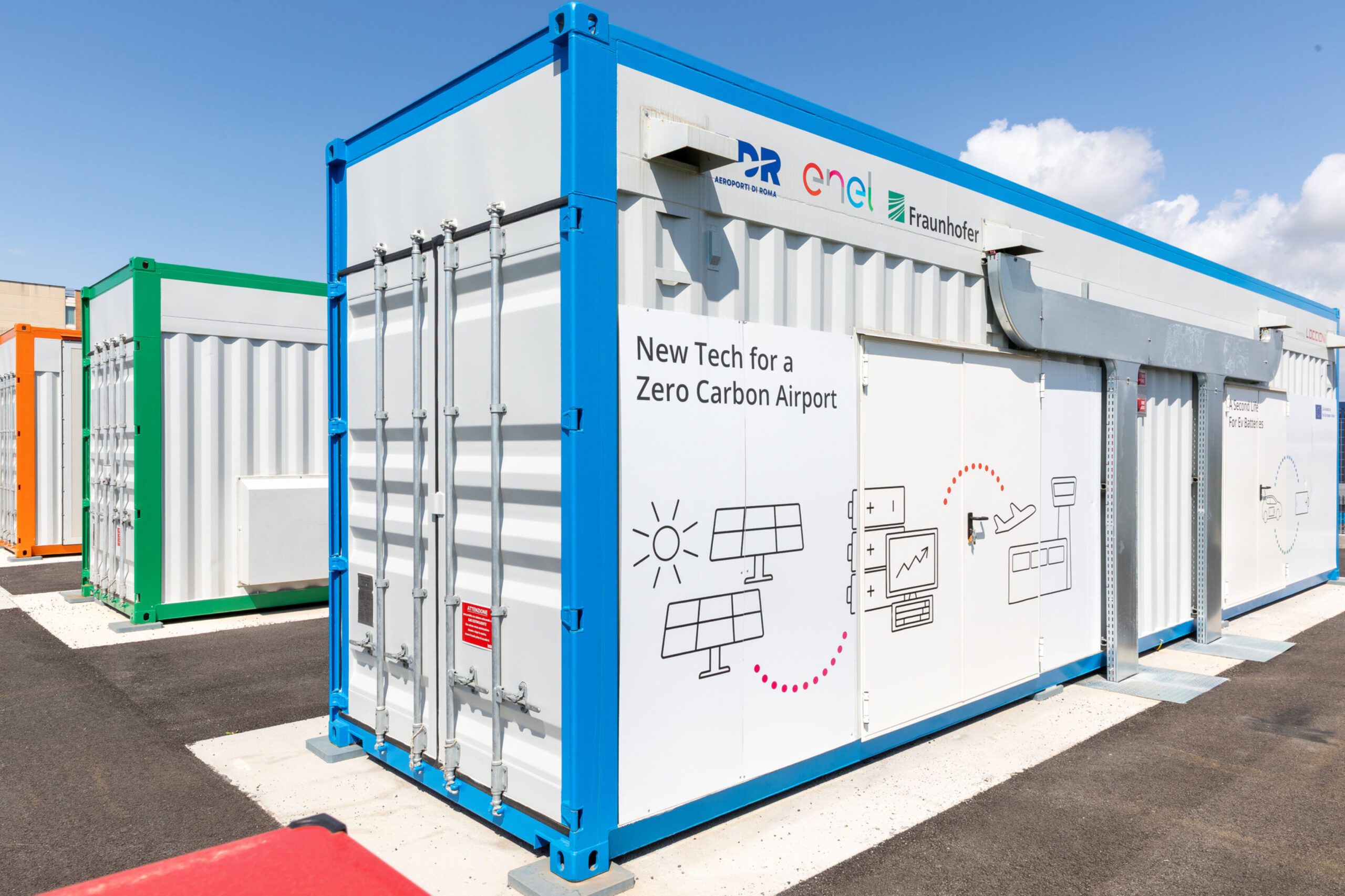
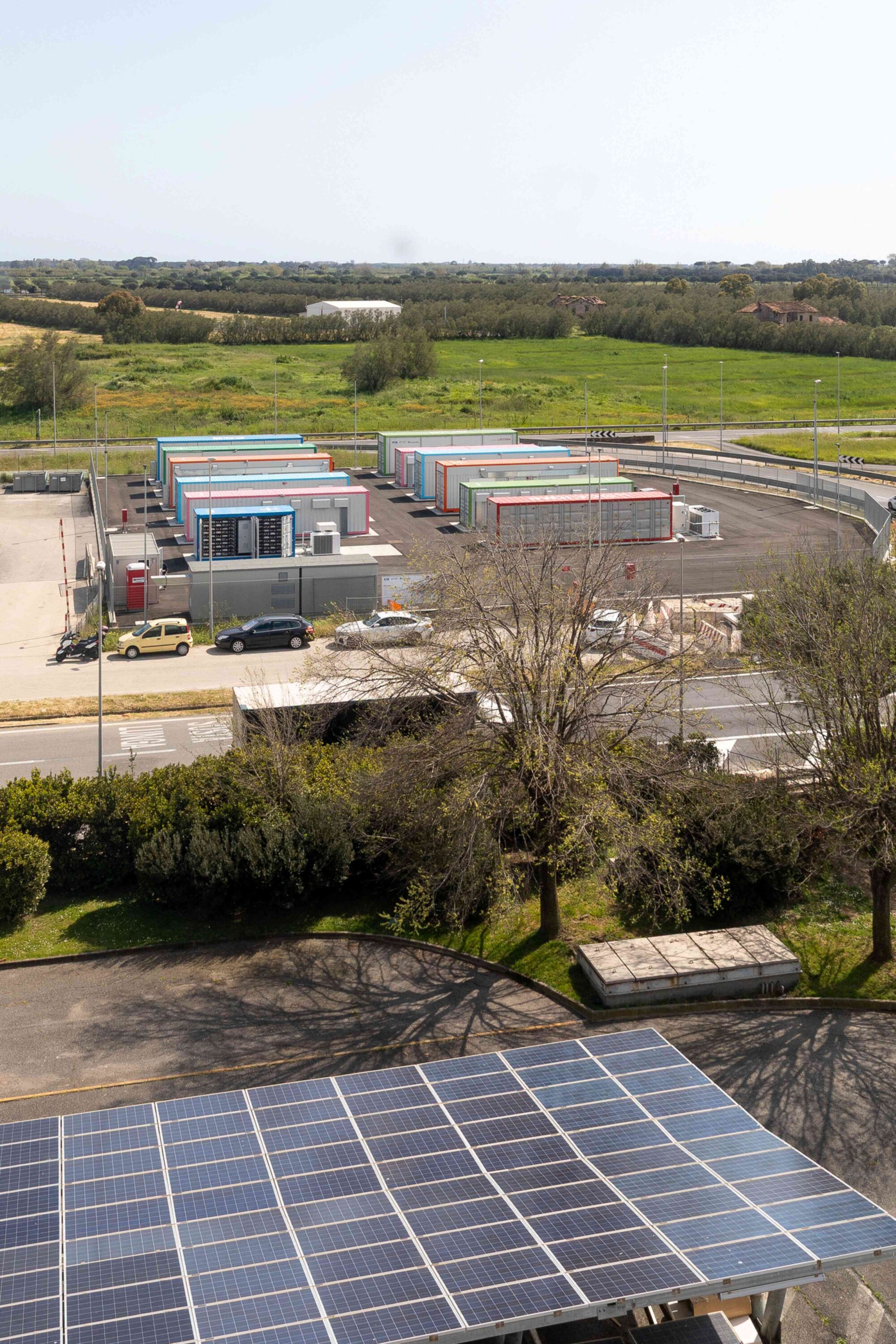
Welcome to Fiumicino Airport, Rome’s international gateway and, as of now, a flagship for clean energy innovation with an Italian flair. Here, 84 reconditioned Nissan LEAF batteries—once humming beneath hatchbacks, now flexing in a cutting-edge Battery Energy Storage System (BESS)—have swapped the express lane for long-term grid muscle, supplying a whopping 2.1 MWh of storage as part of a broader 10 MWh energy system orchestrated by Enel and systems integrator Loccioni.
But these are no mere wallflowers at the airport’s energy party. Add in a 55,000-panel solar farm expected to generate 31 GWh of renewable electricity each year, and Fiumicino is skipping straight to the part where it meets its net-zero ambitions well before 2030. Together, the symphony of sun and second-life batteries aims not just to reliably power airport terminals, but also to offer nimble, flexible services to the facility’s electricity grid—proof positive that sustainable energy can thrive even in the most bustling of environments.
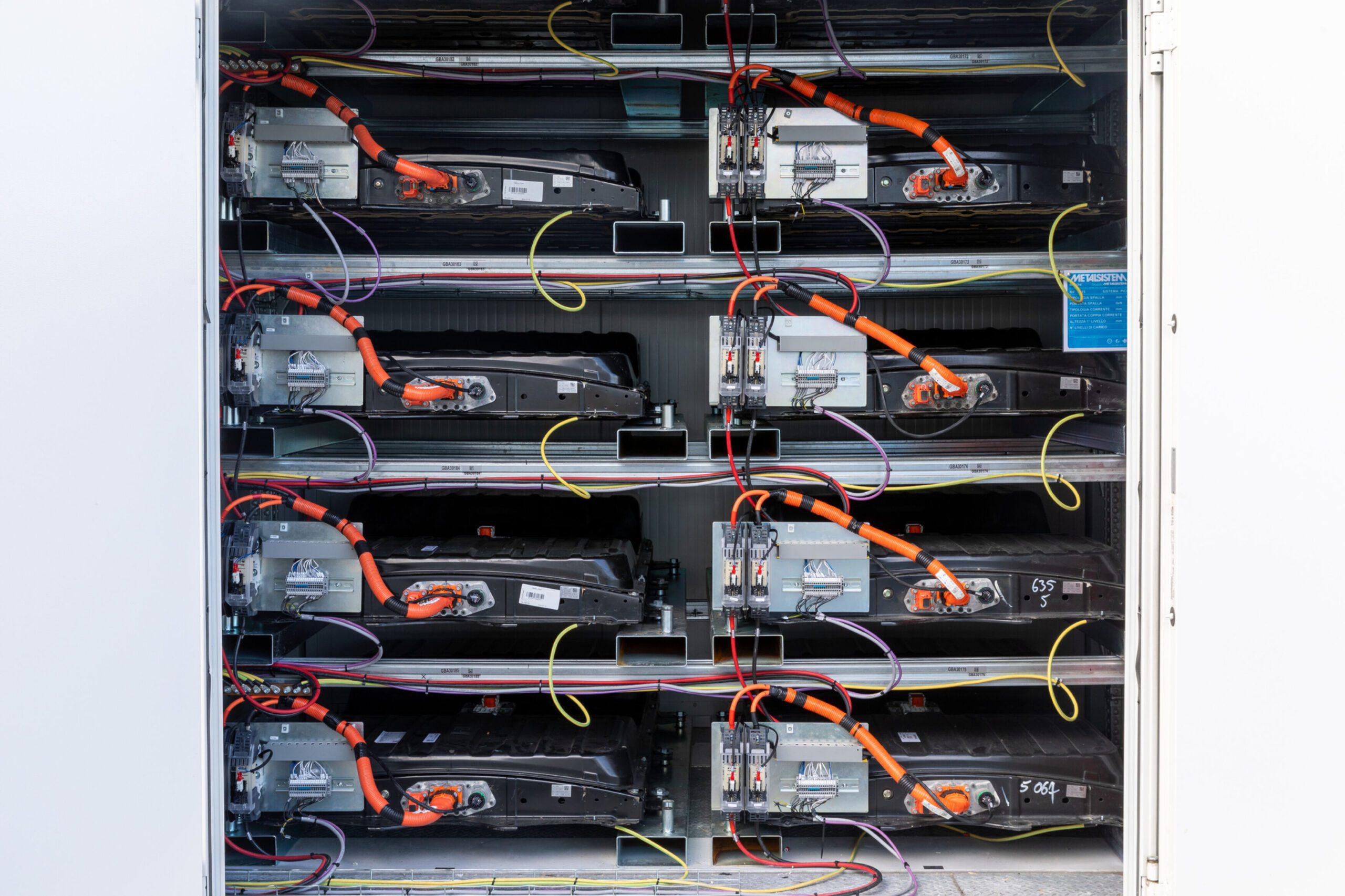
Now, Nissan’s repurposed Gen 3 and Gen 4 LEAF batteries aren’t just here for a joyride; they’ve been diligently sourced from high-mileage vehicles and warranty returns, each carefully requalified to stringent safety and performance standards (no battery left behind!). According to Nissan, these rejuvenated batteries should remain operational at the airport for at least another 6–7 years, handling daily use with the kind of stamina most luggage handlers can only dream of.
Soufiane El Khomri, Nissan’s Energy Director for the sprawling AMIEO region (that’s Africa, Middle East, India, Europe, and Oceania for those not versed in automotive acronyms), sums it up with a flourish: these “end of life” batteries are being transformed from potential waste into valuable energy assets. Not only does the project keep spent EV batteries out of landfills, it places them at the heart of large-scale industrial decarbonisation—setting a precedent for everything from airport grids to suburban homes seeking backup during power outages.
Enrico Loccioni, the eponymous president of Loccioni, puts it poetically: “With Pioneer, we have built a bridge between two worlds on their way to decarbonization: energy and mobility. At the centre always remains quality… which is another way of saying sustainability”.
This initiative isn’t Nissan’s first rodeo with BESS; projects such as the Melilla ESS in Spain have already highlighted the reliability of Nissan’s second-life battery tech to keep the lights on—with a soft, renewable glow, of course. But at Fiumicino, a new milestone is set. It’s as if James Bond’s gadgets retired from active duty and joined a think tank on climate strategy—a natural next act, starring performance, ingenuity, and a solid state of mind.
In the age-old Italian tradition of reinvention, the Nissan LEAF battery’s second life is less about slowing down, and more about powering up—a little older, a lot wiser, and putting the “charge” in la dolce vita.