If you thought the EV race was a two-car duel between Tesla and a cloud of hopeful startups, think again. Mitsubishi Motors is pulling back onto the North American circuit, and their ticket is based squarely on Nissan’s next-generation LEAF. Mitsubishi plans to launch an all-new battery electric vehicle (BEV) in North America, sourced as an OEM model from Nissan, slated for the second half of 2026. Yes, you read that right—your next “triple diamond” crossover or hatchback might just have Nissan DNA under the hood, though it will undoubtedly wear Mitsubishi’s stoic face and its own quirky features.
But why this electrifying alliance now? Mitsubishi’s product strategy through 2030 hinges on going big in the U.S. market, a place where large coffee, large trucks, and now, increasingly large battery packs reign supreme. With America’s appetite for SUVs and the rising demand for EVs, teaming up with Nissan (and, by extension, the Renault-Nissan-Mitsubishi Alliance) might be less a marriage and more a power-sharing agreement for survival and innovation.
The plot thickens: Mitsubishi isn’t just taking; it’s giving. In a charming quid pro quo, Mitsubishi will also supply Nissan with a plug-in hybrid (PHEV) model for North America in 2026. Cue the handshake emoji. This cross-pollination means your favorite badge is less about origins and more about options—electrified ones at that.
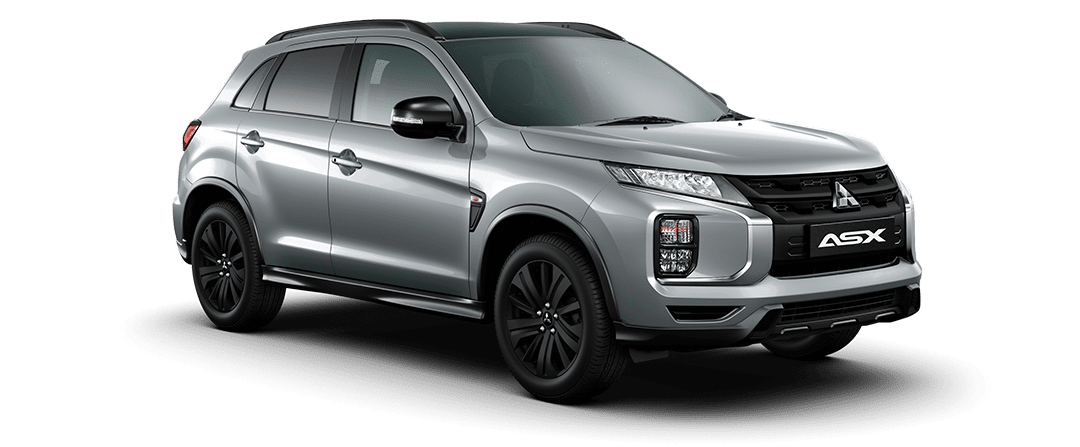
Mitsubishi’s credentials aren’t just a footnote in EV history; they penned the prologue. The i-MiEV, launched in 2009, was the world’s first mass-produced electric vehicle. Not content with that chapter, they followed it up with the Outlander PHEV, pioneering the world’s first plug-in hybrid electric SUV in 2013. Fast forward to the present, and Mitsubishi has set its sights on an electrified sales ratio of 100% by 2035—a bold move in a world where “carbon-neutral” is the new black.
Dubious about how much “Mitsubishi-ness” will shine through the Nissan chassis? Fear not. The company is adamant that new models will embody their flair for SUVs and innovation. With roots stretching back over a century—and a reputation for rugged off-roaders and practical hybrids—Mitsubishi is betting the next big thing can indeed be borrowed, badged, and made better for the U.S. (and potentially Australia) market.
So, as the EV arms race amps up, expect to see some familiar faces behind the wheel of innovation—sometimes wearing borrowed shoes, but always intent on driving us all a little closer to that elusive destination: a carbon-neutral future.