In a high-stakes game of geopolitical and automotive chess, Elon Musk’s Tesla finds itself idling at a bureaucratic red light while a German contender quietly shifts into gear. The Tesla CEO, known for his space-age ambitions and electric revolutions, was reportedly in talks to sell $400 million worth of armored electric vehicles to the U.S. State Department—a deal forecasted to be the largest of its kind in 2025. However, this futuristic vision has stalled, not because of technological limitations, but due to an ironic twist of fate involving both politics and German precision engineering.
The story begins in May 2024, under the Biden administration, when Tesla expressed interest in supplying electric vehicles capable of armored protection to the State Department. Musk’s fleet was poised to break new ground in the electric vehicle market by providing cutting-edge security features under a lucrative government contract. Biden’s team reportedly tasked the department with gathering potential suppliers, with Tesla emerging as a frontrunner.
Fast forward to the Trump administration, and everything changes at “dizzying speed.” The deal, which was once said to highlight Musk’s expanding relationship with the federal government, quickly hit a political pothole. Reports reveal that the official government forecast initially listed Tesla as the only vendor, which, on its own, raised eyebrows. This led the State Department to abruptly correct the record by swapping out Tesla for a generic “electric vehicle manufacturer.” Strangely, the same system left untouched another contract entry naming none other than BMW as a prospective supplier.
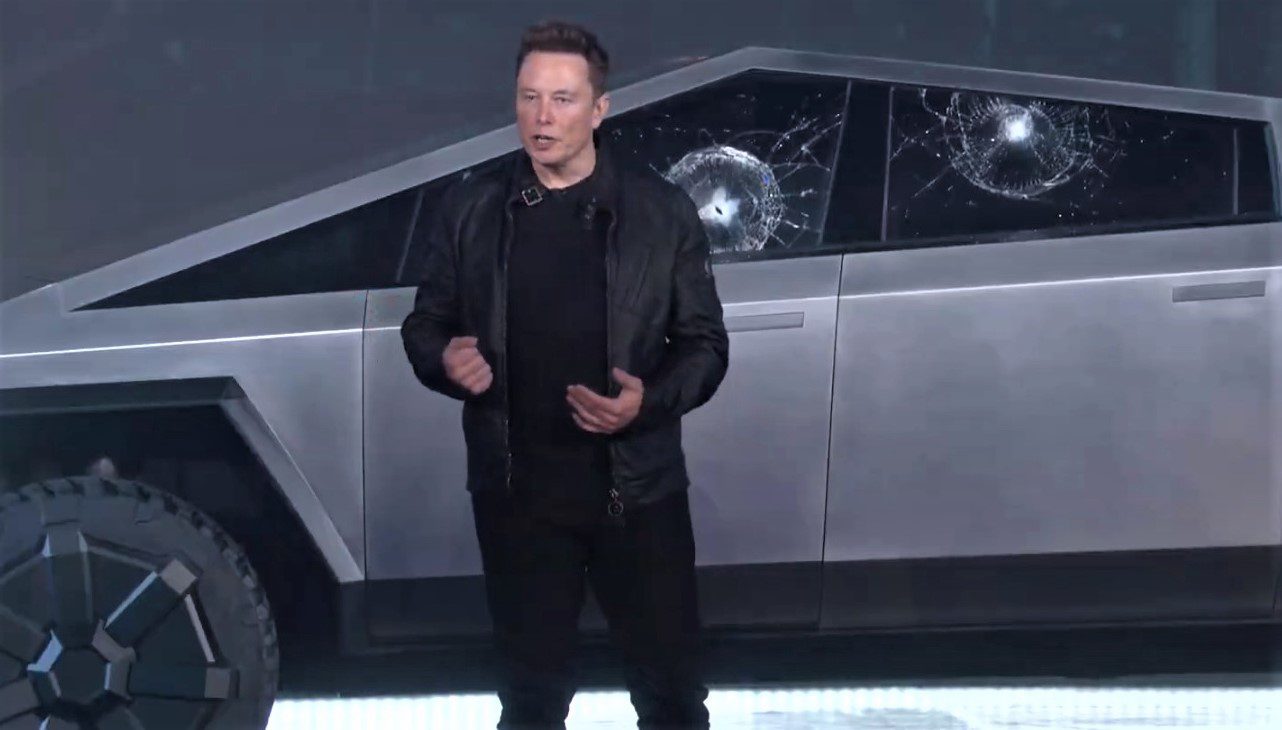
Cue the irony: While Musk—an advisor to President Trump—is slated to receive hundreds of millions annually in government contracts via his various companies, such as the $41.9 million already paid for electric vehicles provided to embassies and $20 billion in federal funds secured by SpaceX, this deal needed more than just merit to push forward. Instead, it sputtered to a halt due to political optics, timing, and perhaps a tinge of miscalculation.
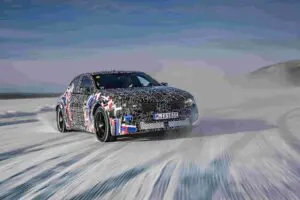
Enter the Germans. Known for their engineering precision and ability to navigate complex markets, BMW is now uniquely positioned to potentially outmaneuver Tesla for the State Department’s armored vehicle needs. While Tesla’s all-electric approach may scream innovation, Germany’s BMW offers the advantage of traditional reliability and a knack for blending sophistication with bureaucratic finesse—qualities that Musk may sometimes overlook amidst his penchant for disruption.
Nevertheless, critics argue this development is emblematic of a broader dilemma. The federal government’s oscillation between innovation and tradition highlights the precariousness of relying too heavily on any one company or personality, even one as prolific as Elon Musk. While his companies ride high on taxpayer funding, the saga serves as a stark reminder that when politics enters the chat, innovation can often be trumped by diplomacy and appearances.
So, is Musk’s ambitious $400 million Tesla contract truly in neutral? Or will the Germans, with their quiet but calculated approach, claim the road ahead? Either way, the race for armored electric vehicles has already taken an ironic turn, leaving observers to wonder if Musk’s next bold move will involve a counteroffer or yet another tweet storm aimed at his competitors.