With a suave blend of cutting-edge innovation and the speed-hungry expertise of Formula 1 engineers, Mercedes-Benz is launching a new era in electric mobility. The automotive giant has joined forces with its subsidiary, Mercedes AMG High Performance Powertrains (HPP), and U.S.-based battery pioneer Factorial Energy to bring solid-state battery technology from the lab to the tarmac. This historic achievement marks a pivotal moment not just for Mercedes-Benz but for the entire automotive industry as it strides toward the future of sustainability and electrification.
What Makes Solid-State Batteries So Special?
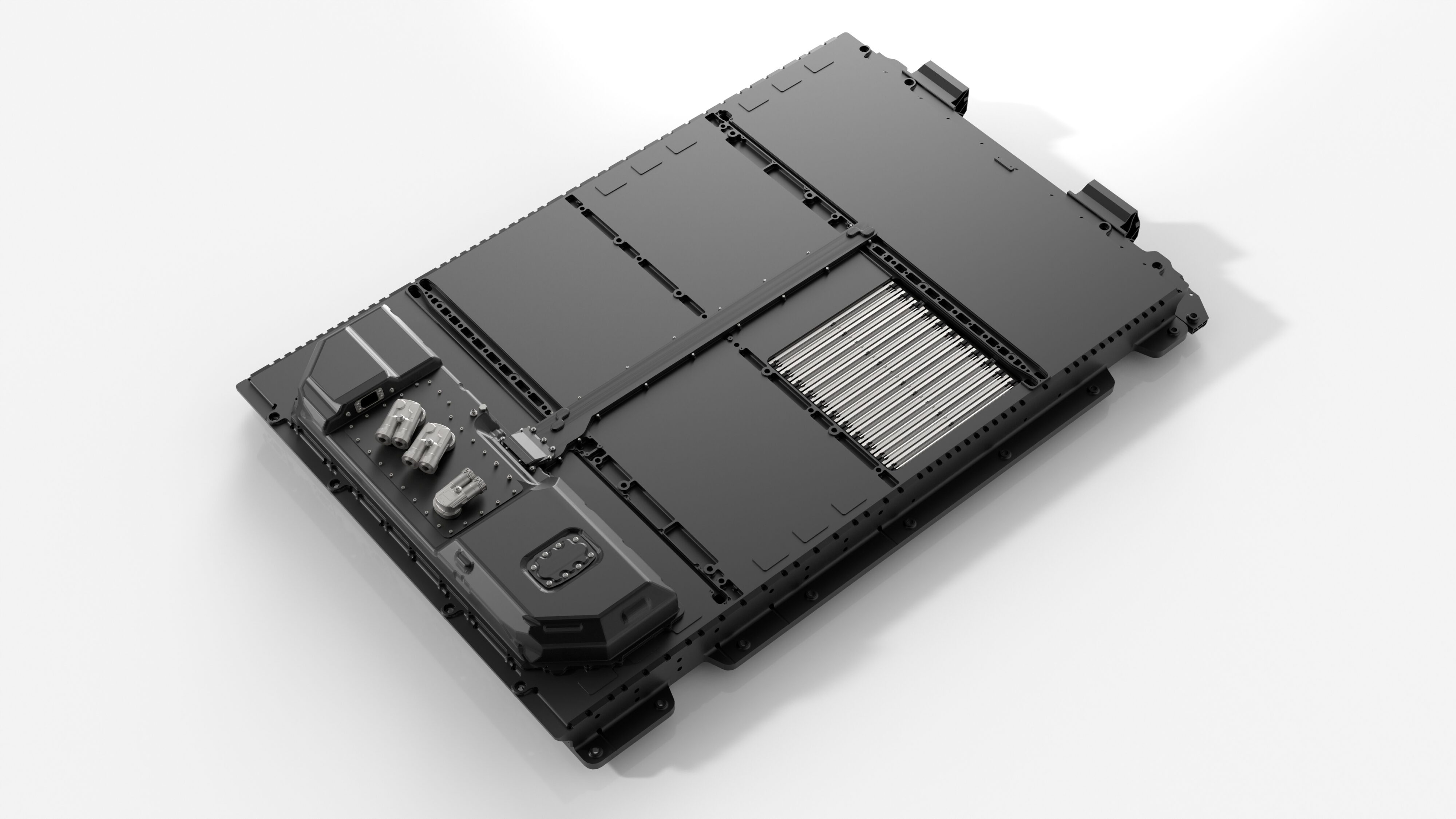
Forget conventional lithium-ion batteries—solid-state batteries are where real innovation is happening. At their core, these batteries use a solid electrolyte instead of a flammable liquid one, resulting in increased safety during operation. The solid construction also paves the way for cutting-edge materials like lithium-metal anodes, which deliver unparalleled energy density and performance gains. Mercedes-Benz predicts that the gravimetric energy density of its solid-state battery cells could hit a groundbreaking 450 Wh/kg, making vehicles lighter, more efficient, and capable of achieving longer ranges. For context, the new EQS prototype with its retrofitted solid-state battery boasts a 25% increase in driving range compared to the same weight and battery size of an earlier standard EQS battery.
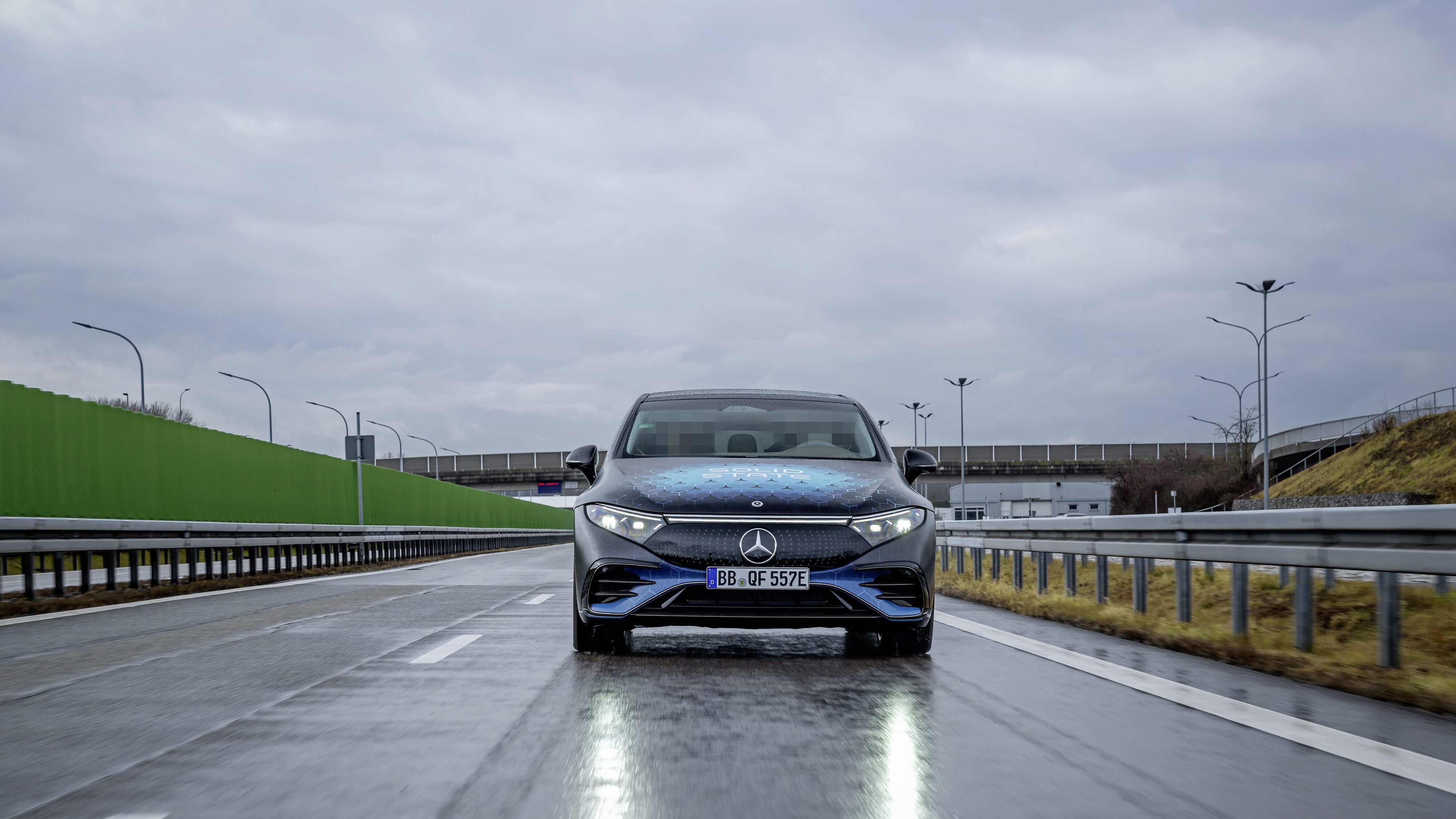
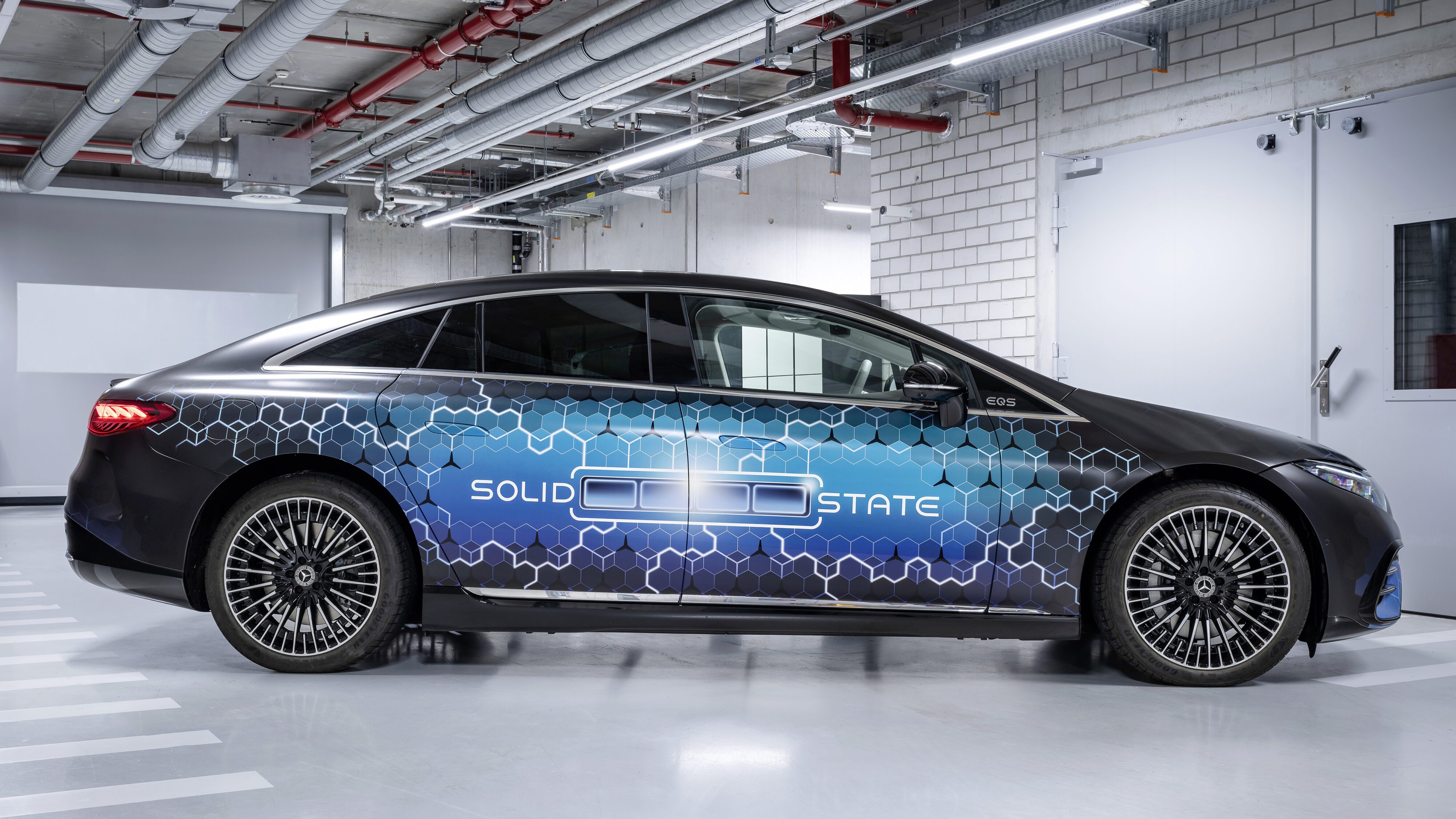
This energy density isn’t just a number—it’s a promise. The prototype EQS is now capable of traveling over 1,000 kilometers (about 620 miles) on a single charge, a leap from the 800-kilometer range seen in the EQS 450+, which features a 118 kWh lithium-ion battery . This shift could finally bring us closer to alleviating range anxiety for electric vehicle (EV) adopters, a critical barrier to the widespread adoption of electric technology.
Engineering Marvels in Motion
What really puts the polish on this achievement is the seamless collaboration between road car engineers and the motorsport wizards at HPP. Known for powering Mercedes-AMG’s massively successful Formula 1 program, HPP has lent its rapid R&D pipeline to the development of this sophisticated tech. By leveraging the expertise of its Formula 1 Advanced Technologies team, Mercedes-Benz has managed to compress years of potential development into an accelerated timeline, turning prototypes into road-ready vehicles.
One standout innovation is the battery’s patented “floating cell carrier,” which allows the battery cells to handle expansion and contraction during charging and discharging cycles. Working in tandem, pneumatic actuators maintain the structural integrity of the cells throughout these volume fluctuations, ensuring both safety and durability over a longer lifespan . Add in passive cooling to minimize energy waste, and you have a system primed for peak efficiency.
A Bold New Standard
Mercedes-Benz’s achievement is not just technical—it sends a reverberating signal to the competition. According to Siyu Huang, CEO and Co-Founder of Factorial Energy, this prototype’s successful integration of lithium-metal solid-state batteries into a production vehicle platform represents a momentous shift: “This breakthrough demonstrates that solid-state battery technology has moved beyond the laboratory and into real-world application”.
By 2021, Mercedes had already solidified its partnership with Factorial Energy, banking on the latter’s proprietary FEST® (Factorial Electrolyte System Technology) platform. The technology allows for scalable solid-state battery production that can be seamlessly introduced into existing manufacturing lines. Road testing the Mercedes-Benz solid-state EQS marks just the beginning of what could evolve into full-fledged integration within the company’s future electric vehicle lineup.

What’s Next?
Testing will continue throughout 2025, as Mercedes-Benz collects data on real-world usage of the prototype EQS to refine the battery’s design and performance. These trials will build on laboratory results to determine how soon this breakthrough technology can make its way into consumer vehicles.
Furthermore, Mercedes-Benz and HPP plan to capitalize on their shared expertise by continuing to bridge the gap between racetrack innovation and road-ready application. The company’s pledge to lead in electric mobility appears stronger than ever, as solid-state batteries are poised to become the gold standard for EVs looking to balance range, safety, and speed.