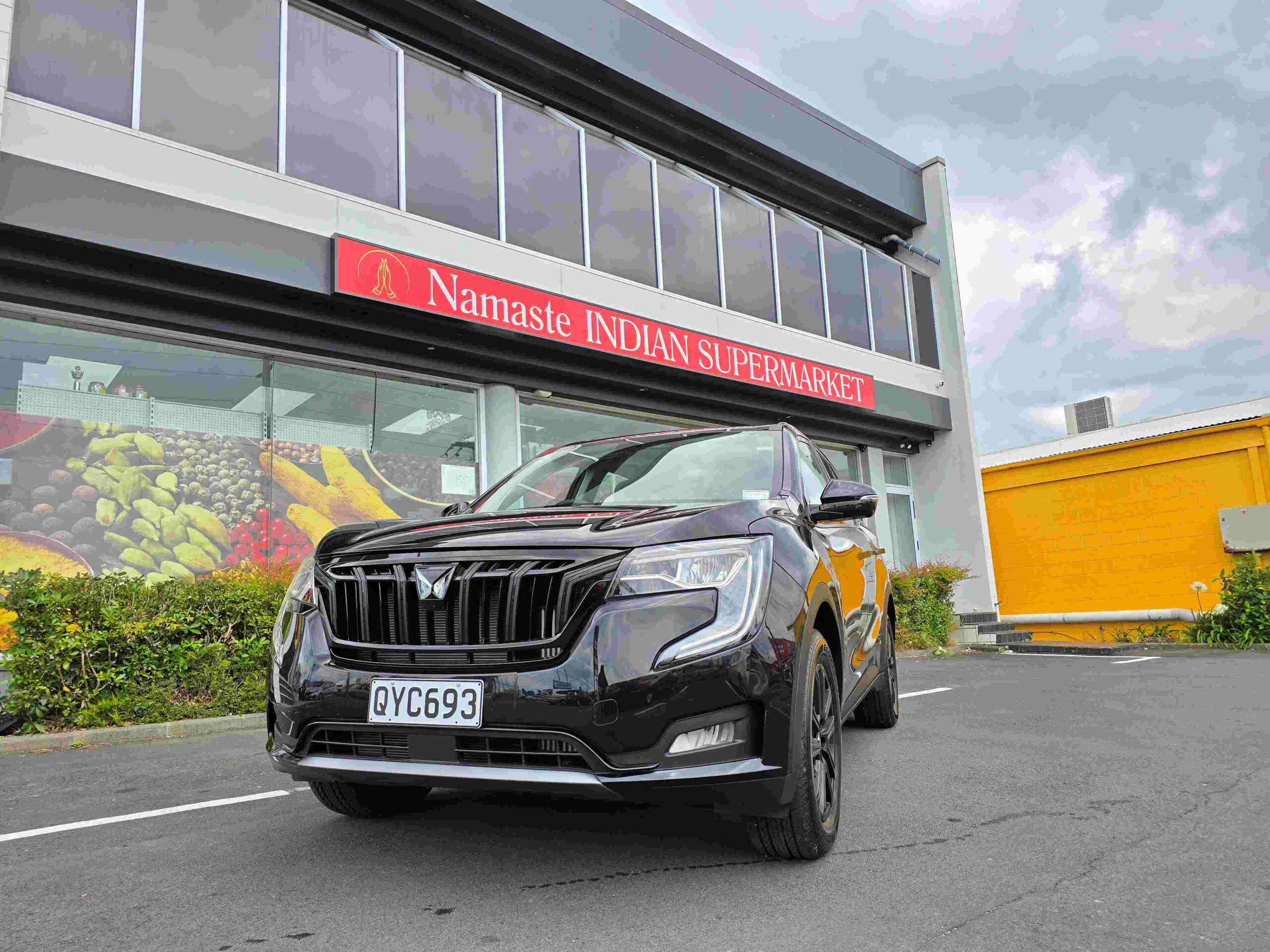
Move over, hatchbacks and sedans—India’s car market is in full-on “SUV mode,” and Mahindra & Mahindra (M&M) has just pulled off a game-changing maneuver by overtaking Hyundai Motor India Limited (HMIL) as the country’s second-largest carmaker in February 2025. For the first time, the proud maker of rugged, road-dominating machines like the Scorpio N and XUV700 has relegated the Korean automaker, Hyundai, to third place in domestic sales. This tectonic shift underscores not just Mahindra’s relentless SUV assault but also the evolving tastes of India’s car buyers.
Driving the Surge: SUVs, SUVs, and More SUVs
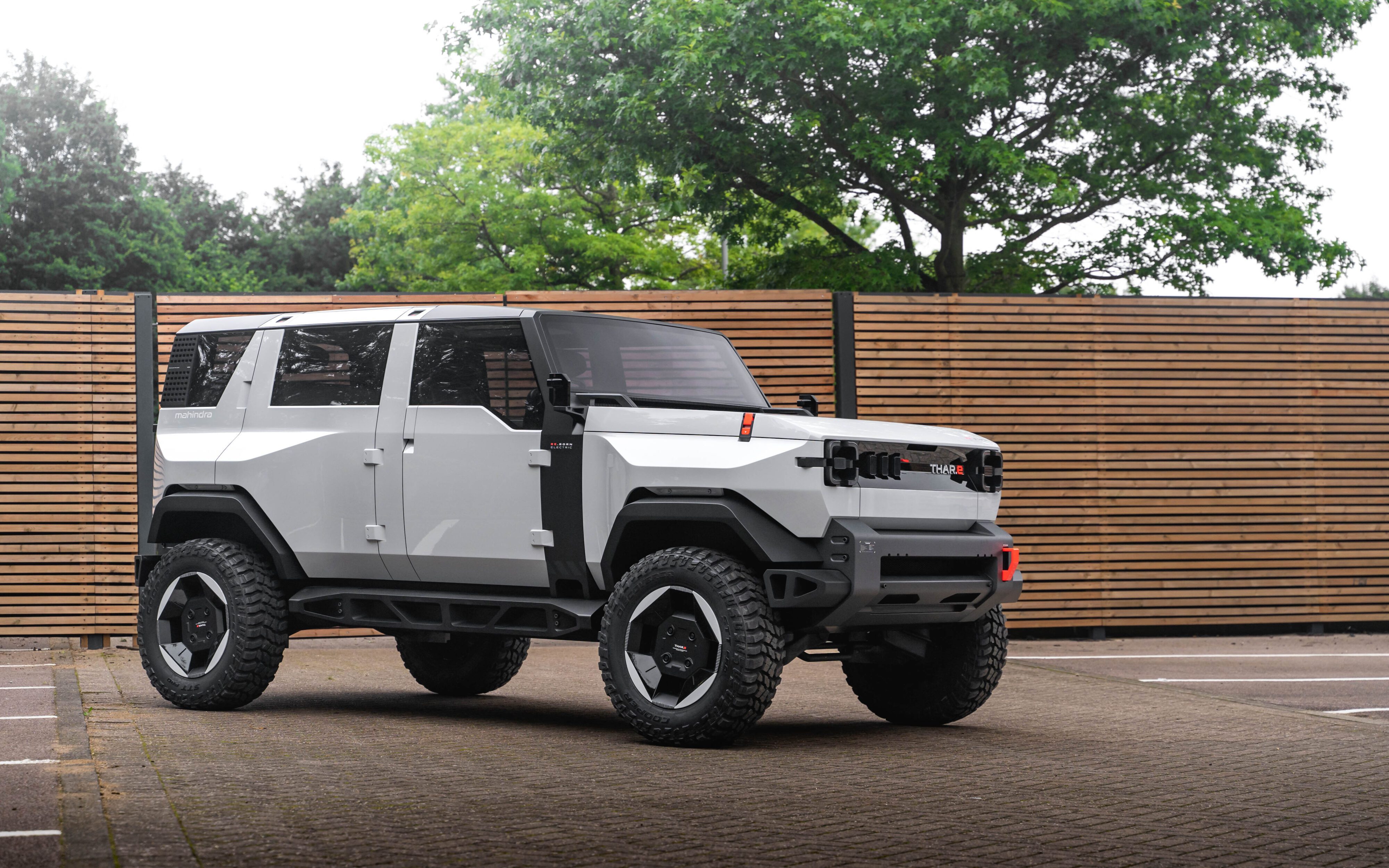
Mahindra sold a staggering 50,420 SUVS in February 2025, marking a year-on-year growth of 19% compared to 42,401 units during the same period last year . Hyundai, while no slouch, clocked in at 47,727 domestic units, relying heavily on the consistently strong-selling Creta . For Mahindra, it wasn’t one horse carrying the chariot—it was a team effort powered by a wide range of models, from the ever-curious Thar ROXX (bet you’ll want to take a selfie with it) to the powerful, family-ready XUV700.
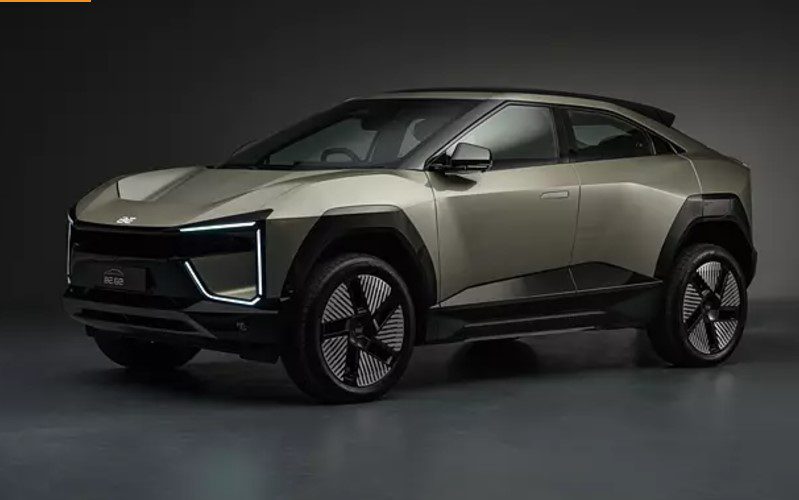
It’s not just about numbers—it’s about adaptability. Mahindra has demonstrated ninja-like reflexes in updating, launching, and diversifying their SUV lineup, while Hyundai has largely leaned on the Creta to lead its mid-size SUV charge. Mahindra’s ability to innovate aggressively—like rolling out the updated Scorpio and the highly versatile Thar—has allowed it to attract different demographics, combining rugged utility and premium features for mass and niche appeal.
Why Now? Changing Winds in India’s Auto Landscape
India’s SUV craze is more than a passing trend. From 2020 to 2025, SUV market share skyrocketed from 32% to 60%, with sales jumping from 10.02 lakh units in 2021 to over 20 lakh in 2024. In comparison, hatchbacks and sedans, once the go-to choice for budget-friendly buyers, now represent a shrinking 40% of the market . Rising disposable incomes and shifting consumer aspirations have turned the humble city car into a relic of a bygone era. For automakers, it’s now all about who can bring the boldest, most adventure-ready wheels to India’s burgeoning middle class.
Mahindra has played perfectly to this script by being a dedicated SUV-only brand with no distractions from sedans or hatchbacks—unlike Hyundai, which balances its portfolio between compact cars and the SUV lineup . This singular focus, combined with bold, innovative marketing and quick rollouts, has cemented Mahindra’s place in buyers’ hearts and parking spaces.
Exports: Hyundai’s Ace in the Hole?
While M&M might be winning the domestic tug-of-war, Hyundai still dominates in exports. With 11,000 units shipped globally in February 2025—a 6.8% year-on-year growth—Hyundai has capitalized on India’s growing reputation as an auto manufacturing hub. Mahindra, by comparison, shipped just 1,966 units abroad in February, though this represented a massive 99% year-on-year jump. Clearly, Mahindra is testing international waters, but Hyundai is swimming laps.
Strategically, Hyundai plans to double down on exports to maintain its clout in global markets, which might help it to weather this domestic sales skid. As Tarun Garg, Hyundai India’s chief operating officer, said, “By optimizing exports, we will continue to reinforce HMIL’s position as a key export hub for Hyundai Motor Company” .
Broader Market Dynamics: Excitement Today, Clouds Tomorrow?
All this activity is happening against the backdrop of a potential slowdown in Indian auto sales after years of consistent growth. While SUVs continue to push sales numbers higher, macroeconomic uncertainties, geopolitical challenges, and structural issues in the supply chain loom in the distance. Proposed tax reforms in the 2025 Union Budget might offer a much-needed demand boost, but both Mahindra and Hyundai will have to adapt to an increasingly complex market. Mahindra has shown it can thrive in chaos—can Hyundai bounce back? .
Lessons Learned: Agility Over Legacy
Mahindra’s success story carries an important lesson: in a booming market like India, innovation and adaptability trump reliance on legacy models. By betting big on SUVs and rolling out a diverse and innovative lineup, Mahindra has not just climbed into Hyundai’s rearview mirror—it has left them in dust tracks. The Korean giant, on the other hand, must rethink its India strategy if it wants to reclaim its title as a domestic icon and global contender.
One thing’s for sure: the race between Mahindra & Mahindra and Hyundai is far from over. Whether it’s Mahindra’s SUV-dominant DNA or Hyundai’s export-focused ambitions that lead to long-term success, we can all agree that 2025 just got a whole lot more exciting for car enthusiasts.
(And somewhere, Maruti Suzuki is quietly giggling atop the throne.)