Seventy-five years ago, the Volkswagen Bus, affectionately known as the “Bulli,” began its journey from a blank sheet of paper to a global icon, with its first model, the T1, rolling off the production line on March 8, 1950. Today, it’s not just a vehicle but a symbol of versatility, nostalgia, and freedom, woven into the fabric of automotive history.
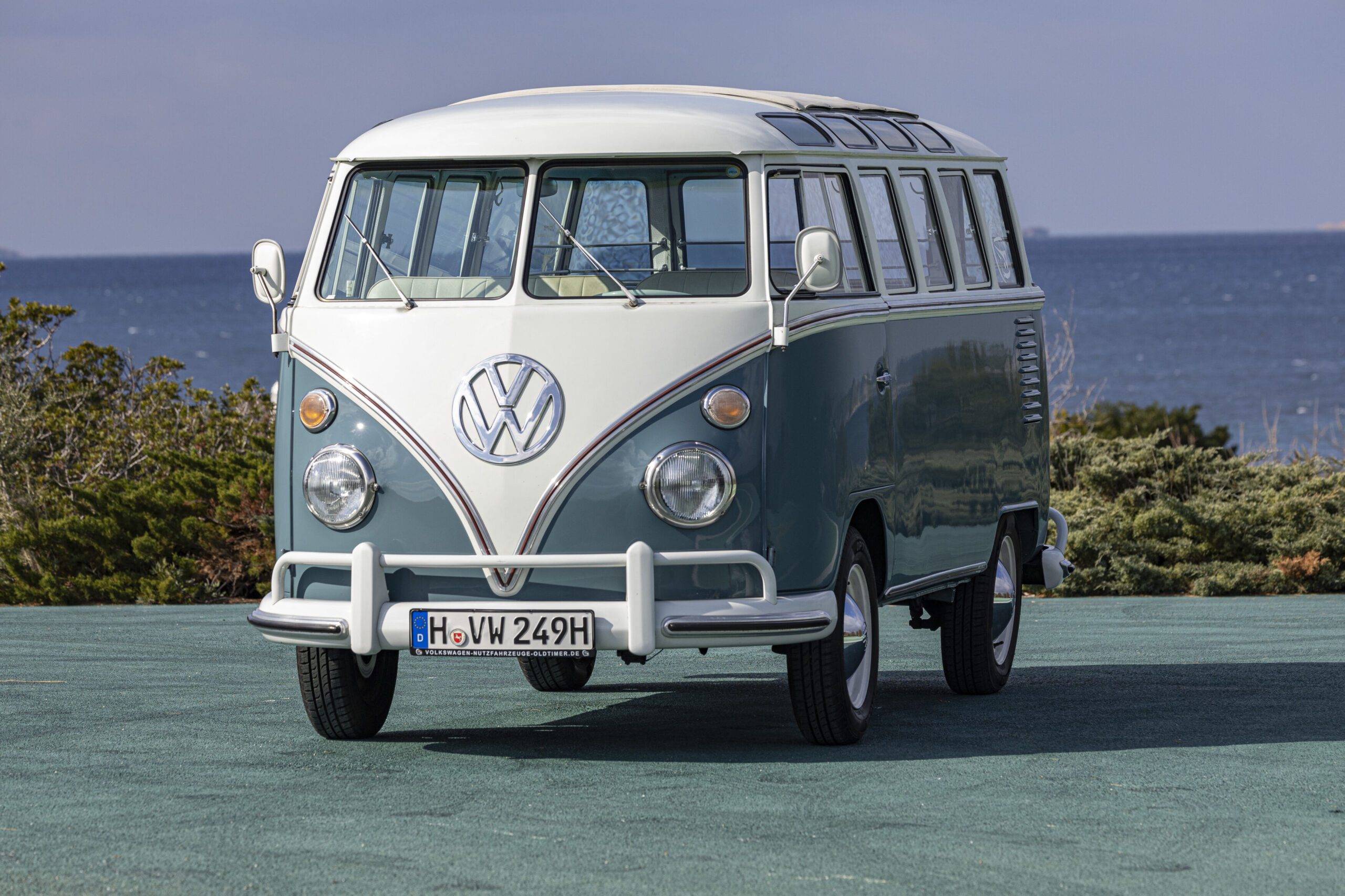
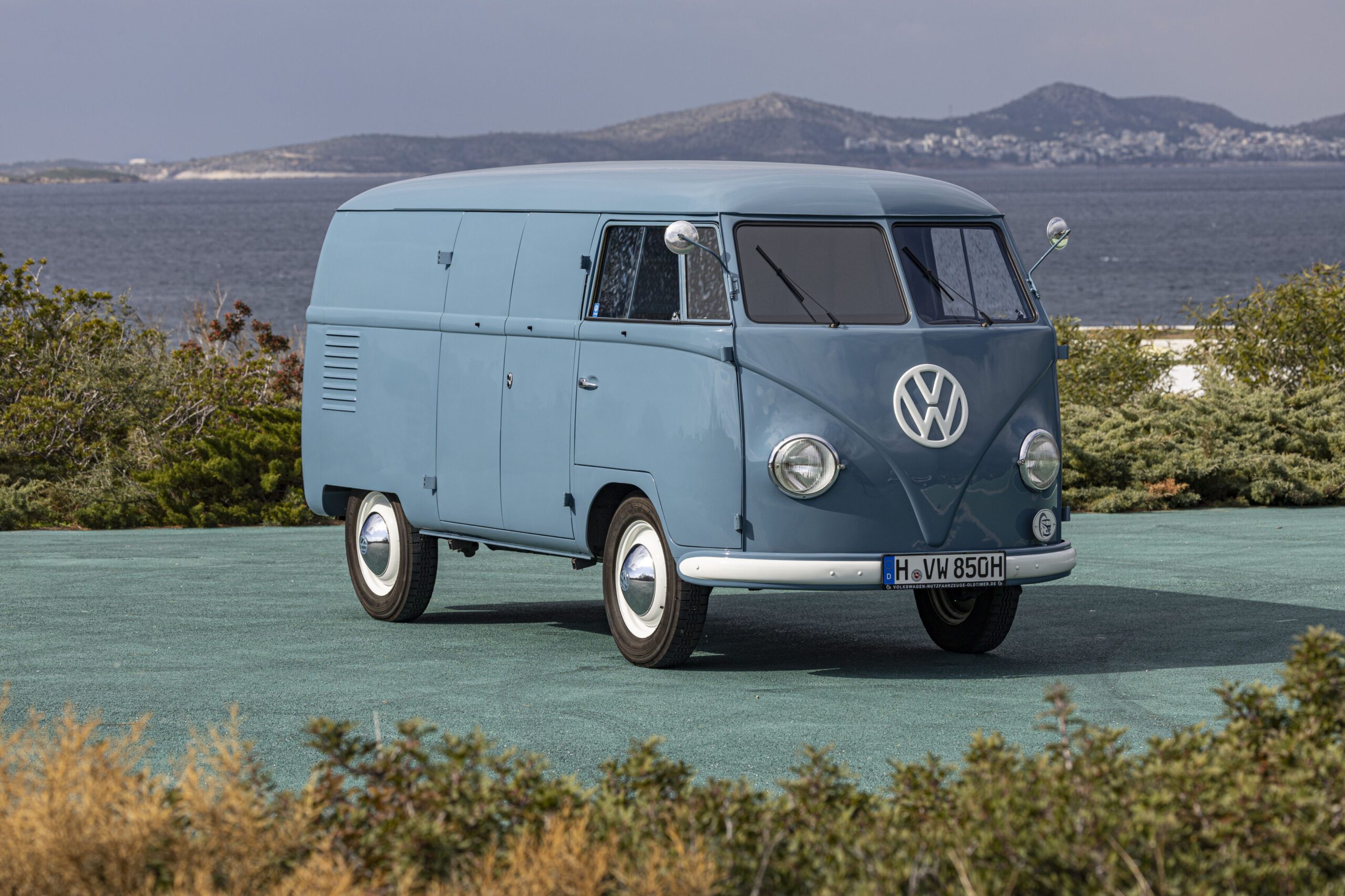
Born out of post-war necessity, the T1 was Volkswagen’s answer to an economically rebounding Germany’s demand for a practical, affordable van. Built on the DNA of the Beetle, this “Type 2” offered efficient storage with its 4.5 cubic metres of cargo space and a humble 25-PS flat-four-cylinder engine borrowed from its predecessor. Its instantly recognizable split windshield earned it the cherished nickname “Splittie” in the UK, while the opulent Samba bus variant, unveiled in 1951, dazzled fans with a panoramic folding roof, two-tone paintwork, and up to 23 windows.

The 1960s ushered in the T2, the second generation, just as the cultural revolutions of Woodstock and the Summer of Love were brewing. The VW Bus quickly became the poster child for peace, love, and flower power, immortalized in photos like the famous Light Bus at Woodstock. Practicality met modernity here: a single-sheet curved windshield, larger side windows, and a sliding door as standard. Its adaptable chassis and improved brakes underpinned the T2’s reputation as a reliable adventurer, roaming continents in camper van form . Even post-production, the T2 replicated its success worldwide, retiring only in 2013 in Brazil with its final edition, the “56 Anos Kombi – Last Edition”.
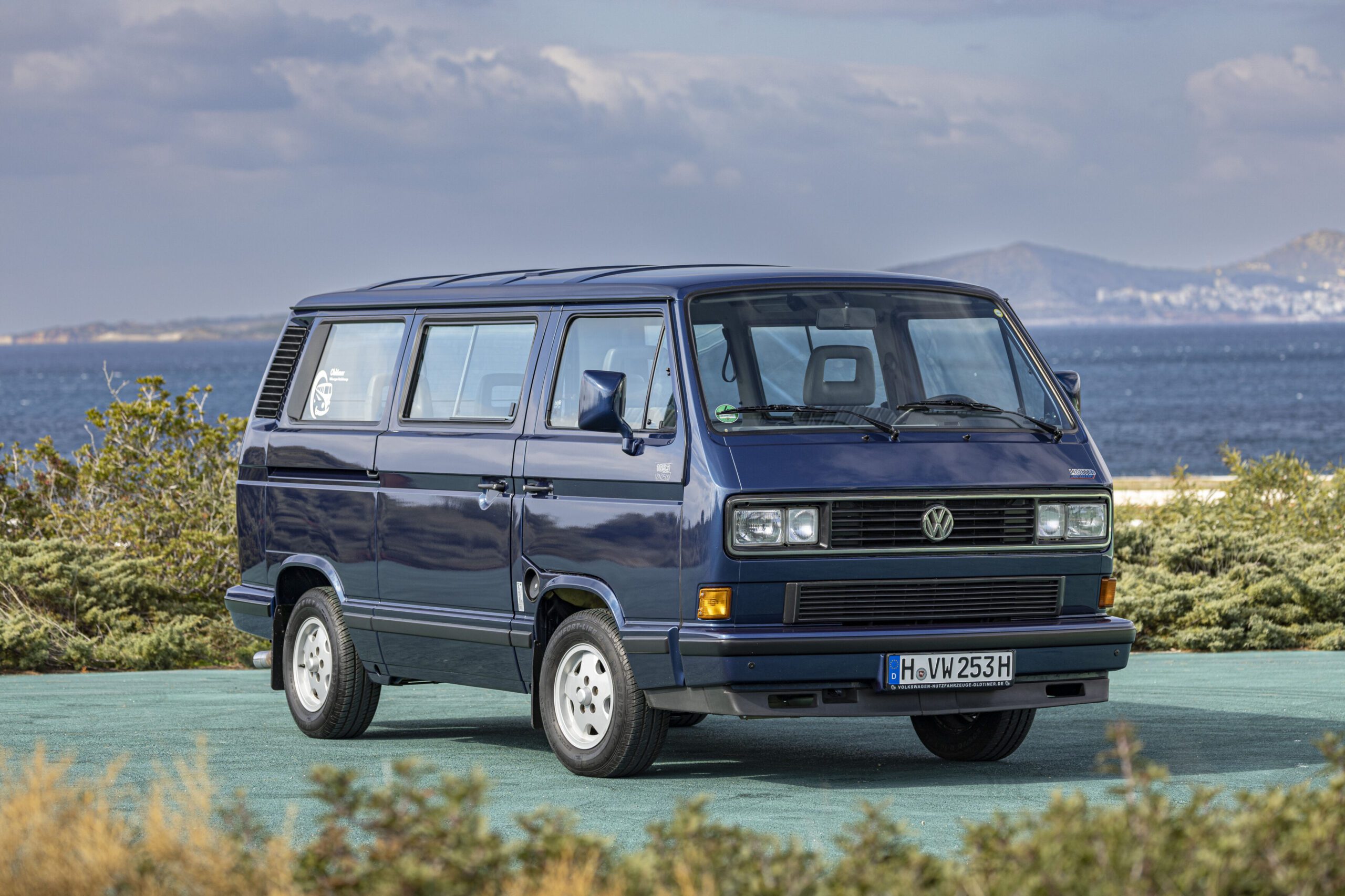
By the late 1970s, Volkswagen refined the Transporter into the angular T3, an engineering marvel. It boasted enhanced safety, spaciousness, and even the luxury of four-wheel drive in its syncro versions. Legendary models like the California camper van and Multivan set new benchmarks in functionality and comfort, achieving cult status . This generation marked the dawn of turbocharged diesel engines and catalytic converters, emphasising efficiency and modernization.
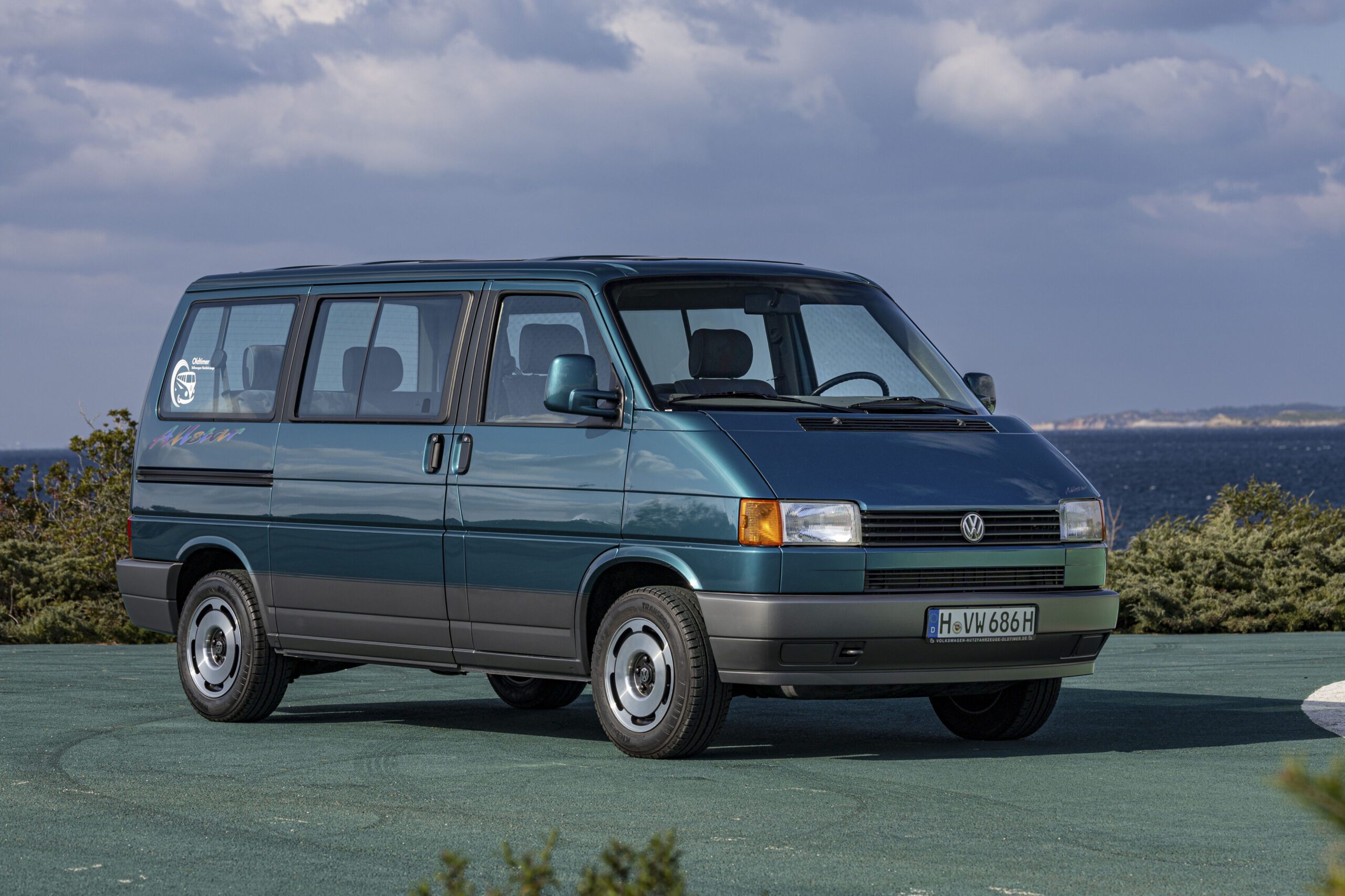

The radical transformation of the VW Bus took place in 1990 with the T4, introducing front-mounted engines and front-wheel drive for the first time. This shift revolutionized interior space, making it more passenger-friendly and increasing cargo capacity. The T4 offered versatility across its Caravelle, Multivan, and camper variants, blending car-like handling with trusted practicality.
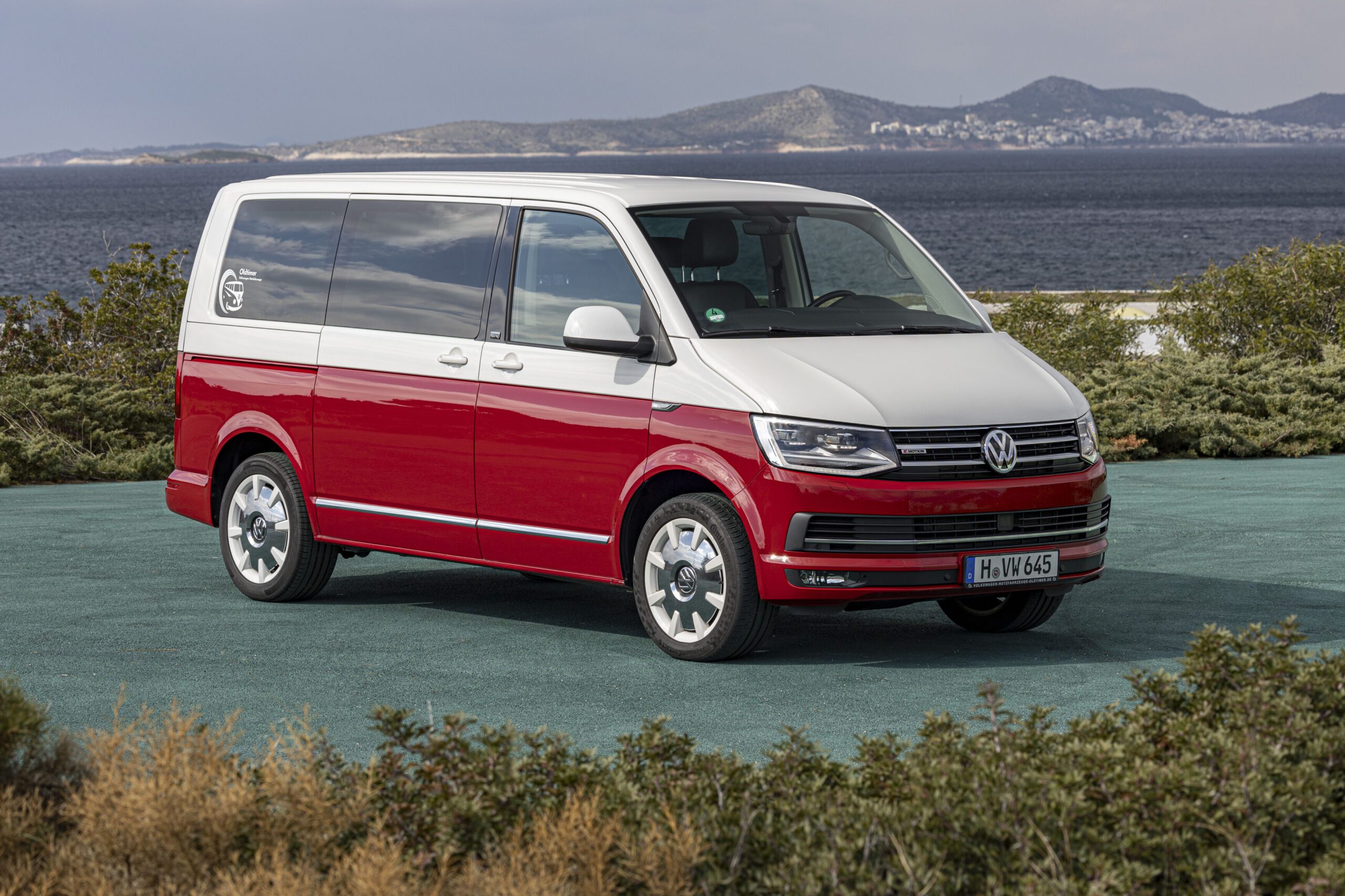
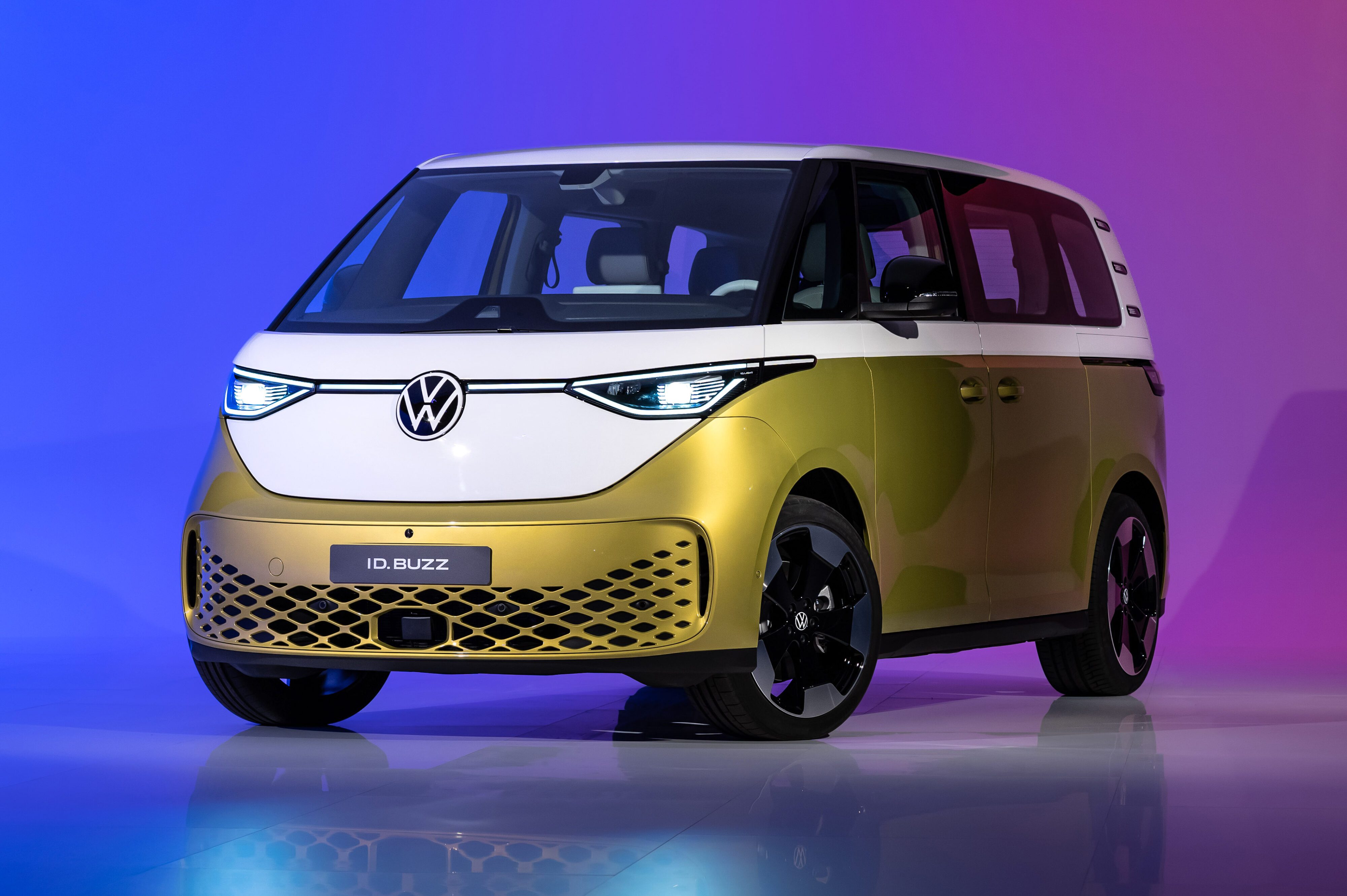
Fast forward to today, the VW Bus reflects its multifaceted legacy through three product lines: the Multivan/California for leisure, the Transporter/Caravelle for utility, and the ID. Buzz lineup to champion the electric era. Launched in 2022, the ID. Buzz proudly carries the torch of innovation, featuring large-scale production of an all-electric bus, while staying true to the DNA of its adaptable predecessor, the T1.
Much like The Beatles and Elvis Presley transcended music, the VW Bus transcended generations, transforming from a mere transporter into a symbol of culture, design, and ingenuity. Whether cruising through the haze of the ’60s, hauling tradespeople’s tools, or adapting to the plug-in hybrid and EV era, the VW Bus isn’t just a vehicle—it’s a legend on wheels that epitomises human adaptability and creativity. Here’s to the next 75 years of redefining the road!