Buying a used car is a rite of passage. There’s the thrill of the hunt, the satisfaction of finding that perfect model at a great price, and the dream of the open road ahead. But beneath that gleaming paintwork and freshly vacuumed interior, a dirty secret could be lurking, ready to turn your dream machine into a financial nightmare. New data reveals that a staggering number of used cars may be hiding a fraudulent past, specifically when it comes to their mileage.
A comprehensive new study has pulled back the curtain on this shady practice, and the findings are unsettling. According to leading vehicle diagnostics platform Carly, more than one in every seven used cars in the UK shows signs of tampering or fraud. Imagine that, for every seven cars you see on a used lot or a private listing, one could have had its odometer illegally wound back or its identity manipulated. It’s a sobering thought for anyone navigating the second-hand market.

The Scale of the Scam
The data isn’t just a hunch; it’s based on a massive sample. Carly analysed over 2.5 million diagnostic sessions from more than half a million UK users between January and September 2025. The results showed that 16.25% of vehicles checked displayed clear evidence of mileage fraud or discrepancies with their Vehicle Identification Number (VIN).
This practice, often called “clocking,” is designed to do one thing: deceive the buyer. “Mileage tampering can make a car appear newer and more valuable than it really is,” explains Dali Ati, Head of Internationalisation at Carly. A car with 50,000 km on the clock is far more appealing and commands a higher price than the same car with 150,000 km. The problem is, while the number on the dash is lower, the wear and tear on the engine, transmission, suspension, and other critical components remains dangerously high.
This isn’t a problem confined to a few dodgy dealers in major cities. Carly’s data shows that odometer tampering is a nationwide issue, with buyers in quieter regions just as likely to stumble upon a clocked vehicle as those in high-volume urban markets.
More Than Just Numbers on a Dial
The consequences of buying a clocked car go far beyond simply overpaying. That low-mileage bargain could be a ticking time bomb of mechanical failures. Components that are designed to be inspected or replaced at certain mileage intervals are overlooked, leading to unexpected and costly breakdowns. An engine that seems healthy could be on the verge of major failure, and a gearbox that feels smooth could be hiding years of untracked abuse. In the worst-case scenario, the failure of a worn-out component could compromise the vehicle’s safety.
So, how do you protect yourself? In the past, buyers relied on service history books (which can be faked) and a visual inspection. But modern fraudsters are sophisticated, and modern cars are complex computers on wheels. The only way to fight back is with technology.
Fighting Back with Digital Forensics
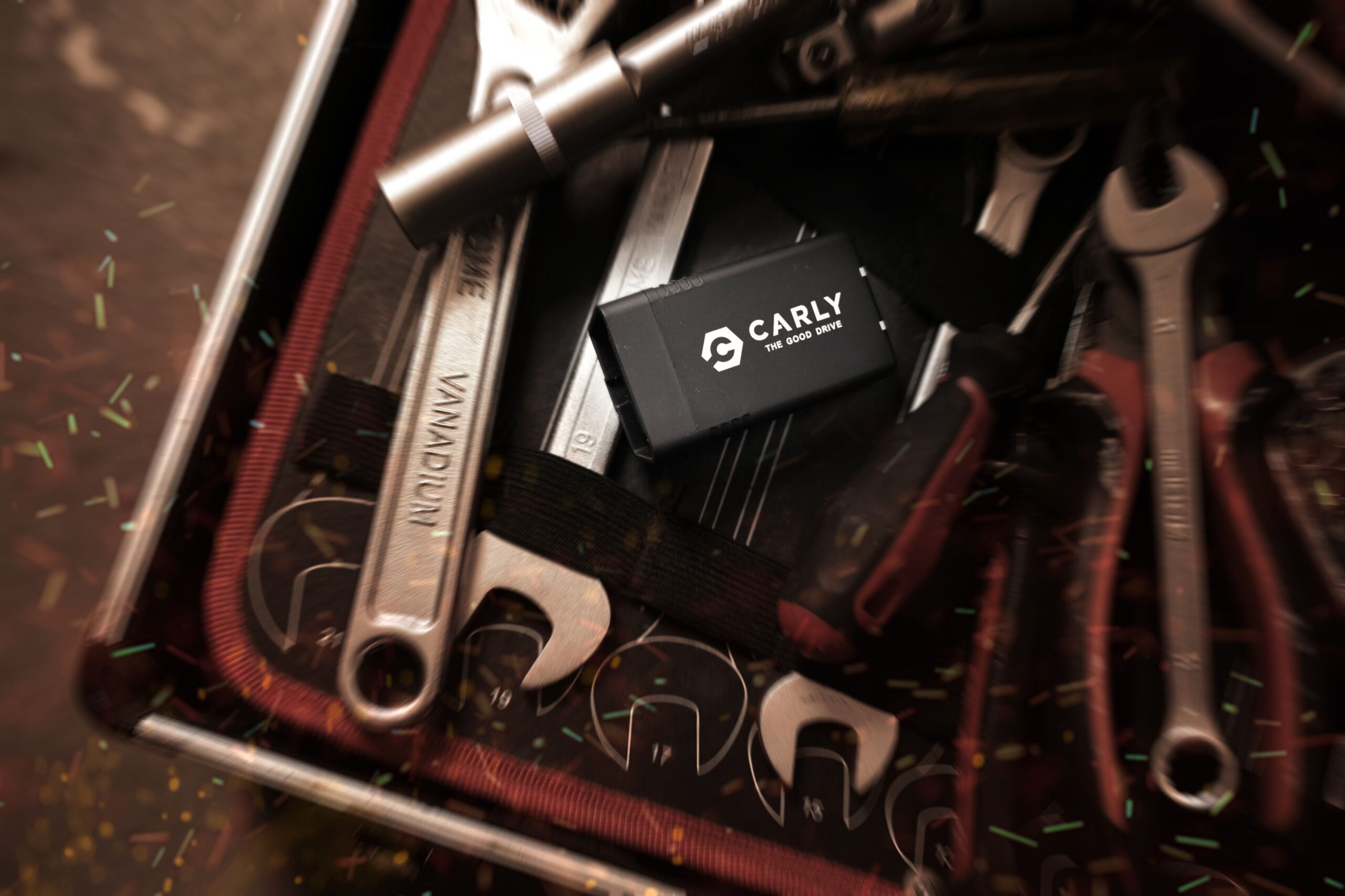
This is where companies like Carly come in. They’ve developed simple, plug-and-play diagnostic scanners that give the average car buyer the power of a forensic investigator. These devices connect to the vehicle’s On-Board Diagnostics (OBD) port, an access point used by mechanics to read vehicle data, which is standard on almost all cars built since the mid-1990s.
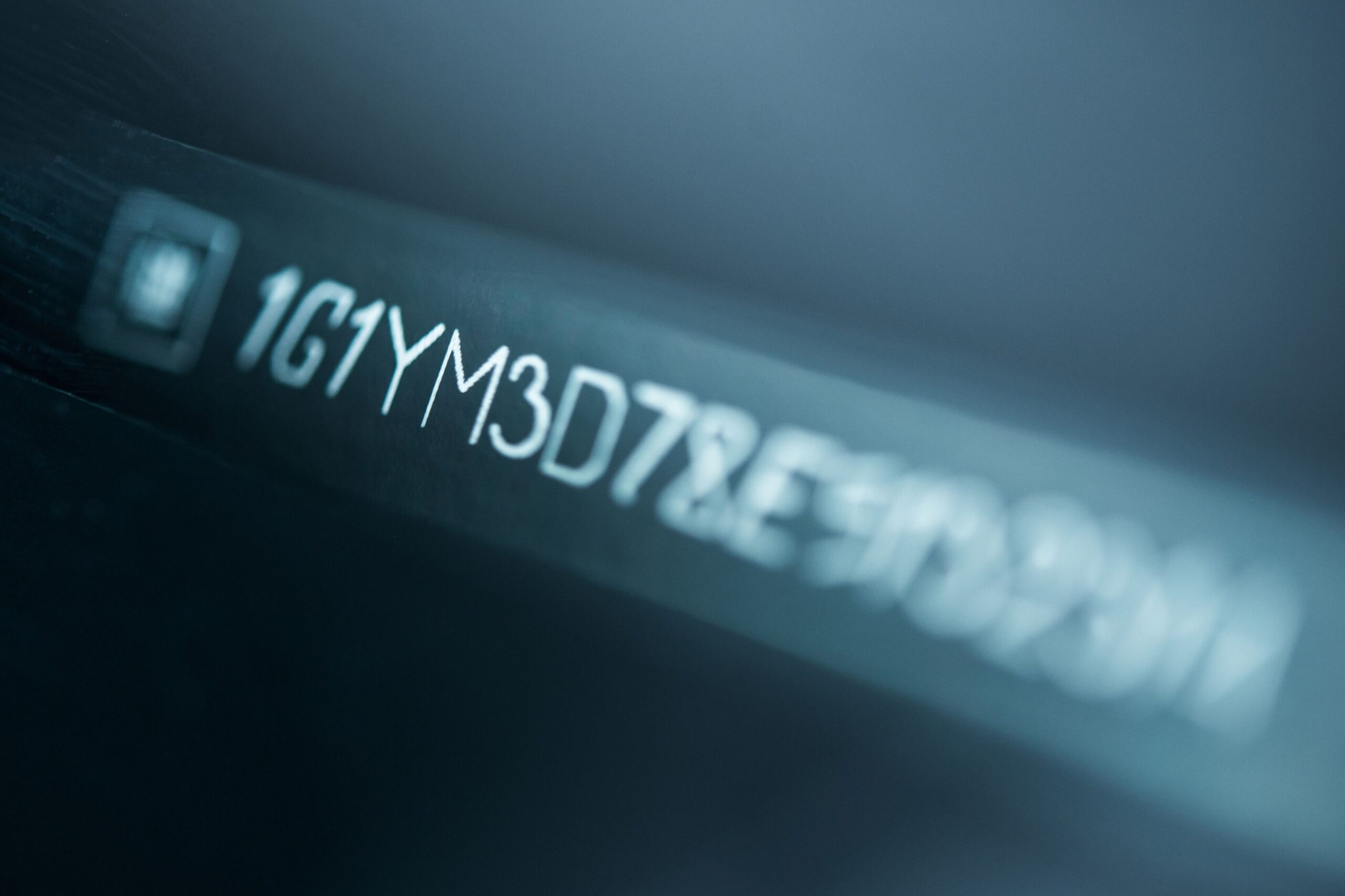
Once connected, a tool like the Carly Used Car Check doesn’t just read the mileage from the dashboard. It intelligently queries the various electronic control units (ECUs) scattered throughout the vehicle. Many of these modules, from the engine and transmission controllers to the ABS system, also record the vehicle’s mileage independently. A scammer might change the main odometer, but they often neglect to alter the reading in all these hidden locations. Carly’s system compares the mileage across these different units, instantly flagging inconsistencies that point directly to a rollback. It also checks for VIN mismatches, which can indicate a stolen vehicle or one that’s been pieced together from wrecks.

Tarmac Life – An Affordable Shield Against Fraud
The best part is that this powerful technology is surprisingly affordable. “The scanner costs as little as £41, and these checks can save buyers thousands,” Ati states. Considering the company was founded after its owner, Parvis Avini, faced an £8,000 repair bill for a fault he ultimately fixed himself for just £80, the philosophy of empowering drivers is clear. A small investment upfront can provide invaluable peace of mind and protection against catastrophic repair bills down the line.
With economic uncertainty and the high price of new cars driving more people into the used market, the incentive for fraud is higher than ever. Carly is urging all buyers to perform a digital check before committing to a purchase, especially when dealing with private sellers or smaller dealerships where oversight may be limited. A quick scan takes only minutes and should become as essential a part of your pre-purchase checklist as taking a test drive and checking the tyres. Don’t let your dream car turn into a lemon—get smart, get scanning, and buy with confidence.