Infrared (IR) technology is making significant strides in the automotive industry, offering enhanced safety and advanced features for drivers and passengers alike. As vehicles embrace modern driver assistance systems (ADAS), in-cabin sensing, and driver monitoring systems (DMS), IR cameras are becoming indispensable tools. The latest report from IDTechEx, “Infrared (IR) Cameras for Automotive 2025-2035: Technologies, Opportunities, Forecasts,” delves into the innovations and opportunities within this growing market.
An Evolution in Driver Assistance – IR sensors—categorised into near-infrared (NIR), short-wave infrared (SWIR), and long-wave infrared (LWIR)—bring unique capabilities to the table. NIR cameras primarily support in-cabin sensing, monitoring driver attentiveness, detecting drowsiness, phone use, and even seatbelt compliance. These systems use illuminators, such as LEDs, which emit light captured and converted to greyscale images similar to visible light. NIR promises to become a standard feature in both autonomous and traditional vehicles, making night driving safer and ensuring occupant vigilance.
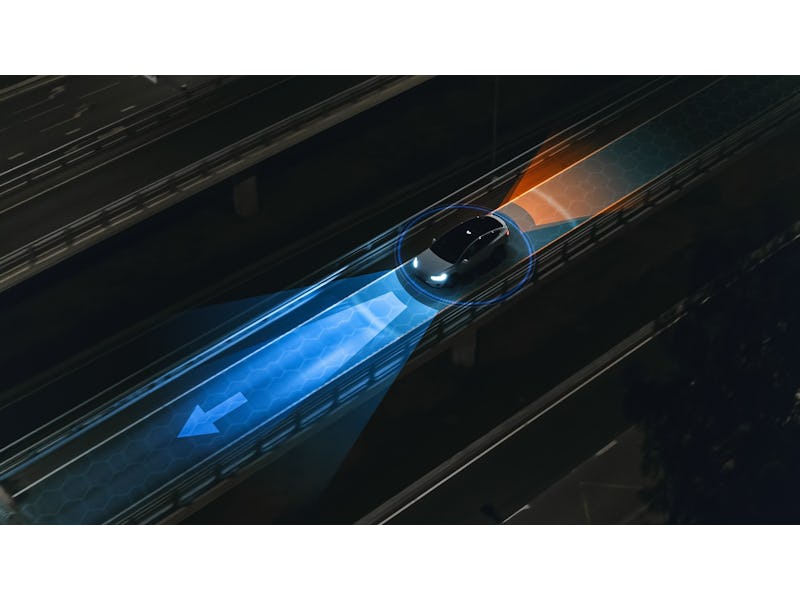
SWIR, on the other hand, excels in night visibility and low-light conditions, such as fog and mist. Its enhanced detection abilities can identify hazardous road conditions, like black ice or wet surfaces, that aren’t visible to the naked eye. This makes SWIR a critical component for enhanced object recognition and collision avoidance systems.
Meanwhile, LWIR operates passively by detecting body heat, making it ideal for recognizing pedestrians and animals in the vehicle’s path, especially in poor visibility. Already available in higher-end vehicles as an ADAS add-on, LWIR is expected to see broader adoption as safety regulations intensify. Its potential for integration into automatic emergency braking systems signals a strong future for this technology.
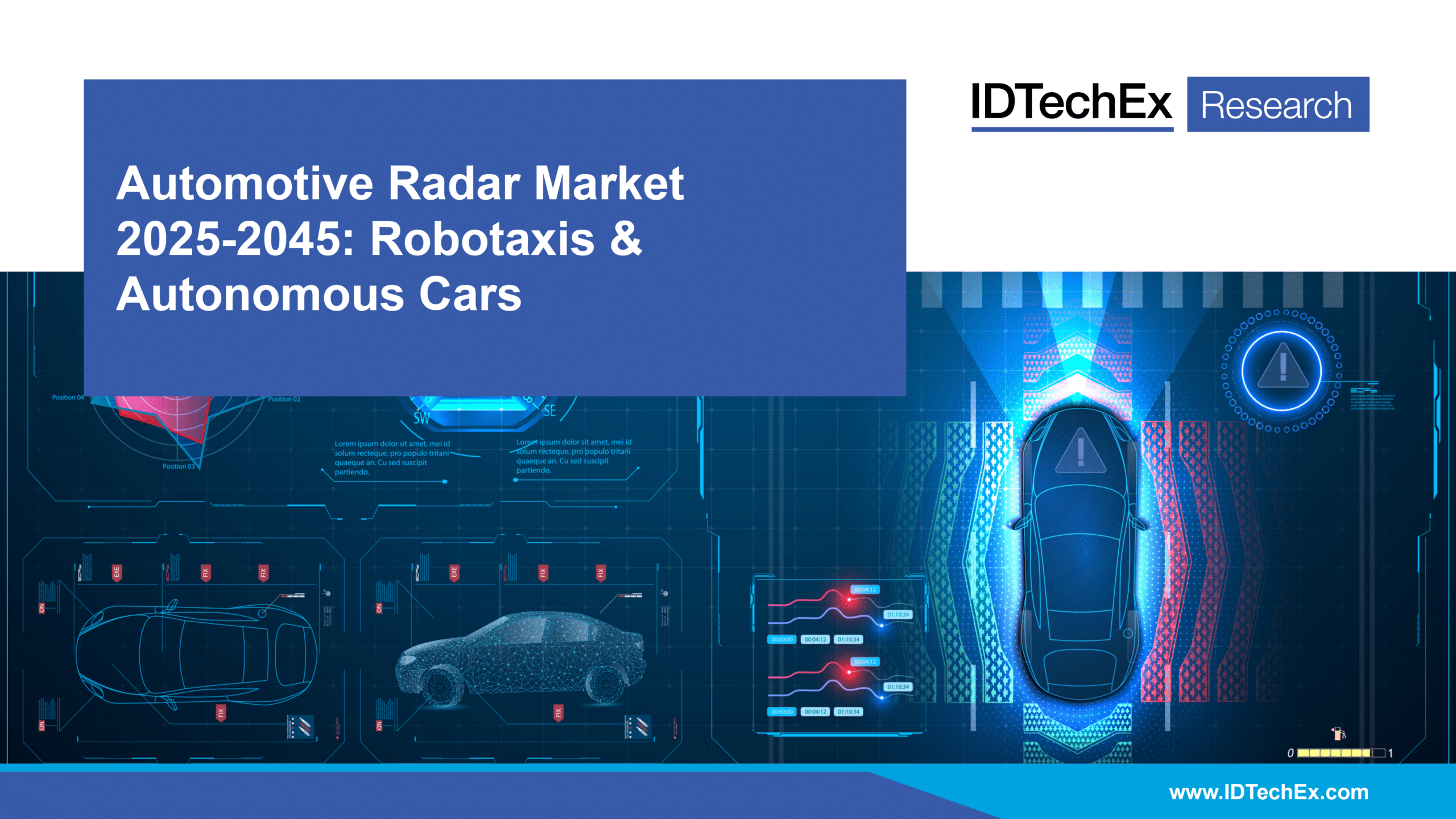
Overcoming Challenges – Despite their advantages, IR sensors face hurdles. Longer wavelengths can result in reduced image resolution and dynamic range. Additionally, established alternatives like LiDAR and radar offer reliable performance for distance and velocity measurement even in adverse conditions, creating stiff competition. However, a growing trend toward sensor fusion—combining IR sensors with traditional imaging and radar—can enhance overall performance. Recent cost reductions in SWIR technology, for instance, are encouraging automotive OEMs to consider its implementation.
The Road Ahead – Infrared technology offers distinct benefits, particularly in improving vehicle autonomy and safety under challenging conditions. Its adaptability and ability to complement existing systems make it an appealing choice for the automotive sector. As advancements in cost-efficiency and functionality continue, it’s clear that IR sensors will play an increasingly critical role in improving the vehicles of tomorrow.