Because Why Not Drive a Science Experiment Up a Mountain?
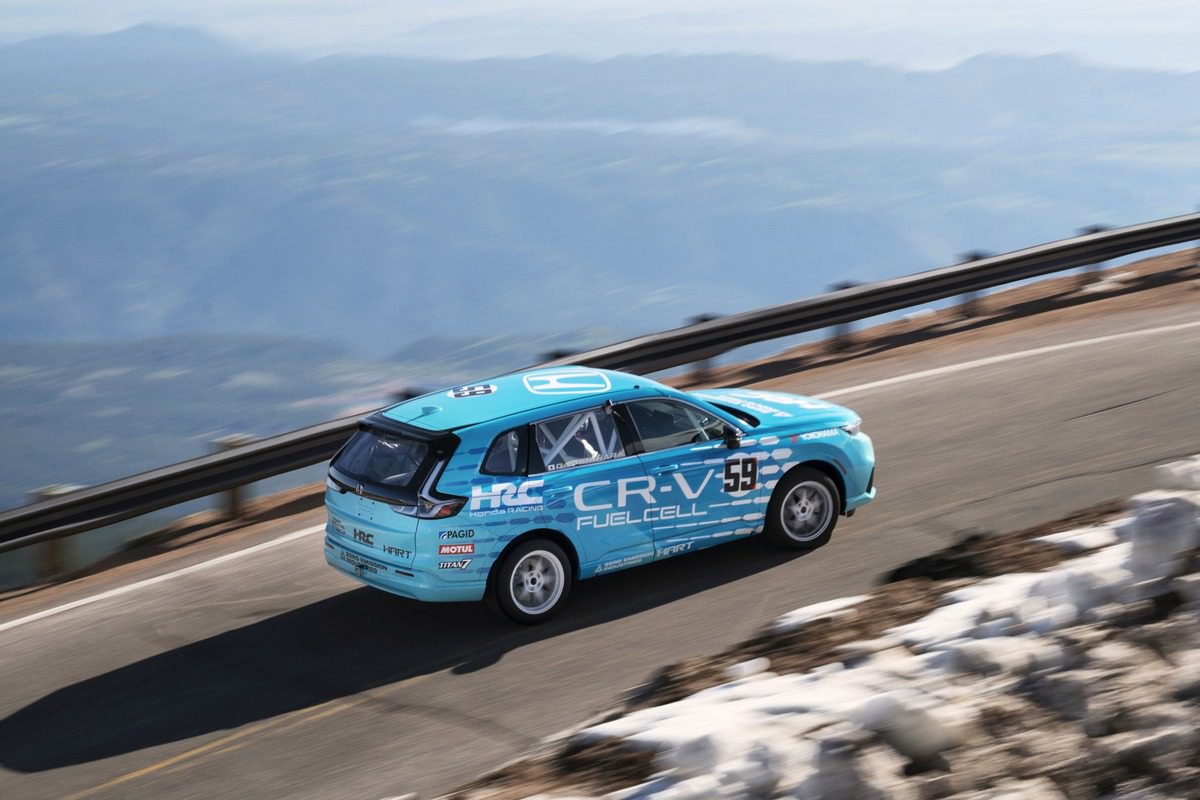
Honda is about to do something wonderfully bonkers. They’re sending their 2025 CR-V e:FCEV – a hydrogen fuel cell electric vehicle, no less – to tackle the legendary Pikes Peak International Hill Climb . That’s right, the family-friendly CUV, known more for soccer practice runs than screaming up a 14,115-foot mountain, is set to become the first-ever hydrogen-powered chariot to brave the “Race to the Clouds” on June 22nd . And frankly, we’re here for the sheer audacity of it.
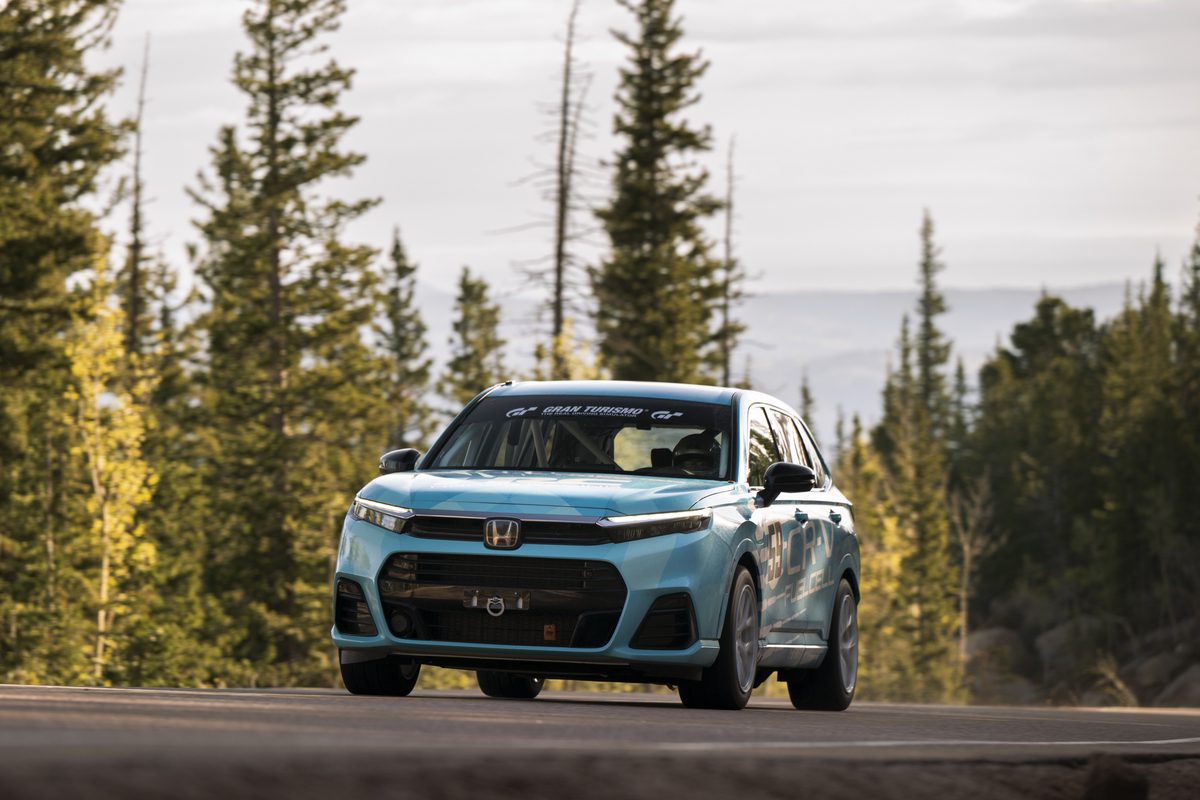
This isn’t just any CR-V, mind you. While its zero-emissions powertrain – featuring Honda’s second-generation fuel cell system, a 17.7 kWh battery pack, and two high-pressure hydrogen tanks – remains gloriously untouched from its production version, the vehicle has been prepped for its high-altitude ballet by the wizards at Honda Racing Corporation USA (HRC US), Honda of America Race Team (HART), and Honda R&D Japan. Think of it as a very polite CUV that’s been given a gym membership and a pep talk from a rally champion.
Piloting this H₂-powered hero in the Exhibition Class will be Dai Yoshihara, a man who knows a thing or two about going sideways and uphill very fast, being a Pikes Peak class-winner and a two-time Formula Drift champion . The CR-V e:FCEV itself is a bit of a star, hand-built at the Honda Performance Manufacturing Center (PMC) in Marysville, Ohio, making it the only fuel cell electric passenger vehicle currently made in America . It’s also the first to cleverly pair hydrogen fuel cell tech with plug-in hybrid capability, offering a 270-mile EPA driving range with up to 29 miles of pure EV joy for those less mountainous errands .

For its Pikes Peak adventure, the modifications are surprisingly subtle, like putting a tuxedo on a very capable badger. The suspension has been lowered by a modest inch, racing brake pads have been fitted (a sensible choice when facing 156 turns), and it sports lightweight 18-inch wheels shod in Yokohama Advan A052 tires. Inside, it’s all business with a racing seat and a safety cage, custom-fabricated by Honda engineers.
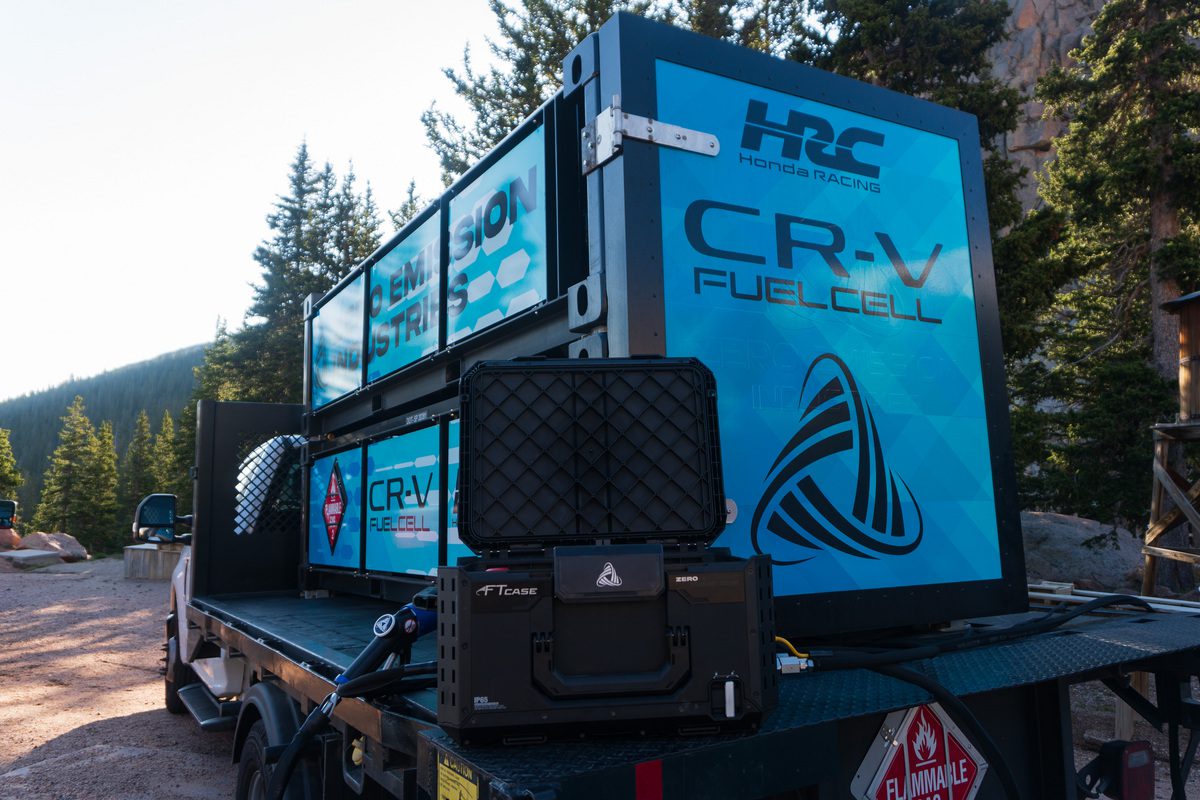
One of the coolest, and frankly most crucial, pieces of this eco-friendly puzzle is the hydrogen fueling. Forget giant, cumbersome tankers. Zero Emission Industries (ZEI) will be providing the go-juice with their new FTcase, a portable hydrogen refueling solution “barely larger than carry-on luggage”. This nifty device can transform any gaseous hydrogen supply into a complete fueling station, operable by a single person without needing a PhD in hydrogenology . So, refueling on a mountainside? Apparently, it’s a bring-your-own-hydrogen-lunchbox kind of affair now.
Honda isn’t new to sending zero-emission vehicles up this particular Colorado peak. They’ve been at it since 1994, winning the EV class multiple times with vehicles like an EV-converted Civic wagon, an EV Plus, and an all-electric Fit. They even sent a four-motor EV CR-Z concept that nearly broke the 9-minute barrier in 2016. This hydrogen endeavor, however, adds a new, gassy feather to their eco-cap.
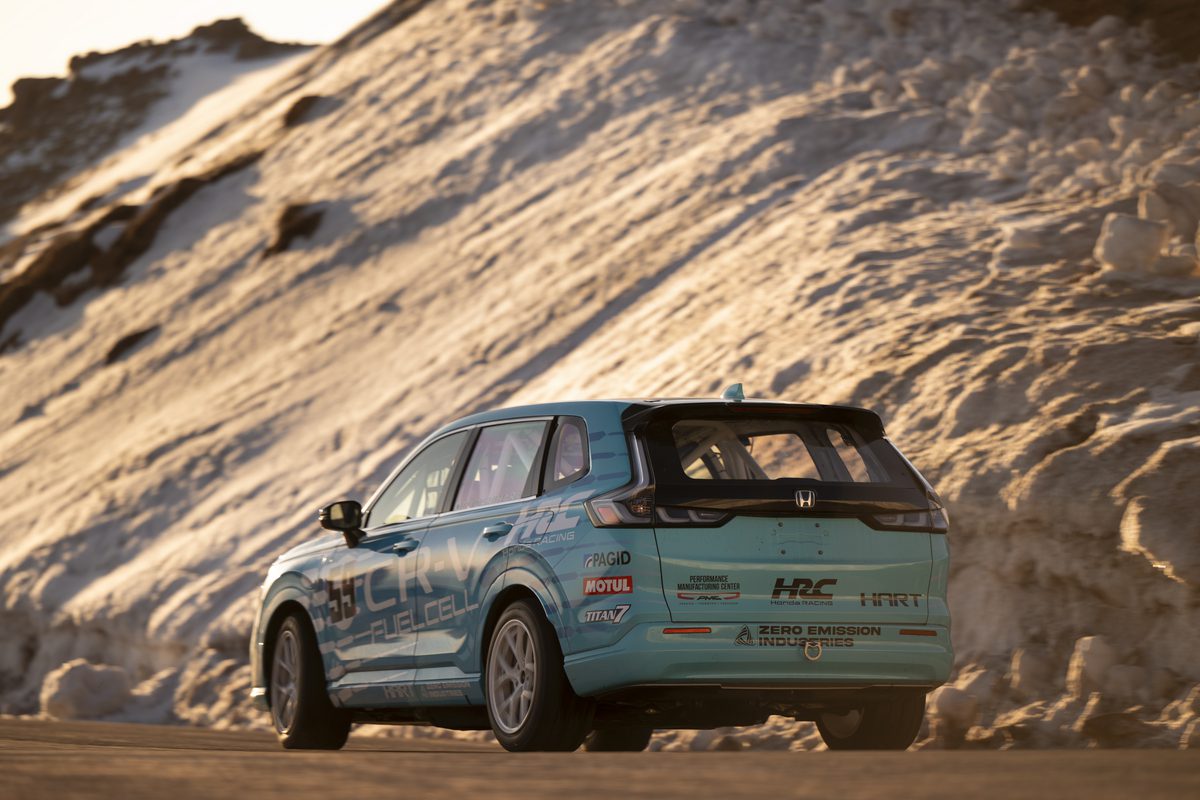
So, as the CR-V e:FCEV prepares to silently whoosh its way up the 12.42-mile course, remember this: it’s not just a race, it’s a statement. A statement that the future of performance can be clean, that a vehicle designed for efficiency can still dance with danger, and that sometimes, the most exciting innovations come from asking, “Can we race this sensible CUV up a giant mountain using only hydrogen?” Honda’s answer, it seems, is a resounding, water-vapor-emitting “Yes!”