The electric vehicle revolution is well and truly upon us. We love the instant torque, the silent running, and the smug feeling of cruising past a petrol station. But a nagging question has always hovered in the background like a faint range anxiety: what happens when the batteries die? On October 28, 2025, BMW Group Australia provided a powerful answer, partnering with local trailblazer EcoBatt to launch a comprehensive new EV battery recycling program. It’s a move that doesn’t just clean up the end-of-life process but aims to create a genuine circular economy for the critical materials that power our electric future.
For years, the end-of-life conundrum for high-voltage lithium-ion batteries has been the elephant in the garage. These complex power packs are full of valuable, finite resources, but also potentially hazardous materials that have no place in landfill. Without a robust recycling solution, the green credentials of EVs could be tarnished. This is where the partnership between a premium automotive giant and Australia’s foremost battery recycler, EcoBatt, becomes so critical. It’s about taking responsibility for the entire lifecycle of the vehicle, a core tenet of BMW’s long-term corporate strategy.

The EcoBatt Solution: Shred, Separate, and Supply
At the heart of this announcement is EcoBatt’s brand-new, cutting-edge Lithium Battery and Battery-in-Devices Shredding (BIDS) Plant, unveiled at its headquarters in Campbellfield, Victoria. This isn’t just a basic dismantling operation. The new facility uses advanced shredding and separation technology to methodically recover an impressive 90 per cent of the materials from a spent EV battery, including metals and plastics, for reuse.
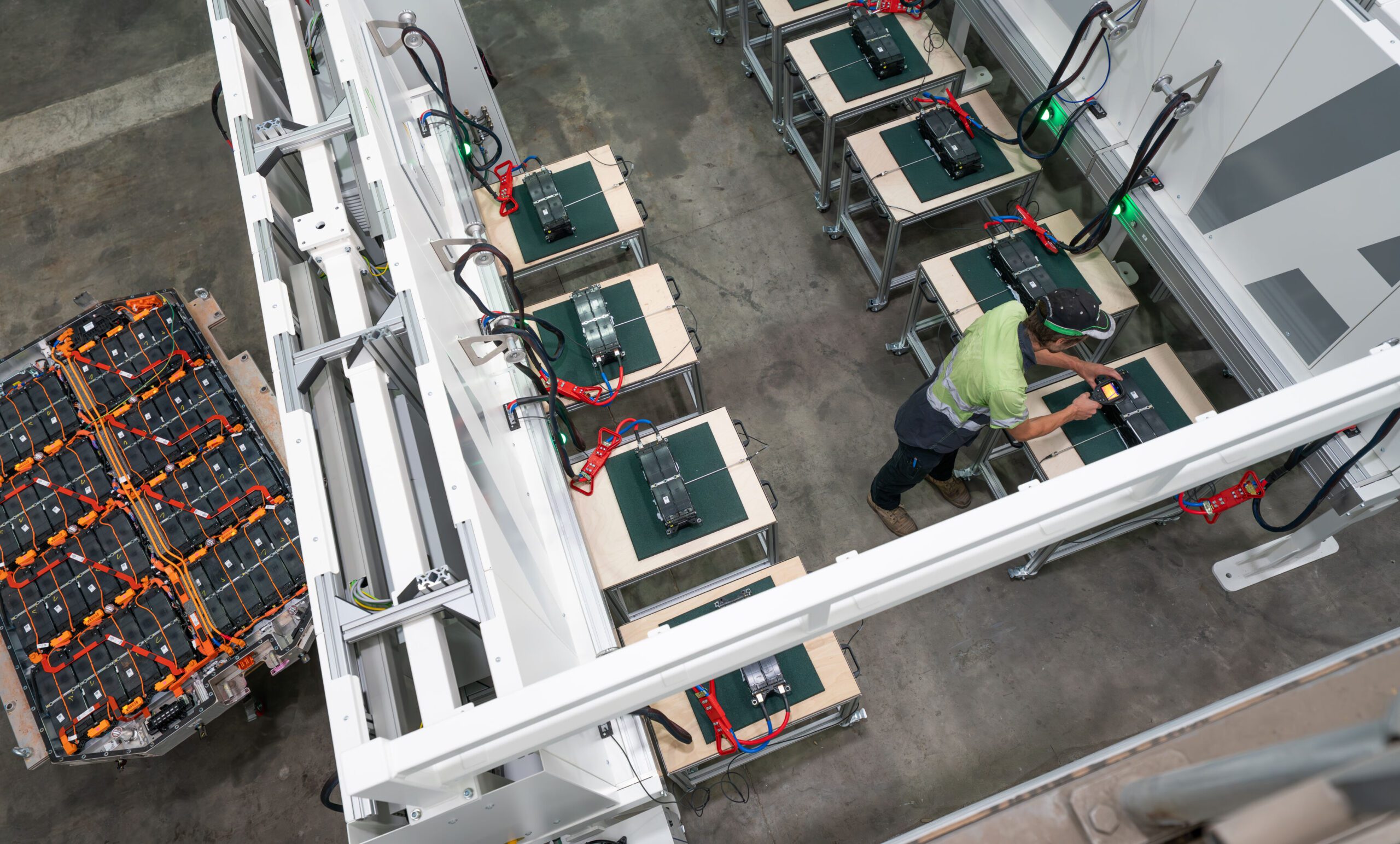
With an initial capacity to process up to 5,000 tonnes of batteries annually, the Campbellfield plant is just the beginning. EcoBatt has already planned further BIDS facilities for Western Australia and New Zealand, creating a regional network to handle the growing volume of end-of-life EV and hybrid batteries.
The process for a defunct BMW or MINI battery is a model of industrial efficiency and safety.
- Collection and Discharge: It all starts at the national BMW Group dealer network, where damaged or end-of-life batteries are recovered from customer vehicles. They are then transported to EcoBatt’s Battery Discharge Plant in Campbellfield. Here, the first crucial step is to safely drain any residual energy to eliminate thermal risks. True to the circular economy ethos, this captured energy is then reused to help power the facility’s own operations, minimising the carbon footprint of the recycling process itself.
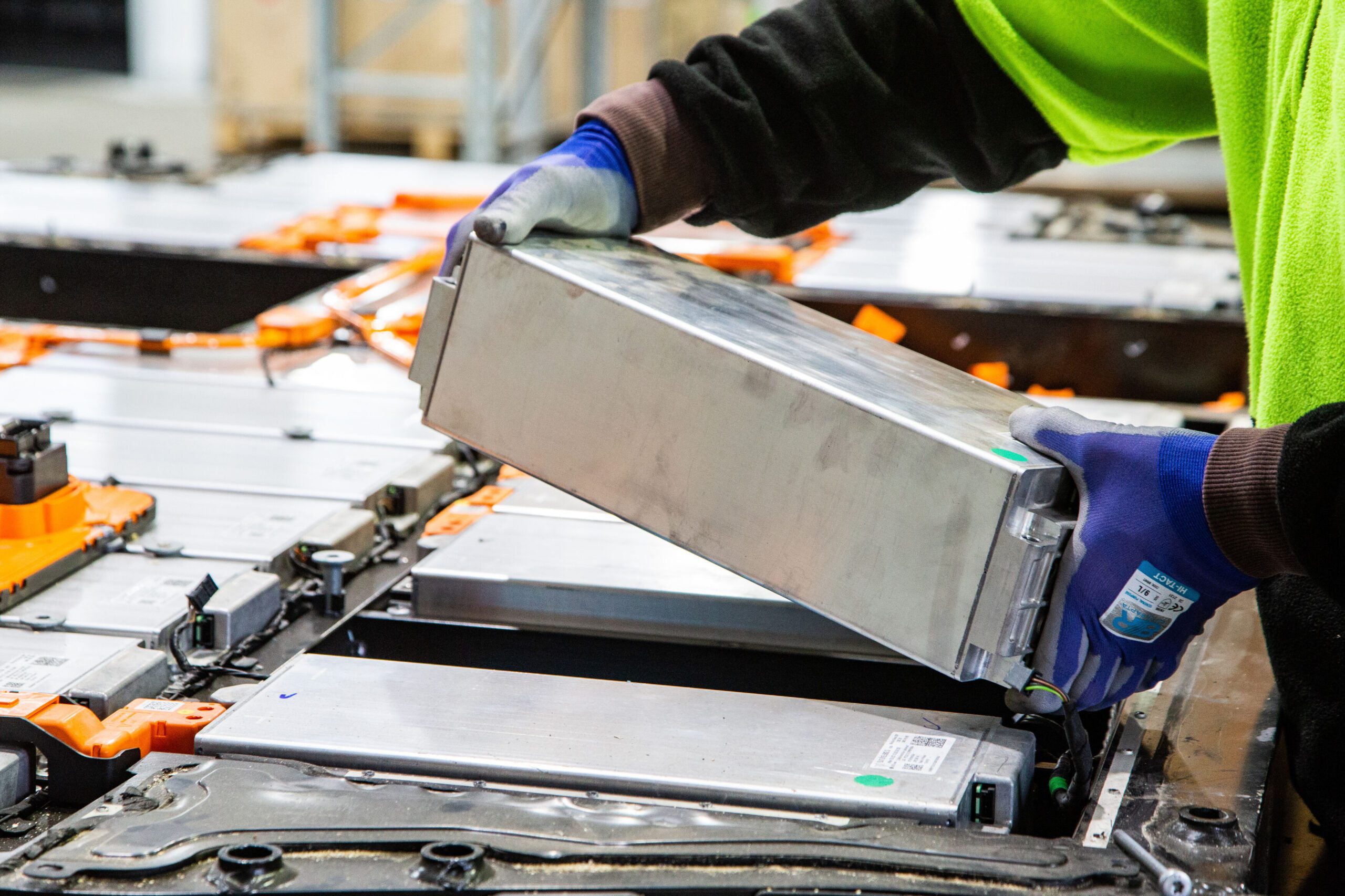
- Shredding and Separation: Once inert, the batteries are moved to the BIDS plant for mechanical shredding. This process allows for a highly efficient separation of the battery’s components—casings, plastics, and various metals are all sorted for their own recycling streams.
- Creating ‘Black Mass’: The most valuable output of this process is a substance known as “black mass.” This unassuming-looking powder is a rich cocktail of the most critical elements in battery production: lithium, cobalt, nickel, manganese, and graphite.
- Closing the Loop: This black mass is the key to it all. It is supplied to specialised downstream refiners who extract the minerals and elements. These recovered raw materials are then returned to manufacturing supply chains to produce brand new high-voltage batteries. This is the circular economy in action—turning old into new and dramatically reducing the need for new mining.
A Global Vision, A Local Reality
While this is a landmark announcement for Australia, it’s fully aligned with the BMW Group’s global sustainability efforts. This isn’t a token gesture; it’s part of a worldwide strategy. In Germany, the company has operated its own Recycling and Dismantling Centre (RDC) for three decades and holds a long-term partnership with technology lifecycle provider SK tes to recover cobalt, nickel, and lithium. This Australian collaboration with EcoBatt brings that same level of commitment and technological prowess Down Under.

For current and future owners of a BMW or MINI EV, this partnership offers something invaluable: peace of mind. It’s the assurance that the premium vehicle they’re driving is backed by a company genuinely invested in minimising its environmental impact from cradle to grave. As the roads fill with more electric cars, knowing that forward-thinking companies like BMW and EcoBatt are tackling the battery challenge head-on ensures that the future of driving isn’t just electric, but also sustainable.