Renault is leaving the World Endurance Championship and selling its historic Viry-Châtillon centre, a move that has drawn sharp criticism from staff.
Alpine’s final World Endurance Championship season ended with a podium, yet Renault is leaving the series anyway. The group is closing its Alpine programme in the Hypercar class and selling the Viry-Châtillon site that long supported its motorsport engineering.
New chief executive François Provost announced the decision. He wants Renault’s sporting resources concentrated on Formula 1. Partner Signatech has no defined programme for 2027, so the WEC exit also leaves that team without a plan for next year.
A podium on the way out
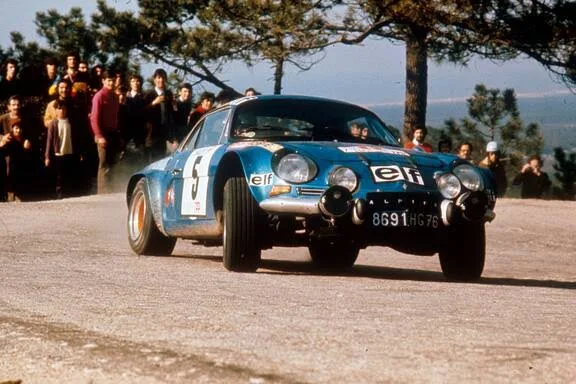
Alpine’s last WEC appearance came at the 6 Hours of Monza, where Jules Gounon and Victor Martins finished second. That result helped the team take fifth place in the manufacturers’ standings with 122 points.
Toyota, BMW, Ferrari and Cadillac finished ahead of Alpine. Peugeot, with 42 points, finished well behind. The figures reflect years of investment and development, but they did not change the company’s plans.
Selling the Viry-Châtillon site
The sale of Viry-Châtillon carries more weight in industrial terms. For decades, engines built there helped Renault win world titles and supplied several Formula 1 teams.
The site’s decline began when Renault stopped developing its own Formula 1 engines at the end of 2025. Other projects followed, including the Dacia programme at the Dakar Rally and development of an Alpine supercar. The workforce shrank to about 150 people.
The site is now being sold to Dumarey, a Belgian group that specialises in automotive components. Dumarey is expected to keep the remaining employees by moving them into other activities.
Staff push back
Workers’ representatives have reacted strongly. The Social and Economic Committee of Alpine Racing described the management’s decisions as incomprehensible. It also criticised the gradual withdrawal from research and development.
The main objection is the reliance on outside partners instead of keeping skills in-house. For employees, the problem goes beyond losing a racing programme. It touches the group’s technical independence.
Where Renault stands now
Renault remains in Formula 1 through Alpine. However, the team does not build its own engines. Alpine’s F1 car is developed and built at Enstone in the United Kingdom and uses Mercedes power units.
The historical contrast is notable. Renault’s engines helped it secure 12 constructors’ world titles, but Mercedes reached 13 in 2026 and has now passed that total. Renault keeps its name in the sport while giving up the engine work that once defined it.