Let’s be honest, EV enthusiasts, or maybe evangelists (those that constantly fill your social feeds with EV’s are superior’ content) wanted the internal combustion engine consigned to automotive history. So no petrol. No diesel. No exhaust fumes. Just batteries, electric motors and a smug little wave as they sailed past a petrol station.
However, fast-forward to 2026, and something rather curious is happening. Some of the loudest advocates of electrification are suddenly embracing cars with… wait for it… petrol engines under the bonnet.
Welcome to the world of PHEVs and Super Hybrids, where electric motoring meets the comforting smell of fossil fuel. But hang on. Isn’t this the very technology the EV revolution was supposed to replace?
Electric Car or Petrol Car in Disguise?
Sure, Plug-in hybrid electric vehicles (PHEVs) are technically EVs because they can be plugged in and driven on electric power alone. But they’re not battery electric vehicles (BEVs). There’s a rather important difference.
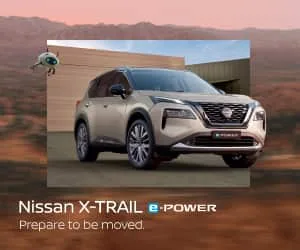
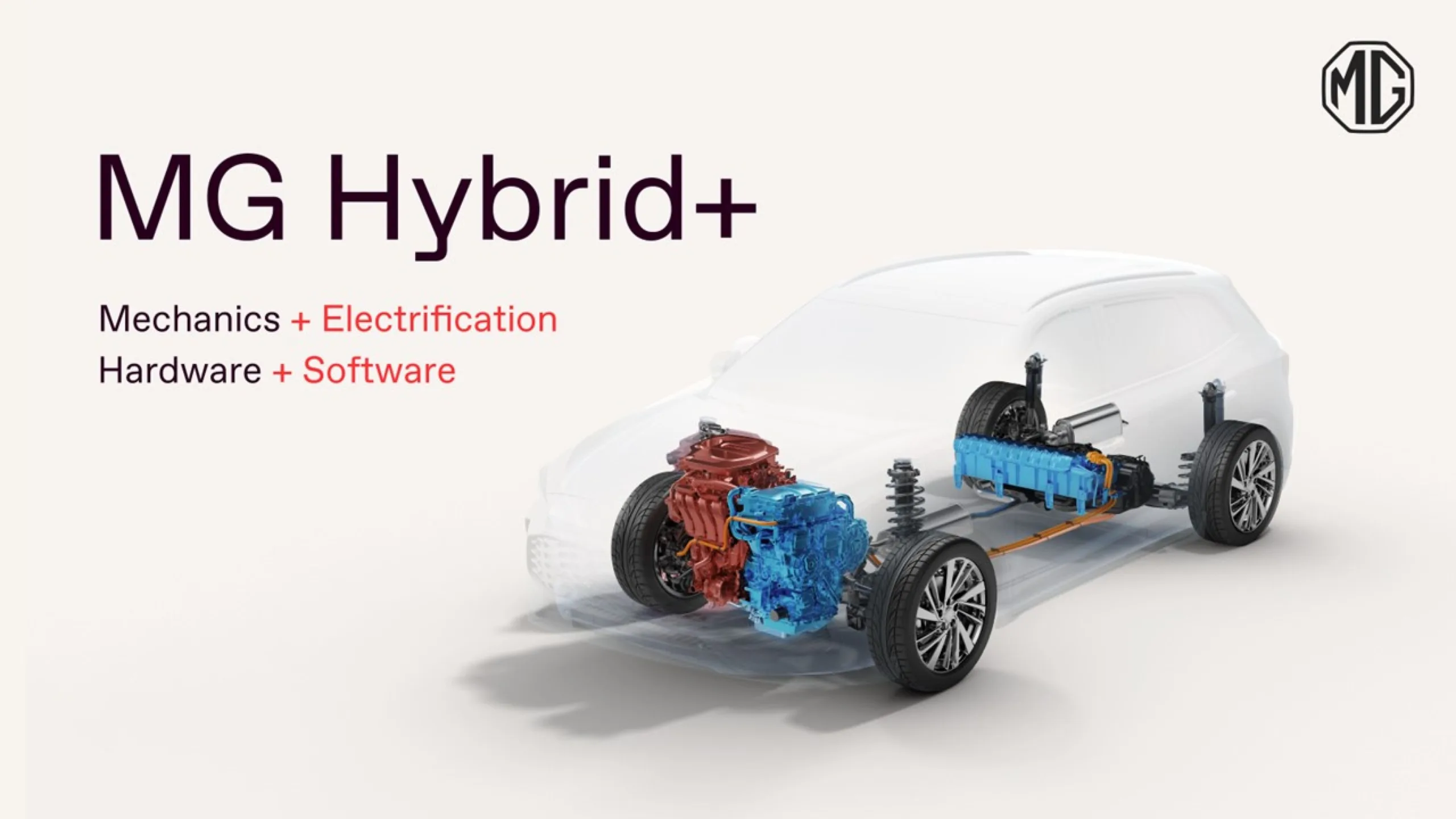
A Tesla Model Y doesn’t need petrol. A Mitsubishi Outlander PHEV can run on electricity, but when its battery runs low, the petrol engine can take over. And Super Hybrids? They’re essentially plug-in hybrids with a shiny new marketing label, although their engineering and capabilities vary between manufacturers.
So why are we lumping them all together? Calling every electrified car an EV is a bit like calling a bicycle and a motorbike the same thing because they both have two wheels. Technically, there’s a connection. Practically, you’re missing the point.
Range Anxiety – The Great Excuse?
The PHEV pitch is irresistible, drive electrically during the week, fill up with petrol for the weekend road trip, and forget about charging anxiety. No charger queues. No range calculations. No frantic search for a working plug somewhere in rural New Zealand. It’s the best of both worlds, right?
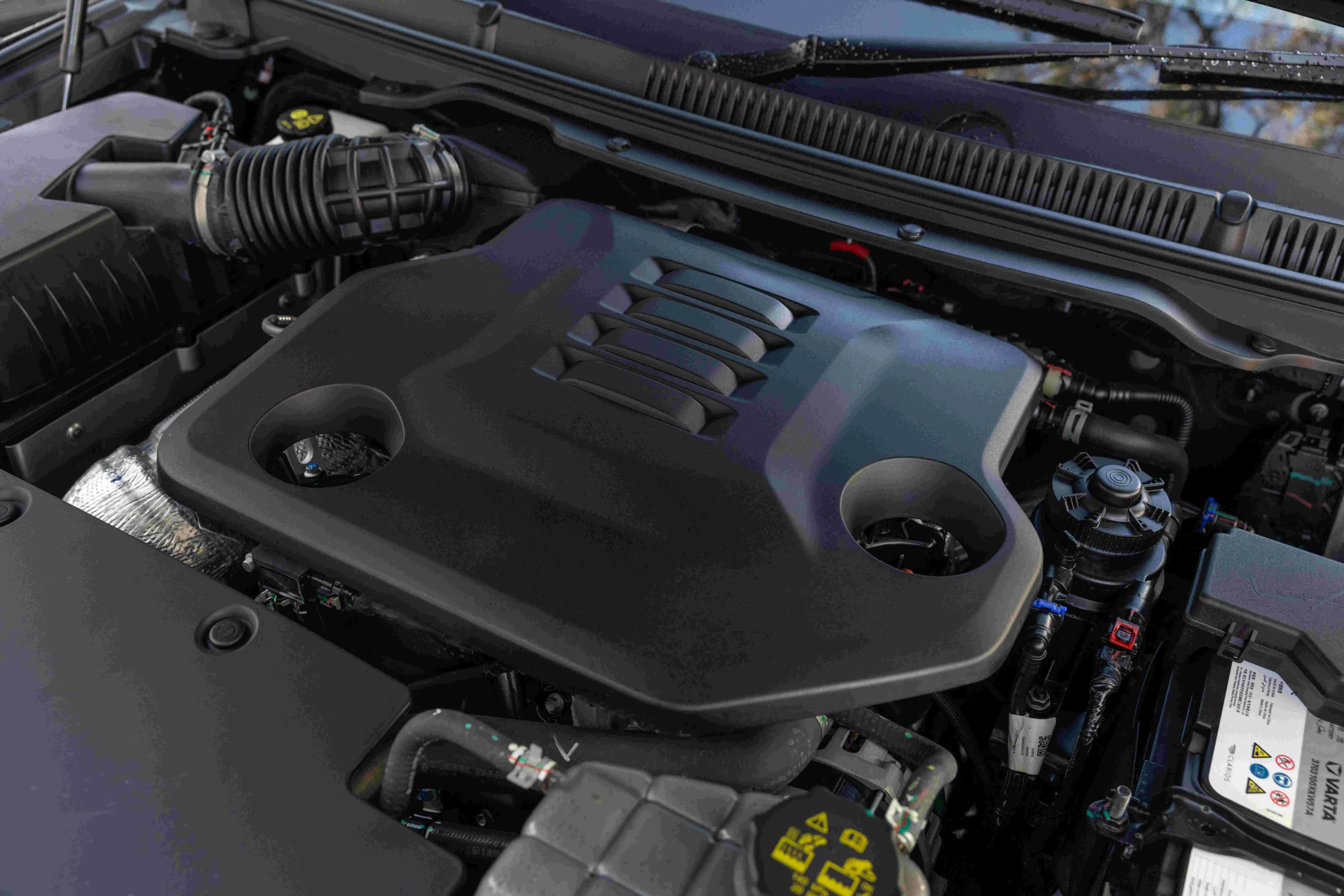
Well, possibly. But isn’t the whole point of going electric to stop burning fossil fuels? If your daily commute fits comfortably within a modern BEV’s range, why carry an engine, fuel tank, exhaust system and all the additional complexity that comes with them?
Of course, not everyone can charge at home, and not every driver has the same needs. A PHEV can be a sensible stepping stone away from a thirsty petrol SUV. But sometimes that reassuring petrol engine isn’t a practical necessity. It’s an emotional support mechanism with 95-octane requirements.
The Dirty Little Secret of PHEVs
Here’s where the argument gets uncomfortable. A PHEV’s environmental credentials depend heavily on whether its owner actually plugs it in. Charge it regularly and complete most journeys electrically? Brilliant. You could slash your petrol consumption.
BUT, never bother with the charging cable and congratulations, you’ve bought a heavier, more complicated vehicle and potentially sacrificed much of the efficiency you paid for.
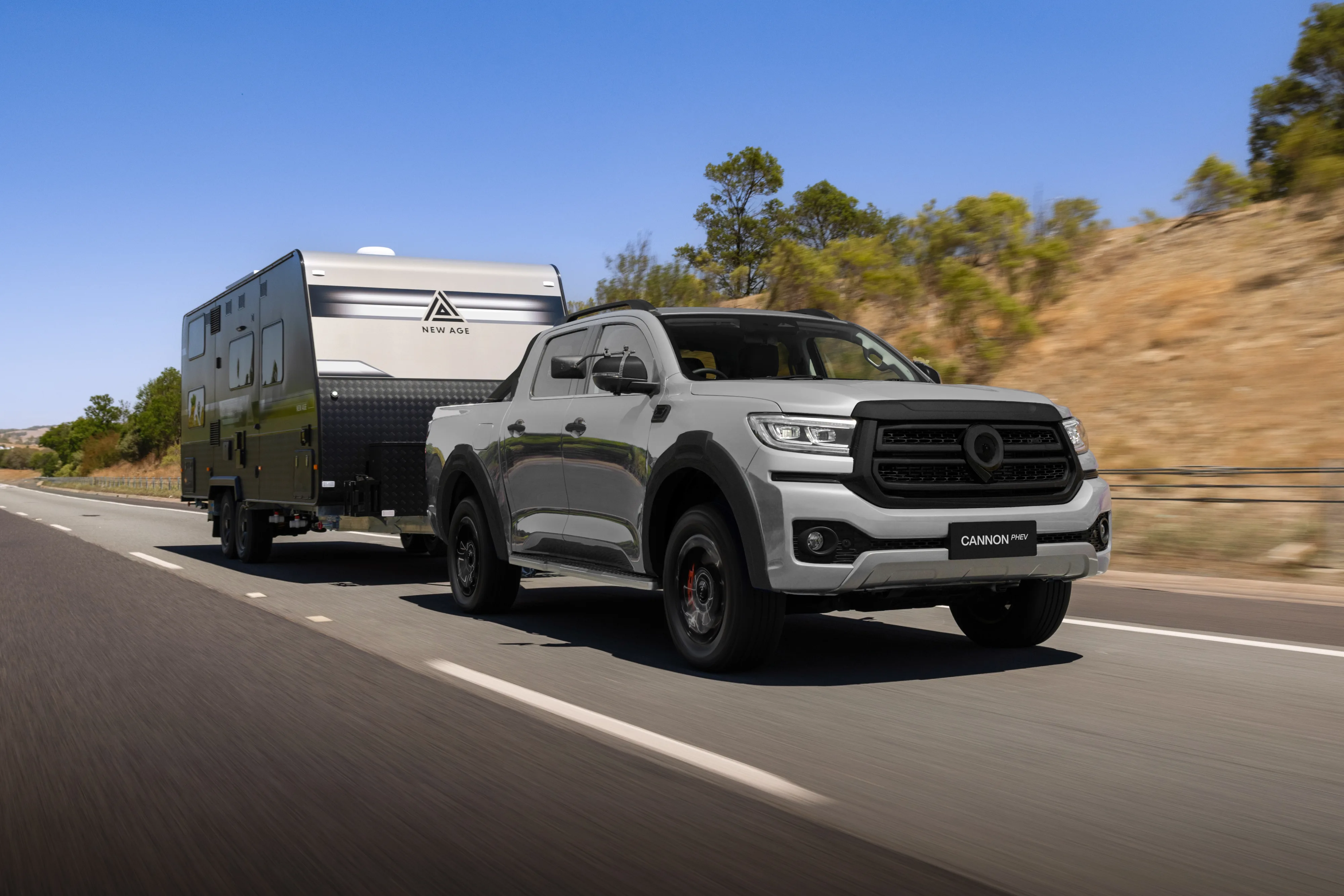
A European analysis published in 2025 found that real-world CO₂ emissions from plug-in hybrids were almost five times their official test figures in 2023. The findings don’t represent every model or New Zealand driving conditions, but they highlight the gap between laboratory promises and real-world behaviour.
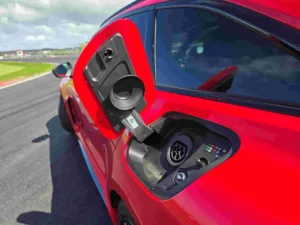
Tarmac Top Tip: The charging cable is not a decorative accessory. Use it.
Have EV Enthusiasts Sold Out?
When it comes to the media, we say probably, but for the rest of humanity ‘Not necessarily’. Perhaps they’ve simply become more pragmatic.
A PHEV that replaces a thirsty petrol SUV and gets charged religiously can deliver genuine benefits. And for drivers regularly travelling long distances through areas with limited charging infrastructure, the flexibility can be genuinely useful.
But there’s a difference between accepting a compromise and pretending there isn’t one. A PHEV still burns petrol. It still produces tailpipe emissions when its engine runs. And it doesn’t magically become zero-emission because the marketing department calls it a Super Hybrid.
The industry seems increasingly determined to make combustion engines acceptable again, provided they’re accompanied by a sufficiently large battery and a sufficiently impressive badge. Clever engineering? Absolutely. A little marketing spin? You bet.

So, Should PHEVs Be Called EVs?
Technically, yes. But we need to stop confusing electrified with all-electric. BEVs run entirely on electricity. PHEVs combine electric driving with an internal combustion engine. Conventional hybrids don’t plug in at all. They’re different technologies, with different strengths and compromises. Buyers deserve to know which is which.
And here’s my slightly provocative take: if you’re an EV advocate who has switched to a PHEV because you want electric driving without giving up petrol, that’s absolutely fine. Just don’t pretend you’ve eliminated the very thing the EV revolution set out to replace.
Perhaps the future isn’t about choosing sides, to me it’s about choosing the right technology for the job. But let’s retire the idea that every car with a charging port is somehow a zero-emission hero. Call it a PHEV. Call it a Super Hybrid, call it a clever compromise, just don’t call it an EV and claim you’re holier than thou.
And for goodness’ sake, if you’ve bought a plug-in hybrid, plug the bloody thing in.