Another Day, Another Automaker Exits Stage Left
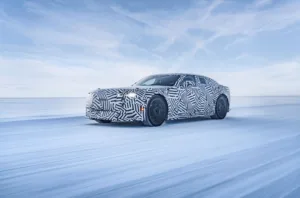
Remember when Polestar was quietly making waves in the American EV market? Well, those days are officially over. The Swedish electric vehicle maker, owned by Chinese automaker Geely, has announced it will no longer sell cars in the US after the Commerce Department banned its sales, and it’s a stark reminder of how quickly the rules of the game can change.
What Happened Here?
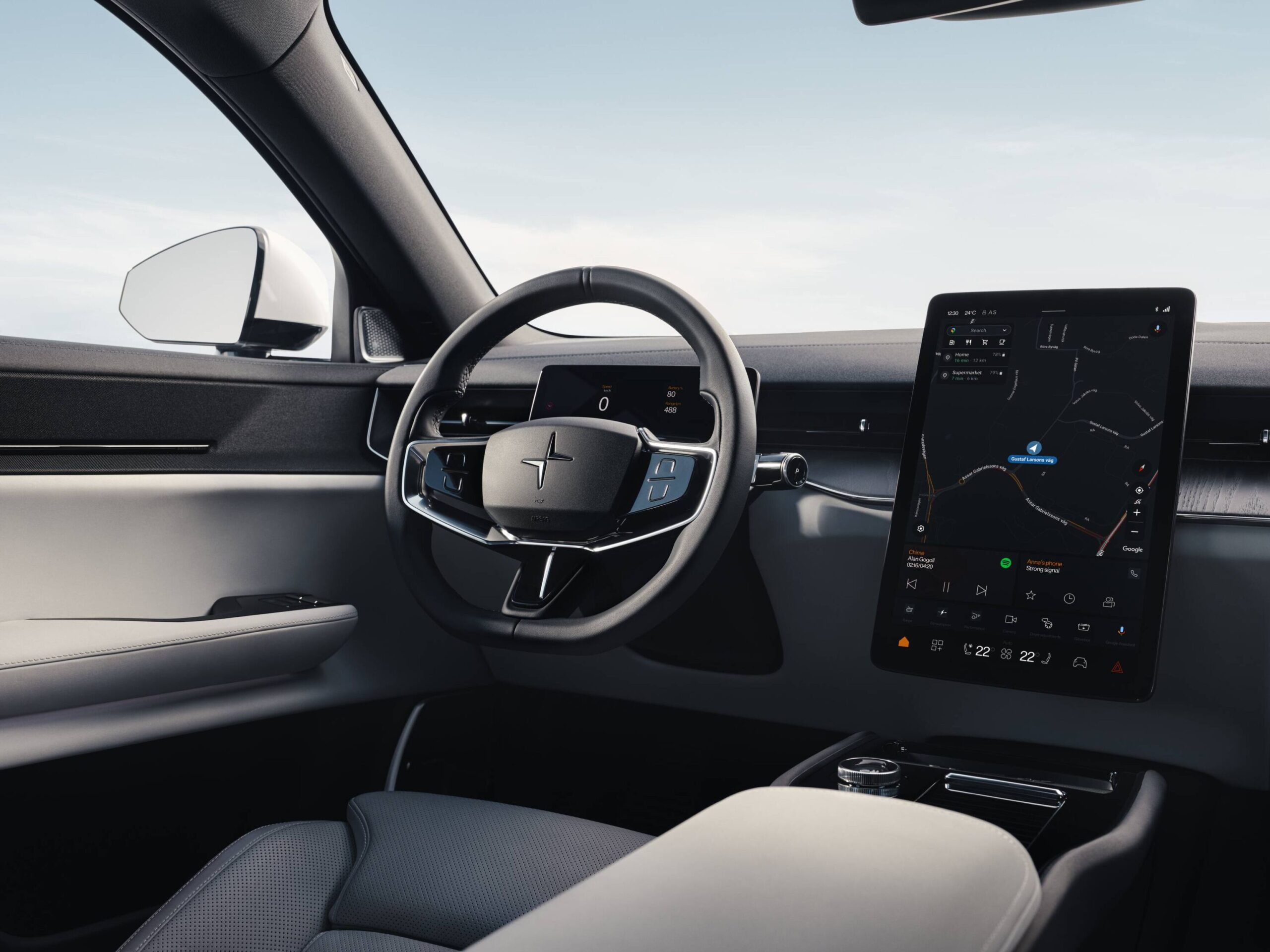
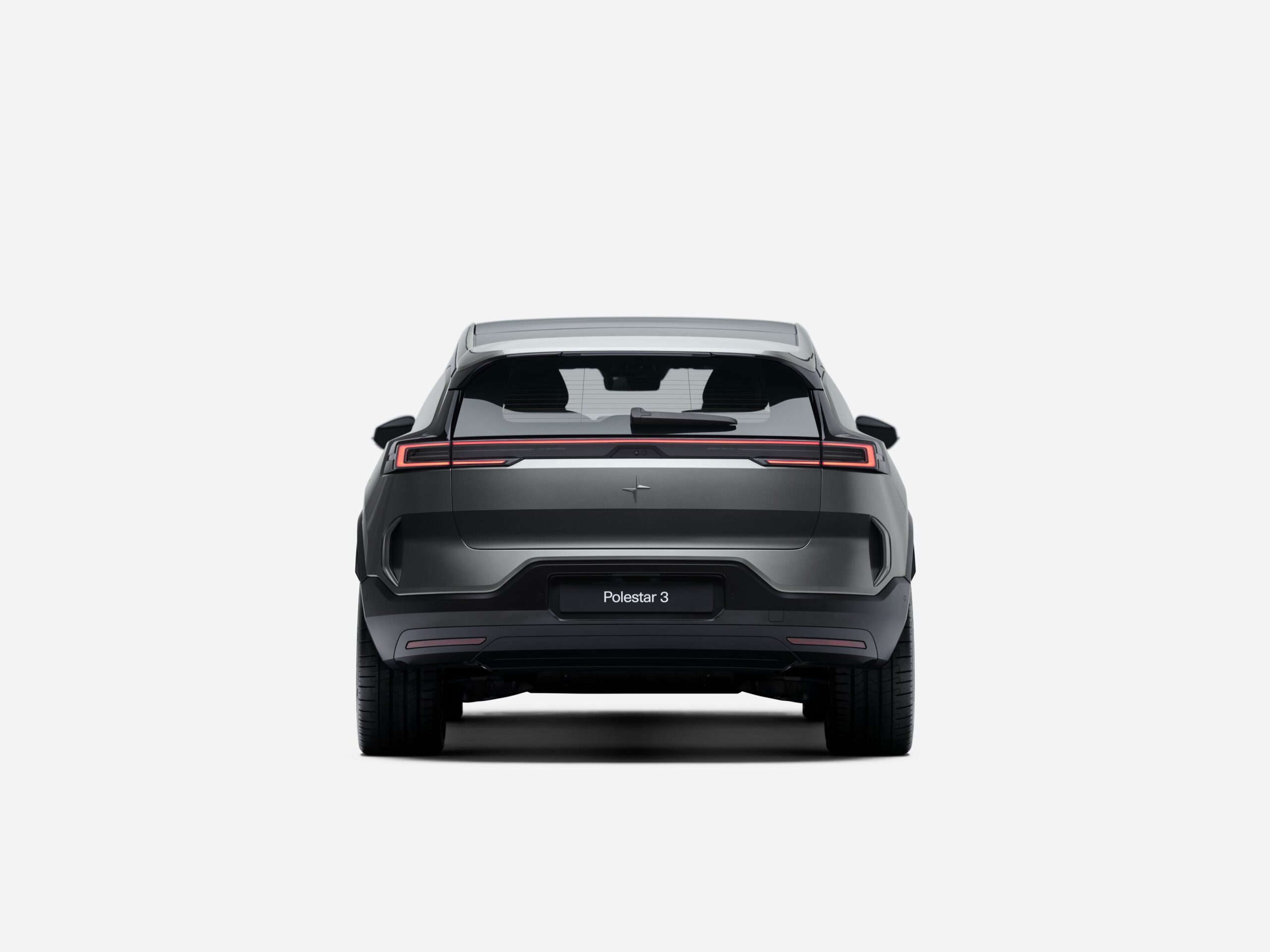
The culprit? The US Connected Vehicle Rule. Polestar, which had been manufacturing one of its flagship models (the Polestar 3) at a shared plant with fellow Geely portfolio company Volvo, suddenly found itself locked out of the American market. The company failed to receive authorization under the Connected Vehicle Rule, which means it cannot market or sell new model-year 2027 vehicles in the United States.
The sting is real: Polestar’s stock tanked by more than 13% in midday trading.
The Real Issue – Data Security in the Age of Connected Vehicles
Here’s where it gets interesting. The Connected Vehicle Rule isn’t just some bureaucratic gatekeeping, it’s targeting legitimate data security concerns. The rule restricts the use of certain foreign technologies in two critical areas:
- Software Ban: Restrictions on software developed or maintained by Chinese or Russian companies for the 2027 model year
- Hardware Restrictions: Prohibitions on importing and selling vehicle-connected hardware from these countries starting in 2030
In layman’s terms? The US government is basically saying: “We can’t have foreign adversaries potentially accessing real-time vehicle data and controlling critical systems.” Fair point, considering how much personal information flows through modern connected vehicles.
The Plot Thickens – Why Volvo Got a Pass (and Polestar Didn’t)
Here’s the kicker that really drives the narrative home: Polestar’s sister company, Volvo (also owned by Geely) managed to secure a waiver and will continue selling vehicles in the US. Talk about a sibling rivalry moment.
According to Volvo’s explanation, they jumped through the right hoops: “The process is carried out on a case-by-case basis and the issuance of a specific authorization follows constructive discussions with the US Department of Commerce and other US officials regarding Volvo Cars’ governance, technology and data security.”
So what’s the difference? We don’t have all the details, but it suggests that with the right agreements in place around data handling and tech independence, even a company under Chinese ownership can navigate these murky waters. Polestar apparently couldn’t (or wouldn’t) make those same concessions.
What Now? Polestar’s Pivot Strategy
Rather than going down swinging, Polestar is being pragmatic about it. The company will gradually wind down its US sales and marketing operations and redirect its focus to the European market. The good news for existing customers? Polestar reassured them that everyone who currently owns a Polestar or is leasing one will continue receiving full support and service, with all existing warranties remaining valid. So this isn’t a “abandon ship and leave customers stranded” situation, at least they’re handling that part with class.
The Bigger Picture – What This Means for the EV Industry
Polestar’s exit is more than just one company’s bad luck. It’s a wake-up call for the entire EV industry and a clear indicator that the US-China tech war has officially entered the automotive sector. We’re entering an era where the supply chain of your car (from its software to its hardware) is becoming a matter of national security.
Manufacturers will need to make strategic decisions about their ownership structures, technology sourcing, and data governance if they want access to the lucrative American market.
For consumers, it means fewer options (at least in the premium EV segment), potential price increases as competition narrows, and a fragmentation of the global automotive market along geopolitical lines. It’s not ideal, but it’s the new reality.
Tarmac Takeaway
Polestar’s exit from the US market isn’t a failure on the company’s part, it’s a collision between geopolitics, data security, and business strategy. While it’s disappointing for American customers who appreciated the brand’s design ethos and performance credentials, the government’s caution about foreign-controlled connected vehicle tech isn’t entirely unreasonable.
The real question now is: how many other manufacturers will face similar scrutiny? And will the EU follow suit with similar restrictions? One thing’s for certain: the days of a truly global automotive market, where any manufacturer can sell anywhere without friction, are rapidly becoming yesterday’s news. The future of EVs will be shaped not just by innovation and performance, but by geography and geopolitics. Welcome to the new automotive reality.